
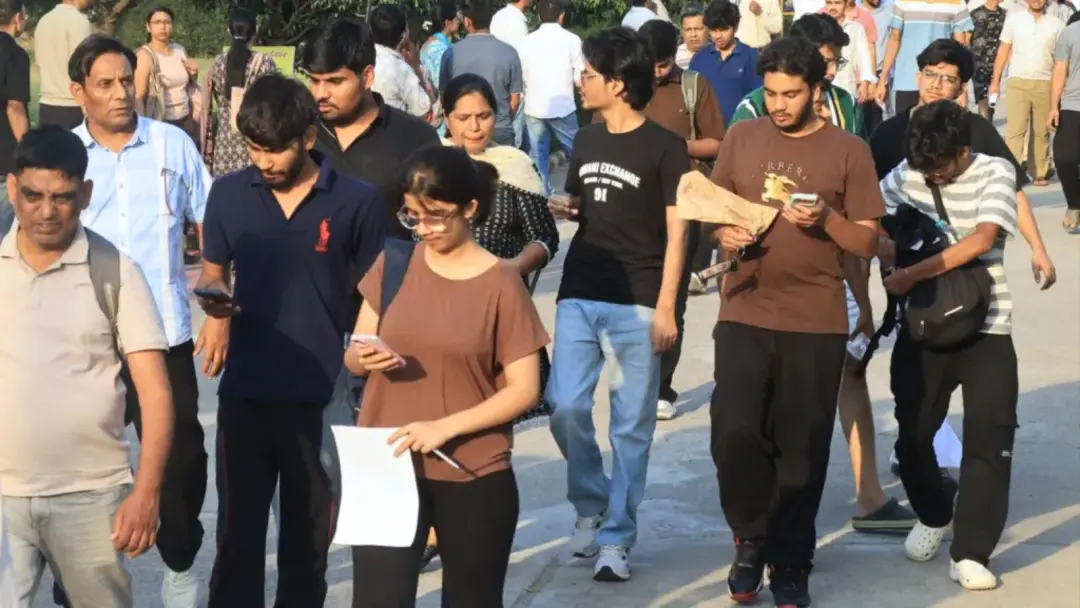
ABVP suggests two-stage competitive exams, NEET twice a year
The RSS-backed student union Akhil Bharatiya Vidyarthi Parishad (ABVP) has submitted its examination reform recommendations to Nandan Nilekani, Chairman of the High-Powered Task Force. It called for major competitive exams in two stages — the first to shortlist candidates and the second for final selection — and for exploring the feasibility of holding NEET twice a year, with the better score counted. It also proposed computer-based exams, question paper security, a national question bank and digital evaluation. The Task Force was constituted in July.
Source
Indian Express — India · read the original report ↗
Desk check · compared with the source
What the desk checked (5)
- ABVP submitted exam reform recommendations to Task Force Chairman Nandan Nilekani, proposing a two-stage process for major competitive exams. — Attributed to ABVP in the source; wording of the proposal appears as reported.
- ABVP suggested exploring conducting NEET twice a year with the better score counted. — Attributed to ABVP as a suggestion, not a decision; stated in source.
- Recommendations were based on round-table conferences in Pune, Nagpur, Bhopal, Delhi, Chandigarh and South Bihar. — Sourced to an ABVP statement; locations listed in source.
- The Task Force was constituted in July to recommend reforms in conduct, security, design and governance of public exams, including NTA tests. — Appears in source without a named official source; consistent with the report.
- NTA has shifted its main office from Okhla to the 5th floor of the Government of India Press building on Minto Road, Central Delhi. — Attributed to an NTA public notice quoted in the source.
Analysts’ view opinion
ఏబీవీపీ సిఫారసుల్లో కొత్తదనం కంటే, గత కొన్నేళ్ల పరీక్షల వివాదాల నుంచి పుట్టిన "ప్రక్రియ సంస్కరణ" ఎజెండాకు రాజకీయ మద్దతు కూడుతున్నదన్న సంకేతం ఎక్కువ. రెండు దశల పరీక్ష, జాతీయ ప్రశ్నల బ్యాంకు, డిజిటల్ మూల్యాంకనం, స్వతంత్ర ఆడిట్లు — ఇవన్నీ పరీక్ష రూపకల్పన కాదు, పరీక్ష పరిపాలన (governance) లోని లోపాలను లక్ష్యంగా చేసుకున్నవి. అయితే ఈ నమూనాలు ఇప్పటికే యూపీఎస్సీ, ఇతర నియామక పరీక్షల్లో అమల్లో ఉన్నవే; అసలు సవాలు ఆలోచనలో లేదు, కోట్లాది అభ్యర్థుల స్థాయిలో వాటిని లోపరహితంగా అమలు చేయడంలో ఉంది.
- రెండు దశల విధానం మూల్యాంకన నాణ్యతను పెంచవచ్చు, కానీ అభ్యర్థులపై సమయం, ప్రయాణం, కోచింగ్ ఖర్చుల భారాన్ని రెట్టింపు చేసే ప్రమాదం ఉంది — ఇది గ్రామీణ, తక్కువ ఆదాయ అభ్యర్థులకు ఎలా పనిచేస్తుందన్నది కీలకం.
- నీట్ను ఏడాదికి రెండుసార్లు నిర్వహించి మెరుగైన స్కోరు తీసుకోవడం జేఈఈ మెయిన్ నమూనాను అనుసరించడమే; ఇది ఒత్తిడిని తగ్గించవచ్చు గానీ రెండు సెషన్ల మధ్య నార్మలైజేషన్ న్యాయబద్ధతపై ప్రశ్నలు తప్పవు.
- కంప్యూటర్ ఆధారిత పరీక్షలు, పరీక్షా కేంద్రాలకు ఏకరూప జాతీయ ప్రమాణాలు అనేవి డిజిటల్ మౌలిక వసతుల అసమానతలను నేరుగా తాకుతాయి — పట్టణ-గ్రామీణ అంతరం ఇక్కడ అమలు పరీక్ష.
- జాతీయ ప్రశ్నల బ్యాంకు ప్రశ్నపత్రాల భద్రతకు తోడ్పడినా, ప్రశ్నలు పునరావృతమయ్యే, కోచింగ్ కేంద్రాలు నమూనాను పట్టేసే ముప్పు ఉంటుంది; భద్రత-వైవిధ్యం మధ్య సమతుల్యత అవసరం.
- సూచనలు ఇచ్చినది ఒక విద్యార్థి సంఘం మాత్రమే — టాస్క్ఫోర్స్ సెప్టెంబర్ 13 వరకు అన్ని వర్గాల నుంచి అభిప్రాయాలు కోరింది, కాబట్టి ఇది ప్రతిపాదన దశలోని ఒక ఇన్పుట్, విధాన నిర్ణయం కాదు.
What to watch — నీలేకని టాస్క్ఫోర్స్ తుది నివేదికలో ఈ సిఫారసుల్లో ఏవి చోటు చేసుకుంటాయి, ప్రత్యేకించి రెండు దశల విధానానికి, ఎన్టీఏ నిర్మాణాత్మక జవాబుదారీతనానికి ఎలాంటి రూపం ఇస్తారన్నది గమనించాలి.
టాస్క్ఫోర్స్ లేదా ప్రభుత్వం ఈ సూచనలను అంగీకరించిందనీ, పరిశీలిస్తోందనీ కథనం ఎక్కడా చెప్పలేదు; ఖర్చు, కాలపరిమితి, అమలు మార్గం గురించి ఎలాంటి వివరాలూ ఇందులో లేవు.
Deep dive
Research brief · 8 facts · 4 dates · exam-readyThe brief
Context
A High-Powered Task Force, chaired by Infosys co-founder Nandan Nilekani, was constituted in July to recommend comprehensive reforms in the conduct, security, design and governance of public examinations, including those run by the National Testing Agency (NTA). The panel invited suggestions from students, parents, teachers and other stakeholders by September 13. The RSS-backed student union Akhil Bharatiya Vidyarthi Parishad (ABVP) has submitted its recommendations, seeking a two-stage format for major competitive exams and a feasibility study on holding NEET twice a year. Separately, the NTA has shifted its main office within Delhi.
Key facts
- ABVP submitted its examination reform recommendations to Nandan Nilekani, Chairman of the High-Powered Task Force.
- ABVP wants major competitive exams in two stages: the first to shortlist candidates, the second for final selection.
- It asked that the feasibility of conducting NEET twice a year be explored, with the better score counted for selection.
- Other suggestions: computer-based exams, stronger question paper security, uniform national standards for exam centres, robust candidate verification and data protection.
- ABVP also sought transparent systems for answer keys, normalisation and tie-breaking, plus independent security and process audits.
- Further proposals include a national question bank, digital evaluation, an integrated examination management system and a central examination dashboard.
- The recommendations were based on ABVP round-table conferences in Pune, Nagpur, Bhopal, Delhi, Chandigarh and South Bihar.
- The Task Force was constituted in July to examine reforms in conduct, security, design and governance of public exams, including NTA tests.
Timeline
- JulyHigh-Powered Task Force constituted to recommend reforms in the conduct, security, design and governance of public examinations, including NTA exams.
- Before September 13Task Force seeks suggestions from students, parents, teachers and other stakeholders.
- Not stated in the source (date of submission)ABVP submits its examination reform recommendations to Task Force Chairman Nandan Nilekani after round-tables in six cities/regions.
- Not dated in the sourceNTA announces relocation of its main office from Okhla to Minto Road, Central Delhi.
Who has a stake
- High-Powered Task Force (Chair: Nandan Nilekani) — Mandated to examine and recommend comprehensive reforms in conduct, security, design and governance of public examinations.
- National Testing Agency (NTA) — Its exams are within the Task Force's remit; it has also relocated its main office to Minto Road, Delhi.
- ABVP (RSS-backed student union) — Seeks to shape exam reform policy through recommendations drawn from its round-table conferences.
- Aspirants of NEET and other major competitive exams — Would be directly affected by a two-stage exam format, twice-a-year NEET and computer-based testing.
- Students, parents and teachers — Invited by the Task Force to submit suggestions on exam reforms by September 13.
Why it matters
High-stakes national entrance tests decide the futures of lakhs of candidates, so their security, design and transparency are matters of public trust. The Task Force's recommendations could reshape how exams such as NEET are conducted, including formats, technology and grievance-related systems like answer keys and normalisation. The ABVP submission shows how organised student groups seek to influence that reform agenda.
UPSC angle
Prelims pointers
- High-Powered Task Force on examination reforms: constituted in July, chaired by Nandan Nilekani.
- Task Force mandate: conduct, security, design and governance of public examinations, including NTA-conducted tests.
- Deadline for stakeholder suggestions to the committee: September 13.
- ABVP is the student union backed by the Rashtriya Swayamsevak Sangh (RSS).
- ABVP proposals: two-stage competitive exams, NEET twice a year with the better score counted, computer-based exams, national question bank.
- NTA head office relocated from Okhla (southeast Delhi) to the Government of India Press building, Minto Road, Central Delhi.
Mains framing
Public examinations in India operate at enormous scale, and concerns over paper security, centre standards, verification and transparency in answer keys, normalisation and tie-breaking have driven the government to set up a High-Powered Task Force in July under Nandan Nilekani to recommend reforms in the conduct, security, design and governance of public exams, including those of the NTA. The ABVP's submission reflects one strand of stakeholder opinion: splitting major competitive exams into a shortlisting stage and a final selection stage, exploring a twice-a-year NEET with the better score counted, shifting to computer-based testing, and building institutional infrastructure such as a national question bank, digital evaluation, an integrated examination management system and a central examination dashboard, backed by independent security and process audits. The implications cut both ways — multiple attempts and two-stage filtering may reduce single-day risk and pressure, while computerisation and standardised centres raise questions of access, capacity and equity that the source does not address. A credible way forward lies in the Task Force weighing such submissions from students, parents and teachers, received up to September 13, against feasibility, before recommending a transparent, auditable examination system.
Key terms
- ABVP (Akhil Bharatiya Vidyarthi Parishad)
- RSS-backed student union that submitted the examination reform recommendations.
- High-Powered Task Force
- Panel constituted in July, chaired by Nandan Nilekani, to recommend reforms in public examinations.
- NTA (National Testing Agency)
- Agency conducting national entrance tests; its exams fall within the Task Force's mandate.
- NEET
- Major national entrance examination for which ABVP wants twice-a-year conduct explored, with the better score counted.
- Normalisation
- Method of making scores comparable across exam sessions; ABVP seeks a transparent system for it.
- National question bank
- Proposed central repository of questions to support secure, standardised examination setting.
Practice questions
- Examine the case for and against conducting high-stakes entrance examinations such as NEET more than once a year, with the better score counted.
- Discuss how measures like computer-based testing, a national question bank and independent process audits could strengthen the integrity of public examinations in India.
- What is the mandate of the High-Powered Task Force on examination reforms, and how do stakeholder consultations shape such reform exercises?
Grounded only in the source report — figures and dates are the source's, not inferred.