
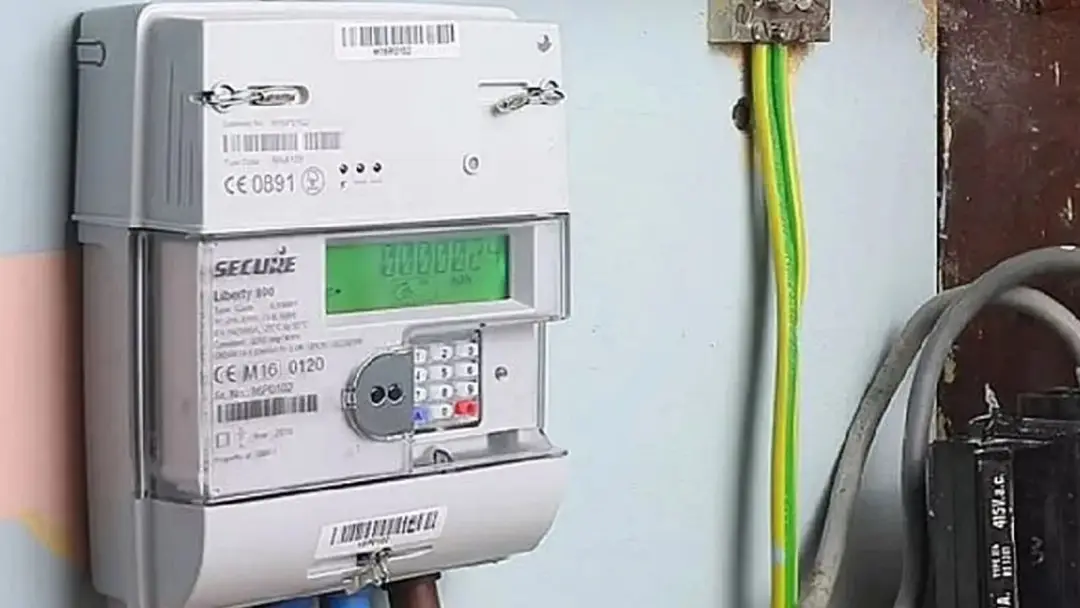
Gurgaon RWAs to raise billing, retrospective tariff issues with HERC
Over 15 Resident Welfare Associations from Sectors 99 to 113 along Gurgaon's Dwarka Expressway met on Saturday and decided to file a joint petition before the Haryana Electricity Regulatory Commission. They cited flaws in the Unified Billing Software and retrospective commercial power arrears dating back four to five years. The Commission began suo motu proceedings on August 25 and has given DHBVN until October 7 to reply, with the next hearing on October 12.
Source
Indian Express — Cities · read the original report ↗
Desk check · compared with the source
What the desk checked (5)
- HERC initiated suo motu proceedings on August 25 into non-compliance of the Single Point Supply Regulations, 2020, and delayed rollout of the Unified Billing Software mandated by a 2022 circular. — Attributed to the regulator's proceedings as described in the source; dates and regulation names appear in the source text.
- The Commission gave DHBVN until October 7 to file its reply and set the next hearing for October 12. — Figure and dates appear in the source and are repeated consistently.
- DHBVN counsel submitted that compliance rested with developers and RWAs and sought time to gather field data. — Attributed to counsel for the discom during the hearing.
- Suncity Avenue society in Sector 102 was penalised with ₹97 lakh in arrears. — Attributed to P N Mishra, RWA General Secretary; no discom confirmation in source.
- No society in Gurgaon has successfully transitioned to the Unified Billing Software. — Claim by resident Sunil Sareen; unverified assertion, not corroborated by an official source in the text.
Analysts’ view opinion
ఇది పైకి చూస్తే విద్యుత్ బిల్లింగ్ సాంకేతిక వివాదం, కానీ రాజకీయంగా ఇది గురుగ్రామ్లోని అత్యంత సంఘటిత, మధ్యతరగతి-ఎగువ మధ్యతరగతి ఓటర్ల సమూహం — గ్రూప్ హౌసింగ్ ఆర్డబ్ల్యూఏలు — ప్రభుత్వ యంత్రాంగంతో నేరుగా ఢీకొంటున్న సందర్భం. 15కు పైగా ఆర్డబ్ల్యూఏలు ఉమ్మడి పిటిషన్కు కూడటం అంటే, విడివిడి ఫిర్యాదులుగా ఉన్న అసంతృప్తి ఒక ఒత్తిడి సమూహంగా మారుతోందని సంకేతం. హెచ్ఈఆర్సీ సుమోటో విచారణ చేపట్టడం వల్ల ఈ అంశం ప్రభుత్వ-వ్యతిరేక ఆరోపణ నుంచి నియంత్రణ సంస్థ పరిధిలోని ప్రక్రియగా మారడం అధికార పక్షానికి కొంత ఊరట, అదే సమయంలో డీహెచ్బీవీఎన్ జవాబుదారీతనం బహిరంగంగా పరీక్షకు నిలబడటం ఇబ్బంది.
- ఆర్డబ్ల్యూఏలు నియంత్రణ సంస్థ చర్యను స్వాగతిస్తూనే డిస్కమ్ అమలు తీరును తప్పుపట్టడం ద్వారా "వ్యవస్థకు వ్యతిరేకం కాదు, అమలుకు వ్యతిరేకం" అనే రాజకీయంగా సురక్షితమైన స్థానాన్ని ఎంచుకున్నాయి.
- డీహెచ్బీవీఎన్ తరఫు వాదన బాధ్యతను డెవలపర్లు, ఆర్డబ్ల్యూఏలపైకి నెట్టడం — నివాసితులకు ఇది "అధికార యంత్రాంగం తప్పును ప్రజలపై మోపడం" అనే ఫిర్యాదుకు రాజకీయ ఇంధనం.
- ప్రత్యక్ష కనెక్షన్లు, వ్యక్తిగత బిల్లింగ్ డిమాండ్ నెరవేరితే డెవలపర్లు, ఆర్డబ్ల్యూఏ కార్యవర్గాల చేతిలోని స్థానిక అధికారం తగ్గి, డిస్కమ్ వైపు నియంత్రణ మారుతుంది — ఇది స్థానిక అధికార సమతుల్యతను మార్చే అంశం.
- ద్వారకా ఎక్స్ప్రెస్వే కారిడార్ వేగంగా పెరుగుతున్న పట్టణ ఓటర్ల ప్రాంతం కావడంతో, ఇక్కడి అసంతృప్తి పరిష్కారం కాకపోతే మున్సిపల్/రాష్ట్ర స్థాయి ప్రచారంలో "పట్టణ మౌలిక సదుపాయాల వైఫల్యం" కథనంలో కలిసిపోయే అవకాశం ఉంది.
- నాలుగైదు ఏళ్ల నాటి బకాయిల ఉపసంహరణ డిమాండ్ ప్రభుత్వానికి ద్విముఖ సవాలు — ఆర్థిక క్రమశిక్షణ చూపాలా, లేక పట్టణ ఓటర్లకు ఉపశమనం ఇవ్వాలా అనేది రాజకీయ నిర్ణయం అవుతుంది.
What to watch — అక్టోబర్ 7 నాటికి డీహెచ్బీవీఎన్ ఇచ్చే జవాబు, అక్టోబర్ 12 విచారణలో నియంత్రణ సంస్థ డిస్కమ్ వాదనను అంగీకరిస్తుందా లేదా బాధ్యతను దానిపైనే ఉంచుతుందా — అలాగే బకాయిల విషయంలో ఏదైనా రాజకీయ స్థాయి జోక్యం లేదా ఉపశమన ప్రకటన వస్తుందా అన్నది కీలకం.
ఈ కథనం ఏ రాజకీయ పార్టీ లేదా ప్రజాప్రతినిధి ఈ వివాదంలో జోక్యం చేసుకున్నారని, లేదా ఆర్డబ్ల్యూఏల డిమాండ్లకు ఎవరైనా రాజకీయ మద్దతు ప్రకటించారని స్థాపించలేదు; ఇక్కడి రాజకీయ పరిణామాలు అంచనాలు మాత్రమే, నిర్ధారించబడిన వాస్తవాలు కావు.
Deep dive
Research brief · 8 facts · 7 dates · exam-readyThe brief
Context
Group housing societies along Gurgaon's Dwarka Expressway receive electricity under Haryana's Single Point Supply (SPS) framework, where DHBVN supplies bulk power through one primary meter to a society and the RWA or developer reads sub-meters and bills individual flats. Friction has grown over the split between domestic supply (DS) tariffs for flats and non-domestic/commercial (NDS) tariffs for common amenities, with societies receiving retrospective commercial arrears. The Haryana Electricity Regulatory Commission (HERC) began suo motu proceedings on August 25 into alleged systemic non-compliance with the HERC (Single Point Supply) Regulations, 2020 and the delayed rollout of the Unified Billing Software mandated by a 2022 circular. Over 15 RWAs now plan a joint petition before the regulator.
Key facts
- HERC initiated suo motu proceedings on August 25 into "deliberate, continuous, and systemic non-compliance" of the HERC (Single Point Supply) Regulations, 2020.
- The proceedings also cover the delayed rollout of the Unified Billing Software mandated by a 2022 circular.
- HERC gave DHBVN time until October 7 to file its reply; the next hearing is scheduled for October 12.
- Representatives of over 15 RWAs from Sectors 99 to 113 along the Dwarka Expressway met on Saturday evening to plan a joint petition.
- Suncity Avenue society in Sector 102 has been penalised with Rs 97 lakh in arrears for not raising DS/NDS bills accordingly, per RWA General Secretary P N Mishra.
- RWAs say DHBVN has routinely issued retrospective commercial (NDS) bills dating back four to five years, even where load was declared in approved electrical plans.
- Residents claim not a single society in Gurgaon has successfully transitioned to the Unified Billing Software so far.
- In the HERC hearing, DHBVN's counsel submitted that compliance rested with developers and RWAs, and sought time to gather field data.
Timeline
- 2020HERC (Single Point Supply) Regulations notified, governing bulk supply and internal billing in group housing societies.
- 2022A circular mandates a new Unified Billing Software for single point supply societies.
- August 25HERC initiates suo motu proceedings into systemic non-compliance with the 2020 SPS Regulations and the delayed software rollout.
- Hearing (date not stated in the source)DHBVN counsel argues compliance rests with developers and RWAs; Commission grants time till October 7 for reply.
- Saturday eveningOver 15 RWAs from Sectors 99-113 meet and decide to file a joint petition before HERC.
- October 7Deadline for DHBVN to submit its reply to HERC.
- October 12Next HERC hearing in the matter.
Who has a stake
- Resident Welfare Associations (Sectors 99-113, Dwarka Expressway) — Face crores in retrospective NDS arrears and must run technical SPS billing; want direct connections and relief.
- DHBVN (Dakshin Haryana Bijli Vitran Nigam) — Must reply to HERC by October 7; says compliance duty lies with developers and RWAs; revenue recovery at stake.
- HERC — State regulator examining non-compliance with its 2020 SPS Regulations and the delayed Unified Billing Software rollout.
- Flat owners in group housing societies — Bear the cost of tariff misclassification and arrears passed on through society-level billing.
- Developers of group housing projects — DHBVN contends compliance responsibility partly rests with them, including internal network and metering.
- Dwarka Expressway Gurugram Development Association — Argues SPS reconciliation needs domain expertise that elected RWA office-bearers lack.
Why it matters
Lakhs of urban flat owners in high-rise societies are billed not by the discom but by volunteer RWA office-bearers, making tariff categorisation errors a direct financial burden on residents. The HERC proceedings could decide whether responsibility for compliance sits with the discom, developers or RWAs, and whether retrospective commercial arrears stand. The outcome will shape how single point supply is administered across Haryana's fast-growing sectors.
UPSC angle
Prelims pointers
- HERC = Haryana Electricity Regulatory Commission, the state power regulator; it can initiate suo motu proceedings.
- HERC (Single Point Supply) Regulations, 2020 govern bulk electricity supply to group housing societies.
- DHBVN = Dakshin Haryana Bijli Vitran Nigam, the discom for southern Haryana including Gurgaon.
- Under SPS, one primary meter serves a society; RWA/developer maintains internal network, reads sub-meters and bills flats.
- DS (domestic supply) tariff applies to residential units; NDS (non-domestic/commercial) tariff to clubs, community halls and retail outlets.
- Key dates in the case: suo motu proceedings August 25; DHBVN reply due October 7; next hearing October 12.
Mains framing
The Gurgaon single point supply dispute illustrates a governance gap in urban electricity distribution: the regulator has framed rules (HERC SPS Regulations, 2020) and mandated a Unified Billing Software through a 2022 circular, but the operational burden of metering, tariff categorisation, reconciliation and recovery has devolved to elected RWA office-bearers with no domain expertise, while the discom argues that compliance rests with developers and RWAs. The consequences are visible in retrospective non-domestic arrears running back four to five years — Rs 97 lakh in one Sector 102 society — even where loads were sanctioned in approved electrical plans, and in a software rollout that, residents say, no Gurgaon society has completed successfully. The core issues are accountability diffusion between regulator, discom, developer and residents; capacity deficits in resident-run utilities; and the retrospective application of tariff classification. The way forward suggested by the RWAs themselves is instructive: transition flat owners to direct individual connections wherever legally and technically viable, confine RWA oversight to common-area consumption, roll back retrospective NDS arrears where loads were already sanctioned, and precede any mandatory software adoption with dummy runs, a written standard operating procedure and formal technical training. The October 12 HERC hearing will test whether regulatory intent translates into enforceable division of responsibility.
Key terms
- Single Point Supply (SPS)
- Arrangement where the discom supplies bulk power to a housing society through one primary meter and bills the society collectively.
- Unified Billing Software / System (UBS)
- A new billing system mandated by a 2022 circular for societies; RWAs say no Gurgaon society has transitioned successfully.
- DS and NDS tariffs
- Domestic supply rates for residential flats versus non-domestic/commercial rates for clubs, community halls and retail outlets.
- Suo motu proceedings
- A case initiated by the authority on its own motion, without a complaint or petition being filed before it.
- Retrospective NDS arrears
- Commercial-tariff bills raised for past periods, in this case going back four to five years in Gurgaon societies.
- DHBVN
- Dakshin Haryana Bijli Vitran Nigam, the power distribution company serving southern Haryana including Gurgaon.
Practice questions
- Examine the accountability problems that arise when electricity distribution to group housing societies is routed through a single point supply arrangement administered by Resident Welfare Associations.
- Discuss the role of state electricity regulatory commissions in protecting consumers, with reference to suo motu proceedings against distribution companies.
- "Retrospective tariff reclassification undermines consumer trust in utility regulation." Critically evaluate in the context of non-domestic arrears levied on housing societies.
Grounded only in the source report — figures and dates are the source's, not inferred.