
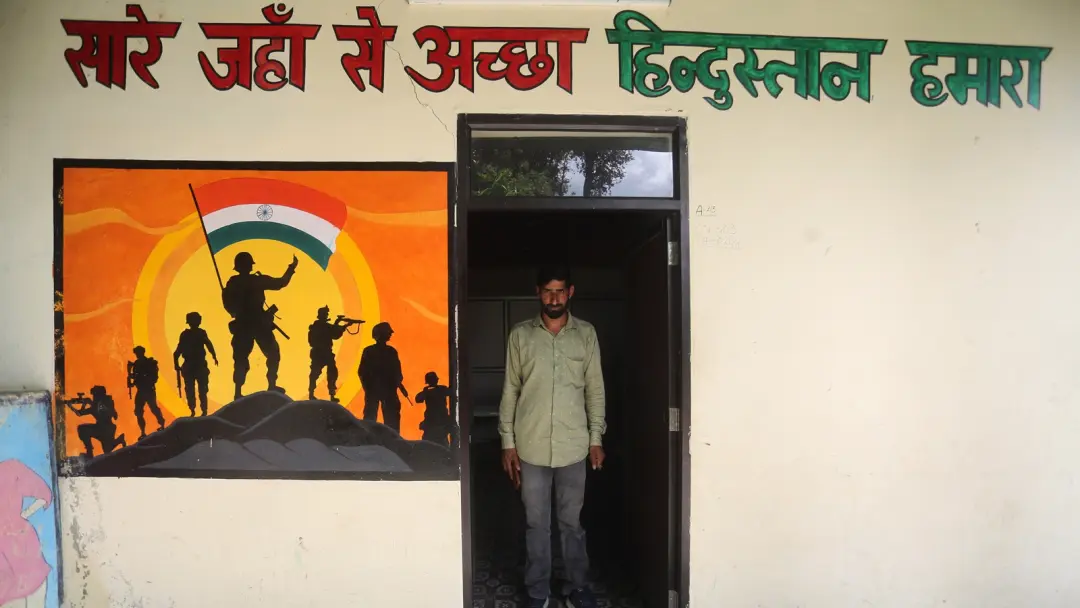
Army-adopted Topa Pir sees development amid custodial death grief
Topa Pir, a tribal village of about 30 households in J&K's Poonch district, was adopted as a 'model village' by the Army after the 2023 incident, gaining a 1.7-km road, solar lighting and a community hall housing health and computer rooms. Of nine men picked up by 48 Rashtriya Rifles on December 22, 2023, Safeer Ahmed, 48, Mohammad Showkat, 28, and Mohammad Shabir, 25, died. On August 20, 2026, the Armed Forces Tribunal upheld the Army's 'severe displeasure' censure against Brigadier P Acharya.
Source
Indian Express — India · read the original report ↗
Desk check · some claims need care
What the desk checked (5)
- Three civilians — Safeer Ahmed (48), Mohammad Showkat (28) and Mohammad Shabir (25) — died after custodial torture by 48 Rashtriya Rifles troops on December 22, 2023. — Figures, names and date appear in the source; injury details attributed to the families speaking to The Indian Express.
- The Chandigarh Bench of the Armed Forces Tribunal on August 20, 2026 upheld the Army's 'severe displeasure' censure against Brigadier P Acharya. — Attributed to the tribunal ruling in the source; the source elsewhere says 'last month', internally consistent with the stated date.
- The incident followed a militant ambush on the DKG-Bufliaz road in which four soldiers were killed and three injured. — Figures appear in the source and are cited in the tribunal's observation.
- The Army adopted Topa Pir as a 'model village', with a 1.7-km road, solar lighting, community hall, health and computer rooms; the upgraded middle school is not yet functional. — Development details reported from the ground; the non-functional school is a villagers' claim, and the health/computer centre detail is attributed to former sarpanch Mehboob Bhat.
- The district administration gave jobs to the next of kin of the three men and the Army arranged schooling and scholarships for victims' children. — Named individuals and roles given in the source; no official document cited.
Analysts’ view opinion
అభివృద్ధి ప్యాకేజీతో ఆగ్రహాన్ని చల్లార్చడం, జవాబుదారీతనాన్ని పరిపాలనా చర్యల పరిధిలోనే ఉంచడం — టోపా పీర్లో కనిపిస్తున్నది ఇదే రాజకీయ నమూనా. రోడ్డు, సౌర విద్యుత్, ఉద్యోగాలు, స్కాలర్షిప్లు స్థానికంగా సైన్యానికి కొంత సద్భావనను తిరిగి తెచ్చినా, 'విచారణ మాత్రమే జరిగింది, స్పష్టమైన శిక్ష లేదు' అనే గ్రామస్తుల ఫిర్యాదు రాజకీయంగా సజీవంగా ఉన్న గాయం. బ్రిగేడియర్పై 'తీవ్ర అసంతృప్తి' చర్యను ట్రిబ్యునల్ సమర్థించడం సైన్యం క్రమశిక్షణా వ్యవస్థకు ఒక రక్షణ కవచం అయితే, బాధిత కుటుంబాలకు అది సరిపోదన్న భావనను తీర్చలేదు.
- సైన్యం 'ఆదర్శ గ్రామం' దత్తత అనేది సాధారణ అభివృద్ధి పని కాదు — సంఘటన అనంతరం విశ్వాసాన్ని పునరుద్ధరించే ఉద్దేశపూర్వక వ్యూహాత్మక చర్యగా చూడాలి.
- పీర్ పంజాల్ ప్రాంతంలో గుజ్జర్-బకర్వాల్ వర్గం రాజకీయంగా కీలకమైన ఓటు బ్యాంక్ కావడంతో, ఈ ఘటనపై అసంతృప్తి స్థానిక పార్టీలకు సహజ ప్రచార అంశంగా మారే అవకాశం ఉంది.
- 'కొందరి తప్పులకు మొత్తం సైన్యాన్ని తప్పుపట్టలేం' అన్న గ్రామస్తుడి మాట — స్థానికుల్లో వ్యవస్థపై పూర్తి తిరస్కారం లేదని, కానీ నిర్దిష్ట జవాబుదారీతనం కోరుతున్నారని సూచిస్తుంది.
- పరిహారం, ఉద్యోగాలు, స్కాలర్షిప్ల ద్వారా పరిష్కారం అనేది న్యాయ ప్రక్రియ కంటే పరిపాలనా మార్గాన్ని ఎంచుకున్న సంకేతం; ఇది తక్షణ ఉద్రిక్తతను తగ్గించినా, దీర్ఘకాలిక అసంతృప్తిని మిగిల్చే ప్రమాదం ఉంది.
- ట్రిబ్యునల్ 'భావోద్వేగాలు సైనిక క్రమశిక్షణను అధిగమించలేవు' అని పేర్కొనడం, భవిష్యత్ ఆపరేషన్లలో అధికారుల బాధ్యతపై ఒక సంస్థాగత ప్రమాణాన్ని నిలబెట్టింది.
What to watch — జమ్మూ కశ్మీర్ రాజకీయ పార్టీలు, గిరిజన సంఘాలు పరిపాలనా చర్యకు మించి బహిరంగ, స్పష్టమైన శిక్షను డిమాండ్ చేస్తూ ఈ అంశాన్ని ముందుకు తీసుకువెళ్తాయా, లేదా అభివృద్ధి కథనమే ప్రధాన స్వరంగా నిలుస్తుందా అనేది గమనించాలి.
ఈ కథనం ఏ రాజకీయ పార్టీ స్పందనను, ప్రభుత్వ వైఖరిని, లేదా క్రిమినల్ కేసు/విచారణ స్థితిని నిర్ధారించలేదు — గ్రామస్తుల ఆవేదన విస్తృత రాజకీయ ఉద్యమంగా మారుతుందనే ఆధారం ఇందులో లేదు.
Deep dive
Research brief · 8 facts · 5 dates · exam-readyThe brief
Context
Topa Pir is a village of about 30 households of the Gujjar Bakerwal community perched on the forested Pir Panjal terrain in J&K's Poonch district, about 10 km from the Bufliaz bridge. On December 22, 2023, following a militant ambush near the village on the DKG-Bufliaz road in which four Army soldiers were killed and three injured, the local unit of 48 Rashtriya Rifles picked up nine men from the village; three died in custody and six were treated for severe torture wounds. The Army issued a two-year administrative censure of "severe displeasure" against Brigadier P Acharya, who commanded the troops, and moved his unit out of the area, while also adopting the village as a 'model village'. On August 20, 2026, the Chandigarh Bench of the Armed Forces Tribunal upheld that censure.
Key facts
- On December 22, 2023, the local unit of 48 Rashtriya Rifles picked up nine men from Topa Pir's Gujjar Bakerwal community in Poonch district.
- Three died in custodial torture: Safeer Ahmed (48), Mohammad Showkat (28) and Mohammad Shabir (25); six others were treated for severe torture wounds at an Army health facility in Potha.
- The pick-ups followed a militant ambush on the DKG-Bufliaz road that killed four Indian Army soldiers and injured three.
- The Army issued a two-year administrative censure of "severe displeasure" against Brigadier P Acharya and removed his unit from the area.
- On August 20, 2026, the Chandigarh Bench of the Armed Forces Tribunal upheld the Army's censure, holding that "emotions cannot override military discipline and the legal obligation to treat the civilians humanely".
- After the 2023 incident the Army adopted Topa Pir as a 'model village': a 1.7-km road (not yet macadamised), water pipelines being laid, two solar bulbs per household for 24x7 light, a bus stop shed and a community hall with a health room and a computer room.
- Travel time from Bufliaz Bridge to the village bus stop has fallen from about 60 minutes to a few minutes; earlier access needed an hour's uphill drive plus a 30-minute forest trek.
- District administration gave jobs to next of kin: Safeer's widow Zareena Begum and Showkat's brother Mohammad Razzaq at the health sub-centre, Shabir's brother Kabir with the Jal Shakti Department; the Army arranged school admissions and scholarships for victims' children.
Timeline
- December 22, 2023 (preceding trigger)Four Indian Army soldiers killed and three injured in a militant ambush near Topa Pir on the DKG-Bufliaz road.
- December 22, 202348 Rashtriya Rifles picks up nine men from Topa Pir; Safeer Ahmed, Mohammad Showkat and Mohammad Shabir die in custody; six others treated for torture wounds at Potha.
- After the 2023 incidentArmy awards two-year censure of "severe displeasure" to Brigadier P Acharya, shifts his unit out, and adopts Topa Pir as a 'model village'.
- About six months after Safeer's deathZainab Bi's husband passes away.
- August 20, 2026Armed Forces Tribunal, Chandigarh Bench, upholds the Army's disciplinary action challenged by Brigadier Acharya.
Who has a stake
- Families of Safeer Ahmed, Mohammad Showkat and Mohammad Shabir — Seek clarity and punishment; have received government jobs for next of kin and Army-backed schooling/scholarships, but say internal inquiries bring no relief.
- Indian Army / 48 Rashtriya Rifles — Institutional discipline, accountability of commanders and credibility with the local population in a counter-insurgency zone.
- Brigadier P Acharya — Career impact of a two-year "severe displeasure" censure, which his tribunal challenge failed to overturn.
- Armed Forces Tribunal (Chandigarh Bench) — Adjudicating service disputes; laid down that operational emotions cannot override military discipline and humane treatment of civilians.
- Topa Pir villagers (about 30 households, Gujjar Bakerwal) — New road, solar lighting, upgraded school, health and computer centre — but villagers say the middle school is yet to be functional.
- District administration and Jal Shakti Department, J&K — Delivering compensation employment and water pipeline works in the village.
Why it matters
The case tests whether accountability inside the armed forces can match the scale of harm when civilians die in custody during counter-insurgency operations — here the outcome was an administrative censure, upheld on appeal, rather than clarity on individual culpability that families say they want. It also shows the double-edged nature of 'model village' development: a road, lights and a health centre arrived only after three deaths, as one father asks whether people had to die for a road. In a border district where trust between troops and Gujjar Bakerwal residents is itself a security asset, the balance between operational anger and lawful conduct has direct strategic consequences.
UPSC angle
Prelims pointers
- Topa Pir is in Poonch district, J&K, on the Pir Panjal range, near the Thannamandi-DKG-Bufliaz road.
- The 2023 custodial deaths involved the 48 Rashtriya Rifles; three civilians died, six were injured out of nine picked up.
- "Severe displeasure" is an administrative censure in the Army; here awarded for two years to a Brigadier.
- The Armed Forces Tribunal's Chandigarh Bench upheld the censure on August 20, 2026.
- Gujjar Bakerwal is the tribal community of the affected village; next of kin were given jobs including in the Jal Shakti Department.
- Army 'model village' interventions at Topa Pir included a 1.7-km road, household solar bulbs and a community hall with health and computer rooms.
Mains framing
The Topa Pir episode illustrates the recurring tension in counter-insurgency between operational retaliation and the legal duty to treat civilians humanely. Immediately after a militant ambush killed four soldiers on the DKG-Bufliaz road, nine men from a 30-household Gujjar Bakerwal village were picked up on December 22, 2023; three died in custody and six were hospitalised with torture wounds. The institutional response was twofold: an administrative route of censure — a two-year "severe displeasure" against the commanding Brigadier and relocation of his unit, upheld by the Armed Forces Tribunal on August 20, 2026 with the observation that "emotions cannot override military discipline" — and a developmental route, with the Army adopting the village as a 'model village' and the district administration providing compassionate jobs and scholarships. Yet families argue that internal inquiries without transparent findings and proportionate punishment do not amount to justice, and that infrastructure arriving only after deaths deepens the sense of neglect. The way forward the source supports lies in visible, time-bound accountability that villagers can verify, ensuring promised facilities such as the upgraded middle school actually function, and preserving the trust of border communities — captured in one villager's view that the whole Army cannot be blamed for the wrongs of a few.
Key terms
- Rashtriya Rifles
- Army force deployed for counter-insurgency; its 48 RR unit's local element picked up the nine Topa Pir men on December 22, 2023.
- Armed Forces Tribunal (AFT)
- Body that hears service and disciplinary disputes of armed forces personnel; its Chandigarh Bench decided the Acharya case.
- "Severe displeasure"
- An administrative censure recorded against an officer; awarded here for two years to the Brigadier commanding the troops.
- Gujjar Bakerwal
- Tribal pastoral community of J&K; the nine men picked up in Topa Pir belonged to it.
- Model village (Army-adopted)
- Army-facilitated development of a village; at Topa Pir it brought a 1.7-km road, solar lighting, a bus stop and a community hall.
- Jal Shakti Department
- J&K department handling water supply works; Shabir's brother Kabir was employed with it as compensation.
Practice questions
- Examine the adequacy of administrative censure as a form of accountability in cases of civilian custodial deaths during counter-insurgency operations, with reference to the Topa Pir case.
- "Winning hearts and minds cannot substitute for justice." Discuss in the context of Army-adopted 'model villages' in border districts of Jammu and Kashmir.
- Discuss the role of the Armed Forces Tribunal in balancing military discipline with the rights of officers and civilians.
Grounded only in the source report — figures and dates are the source's, not inferred.