
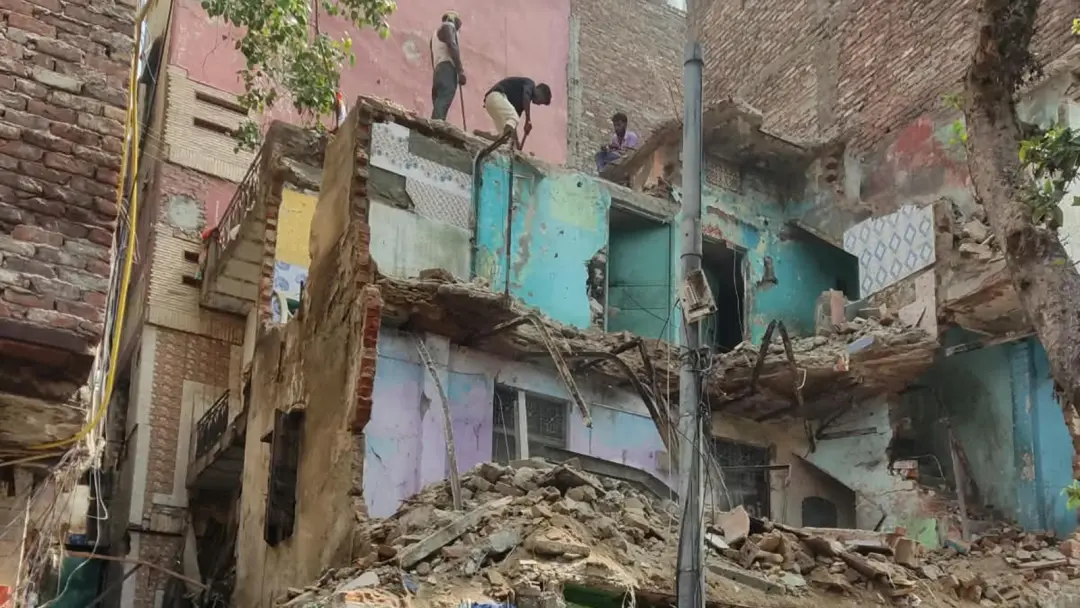
99% of Delhi PG buildings lack fire NOC, MCD survey finds
An MCD survey of 2,453 paying guest accommodations in Delhi found only 31, or 1.2%, hold a No Objection Certificate from the Delhi Fire Service. Building plans of just 726 buildings, under 30% of those surveyed, are sanctioned, and only eight have structural stability certificates. The survey, covering all 12 MCD zones, followed a Delhi High Court rap on September 7, a day after a five-storey boys hostel collapsed in Satya Niketan on September 6, killing seven.
Source
Indian Express — Cities · read the original report ↗
Desk check · compared with the source
What the desk checked (5)
- Only 31 (1.2%) of 2,453 PG buildings surveyed have a Delhi Fire Service NOC. — Figure appears in source, attributed to MCD survey details collected so far.
- Building plans of only 726 PG buildings (under 30%) are sanctioned; eight have structural stability certificates. — Figures appear in source, attributed to the MCD survey.
- A five-storey boys hostel collapsed in Satya Niketan on September 6, killing seven. — Stated in source as background; death toll not separately attributed to an official.
- Survey followed the Delhi High Court's rap on September 7 and covers all 12 MCD zones. — Attributed in source to the court proceedings and MCD; consistent internally.
- The Satya Niketan building allegedly had only one exit. — Presented in source as an allegation, no source named.
Analysts’ view opinion
సత్య నికేతన్ హాస్టల్ కూలిపోయి ఏడుగురు చనిపోయిన తర్వాతే సర్వే మొదలైంది, హైకోర్టు మందలింపు తర్వాతే వేగం పుంజుకుంది — ఇదే ఈ కథనంలోని అసలు రాజకీయ సందేశం. 2,453 పీజీ భవనాల్లో కేవలం 31కి ఫైర్ ఎన్ఓసీ ఉందంటే, ఇది ఒక భవన యజమాని వైఫల్యం కాదు; సంవత్సరాల తరబడి కొనసాగిన పాలనా, రాజకీయ నిర్లక్ష్యం వ్యవస్థీకృతంగా నమోదైనట్టు. ఎంసీడీ, ఢిల్లీ ప్రభుత్వం ఇప్పుడు ఒకే పార్టీ చేతిలో ఉన్న దశలో, "గత ప్రభుత్వాలపై నెట్టడం" అనే రాజకీయ సౌలభ్యం తగ్గి, జవాబుదారీతనం భారం అధికార పక్షంపైనే పడే అవకాశం ఉంది.
- సంఖ్యలు స్వయంగా రాజకీయ ఆయుధం — 1.2% ఫైర్ ఎన్ఓసీ, 8 స్ట్రక్చరల్ స్టెబిలిటీ సర్టిఫికెట్లు అనే గణాంకాలు ఏ ప్రతిపక్షానికైనా సులభమైన ప్రచార పాయింట్గా మారతాయి.
- సర్వే స్వచ్ఛందంగా జరగలేదు, కోర్టు ఒత్తిడితో జరిగింది — అంటే జవాబుదారీతనాన్ని నడిపిస్తున్నది ఎన్నికల రాజకీయం కాదు, న్యాయవ్యవస్థ అనే అభిప్రాయం బలపడుతుంది.
- సౌత్ జోన్లో 390 ఆస్తుల్లో ఒక్కదానికీ ఏ అనుమతీ లేదని తేలడం, డీయూ సౌత్ క్యాంపస్, ఐఐటీ, జేఎన్యూ విద్యార్థుల భద్రతను నేరుగా తాకే అంశం — విద్యార్థి సంఘాలు, యువ ఓటర్ల రాజకీయాల్లో ఇది వేడిని పుట్టించగలదు.
- కూల్చివేతలపై కఠిన చర్యలు అధికార పక్షానికి రెండువైపులా పదునైన కత్తి: భద్రతపై చిత్తశుద్ధి చూపించవచ్చు, కానీ అద్దెలు, నిరాశ్రయత, స్థానిక వ్యాపార ప్రయోజనాలు దెబ్బతిని కౌన్సిలర్ స్థాయిలో వ్యతిరేకత రావచ్చు.
- అందుకే "రెగ్యులరైజేషన్" మార్గం రాజకీయంగా ఆకర్షణీయమైన మధ్యేమార్గంగా ముందుకు రావచ్చు — భద్రత సాధించినట్టూ ఉంటుంది, ఓటర్లను నిరాశ్రయులను చేయకుండా ఉంటుంది.
What to watch — సర్వే ముగిసిన తర్వాత ఎంసీడీ కూల్చివేతలవైపు వెళ్తుందా, లేక రెగ్యులరైజేషన్/గడువు ఇచ్చే విధానం ప్రకటిస్తుందా — ఆ ఎంపికే ఈ అంశం భద్రతా సంస్కరణగా మిగులుతుందా, రాజకీయ వివాదంగా మారుతుందా అని నిర్ణయిస్తుంది.
ఈ కథనం ఏ పార్టీ నాయకుడు, అధికారి బాధ్యులన్నది, ఎవరిపైనా చర్యలు తీసుకున్నారా, ఏ రాజకీయ ప్రతిస్పందనలు వచ్చాయన్నది నిర్ధారించలేదు; సర్వే ఇంకా పూర్తి కాలేదని, ఇవి ఇప్పటివరకు సేకరించిన వివరాలేనని కూడా గుర్తుంచుకోవాలి.
Deep dive
Research brief · 8 facts · 4 dates · exam-readyThe brief
Context
On September 6, a five-storey boys hostel collapsed in Delhi's Satya Niketan area, near Delhi University's South Campus belt, killing seven people. A day later, on September 7, the Delhi High Court pulled up the Municipal Corporation of Delhi (MCD), which then launched a crackdown on illegal construction and a city-wide survey of paying guest (PG) accommodations. The survey of 2,453 PG buildings across all 12 MCD zones has exposed near-total non-compliance with fire safety, building-plan sanction and structural stability norms in a sector that houses thousands of students and young workers.
Key facts
- MCD surveyed 2,453 paying guest accommodations across all 12 MCD zones of Delhi.
- Only 31 PG buildings, or 1.2%, have a No Objection Certificate from the Delhi Fire Service (DFS).
- Building plans of only 726 PG buildings — under 30% of those surveyed — have been sanctioned.
- Just eight of the 2,453 buildings surveyed have a structural stability certificate.
- Civil Lines Zone, home to DU's North Campus, has the most PGs at 608; only 364 have sanctioned plans, 28 have fire NOCs, 27 have regularisation approvals and none have structural stability certificates.
- Keshav Puram Zone is second with 410 PGs: only 54 have sanctioned plans, two have fire NOCs, two have structural stability certificates and none have occupancy certificates.
- In South Zone (DU South Campus, IIT Delhi, JNU), of 390 PGs, none have DFS clearance, structural stability, building-plan sanction or occupancy certificate, and none were recorded as having PG activity permissible under the Master Plan.
- At the collapsed Satya Niketan building, there was allegedly only one exit for escape.
Timeline
- September 6A five-storey boys hostel collapses in Satya Niketan, killing seven.
- September 7Delhi High Court raps the MCD; the civic body begins a crackdown on illegal construction and flags off the PG survey.
- September 10Date MCD had set as its own last day for the survey.
- Sunday (as reported)The High Court-set deadline for the survey ends; officials say MCD will continue the survey for at least one more day.
Who has a stake
- Students and PG residents — Live in buildings that overwhelmingly lack fire NOCs, sanctioned plans and structural stability certificates, facing risk of collapse or fire.
- Municipal Corporation of Delhi (MCD) — Sanctions building/layout plans, issues occupancy certificates and regularisation, and is answerable for unchecked illegal construction.
- Delhi Fire Service (DFS) — Issues fire NOCs/Fire Safety Certificates with conditions on escape routes and firefighting equipment; only 31 PGs hold its clearance.
- Delhi High Court — Prompted the survey through its September 7 rap and set the deadline for completion.
- PG owners and operators — Face scrutiny, possible action and regularisation charges for unauthorised construction and non-permissible PG use under the Master Plan.
- Universities in affected zones (DU North and South Campus, IIT Delhi, JNU) — Their student populations depend on the dense PG clusters in Civil Lines, Keshav Puram and South zones.
Why it matters
The survey shows that the housing on which thousands of Delhi students depend operates almost entirely outside the fire-safety, structural and land-use regulatory framework, making the Satya Niketan deaths a systemic rather than isolated failure. With 98.8% of PGs lacking a fire NOC and only eight buildings certified structurally stable, the gap is one of enforcement, not of missing rules. It also raises the question of what happens to residents if non-compliant PGs are shut, and whether judicial prodding alone can force sustained municipal action.
UPSC angle
Prelims pointers
- MCD surveyed 2,453 PGs across 12 zones; only 31 (1.2%) had a Delhi Fire Service NOC and only 8 had structural stability certificates.
- Delhi Fire Service currently issues a Fire Safety Certificate (FSC) after verifying required fire safety measures.
- Occupancy Certificate (OCC) under MCD's construction-permit system is the stage after construction is completed.
- Layout plans must be prepared strictly in accordance with the Master Plan for Delhi (MPD) and unified building bye-laws.
- Regularisation brings certain existing unauthorised construction into compliance, subject to policy and prescribed charges.
- Civil Lines Zone (DU North Campus) had the highest number of PGs at 608; South Zone had 390 with zero clearances on key parameters.
Mains framing
The Satya Niketan hostel collapse and the MCD survey that followed reveal how India's urban student-housing market has grown as an informal sector inside a formal regulatory regime. The causes are structural: dense demand around university clusters such as DU's North and South campuses, IIT Delhi and JNU; PG use that is often not permissible under the Master Plan for Delhi; vertical additions without sanctioned building plans; and a municipal permit chain — layout plan, structural stability certificate, occupancy certificate, fire NOC — that is simply bypassed rather than contested. The implications are direct threats to life, as with the single escape route allegedly available at the collapsed building, and a compliance vacuum where only 1.2% of surveyed PGs hold fire clearance and only eight have structural certification. That enforcement moved only after a High Court rap on September 7 points to reactive rather than routine municipal inspection. A credible way forward, on the evidence available, involves completing and publishing the zone-wise survey, sequencing action so that residents are not simply displaced, using the regularisation route where buildings can be brought into compliance with prescribed charges, and mandatory periodic fire and structural verification rather than one-time certification.
Key terms
- Fire NOC / Fire Safety Certificate (FSC)
- Delhi Fire Service clearance that a building meets safety requirements for its occupancy, with conditions on clear escape routes, occupant evacuation awareness and working firefighting equipment.
- Structural stability certificate
- Certification that a building can safely withstand the loads and stresses of its construction and use.
- Occupancy Certificate (OCC)
- MCD-issued clearance at the post-construction stage, requiring completion plans of all floors built, plot dimensions, area, setbacks and photographs of the finished building.
- Master Plan for Delhi (MPD)
- Delhi's land-use and development plan; layout plans must strictly conform to it and to unified building bye-laws, and it determines whether PG activity is permissible.
- Regularisation
- MCD process bringing certain existing unauthorised construction or development into compliance with rules, subject to the applicable policy and prescribed charges.
- MCD zones
- The 12 administrative zones of the Municipal Corporation of Delhi, including Civil Lines, Keshav Puram and South Zone, across which the PG survey was conducted.
Practice questions
- The MCD survey found 98.8% of Delhi's paying guest accommodations without a fire NOC. Examine whether India's urban building safety failures stem from inadequate regulation or from weak enforcement, using this case.
- Discuss the role of judicial intervention in triggering municipal enforcement action, with reference to the Delhi High Court's directions after the Satya Niketan collapse.
- Student housing near university clusters has grown largely outside the Master Plan framework. Suggest measures to make such accommodation safe without displacing residents.
Grounded only in the source report — figures and dates are the source's, not inferred.