
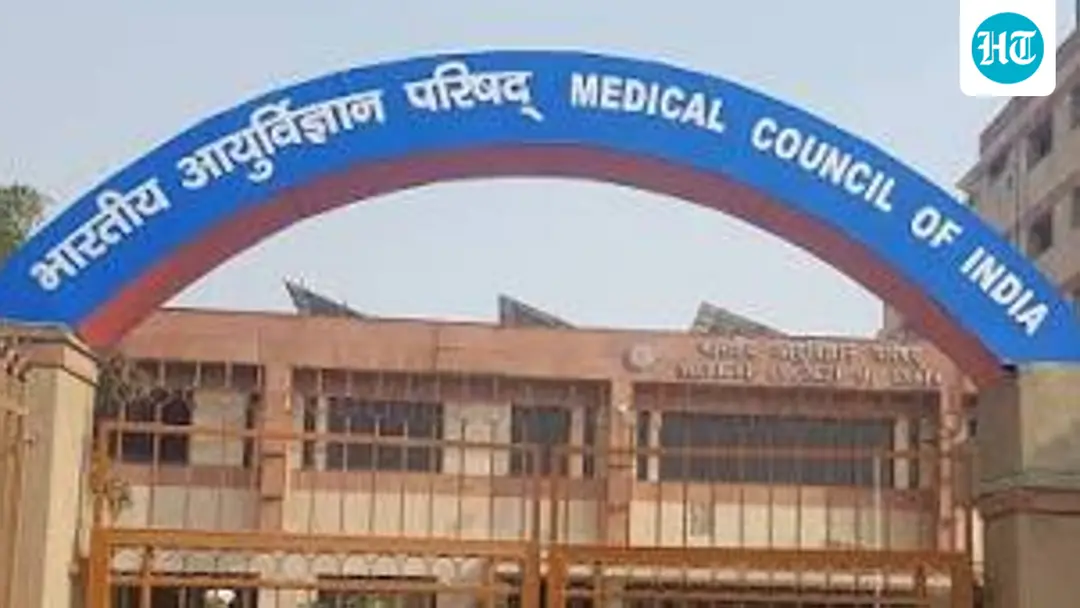
Same-sex, unmarried partners can take medical decisions: NMC to Delhi HC
Same-sex partners and unmarried couples can make medical decisions for a partner during emergencies if nominated or authorised in the event of incapacity, the National Medical Commission told the Delhi High Court in an affidavit on Wednesday. It was filed in response to a petition by Arshiya Takkar against regulation 7.16 of the Indian Medical Council regulations, 2002. Even without prior nomination, a partner may be treated as a "next friend", subject to law, verification and safeguards. Justice Swarana Kanta Sharma's bench will consider it on September 17.
Source
Hindustan Times — India · read the original report ↗
Desk check · compared with the source
What the desk checked (5)
- Same-sex partners and unmarried couples can make medical decisions for an incapacitated partner if nominated or authorised. — Attributed to an NMC affidavit filed in the Delhi High Court on Wednesday; quoted directly in source.
- Petitioner Arshiya Takkar challenged regulation 7.16 of the Indian Medical Council (Professional Conduct, Etiquette and Ethics) Regulations, 2002. — Named petitioner and regulation appear in source; no court document cited beyond the report.
- On August 20 the court questioned the government over exclusion of same-sex and unmarried partners from such decisions. — Date and observation stated in source, attributed to the court.
- NMC cited the October 2023 Supreme Court verdict declining recognition of same-sex marriage and an August 2024 ration card advisory. — Both references appear in source as part of the affidavit's reasoning; figures/dates internally consistent.
- A bench of Justice Swarana Kanta Sharma will consider the affidavit on September 17. — Judge's name and hearing date appear in source; no further attribution given.
Analysts’ view opinion
This is not a court ruling, but politically it is a meaningful step: a government regulator is choosing to expand practical rights administratively while carefully avoiding the contentious question of marriage recognition. The 2023 Supreme Court judgment declined recognition for same-sex marriage yet obliged the state to extend benefits to such relationships — and the NMC explicitly places this affidavit alongside the ration-card advisory and joint bank account clarification. In other words: move forward through regulatory interpretation without rewriting marriage law.
- Reading regulation 7.16 "harmoniously and purposively" avoids the need for legislation, and therefore avoids a parliamentary fight.
- The affidavit follows the court's August 20 questioning of the government, a clear case of judicial pressure accelerating administrative clarity.
- It is a win for the petitioner, but the qualifiers — "applicable law, verification and safeguards" — leave wide discretion with hospitals and doctors in practice.
- Because the framing is confined to emergency medical decisions rather than marital status, strong conservative pushback appears less likely.
- Two constituencies gain politically: rights advocates who secure a concrete entitlement, and the government, which can point out that the definition of marriage is untouched.
What to watch — Watch how Justice Swarana Kanta Sharma's bench treats the affidavit on September 17 — whether it accepts the stated position or presses for explicit guidelines or a circular.
This is a regulator's stated position, not yet a judicial order, and the story does not establish whether regulation 7.16 will be formally amended, how hospitals will apply it, or where other arms of government stand.
Deep dive
Research brief · 8 facts · 6 dates · exam-readyThe brief
Context
Regulation 7.16 of the Indian Medical Council (Professional Conduct, Etiquette and Ethics) Regulations, 2002 requires consent for medical procedures from a husband or wife, parent or guardian, effectively excluding same-sex and unmarried partners from making decisions for an incapacitated patient. Arshiya Takkar petitioned the Delhi High Court seeking guidelines allowing same-sex partners to give consent in medical situations and emergencies. In an affidavit filed on Wednesday, the National Medical Commission — which regulates medical education, professionals, institutes and research — told the court that a nominated or authorised partner cannot be excluded merely because of sex, gender, sexual orientation or the absence of a formally recognised marriage. A bench of Justice Swarana Kanta Sharma will consider the affidavit on September 17.
Key facts
- The NMC told the Delhi High Court in an affidavit filed on Wednesday that same-sex and unmarried partners can make medical decisions in emergencies if nominated or authorised in the event of incapacity.
- The petition by Arshiya Takkar challenges regulation 7.16 of the Indian Medical Council (Professional Conduct, Etiquette and Ethics) Regulations, 2002.
- Regulation 7.16 mandates consent for medical procedures and treatment from a husband or wife, parent, or guardian in the case of a minor or the patient.
- The NMC said clause 7.16 may be read harmoniously and purposively so as not to exclude a duly nominated/authorised partner on grounds of sex, gender, sexual orientation or absence of marriage.
- Even without prior nomination, a partner may be considered a person in a relationship of care or a 'next friend' for medical decision-making, subject to applicable law, verification and safeguards.
- On August 20, the Delhi High Court questioned the government over excluding same-sex partners and unmarried couples from emergency medical decision-making.
- The NMC cited the October 2023 Supreme Court judgment that declined legal recognition to same-sex marriages or civil unions but held the state obligated to recognise such relationships and extend benefits.
- The NMC cited an August 2024 advisory allowing partners in a queer relationship to be treated as members of the same household for ration cards, and the finance ministry's clarification permitting joint bank accounts and queer partners as nominees.
Timeline
- 2002Indian Medical Council (Professional Conduct, Etiquette and Ethics) Regulations notified; regulation 7.16 limits consent to spouse, parent or guardian.
- October 2023Supreme Court declines legal recognition to same-sex marriages or civil unions, but holds the state obligated to recognise such relationships and extend benefits.
- August 2024Advisory allows partners in a queer relationship to be treated as members of the same household for ration cards.
- August 20 (2025)Delhi High Court questions the government on exclusion of same-sex and unmarried partners from emergency medical decisions; says recognition of live-in relationships must carry corresponding rights.
- Wednesday (before September 17)NMC files affidavit in Delhi High Court accepting nominated partners as valid medical decision-makers.
- September 17Bench of Justice Swarana Kanta Sharma to consider the NMC affidavit.
Who has a stake
- National Medical Commission (NMC) — Regulator of medical education, professionals, institutes and research; must clarify how regulation 7.16 applies to non-marital partners.
- Arshiya Takkar (petitioner) — Seeking directions for guidelines allowing same-sex partners to give consent in medical situations and emergencies.
- Delhi High Court bench of Justice Swarana Kanta Sharma — Will consider the affidavit on September 17 and decide on the reading of regulation 7.16.
- Same-sex couples, unmarried and live-in partners — Ability to consent to treatment for an incapacitated partner; the court noted such persons are often targeted or not accepted by society.
- Doctors, hospitals and treating institutions — Need legal clarity on whose consent is valid in emergencies to avoid delay in treatment or liability.
- Union health ministry and finance ministry — Health ministry measures reduce discrimination in healthcare for the queer community; finance ministry has clarified joint accounts and nominations are permitted.
Why it matters
Consent is the gateway to emergency medical treatment, and a rule framed around marriage and blood relations can leave a partner powerless at the bedside. The NMC's position extends the Supreme Court's 2023 direction that the state recognise queer relationships and extend benefits into the practical realm of hospitals. It also opens the door for unmarried and live-in partners to be recognised as caregivers or "next friend" for decision-making.
UPSC angle
Prelims pointers
- Regulation 7.16 of the Indian Medical Council (Professional Conduct, Etiquette and Ethics) Regulations, 2002 governs consent for medical procedures.
- The National Medical Commission regulates medical education, professionals, institutes and research.
- October 2023: Supreme Court declined legal recognition to same-sex marriage/civil unions but held the state must recognise such relationships and extend benefits.
- August 2024 advisory: queer partners can be treated as members of the same household for ration cards.
- Union finance ministry: no restriction on queer community members opening joint bank accounts or naming a queer partner as nominee.
- Delhi HC bench of Justice Swarana Kanta Sharma to hear the NMC affidavit on September 17.
Mains framing
The case exposes a gap between constitutional recognition of intimate association and the administrative rules that govern everyday life: regulation 7.16 of the 2002 medical ethics regulations channels consent through the spouse, parent or guardian, so a same-sex or unmarried partner — often the only person present and the primary caregiver — has no standing during an emergency. The Supreme Court's October 2023 verdict, while declining to recognise same-sex marriage or civil unions, obliged the state to recognise such relationships and extend benefits, and the executive has since acted piecemeal — ration card recognition through the August 2024 advisory, finance ministry clarity on joint accounts and nominees, and health ministry measures that allow friends or close acquaintances to decide for terminally ill patients when next of kin are unavailable. The NMC's affidavit follows this logic by proposing a harmonious and purposive reading of clause 7.16 rather than a fresh statute, recognising nominated or authorised partners and, absent nomination, treating a partner as a person in a relationship of care or "next friend" subject to law, verification and safeguards. The way forward lies in translating this reading into enforceable guidance for hospitals — clear nomination mechanisms, verification protocols to prevent misuse, and training so that emergency care is not delayed by uncertainty over who may consent, as the Delhi High Court's remark that recognition of live-in relationships must carry corresponding rights suggests.
Key terms
- National Medical Commission (NMC)
- Statutory regulator of medical education, medical professionals, institutes and research in India.
- Regulation 7.16
- Provision of the 2002 medical ethics regulations requiring consent from a husband or wife, parent or guardian for procedures and treatment.
- Next friend
- A person permitted to act and decide on behalf of someone unable to do so; NMC says a partner may qualify even without prior nomination.
- Nomination/authorisation
- A competent adult formally designating who may take healthcare decisions on their behalf upon later incapacity.
- Harmonious and purposive reading
- Interpreting a rule alongside the wider legal framework and its object, rather than literally, so it does not produce exclusion.
- October 2023 Supreme Court judgment
- Ruling that refused legal recognition to same-sex marriage or civil unions but held the state must recognise such relationships and extend benefits.
Practice questions
- Discuss how regulation 7.16 of the Indian Medical Council Regulations, 2002 interacts with the Supreme Court's October 2023 ruling on same-sex relationships. Should reform come through judicial interpretation or legislation?
- "Recognition of live-in relationships must be accompanied by corresponding rights." Examine this observation of the Delhi High Court in the context of medical consent and healthcare access.
- What safeguards would be necessary if a partner without prior nomination is treated as a 'next friend' for medical decision-making? Discuss with reference to the NMC's affidavit.
Grounded only in the source report — figures and dates are the source's, not inferred.