
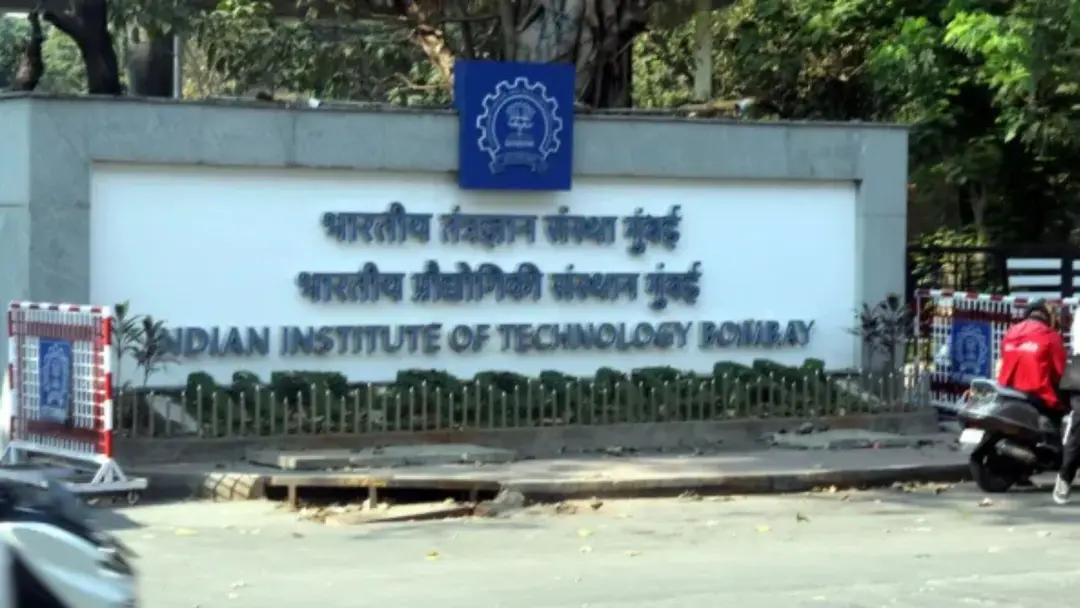
IIT Bombay ends overnight lecture hall access, students raise concerns
With mid-semester examinations underway, IIT Bombay students have raised concerns over late-night study spaces after the institute discontinued keeping Lecture Hall Complex (LHC) rooms open overnight, citing cleanliness, security and littering concerns. Following student demands, four rooms in the Department of Energy Science and Engineering were opened, with students informed by email on September 5. Students said the space lacks sufficient charging points. The administration said the arrangement is temporary and only for the exam session.
Source
Indian Express — Cities · read the original report ↗
Desk check · compared with the source
What the desk checked (5)
- IIT Bombay has discontinued keeping Lecture Hall Complex rooms open overnight during exams — Attributed in the source to the institute's decision and highlighted by student media body Insight; no administration document cited.
- The administration cited cleanliness, security and littering concerns for the closure — Stated in the source as the administration's reasoning; not directly quoted.
- Four rooms in the Department of Energy Science and Engineering were opened as an alternative, communicated by email on September 5 — Date and arrangement appear in the source; email not reproduced.
- Students say the space is inadequate and lacks sufficient charging points — Based on quotes from unnamed students.
- The institute said the arrangement is temporary and only for the exam session — Directly quoted from the administration in the source.
Analysts’ view opinion
This looks like a minor campus housekeeping call, but it is a classic policy-design problem: a measure taken to cut institutional costs — cleanliness and security — has undercut the core benefit, which is study access for students. Keeping the LHC open at night had effectively become an informal welfare facility, and the real flaw is withdrawing it before a workable substitute was in place. Opening four rooms after students pushed back is a reactive patch, not a solution.
- The institute's stated reasons — littering, security, cleanliness — are legitimate, but the answer to them is supervision, cleaning staff and usage rules, not shutting the facility down.
- The burden falls unevenly: those hit hardest are students in hostels with little study space and weak or no Wi-Fi, not the campus as a whole.
- The complaint about charging points signals that the standard for a 'study space' has shifted in a digital-first academic environment — power and connectivity are now infrastructure, not extras.
- Informing students by email on September 5 and offering more rooms 'depending on demand' reflects a governance style of adjusting after the fact rather than consulting before the decision.
- Calling the arrangement temporary and limited to the exam session leaves the longer-term policy unsettled — what happens to night study access after exams is not spelt out.
What to watch — Watch whether additional rooms and charging points actually materialise as demand rises, and whether the institute frames a durable policy on overnight study space once exams end.
The story does not establish how many students are affected, how serious the security and cleanliness problems were, or whether student representatives were consulted before the decision was taken.
Deep dive
Research brief · 8 facts · 5 dates · exam-readyThe brief
Context
IIT Bombay has traditionally kept rooms in its Lecture Hall Complex (LHC) open through the night and early morning during examination periods, giving students a quiet, well-connected place to study. This semester, with mid-semester exams underway, the administration discontinued the overnight access, citing cleanliness, security and littering concerns. After student representatives raised the issue, four rooms in the Department of Energy Science and Engineering were opened as an alternative, communicated to students by email on September 5. Students say the substitute space is inadequate, chiefly because of too few charging points for laptops and tablets on which most study material now resides.
Key facts
- IIT Bombay discontinued its practice of keeping Lecture Hall Complex (LHC) rooms open overnight during examinations this semester.
- The administration cited cleanliness, security and littering concerns as reasons for the night closure of the LHC.
- Four rooms in the Department of Energy Science and Engineering were opened as an alternative study space after student demands.
- Students were informed of the alternative arrangement through an email on September 5, which said more rooms could be opened depending on demand.
- Students said the main problem is not space but a lack of sufficient charging ports for laptops and tablets.
- The LHC was especially useful for students in hostels with limited study space and poor or no Wi-Fi connectivity.
- The administration said the arrangement is temporary and only for the exam session, to ensure smooth conduct of exams.
- The issue was highlighted by Insight, IIT Bombay's student media body.
Timeline
- Earlier semesters (traditionally)LHC rooms at IIT Bombay remained open late into the night and early morning during examinations.
- This semesterAdministration decided to close the LHC at night, citing cleanliness, security and littering concerns.
- After discussions with student representativesFour rooms in the Energy Science and Engineering department building were opened as an alternative.
- September 5Students informed by email about the alternative rooms; additional rooms promised depending on demand.
- OngoingMid-semester examinations underway; students continue to flag inadequate charging points and study space.
Who has a stake
- IIT Bombay students, especially hostel residents — Access to quiet overnight study space with electricity and Wi-Fi during mid-semester exams.
- IIT Bombay administration — Balancing student demand for 24-hour study access against cleanliness, security and littering concerns.
- Department of Energy Science and Engineering — Hosting four rooms as temporary alternative study space during the exam session.
- Insight, IIT Bombay's student media body — Highlighting the withdrawal of overnight LHC access and voicing student grievances.
- Student representatives — Negotiated with the administration and secured the four alternative rooms.
Why it matters
Study infrastructure is a core part of student welfare in residential higher-education institutions, and access to power points and Wi-Fi has become as essential as desk space now that lecture notes, coding assignments and book PDFs are all digital. The episode shows how a routine facilities decision on cleanliness and security can affect academic preparation for thousands of students, and how student media and representatives function as a channel for grievance redressal on campus.
UPSC angle
Prelims pointers
- Lecture Hall Complex (LHC) is the shared teaching-block facility at IIT Bombay that was earlier kept open overnight during exams.
- Insight is the student media body of IIT Bombay that reported the discontinuation of overnight LHC access.
- Four rooms in IIT Bombay's Department of Energy Science and Engineering were opened as temporary alternative study space.
- Students were informed of the alternative arrangement by email dated September 5.
- Reasons cited by the administration for closing the LHC at night: cleanliness, security and littering.
- As per a related report, IIT Bombay's placement rate dipped to 70% with average salary of Rs 26.45 lakh.
Mains framing
The IIT Bombay case illustrates the tension between campus facility management and student academic needs in India's residential technical institutions. The administration's withdrawal of overnight Lecture Hall Complex access rests on legitimate concerns of cleanliness, security and littering, but the decision exposed an underlying infrastructure gap: hostels with limited study space and poor or no Wi-Fi push students to shared academic buildings, and the shift to digital study material (lecture notes, coding assignments, book PDFs, online explanations) makes charging ports and connectivity non-negotiable. The compromise reached, four rooms in the Department of Energy Science and Engineering opened after talks with student representatives and notified by email on September 5, shows that institutional grievance channels and student media (Insight) can produce quick responses, but students' complaint that the space lacks sufficient charging points suggests that ad hoc, exam-session-only measures do not address the structural need. A durable way forward, consistent with what the source records, would involve assessing demand-based room allocation as the September 5 email itself envisaged, upgrading hostel study and Wi-Fi facilities, and pairing 24-hour access with clear housekeeping and security protocols rather than blanket closure.
Key terms
- Lecture Hall Complex (LHC)
- IIT Bombay's block of lecture rooms, traditionally kept open late at night and early morning for students during exams.
- Insight
- The student media body of IIT Bombay, which highlighted the discontinuation of overnight LHC access.
- Department of Energy Science and Engineering
- IIT Bombay department whose building hosts the four rooms opened as temporary alternative study space.
- Mid-semester examinations
- The ongoing exam cycle during which the demand for overnight study space arose.
- Student representatives
- Elected or designated student bodies that negotiated with the administration for alternative study rooms.
Practice questions
- Access to study infrastructure, power and connectivity has become central to student welfare in residential higher-education institutions. Examine with reference to the recent decision at IIT Bombay.
- How can institutions balance campus security and hygiene concerns with round-the-clock academic access for students? Suggest practical measures.
- Discuss the role of student media and student representative bodies in institutional grievance redressal in Indian higher education.
Grounded only in the source report — figures and dates are the source's, not inferred.