
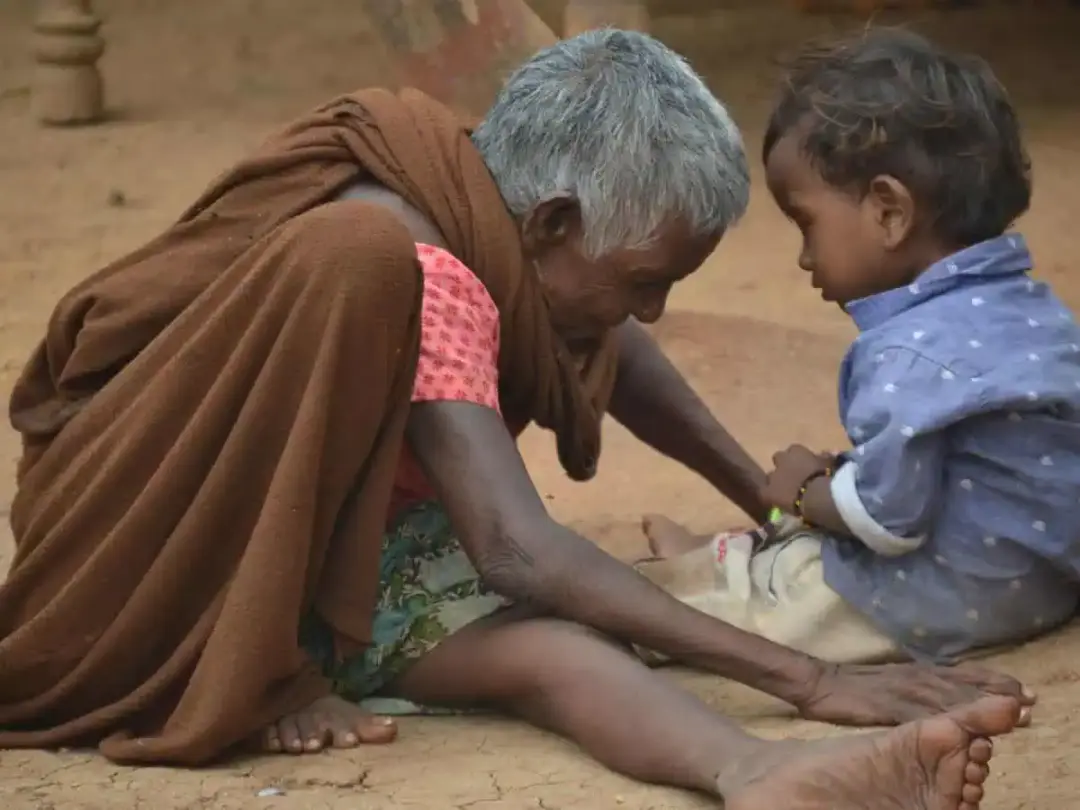
Chenchu relocation from Nallamala: past resettlements lacked support
The Nagarkurnool district administration and forest department are working to relocate Chenchu tribes from the Nallamala forests to buffer zones such as Amrabad. Around 35 families from Kollampenta moved there during anti-Naxal operations in the late 1990s without any rehabilitation package, and now number over 100 families, resident Anjaiah said. Chenchus are being offered Rs 15 lakh one-time compensation or five acres of land. A High Court judgement on 163 disputed acres at Kandlakunta may come on July 18.
Source
Nagarkurnool — jobs · read the original report ↗
Desk check · some claims need care
What the desk checked (5)
- Around 35 families from Kollampenta were relocated to Amrabad mandal headquarters with no rehabilitation package, and have since grown to over 100 families — Attributed to Anjaiah, a relocated Chenchu, speaking to Siasat.com; figures appear in source, not independently verifiable
- Chenchus are being offered Rs 15 lakh one-time compensation or five acres in Bacharam village, Peddakothapally mandal — Figure appears in source but no official named as the source of the offer
- Forest officials demolished pukka houses in Rayaletipenta last year after residents refused to relocate — Stated by the reporter without named attribution; requires official confirmation
- 163 of 500 acres of forest land at Kandlakunta are under litigation, with a High Court judgement reserved and expected on July 18 — Figures appear in source; date given without a case reference or court citation
- Around 500 families from core and buffer zone villages have agreed to relocate, mostly from other communities including Lambadas — Attributed only to unnamed 'sources'
Analysts’ view opinion
This is not merely a forest-administration matter; politically it is a trust-deficit story. The report notes that around 35 families who moved from Kollampenta during the late-1990s anti-insurgency operations received no rehabilitation package — that memory is precisely why the current offer of Rs 15 lakh or five acres is viewed with suspicion. For the "softer approach" now being taken to succeed, credibility of delivery will matter more than the headline size of the package.
- The past has become a political liability: where relocation once happened without rehabilitation, any new package will be read through that lens.
- The binary of Rs 15 lakh or five acres is administratively convenient, but beneficiaries argue land is meaningless without implements, bulls and seeds.
- The High Court verdict on 163 disputed acres at Kandlakunta, which the story says could come on July 18, may widen or narrow the government's room for manoeuvre.
- The suggestion of forest department jobs — echoing the NTR-era practice — offers a less contentious political route by making Chenchus stakeholders in forest protection.
- The complaint that the ITDA is dysfunctional invites criticism of the tribal welfare machinery, and continued refusal by core-area families could turn into allegations of coerced displacement.
What to watch — Watch the July 18 High Court judgment and what the roughly 500 families who have agreed to move actually receive — that will decide whether this exercise holds politically or backfires.
The story does not establish the government's stated reasons for the relocation, nor any party positions, electoral calculations or implementation details of the compensation.
Deep dive
Research brief · 8 facts · 6 dates · exam-readyThe brief
Context
The Chenchus, a Particularly Vulnerable indigenous community, have lived for generations inside the Nallamala forests, now part of the Amrabad Tiger Reserve in Telangana's Nagarkurnool district. Some were pushed out during anti-Naxal operations in the late 1990s without any rehabilitation package, and their descendants still live in makeshift settlements in Amrabad mandal headquarters. The district administration and forest department are now again pushing for relocation of Chenchu families from forest habitations (pentas) to buffer zones, offering either Rs 15 lakh compensation or five acres of land. The earlier, unsupported resettlement is being read as a warning of what a fresh exercise could mean.
Key facts
- Around 35 families from Kollampenta were forced to relocate to Amrabad mandal headquarters during late-1990s anti-insurgency operations, with no rehabilitation or resettlement package.
- Those 35 families have since grown to more than 100 families, still living in similar conditions with open defecation and makeshift bathrooms.
- Houses built earlier under the Indiramma Illu scheme are now in a dilapidated state.
- Chenchus are being offered two choices: Rs 15 lakh one-time compensation, or five acres of land in Bacharam village of Peddakothapally mandal in Kollapur, or elsewhere.
- Of 500 acres of forest land at Kandlakunta in Amrabad mandal, about 163 acres are under litigation between the forest department and locals including Chenchus and Lambadas; the High Court judgement was reserved and could come on July 18.
- Around 500 families from villages in core and buffer areas have agreed to relocate, most from other communities including Lambadas, according to sources.
- Last year forest officials demolished decades-old pukka houses in Rayaletipenta after Chenchus there refused to relocate.
- Chenchus of Kommanipenta, Rayaletipenta and Thatigundala fled to Macharam, Vatwarlapally, Sarlapalli, Kudichintalabailu and other villages during the violence.
Timeline
- 1980s (NT Rama Rao's regime)State government gave jobs to a few Chenchus as forest beat officers and forest section officers; they are now close to retirement.
- Late 1990sAnti-insurgency operations; around 35 Kollampenta families relocate to Amrabad with no rehabilitation package; some Chenchus died while escaping.
- 2006 onwardsAfter Naxals were wiped out under the YS Rajasekhara Reddy government and pattas were granted under the Forest Rights Act, 2006, Chenchus began living both inside the forest and in an undesignated slum in Amrabad.
- Last yearForest officials demolished pukka houses in Rayaletipenta as residents refused to relocate.
- PresentNagarkurnool district administration and forest department push relocation to buffer zones like Amrabad, offering Rs 15 lakh or five acres.
- July 18High Court judgement on the 163 disputed acres at Kandlakunta may be delivered.
Who has a stake
- Chenchu families in Nallamala pentas (Kollampenta, Kommanipenta, Rayaletipenta, Thatigundala, Appapur, Pullaipally) — Loss of forest homes and land rights versus promised compensation or land; risk of repeating an unsupported resettlement.
- Forest department / Nagarkurnool district administration — Seeking complete alienation of Chenchu lands inside forest dwellings and their settlement in buffer zones.
- Rohith Gopidi, District Forest Officer and Project Officer, ITDA Mannanur — Suggests a policy decision to give forest department jobs to eligible persons from every Chenchu penta in the Amrabad Tiger Reserve core area.
- ITDA (Integrated Tribal Development Agency) — Criticised by a Chenchu women's SHG president as 'totally dysfunctional' and unreachable on welfare schemes.
- Telangana High Court — Its reserved judgement on 163 acres at Kandlakunta will decide whether villagers or the forest department hold the land, affecting resettlement options.
- Lambadas and other local communities — Party to the Kandlakunta land litigation; form most of the 500 families that have agreed to relocate.
- Thokala Guruvaiah, Chenchu leader — Argues leftover Kandlakunta forest land should go to Chenchus of the affected pentas if the court favours villagers.
Why it matters
The story shows that relocation without inputs — houses, land, bulls, implements, seeds — can convert forest-dwelling tribal communities into landless wage labourers and 'outsiders' in their own lands. With the Forest Rights Act, 2006 having granted pattas in native pentas, the fresh push to make Chenchus alienate those lands raises questions of consent, compensation adequacy and the functioning of tribal welfare machinery like the ITDA. It is a test case for how conservation in tiger reserves is balanced against constitutionally protected tribal rights.
UPSC angle
Prelims pointers
- Chenchus are indigenous tribes of the Nallamala forests; Amrabad Tiger Reserve lies in Nagarkurnool district, Telangana.
- Forest Rights Act, 2006 — under it Chenchus were granted pattas for lands in their native pentas.
- 'Penta' is the local term for a Chenchu forest habitation/hamlet.
- Relocation offer: Rs 15 lakh one-time compensation OR five acres of land (Bacharam village, Peddakothapally mandal, Kollapur).
- Kandlakunta, Amrabad mandal: 500 acres of forest land, of which about 163 acres are in litigation; HC judgement expected July 18.
- ITDA Mannanur — the Integrated Tribal Development Agency whose project officer is also the District Forest Officer.
Mains framing
The proposed relocation of Chenchus from the core of the Amrabad Tiger Reserve illustrates the unresolved tension between wildlife conservation and the rights of forest-dwelling tribes. The cause lies in a long history of displacement: anti-insurgency operations in the late 1990s drove about 35 Kollampenta families to Amrabad with no rehabilitation package, and two decades later, over 100 families live in an undesignated slum with dilapidated Indiramma Illu houses, leasing out their patta lands to 'outsiders' for paltry sums and working as daily wage labourers. The implications of repeating this are visible: compensation of Rs 15 lakh or five acres, without bulls, implements, seeds and housing, may not translate into self-reliance, while coercive steps such as the demolition of pukka houses in Rayaletipenta undermine the consent-based framework of the Forest Rights Act, 2006. A dysfunctional ITDA deepens the gap between entitlements and access. The way forward suggested within the story is twofold: a judicial resolution of the Kandlakunta land dispute that could free land for landless Chenchus, and a policy decision — on the lines of the 1980s appointments of Chenchus as forest beat and section officers — to employ one person from each penta in the forest department, making relocated families stakeholders in forest protection while their children access education outside.
Key terms
- Chenchu
- Indigenous tribal community that has lived in the Nallamala forests for ages, now in Telangana's Nagarkurnool district.
- Penta
- A Chenchu forest hamlet or habitation, such as Kollampenta, Rayaletipenta, Kommanipenta and Appapur penta.
- Forest Rights Act, 2006
- Law under which Chenchus received pattas (land titles) for lands in their native forest habitations.
- ITDA
- Integrated Tribal Development Agency; the Mannanur ITDA's project officer is also the district forest officer.
- Indiramma Illu
- Housing scheme under which relocated Chenchus earlier built houses, now in a dilapidated state.
- Amrabad Tiger Reserve
- Protected area in Nallamala whose core areas host Chenchu pentas targeted for relocation to buffer zones.
Practice questions
- Examine how the Forest Rights Act, 2006 interacts with relocation of tribal families from tiger reserve core areas, using the case of the Chenchus of Nallamala.
- 'Compensation without livelihood inputs is displacement by another name.' Critically evaluate in the light of past Chenchu resettlements in Amrabad.
- Discuss how tribal communities can be made stakeholders in forest protection rather than obstacles to conservation.
Grounded only in the source report — figures and dates are the source's, not inferred.