
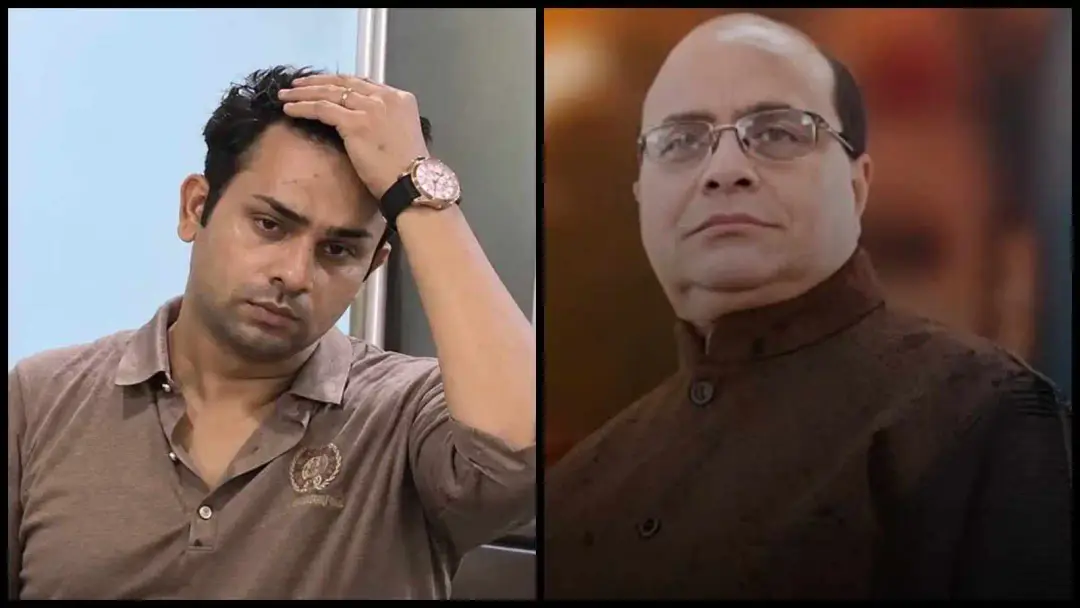
Son arrested as mastermind in Kanpur businessman's murder
Police on Thursday arrested Subrat, 32, son of Kanpur pharmaceutical businessman Vineet Minocha, alleging he hired men to kill his father and then tried to pin the crime on his wife, Shalu. Vineet was found dead in his Kalyanpur flat on September 6 with 26 stab wounds. Police cited resentment over his father's control and debt of about Rs 40 lakh. DCP SM Qasim Abidi called Subrat the mastermind. Shalu's role is being re-verified for exoneration.
Source
Indian Express — Cities · read the original report ↗
Desk check · some claims need care
What the desk checked (5)
- Vineet Minocha was found dead in his Kalyanpur flat on September 6 with 26 stab wounds — Figure and date appear in source, attributed to police account
- Son Subrat, 32, was arrested as the alleged mastermind who hired men to kill his father — Attributed to police, including DCP SM Qasim Abidi's on-record quote
- Subrat held seven credit cards and debt of about Rs 40 lakh, spent on betting, partying and gambling — Attributed to ACP Dileep Kumar Singh and to Subrat's statement during questioning; unverified confession material
- Police will re-verify Shalu's role before seeking her exoneration in court — Attributed to police; outcome pending, no court order cited
- Subrat allegedly planned the killing with Vishal Gautam over five months in the pharmacy basement — Attributed to investigators; based on custodial questioning, not independently documented in source
Analysts’ view opinion
This is a case that has effectively inverted itself mid-investigation: the person police originally arrested as a facilitator is now the person they say they will ask a court to clear, while the deceased's son is named as the mastermind. Legally, the crucial point is that a confession made in police custody carries very limited evidentiary value on its own in Indian criminal procedure — what will decide this case is the corroborative material: the key handover, the CCTV that stopped recording, call-detail patterns and witness statements about the thefts and the debt. Equally important is that exoneration is not a police decision; it requires the investigating agency to place its revised conclusion before the court, which alone can discharge or acquit.
- Police narratives at the arrest stage are allegations, not findings — Subrat, Shalu, Vishal and Raj Kishore all retain the presumption of innocence until a trial court rules.
- Custodial admissions are treated with caution under Indian evidence law, so the case will likely turn on independent corroboration rather than what accused persons said during remand questioning.
- The story's strongest circumstantial strands, as described by police, are the alleged key handover, the disabled CCTV recording, the near-daily contact with Vishal and the unexplained Rs 40 lakh debt.
- Shalu's position raises real rights questions: she was arrested a day after the killing largely on a co-accused's account, never admitted guilt, and police now say they will move court to have her exonerated.
- One co-accused implicating another is, by itself, weak legal ground — which is why the reversal here matters as much procedurally as it does dramatically.
What to watch — Watch whether police file a closure or revised report on Shalu's role and how the court responds, and whether the chargesheet against Subrat rests on material evidence rather than his alleged admission.
Nothing here establishes guilt or innocence for anyone: the account is entirely police-sourced at the investigation stage, no charges have been tested in court, and the story does not include any response from Subrat or his lawyer.
Deep dive
Research brief · 8 facts · 7 dates · exam-readyThe brief
Context
Vineet Minocha, a pharmaceutical businessman in Kanpur who ran a pharmacy on Birhana Road, was found stabbed 26 times in his first-floor flat at the Ratan Orbit complex in Kalyanpur on September 6. Police initially arrested his daughter-in-law Shalu along with two men, Vishal Gautam (a former employee of the pharmacy) and Raj Kishore, who allegedly carried out the stabbing. On Thursday, the case turned when police arrested Vineet's 32-year-old son Subrat, calling him the mastermind who allegedly hired the killers and then sought to shift the blame on to his wife. Police cite Subrat's roughly Rs 40 lakh debt and resentment at his father's control as the motive.
Key facts
- Vineet Minocha was found dead in his first-floor flat at Ratan Orbit complex, Kalyanpur, on September 6, with 26 stab wounds.
- Police arrested his son Subrat, 32, on Thursday, calling him the mastermind who allegedly hired men to kill his father.
- Daughter-in-law Shalu and alleged stabbers Vishal Gautam and Raj Kishore were arrested the day after the murder; Vishal was a former employee at Vineet's pharmacy on Birhana Road.
- ACP Kanpur Dileep Kumar Singh said Subrat held seven credit cards and was under debt of around Rs 40 lakh, including loans and money from private lenders.
- Subrat told police the Rs 40 lakh had gone into betting, partying and gambling; his father gave him Rs 40,000 a month for expenses.
- Police said Subrat and Vishal had been planning the killing for the past five months, speaking two to three times a day but discussing the plan only in the pharmacy basement.
- The original plan was to strangle Vineet in his sleep; Subrat admitted giving Vishal the house key, and Vishal was to be let in under the name 'Shubham'.
- CCTV recording at the house was stopped on the day of the murder; Subrat first blamed Shalu's instructions, then said he could not recall who asked him.
Timeline
- About five months before the murderSubrat and Vishal Gautam allegedly began planning the killing, meeting in the pharmacy basement.
- Day of the murderCCTV recording installed at the house was stopped.
- September 6Vineet Minocha found dead in his Kalyanpur flat with 26 stab wounds.
- September 7 (the next day)Police arrest daughter-in-law Shalu and alleged assailants Vishal Gautam and Raj Kishore.
- During police custody remandThe three accused are questioned and confronted face-to-face with Subrat, who then admits to the crime, police say.
- ThursdayPolice arrest Subrat as the alleged mastermind; decide to re-verify Shalu's role before seeking her exoneration.
- Today at noonThe 24-hour police custody remand of Shalu, Vishal and Raj Kishore is set to end.
Who has a stake
- Subrat, 32 — Arrested as the alleged mastermind in his father's murder; faces trial on the basis of his alleged confession and evidence collected.
- Shalu — Arrested a day after the murder and implicated by Vishal; police now plan to re-verify her role and move court for her exoneration.
- Vishal Gautam and Raj Kishore — Accused of stabbing Vineet Minocha; Vishal allegedly hired by Subrat and initially implicated Shalu.
- Kanpur Police (DCP SM Qasim Abidi, ACP Dileep Kumar Singh) — Credibility of the investigation, which shifted from the daughter-in-law to the son after custodial questioning.
- Vineet Minocha's family and pharmacy staff — Loss of the family head and business owner; staff allegedly involved in the thefts of medicines that preceded the crime.
Why it matters
The case shows how an early line of investigation can wrongly centre on one family member — here the daughter-in-law — before evidence points elsewhere, raising questions about premature arrests and reliance on co-accused statements. It also highlights the ordinary drivers behind a violent intra-family crime: unsecured borrowing across seven credit cards and private lenders, gambling and betting losses, and friction over control of a family business.
UPSC angle
Prelims pointers
- Vineet Minocha, Kanpur pharmaceutical businessman, found murdered on September 6 with 26 stab wounds at Ratan Orbit complex, Kalyanpur.
- Deputy Commissioner of Police, Kanpur: SM Qasim Abidi; Assistant Commissioner of Police, Kanpur: Dileep Kumar Singh.
- Police Custody Remand (PCR): the accused were on a 24-hour police custody remand during which confrontation-based questioning took place.
- Alleged motive: resentment at father's control plus about Rs 40 lakh debt across seven credit cards, loans and private lenders.
- Police must move court to have an arrested accused (Shalu) exonerated after re-verifying her role.
Mains framing
The Kanpur case is a study in how investigative direction is set in the first hours of a murder inquiry and how hard it is to reverse. Acting on the statement of an arrested assailant who claimed the daughter-in-law had handed over the house key and planned the killing, police arrested Shalu within a day; only after the accused were confronted face-to-face during police custody remand did the son emerge, in the police account, as the mastermind who had given the key himself and had stopped the household CCTV recording. The causes police cite are economic and relational — about Rs 40 lakh of debt across seven credit cards, loans and private lenders, spent on betting, partying and gambling, against a monthly allowance of Rs 40,000, and repeated public reprimands after alleged thefts of medicines from the family pharmacy. The implications are twofold: the reputational and liberty cost borne by a person arrested on a co-accused's uncorroborated claim, and the evidentiary weight now placed on confrontation-based confessions, which must be backed by independent material at trial. The way forward suggested by the source is procedural: re-verification of Shalu's role and a move before the court for her exoneration, with the case against Subrat built on the evidence collected rather than statements alone.
Key terms
- Police Custody Remand (PCR)
- Court-granted period during which an arrested accused stays in police custody for questioning; here a 24-hour remand for three accused.
- Mastermind
- Term used by DCP SM Qasim Abidi for Subrat, alleging he planned and arranged the murder rather than executing it himself.
- Exoneration
- Formal clearing of an accused; police plan to approach the court to have Shalu exonerated after re-verifying her role.
- Private lenders
- Non-institutional moneylenders from whom Subrat allegedly borrowed, part of his approximately Rs 40 lakh debt.
- Confrontation (face-to-face questioning)
- Investigative technique of putting accused persons together to test contradictory claims; led to Subrat's alleged admission.
Practice questions
- Early arrests based largely on a co-accused's statement can cause irreversible harm to the innocent. Discuss with reference to the safeguards available in Indian criminal procedure.
- Examine the evidentiary value of confessions made during police custody remand and the need for corroborative material in murder investigations.
- Unsecured consumer credit, betting and gambling are emerging drivers of financial distress crime in Indian cities. Analyse the policy responses required.
Grounded only in the source report — figures and dates are the source's, not inferred.