
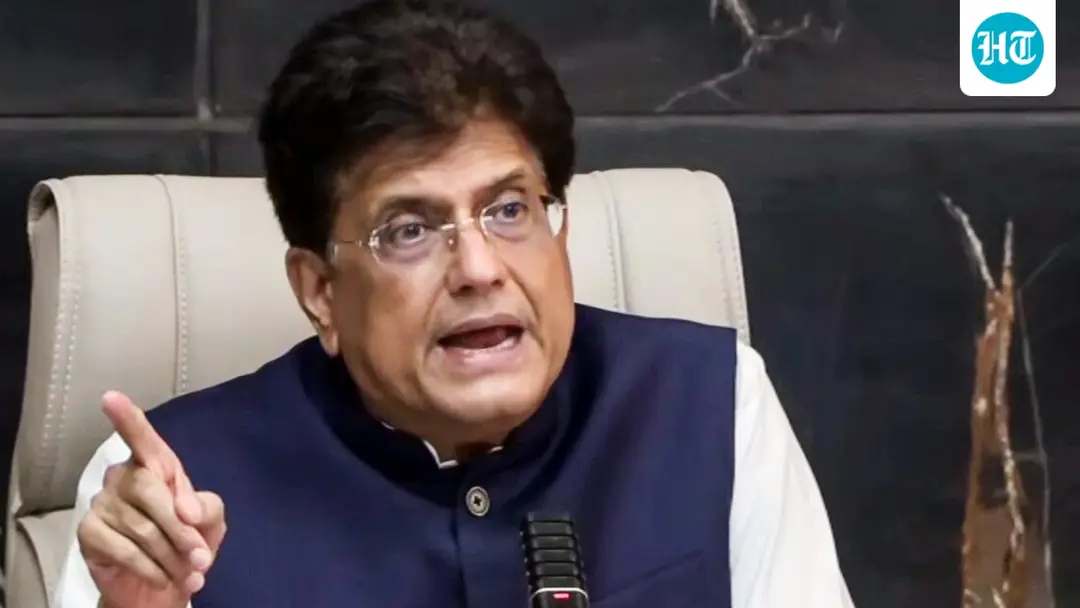
India-New Zealand free trade agreement to take effect October 20
The India-New Zealand Free Trade Agreement will come into force on October 20, coinciding with Dussehra, Commerce and Industry Minister Piyush Goyal said on Monday. Signed on April 27, the pact gives duty-free access for 100 per cent of India's exports to New Zealand from day one and facilitates USD 20 billion of New Zealand investment in India over 15 years. Dairy, onions, chickpeas, peas, corn, almonds, artificial honey and sugar are excluded. Both sides aim to double two-way trade to NZ$7 billion (about ₹35,000 crore) by 2030.
Source
Hindustan Times — India · read the original report ↗
Desk check · compared with the source
What the desk checked (5)
- India-New Zealand FTA comes into force on October 20. — Attributed to Piyush Goyal; his quote specifies October 20, 2026 (Dussehra), while the headline gives only the date — year inconsistency within source.
- Agreement was signed on April 27 and gives duty-free access for 100% of India's exports to New Zealand from entry into force. — Figure and date appear in source, attributed to Goyal at a press interaction.
- New Zealand has committed USD 20 billion of investment in India over 15 years. — Stated twice in source, attributed to Goyal.
- Both sides aim to double two-way trade to NZ$7 billion (about ₹35,000 crore) by 2030; 2025-26 bilateral trade was USD 1.1 billion. — Figures appear in source without direct attribution to a named official.
- Dairy, onions, chickpeas, peas, corn, almonds, artificial honey and sugar are excluded from the deal. — Attributed to the minister in the source.
Analysts’ view opinion
Economically this is a low-risk, moderate-reward deal for India. With bilateral trade at just about USD 1.1 billion, the near-term macro impact will be small — the real story is the USD 20 billion of investment promised over 15 years, if it materialises. Keeping dairy, onions, chickpeas and sugar out of the pact spares Indian farmers, especially the dairy sector, from price pressure.
- The immediate gainers are exporters in textiles and apparel, leather and footwear, gems and jewellery, engineering goods and processed foods as New Zealand's peak tariffs of up to 10 per cent go, and these are labour-intensive, job-creating sectors.
- Duty-free access to inputs such as wooden logs, coking coal and metal scrap lowers input costs for Indian manufacturers and sharpens their competitiveness in third markets too.
- Who gains: Indian exporters and input-using industries; on New Zealand's side, preferential access to one of the world's large, fastest-growing markets.
- Excluding dairy is economically the most consequential carve-out, since millions of small Indian farmers depend on it and import pressure could have weighed on domestic milk prices.
- But the 2030 target of doubling trade and the USD 20 billion investment figure are goals and commitments, not guarantees — the story does not establish that they are contractually enforceable.
What to watch — Watch export numbers in textiles and engineering goods over the first few quarters after October 20, and whether the proposed investment 'desk' translates into actual recorded FDI inflows.
The story does not establish how much additional export volume or how many jobs the tariff removal will actually generate, nor in what form or under what conditions the USD 20 billion investment would arrive.
Deep dive
Research brief · 8 facts · 6 dates · exam-readyThe brief
Context
India and New Zealand signed a Free Trade Agreement on April 27, and Commerce and Industry Minister Piyush Goyal announced on Monday that it will enter into force on October 20, coinciding with Dussehra. The deal gives duty-free access for 100 per cent of India's exports to New Zealand from the first day and carries a New Zealand commitment to invest USD 20 billion in India over 15 years. Sensitive Indian farm items such as dairy, onions, pulses and sugar have been kept out. Bilateral trade stood at USD 1.1 billion in 2025-26, and both sides want two-way goods and services trade doubled to NZ$7 billion (about Rs 35,000 crore) by 2030.
Key facts
- The India-New Zealand FTA enters into force on October 20, described by Goyal as coinciding with Dussehra; the agreement was signed on April 27.
- The pact provides duty-free access for 100 per cent of India's exports to New Zealand from the date of entry into force.
- New Zealand has committed to invest USD 20 billion in India over the next 15 years.
- New Zealand currently maintains peak tariffs of up to 10 per cent on Indian goods such as ceramics, carpets, automobiles and auto components.
- Sensitive sectors excluded from the deal: dairy, onions, chickpeas, peas, corn, almonds, artificial honey and sugar.
- Both sides aim to double two-way trade in goods and services to NZ$7 billion (about Rs 35,000 crore) by 2030; bilateral trade was USD 1.1 billion in 2025-26.
- The agreement establishes an agricultural productivity partnership pairing New Zealand's technology with India's scale and growing demand.
- Indian manufacturers get tariff-free access to critical inputs including wooden logs, coking coal and metal scrap.
Timeline
- April 27India and New Zealand sign the Free Trade Agreement.
- Not dated in the sourceThe trade deal passes in the New Zealand parliament, with 95 per cent of exports to get tariff cuts.
- Monday (announcement day)Goyal announces the entry-into-force date during a video conference with New Zealand Trade and Investment Minister Todd McClay in New Delhi.
- October 20FTA comes into force, on Dussehra.
- By 2030Target of doubling two-way goods and services trade to NZ$7 billion (about Rs 35,000 crore).
- Over 15 years from entry into forceNew Zealand's USD 20 billion investment commitment to India to be realised.
Who has a stake
- Ministry of Commerce and Industry / Piyush Goyal — Must ensure FTA provisions translate into tangible benefits; plans a dedicated desk for the India-New Zealand investment partnership.
- New Zealand government / Trade Minister Todd McClay — Secures preferential access to the large, fastest growing economy; calls it a high quality agreement giving business confidence.
- Indian labour-intensive exporters — Textiles and apparel, leather and footwear, gems and jewellery, engineering goods and processed foods gain as peak tariffs of up to 10 per cent are eliminated.
- Indian farmers and dairy producers — Protected, as dairy, onions, chickpeas, peas, corn, almonds, artificial honey and sugar are excluded from tariff concessions.
- Indian manufacturers — Tariff-free access to inputs like wooden logs, coking coal and metal scrap to sharpen global competitiveness; capital and technology via FDI.
- New Zealand companies — Preferential entry into the Indian market and investment opportunities in Indian manufacturing.
Why it matters
The FTA removes New Zealand tariffs of up to 10 per cent on Indian goods immediately, giving Indian exporters an edge over competitor nations in the Wellington market while protecting politically sensitive farm and dairy items. It also anchors USD 20 billion of promised New Zealand investment over 15 years and an agricultural productivity partnership, at a time both ministers flagged global economic uncertainty. With bilateral trade at just USD 1.1 billion in 2025-26, the deal signals India's push to expand market access through bilateral pacts.
UPSC angle
Prelims pointers
- India-New Zealand FTA: signed April 27; enters into force October 20 (Dussehra).
- Duty-free access for 100 per cent of India's exports to New Zealand from day one of entry into force.
- New Zealand investment commitment: USD 20 billion over 15 years in India.
- Exclusions: dairy, onions, chickpeas, peas, corn, almonds, artificial honey, sugar.
- Trade target: NZ$7 billion (about Rs 35,000 crore) in goods and services by 2030; 2025-26 trade was USD 1.1 billion.
- Signatory ministers: Piyush Goyal (India) and Todd McClay (New Zealand Trade and Investment Minister).
Mains framing
India's FTA with New Zealand illustrates the current template of Indian trade negotiation: full and immediate tariff elimination on Indian exports, carve-outs for politically sensitive agriculture, and investment plus technology commitments attached to market access. The gains are concentrated in labour-intensive sectors such as textiles and apparel, leather and footwear, gems and jewellery, engineering goods and processed foods, where New Zealand's peak tariffs of up to 10 per cent disappear, while duty-free imports of wooden logs, coking coal and metal scrap lower input costs for Indian manufacturers. The exclusion of dairy, onions, pulses, corn, almonds, artificial honey and sugar shields smallholder livelihoods, the standing red line in India's dairy-related trade talks. The constraint is scale: bilateral trade was only USD 1.1 billion in 2025-26 against a NZ$7 billion goal for 2030, so realising benefits depends on utilisation by exporters, delivery of the USD 20 billion investment pledge over 15 years, and the agricultural productivity partnership matching New Zealand technology to Indian scale. Goyal's proposed dedicated investment desk and sustained outreach to businesses are the operational steps that will decide whether preferential access converts into actual trade and capital flows.
Key terms
- Free Trade Agreement (FTA)
- A pact between countries to reduce or eliminate tariffs and ease trade and investment, here covering goods, services and investment.
- Entry into force
- The date a signed agreement legally takes effect; for this FTA, October 20, after signature on April 27.
- Peak tariff
- The highest duty rate applied on a product; New Zealand's peak tariffs of up to 10 per cent on Indian goods are being eliminated.
- Sensitive sectors / exclusion list
- Products kept out of tariff concessions to protect domestic producers; here dairy, onions, chickpeas, peas, corn, almonds, artificial honey and sugar.
- Agricultural productivity partnership
- FTA component combining New Zealand's farm technology with India's scale and growing demand.
- FDI commitment
- Promised foreign direct investment; New Zealand has pledged USD 20 billion into India over 15 years, bringing capital and technology to manufacturing.
Practice questions
- Discuss how the India-New Zealand FTA balances export market access with the protection of sensitive agricultural sectors. What does this reveal about India's trade negotiating strategy?
- Bilateral trade between India and New Zealand stood at USD 1.1 billion in 2025-26 against a NZ$7 billion target for 2030. Examine the factors that will determine whether the FTA meets this goal.
- Evaluate the significance of investment and technology commitments, such as New Zealand's USD 20 billion pledge and the agricultural productivity partnership, in modern trade agreements.
Grounded only in the source report — figures and dates are the source's, not inferred.