
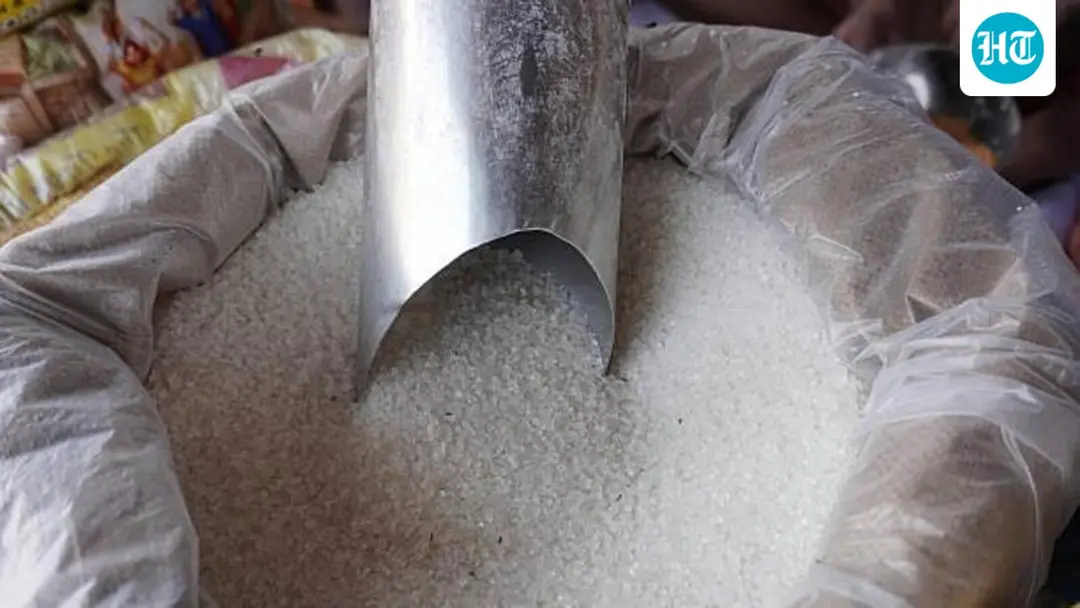
Centre extends sugar import quota surrender deadline to September 30
The Centre has extended the deadline for sugar mills and refiners to surrender unused raw sugar import quotas till September 30. In a public notice issued on Monday, the DGFT said holders must pay 0.5% of the value of the surrendered sugar, replacing an earlier rolling 15-day window. Of the 1 million tonne duty-free quota, 797,450 tonnes were allocated and 202,550 tonnes remain. Ex-mill prices have fallen to ₹45 a kg from over ₹65 in mid-August.
Source
Hindustan Times — India · read the original report ↗
Desk check · compared with the source
What the desk checked (5)
- DGFT extended the deadline to surrender unused raw sugar import quotas to September 30, with a 0.5% charge on the value of surrendered sugar. — Attributed to a DGFT public notice issued on Monday, as stated in the source.
- 797,450 tonnes of the 1 million tonne duty-free quota have been allocated, leaving 202,550 tonnes available. — Figures appear in the source, attributed to the notification.
- Ex-mill sugar prices have fallen to ₹45 per kg from over ₹65 per kg in mid-August. — Figure appears in the source; no issuing agency named.
- Brazilian raw sugar would cost about ₹44/kg landed and ₹52-53/kg after refining and GST. — Estimate attributed to an analyst who declined to be named.
- Refineries do not have more than 300,000 tonnes to fill stocks. — Attributed to the same unnamed analyst; not independently sourced.
Analysts’ view opinion
విధానం లక్ష్యం సాధించింది కానీ దిగుమతులు జరగకుండానే — ఇదే ఈ కథలోని ప్రధాన ఆర్థిక అంశం. సుంకం రహిత కోటా ప్రకటన, డీలర్ల నిల్వ పరిమితులు కలిసి పండుగల ముందు ధరల అంచనాలను మార్చాయి; మిల్లు గేటు ధర ₹65 నుంచి ₹45కు పడిపోయింది. ఇప్పుడు దిగుమతి చక్కెర (బ్రెజిల్ నుంచి వచ్చి, రిఫైన్ చేసి, జీఎస్టీ కలిపి ₹52-53) దేశీయ ధర కంటే ఖరీదు కావడంతో వ్యాపార ప్రేరణ (parity) పోయింది. అందుకే కోటా వాపసుకు గడువు పొడిగింపు, 0.5 శాతం రుసుముతో — ఇది ఒక తక్కువ ఖర్చుతో కూడిన నిర్గమన మార్గం.
- లాభనష్టం లెక్క సరళం: దిగుమతి వ్యయం ₹52-53 vs దేశీయ ₹45 — ఈ అంతరం ఉన్నంతకాలం కోటా వాడకం ఆర్థికంగా అర్థరహితం, కాబట్టి వాపసులే ఎక్కువ ఉండే అవకాశం.
- 0.5 శాతం వాపసు రుసుము ఒక క్రమశిక్షణ ఫీజు లాంటిది — కోటా కోసం అనవసర దరఖాస్తులను నిరుత్సాహపరుస్తూనే, నష్టదాయక దిగుమతులు చేయాల్సిన ఒత్తిడిని తగ్గిస్తుంది.
- 15 రోజుల రోలింగ్ విండో స్థానంలో ఒకే సెప్టెంబర్ 30 గడువు రావడం వల్ల ప్రభుత్వానికి వాడని పరిమాణం ఒకేసారి తెలుస్తుంది — దానిని ఇతర అర్హులైన మిల్లులకు తిరిగి కేటాయించే సౌలభ్యం.
- వినియోగదారుడికి లాభం ఇంకా పూర్తిగా చేరలేదు: మిల్లు గేటు వద్ద పతనం జరిగినా చిల్లర స్థాయికి బదిలీ ఆలస్యమవుతోంది, అంటే మధ్యవర్తుల మార్జిన్లు తాత్కాలికంగా విస్తరించే అవకాశం.
- మిల్లుల వైపు నుంచి చూస్తే ₹65 నుంచి ₹45కు ధర పతనం రాబడిపై ఒత్తిడి — చెరకు చెల్లింపుల సామర్థ్యంపై ప్రభావం గురించి ఈ కథనం ఏమీ చెప్పలేదు, కానీ ఇది గమనించాల్సిన కోణం.
What to watch — సెప్టెంబర్ 30 నాటికి 7,97,450 టన్నుల కేటాయింపులో ఎంత వాపసు వస్తుందో — అది వాస్తవ దిగుమతి పరిమాణాన్ని, తద్వారా పండుగల సీజన్లో సరఫరా-ధర సమతుల్యతను నిర్ణయిస్తుంది.
ఎంత కోటా వాస్తవంగా వాపసు అవుతుందో, చిల్లర ధరలు ఎంతకు దిగుతాయో, లేదా మిల్లుల ఆదాయం-చెరకు చెల్లింపులపై ప్రభావం ఏమిటో ఈ కథనం స్థిరపరచలేదు; ధరల పరిస్థితిపై అభిప్రాయం పేరు వెల్లడించని ఒక విశ్లేషకురాలి అంచనా మాత్రమే.
Deep dive
Research brief · 8 facts · 5 dates · exam-readyThe brief
Context
Ahead of the Dussehra-Diwali festive season, when sugar demand rises, the Centre allowed duty-free imports of 1 million tonnes of raw sugar under a special quota to boost supplies and cap prices. Since then domestic ex-mill prices have corrected sharply while global raw sugar prices have risen, wiping out the profitability ("parity") of importing. The DGFT has now given quota holders till September 30 to surrender unused allocations on payment of 0.5% of the value of the surrendered sugar, replacing an earlier rolling 15-day surrender window.
Key facts
- DGFT public notice issued on Monday extends the deadline for surrendering unused raw sugar import quota to September 30.
- Quota holders surrendering unused quantity must pay an amount equal to 0.5% of the value of the surrendered sugar at the time of import.
- The new single deadline replaces the earlier rolling 15-day window for surrendering unwanted quantities.
- The duty-free special quota is for 1 million tonnes of raw sugar, announced less than a month before this decision.
- Of the quota, 797,450 tonnes had already been allocated to mills and refiners; 202,550 tonnes remained available, for which DGFT invited fresh applications earlier this month.
- Ex-mill sugar prices have fallen to ₹45 per kg from highs of over ₹65 per kg in mid-August.
- An unnamed sugar analyst estimated Brazilian raw sugar would land in India at about ₹44 a kg, and cost ₹52-53 a kg after refining and GST, making imports unattractive.
- The analyst said refineries do not have more than 300,000 tonnes to fill stocks, and there is no import parity for them.
Timeline
- Mid-AugustEx-mill sugar prices at highs of over ₹65 per kg.
- Less than a month before the latest noticeGovernment allows duty-free import of 1 million tonnes of raw sugar under a special quota to boost festive-season supplies.
- Earlier this monthDGFT invites fresh applications for the unallocated 202,550 tonnes after 797,450 tonnes were allocated.
- Monday (date not stated in the source)DGFT public notice extends the surrender deadline for unused quota to September 30, with a 0.5% payment on surrendered value.
- September 30Last date for mills and refiners to surrender unused raw sugar import quota.
Who has a stake
- Sugar mills and refiners holding the quota — Can surrender unused allocations by September 30 on paying 0.5% of value, avoiding loss-making imports at current global prices.
- Directorate General of Foreign Trade (DGFT) — Issues and administers the import quota rules, allocations and surrender terms.
- Central government — Wants to keep sugar prices in check before Dussehra and Diwali and to know how much sugar will actually be imported.
- Consumers — Depend on adequate festive-season supplies; the source notes the mill-gate price fall has not fully reached consumers.
- Sugar dealers/traders — Face tightened stock-holding limits and close government monitoring of stocks and supplies.
- Other eligible mills/refiners — Surrendered quantities identified sooner could potentially be reallocated to them.
Why it matters
Sugar is a politically sensitive, festival-linked commodity, and the Centre's use of duty-free import quotas plus stock limits shows how trade policy is deployed for domestic price management. With domestic prices down to ₹45 a kg and imports landing at ₹52-53 a kg after refining and GST, the quota may go largely unused, testing whether the intervention was needed at all. A firm September 30 surrender date lets the government reallocate spare quota and plan supplies with better data.
UPSC angle
Prelims pointers
- DGFT (Directorate General of Foreign Trade), under the Commerce Ministry, issues public notices governing import/export quotas such as the duty-free raw sugar quota.
- Special duty-free raw sugar import quota size: 1 million tonnes; allocated 797,450 tonnes; unallocated 202,550 tonnes.
- Surrender charge on unused quota: 0.5% of the value of the surrendered sugar at the time of import.
- New surrender deadline: September 30, replacing the earlier rolling 15-day window.
- Ex-mill sugar price fell to ₹45/kg from over ₹65/kg in mid-August.
- Other price-control measure cited: tighter stock-holding limits on sugar dealers.
Mains framing
The extension of the sugar quota surrender deadline illustrates the limits of using import liberalisation as a short-term price-control tool. The Centre opened a 1 million tonne duty-free raw sugar window before Dussehra and Diwali to expand supply, but the price signal reversed within weeks: domestic ex-mill prices corrected from over ₹65 to ₹45 a kg while global prices rose, so landed Brazilian raw sugar at about ₹44 a kg would sell at ₹52-53 a kg after refining and GST, destroying import parity. Consequently mills holding much of the 797,450 tonnes allocated are expected to surrender rather than import, and refiners with under 300,000 tonnes of capacity to fill see no case for fresh purchases. The 0.5% surrender fee and the single September 30 cut-off, replacing a rolling 15-day window, give the administration both a deterrent against speculative quota-hoarding and earlier visibility to reallocate unused quantities. The episode also underlines uncertainty as a policy cost: because government action makes the future price path unpredictable, traders avoid risk, and the mill-gate price fall has yet to fully pass through to consumers. A way forward lies in transparent, data-driven triggers for quota release, complementing stock limits with faster monitoring of retail pass-through so that interventions match actual supply gaps rather than seasonal sentiment.
Key terms
- DGFT
- Directorate General of Foreign Trade, the body that issued the public notice on the sugar quota and its surrender terms.
- Duty-free import quota
- A permitted quantity (here 1 million tonnes of raw sugar) that can be imported without customs duty to augment domestic supply.
- Import parity
- Whether imported sugar's landed and processed cost is competitive with domestic prices; the source says there is 'no parity to import now'.
- Ex-mill price
- The price of sugar at the factory gate, which fell to ₹45 a kg from over ₹65 a kg in mid-August.
- Quota surrender
- Returning unused allocated import quantity to the government; now allowed till September 30 on paying 0.5% of its value.
- Stock-holding limits
- Caps on how much sugar dealers may hold, used by the government to curb hoarding and price rise.
Practice questions
- Duty-free import quotas are often used to cool domestic food prices. Examine, using the recent raw sugar quota, why such measures may go largely unused and what this implies for price-management policy.
- How do DGFT public notices function as instruments of domestic supply and price management? Discuss with reference to the 1 million tonne raw sugar quota and its surrender rules.
- The fall in ex-mill sugar prices has not fully reached consumers. Analyse the reasons for weak price pass-through in India's food supply chains and suggest remedies.
Grounded only in the source report — figures and dates are the source's, not inferred.