
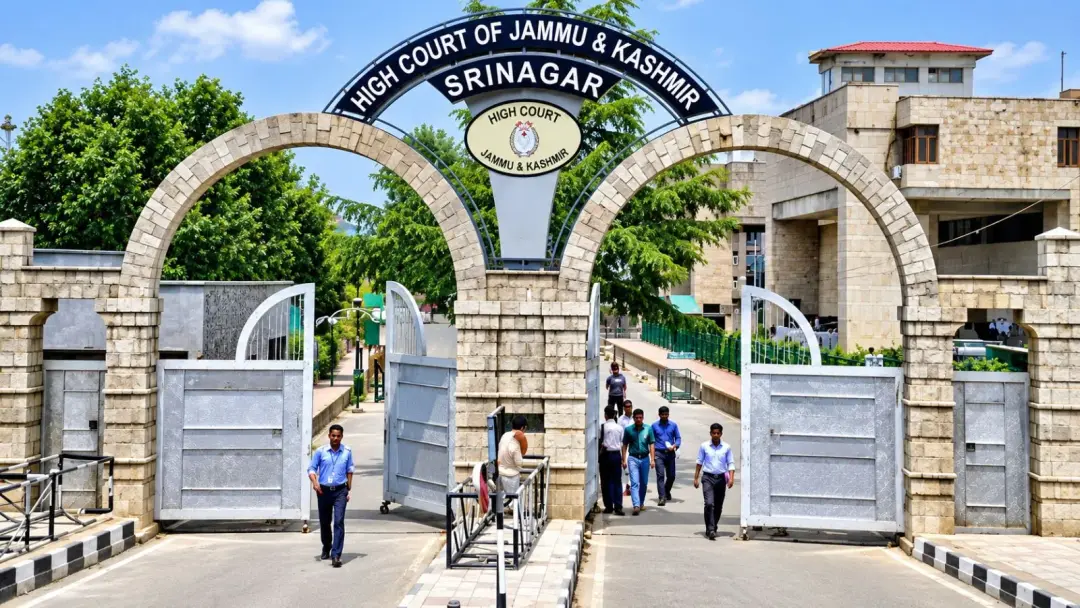
J&K High Court quashes PSA detention of alleged Lashkar overground worker
The Jammu and Kashmir High Court has quashed the Public Safety Act detention of Ishfaq Ahmad Wani, a resident of Srigufwara in Anantnag, who was described in a police dossier as an overground worker of the Lashkar-e-Toiba. Justice M A Chowdhary said preventive detention cannot rest upon mere labels. Wani was booked under the PSA in April last year. The court found non-application of mind by the then District Magistrate, Anantnag, who did not consider the bail granted to the petitioner.
Source
High Courts (India) · read the original report ↗
Desk check · compared with the source
What the desk checked (4)
- J&K High Court quashed the PSA detention order against Ishfaq Ahmad Wani of Srigufwara, Anantnag. — Attributed to the order of Justice M A Chowdhary as reported in the source.
- Court said 'preventive detention cannot rest upon mere labels' and that a bald 'OGW' assertion fails the constitutional standard. — Direct quotes from the judgment cited in the source.
- Wani was booked under the PSA in April last year and shown in the police dossier as a Lashkar-e-Toiba overground worker. — Figure and detail appear in source; the OGW description is a police allegation, not a finding.
- The court found non-application of mind by the then District Magistrate, Anantnag, including failure to consider bail already granted. — Attributed to the court's observations in the source text.
Analysts’ view opinion
ఇది ఒక వ్యక్తి బంధ విముక్తి కేసు మాత్రమే కాదు — జమ్మూ కశ్మీర్లో పాలనా వ్యవస్థ చేతిలోని అత్యంత శక్తివంతమైన రాజకీయ ఆయుధమైన పీఎస్ఏపై న్యాయపరమైన కళ్లెం. "ముద్రలపై ఆధారపడి ముందస్తు నిర్బంధం చెల్లదు" అనే వ్యాఖ్య, ఎన్నికైన ప్రభుత్వం ఉన్నా భద్రతా అధికారాలు ఎల్జీ/పరిపాలనా యంత్రాంగం చేతిలోనే ఉన్న కశ్మీర్ ప్రత్యేక అధికార సమతుల్యతను నేరుగా తాకుతుంది. లోయలోని ప్రాంతీయ పార్టీలకు ఇది సిద్ధమైన రాజకీయ ఆయుధం; కేంద్ర ప్రభుత్వానికి ఇది భద్రతా విధానంపై రాజకీయ ఇబ్బంది, అయితే కోర్టు ఆరోపణల నిజానిజాలను తేల్చలేదని గుర్తుంచుకోవాలి.
- కోర్టు తీర్పు ఆరోపణలను కొట్టివేయలేదు — ప్రక్రియలోని లోపాన్ని, అధికారి 'మనసు పెట్టి ఆలోచించలేద'ని మాత్రమే ఎత్తిచూపింది; అంటే రాజకీయంగా రెండు వైపులా వాడుకునే వీలుంది.
- బెయిల్ ఇచ్చిన కేసునే ఆధారంగా చూపి పీఎస్ఏ ప్రయోగించడాన్ని కోర్టు తప్పుపట్టడం, న్యాయస్థానం నిర్ణయాన్ని పరిపాలన దాటవేస్తోందన్న ప్రాంతీయ పార్టీల పాత విమర్శకు బలం చేకూరుస్తుంది.
- జిల్లా మేజిస్ట్రేట్ స్థాయి నిర్ణయాన్ని పేర్కొనడం వల్ల జవాబుదారీతనం చర్చ ఎన్నికైన ప్రభుత్వంపై కాదు, పరిపాలనా యంత్రాంగంపైకి మళ్లుతుంది.
- కేంద్రం, భద్రతా వర్గాలు 'ముందస్తు నిర్బంధం ప్రత్యేక అధికార పరిధి' అన్న వాదననే కొనసాగించే అవకాశం ఉంది — ఇది విధాన మార్పు కాదు, ప్రత్యేక కేసు లోపం అని చిత్రీకరించడం సహజ ప్రతిస్పందన.
- పౌర హక్కుల సంఘాలకు, ప్రతిపక్షాలకు ఇది 'లోయలో సాధారణ స్థితి' అనే కథనాన్ని ప్రశ్నించే అవకాశం ఇస్తుంది, కానీ ఒక్క తీర్పుతో పీఎస్ఏ ప్రయోగ ధోరణి మారుతుందని చెప్పలేం.
What to watch — జమ్మూ కశ్మీర్ శాసనసభలో, రాజకీయ వేదికలపై ఈ తీర్పును ఉటంకిస్తూ పీఎస్ఏ సమీక్ష లేదా రద్దు డిమాండ్ ఎంత బలంగా వస్తుందో, ప్రభుత్వం అప్పీలుకు వెళ్తుందో లేదో గమనించాలి.
ఈ కథనం ఇష్ఫాక్ అహ్మద్ వానీ నిజంగా ఏమి చేశారో, లేదా ఇది విస్తృత ధోరణిలో భాగమా అన్నది స్థాపించదు; పీఎస్ఏ కేసుల సంఖ్య, ప్రభుత్వ అధికారిక ప్రతిస్పందన వంటి వివరాలు ఇందులో లేవు.
Deep dive
Research brief · 8 facts · 4 dates · exam-readyThe brief
Context
The Jammu and Kashmir Public Safety Act (PSA) allows the administration to detain a person preventively — without trial — on the subjective satisfaction of a District Magistrate that the person's activities are prejudicial to State security or public order. In April last year, Ishfaq Ahmad Wani of Srigufwara in Anantnag was booked under the PSA after a police dossier described him as an "OGW (overground worker) of the Lashkar-e-Toiba". The J&K High Court has now quashed that detention, holding that "preventive detention can't rest upon mere labels" and that the then District Magistrate, Anantnag, failed to apply his mind, notably by ignoring that Wani had already been granted bail in the criminal case relied upon.
Key facts
- The J&K High Court quashed the PSA detention of Ishfaq Ahmad Wani, a resident of Srigufwara in Anantnag, South Kashmir.
- Wani was booked under the Public Safety Act in April last year; the police dossier and grounds of detention described him as a Lashkar-e-Toiba OGW whose activities were "prejudicial to the security of the state".
- Justice M A Chowdhary held: "Preventive detention cannot rest upon mere labels. The authority must disclose the factual position which connects the alleged activities of the detenu with the statutory purpose."
- The court said a "bald assertion" that a person is an OGW, without sufficient particulars, "does not meet the constitutional standard".
- The court called preventive detention an "exceptional encroachment" on personal liberty guaranteed under Article 21 and stressed it is "not punitive".
- The order found non-application of mind: the FIR relied upon had "culminated in grant of bail" by a competent court, and nothing showed this was meaningfully considered.
- The court distinguished "existence of material" from "consideration of material" — an FIR being part of the dossier does not by itself establish application of mind.
- The court held that mere rejection of the detenu's representation by the government "cannot cure an otherwise invalid detention order".
Timeline
- April last yearIshfaq Ahmad Wani booked under the Public Safety Act by the then District Magistrate, Anantnag, on the basis of a police dossier terming him a Lashkar OGW.
- Before the High Court hearing (date not stated in the source)Wani granted bail by a competent court in the criminal case (FIR) relied upon in the detention dossier.
- Date not stated in the sourceGovernment rejects Wani's representation against the detention.
- Recent judgment (date not stated in the source)Justice M A Chowdhary of the J&K High Court quashes the PSA detention for non-application of mind and lack of live nexus.
Who has a stake
- Ishfaq Ahmad Wani (detenu, petitioner) — His personal liberty under Article 21; secures quashing of the PSA detention after having already been granted bail in the criminal case.
- District Magistrate, Anantnag (detaining authority) — His subjective satisfaction was found vitiated by non-application of mind and reliance on stale, materially weakened antecedents.
- J&K Police — The adequacy of dossiers labelling individuals as "OGWs" without specific particulars is now under judicial scrutiny.
- UT of Jammu and Kashmir government (respondents) — Argued preventive detention is a distinct jurisdiction usable despite pending criminal proceedings; its rejection of the representation held insufficient to save the order.
- J&K High Court — Defining the limits of judicial review over preventive detention and enforcing statutory and constitutional safeguards.
Why it matters
The PSA is used widely in Jammu and Kashmir, and the "OGW" label is a routine descriptor in police dossiers; the ruling says such a label alone, without particulars, cannot justify detention without trial. By insisting on a "live and proximate link" between past conduct and present necessity — and on consideration of intervening facts like bail — the court sets a procedural benchmark that detaining authorities must meet. It reaffirms that executive assertions about State security are not immune from judicial scrutiny under Article 21.
UPSC angle
Prelims pointers
- Public Safety Act (PSA) is J&K's preventive detention law; detention orders are passed by the District Magistrate on subjective satisfaction.
- Article 21 of the Constitution guarantees the right to life and personal liberty — cited by the court as the right encroached upon by preventive detention.
- Preventive detention is preventive, not punitive: its object is to prevent apprehended prejudicial conduct, not punish a past act.
- The J&K High Court judgment quashing Ishfaq Ahmad Wani's PSA detention was delivered by Justice M A Chowdhary.
- "OGW" means overground worker — a person alleged to support militant outfits without being an armed cadre.
- Grounds for quashing: non-application of mind, stale antecedents, failure to consider bail, and absence of a live nexus.
Mains framing
The judgment addresses the core tension in preventive detention law: the State's claim to pre-empt threats to security versus the individual's Article 21 right to personal liberty. The J&K High Court accepted that preventive detention is a "distinct jurisdiction" that can operate notwithstanding pending criminal proceedings, but held that the detaining authority's subjective satisfaction "is not wholly immune from judicial scrutiny" — courts may examine whether relevant material existed, whether the authority applied its mind, whether extraneous material entered the calculus, and whether a "live and proximate link" exists between antecedent conduct and the necessity to detain. The immediate causes of failure here were structural rather than factual: reliance on an FIR in which bail had already been granted, without any record that this vital intervening circumstance was considered; grounds so general that the detenu could not know what weighed with the authority; and the assumption that rejection of a representation could cure a defective order. The implication is that "OGW" style labelling in dossiers, absent particulars, cannot substitute for reasoned satisfaction. The way forward, as implied by the court, lies in detaining authorities recording specific, current and duly considered material, and in rigorous scrutiny of procedural safeguards rather than of the truth of allegations.
Key terms
- Public Safety Act (PSA)
- Jammu and Kashmir's preventive detention law under which a District Magistrate can detain a person to prevent activity prejudicial to State/UT security or public order.
- Preventive detention
- Detention to pre-empt apprehended future conduct rather than to punish a past act; described by the court as an exceptional encroachment on liberty.
- OGW (overground worker)
- Term used in police dossiers for a person alleged to provide support to militant groups; the court held the label alone is inadequate for detention.
- Subjective satisfaction
- The detaining authority's own assessment justifying detention — entitled to weight but open to judicial review for application of mind and relevance of material.
- Live and proximate link
- The required nexus between a person's past conduct and the present necessity of detaining him; its absence vitiates the order.
- Lashkar-e-Toiba
- The militant outfit of which the police dossier alleged the petitioner was an overground worker.
Practice questions
- Preventive detention is preventive, not punitive. In light of recent High Court rulings on the J&K Public Safety Act, examine the scope of judicial review over a detaining authority's subjective satisfaction.
- "Preventive detention cannot rest upon mere labels." Discuss how vague grounds of detention violate constitutional safeguards under Article 21.
- Can preventive detention be ordered on the basis of a criminal case in which the accused has already been granted bail? Analyse with reference to the requirement of a live and proximate nexus.
Grounded only in the source report — figures and dates are the source's, not inferred.