
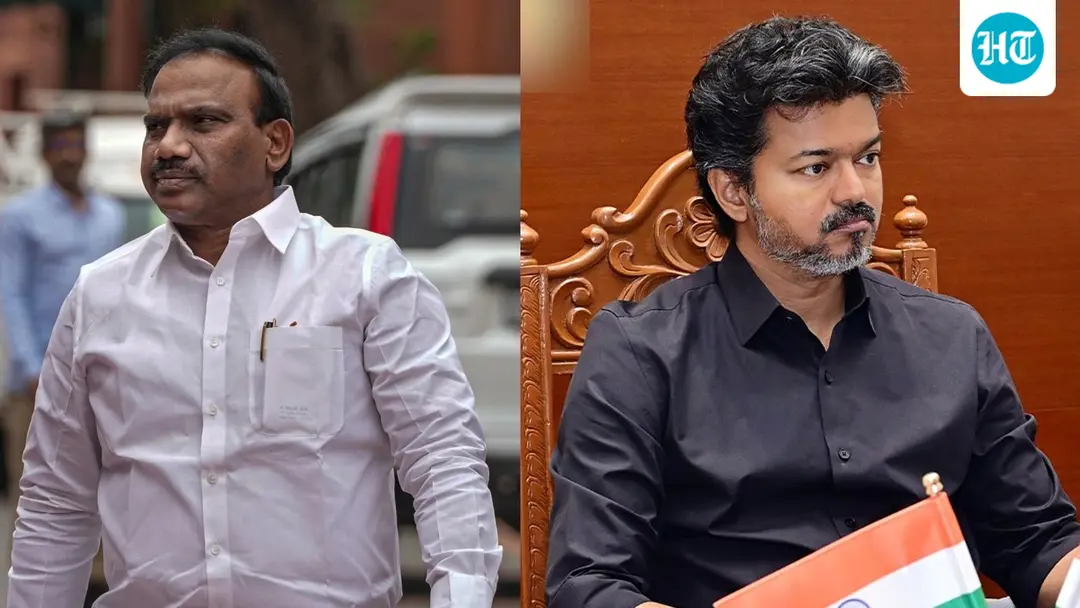
DMK leaders A Raja, Sekar Babu booked over remarks on CM Vijay
Tamil Nadu Police have registered cases against senior DMK leaders A Raja and P K Sekar Babu, along with party MLA Vasantham Karthikeyan, over alleged defamatory remarks against Chief Minister C Joseph Vijay, PTI reported citing an official. At a DMK protest on September 12, Raja said Vijay was "not a great actor" and questioned TVK minister Nirmal Kumar's parentage, ANI reported. Amid criticism, Raja expressed regret in a social media post on Sunday.
Source
Hindustan Times — India · read the original report ↗
Desk check · some claims need care
What the desk checked (5)
- Tamil Nadu Police booked DMK leaders A Raja, P K Sekar Babu and MLA Vasantham Karthikeyan over alleged defamatory remarks against CM C Joseph Vijay. — Attributed to PTI citing an unnamed official; no FIR details or sections given in source.
- Raja called Vijay 'not a great actor' and allegedly used an offensive term, and questioned minister Nirmal Kumar's parentage at a September 12 DMK protest. — Attributed to ANI; wording of the offensive term not specified in source.
- Raja later expressed regret in a social media post on Sunday without naming Kumar. — Appears in source as reported; post not quoted in full.
- Stalin said his jawbone was broken due to beatings after his MISA arrest, recalling the 1976 Marina Beach gathering. — Direct quote attributed to Stalin in source; historical claim not independently verifiable here.
- Vijay said his jaw gesture was unintentional and had no ulterior motive. — Attributed to Vijay in source.
Analysts’ view opinion
ఇది కేవలం పరువు నష్టం కేసు కాదు – అధికార టీవీకే, ప్రధాన ప్రతిపక్షం డీఎంకే మధ్య కథనాన్ని (narrative) ఎవరు నిర్దేశిస్తారన్న పోరాటం. ఎ.రాజా వ్యక్తిగత స్థాయికి దిగడం ద్వారా, ఎమర్జెన్సీ–మీసా అంశంపై డీఎంకేకు ఉన్న నైతిక ఆధిక్యతను తానే బలహీనపరిచారు; ఇప్పుడు పోలీసు కేసుతో టీవీకే బాధితుడి స్థానాన్ని పొందే అవకాశం దక్కింది. అదే సమయంలో అధికార పక్షం పోలీసు యంత్రాంగాన్ని రాజకీయ విమర్శకులపై ప్రయోగిస్తోందన్న ఎదురు ఆరోపణకూ డీఎంకే చోటు దొరుకుతుంది.
- రాజా క్షమాపణ ధోరణిలో విచారం వ్యక్తం చేయడం, డీఎంకే ఎంపీ కనిమొళి సహా పార్టీ లోపలి నుంచే విమర్శ రావడం – పార్టీ నష్ట నివారణ మోడ్లో ఉందని సూచిస్తోంది.
- కాంగ్రెస్, వామపక్షాలు కూడా రాజాను తప్పుపట్టడం డీఎంకే కూటమి రాజకీయాల్లో ఇబ్బందికరమైన అంశం – మిత్రపక్షాల మద్దతును ఒకే వ్యాఖ్య చెదరగొట్టగలదు.
- వామపక్షాలు టీవీకే ప్రభుత్వానికి 'బయటి మద్దతు' ఇస్తూనే విజయ్ ప్రవర్తనపై అభ్యంతరం చెప్పడం, ఇరు వైపులా అవి సమదూరం పాటిస్తున్నట్టు కనిపించే ప్రయత్నం.
- మీసా–ఎమర్జెన్సీ ప్రస్తావన స్టాలిన్కు తన వ్యక్తిగత త్యాగ కథనాన్ని పునరుద్ఘాటించే వేదికనిచ్చింది; నటుడి నుంచి నేతగా మారిన విజయ్కు ఇది అనుభవ లోటును ఎత్తిచూపే ఆయుధం.
- కేసులు కోర్టులో ఏమైనా, రాజకీయంగా వీటి ప్రయోజనం ఎక్కువగా ప్రచార ప్రయోజనమే – ప్రాసిక్యూషన్ కొనసాగితే డీఎంకే దాన్ని 'గొంతు నొక్కడం' అనే ఫ్రేమ్లో వాడుకునే అవకాశం ఉంది.
What to watch — కేసుల విచారణ ఎంతవరకు ముందుకు వెళ్తుందో, రాజాపై డీఎంకే నాయకత్వం ఏదైనా అంతర్గత క్రమశిక్షణ చర్య తీసుకుంటుందో – అలాగే వామపక్షాలు టీవీకే ప్రభుత్వానికి తమ మద్దతు స్వరాన్ని మార్చుకుంటాయో గమనించాలి.
ఈ కథనం కేసు ఎవరి ఫిర్యాదుపై నమోదైంది, ఏ సెక్షన్ల కింద నమోదైంది, ప్రభుత్వ ప్రమేయం ఏమిటి అనే వివరాలను నిర్ధారించలేదు; ఆరోపణలు నిజమా కాదా అన్నది ఇంకా తేలలేదు.
Deep dive
Research brief · 8 facts · 5 dates · exam-readyThe brief
Context
A political row in Tamil Nadu has escalated between the ruling TVK government led by Chief Minister C Joseph Vijay and the opposition DMK. It began after Vijay referred to the Maintenance of Internal Security Act (MISA) during Assembly proceedings and made a gesture near his jaw that some read as mocking DMK chief MK Stalin, who says his jawbone was broken in police beatings after his MISA arrest during the Emergency. At a DMK protest on September 12 condemning Vijay's Assembly speech, DMK deputy general secretary A Raja questioned TVK minister Nirmal Kumar's parentage and said Vijay was "not a great actor". Tamil Nadu Police have now booked Raja, P K Sekar Babu and DMK MLA Vasantham Karthikeyan over alleged defamatory remarks against the Chief Minister.
Key facts
- Tamil Nadu Police registered cases against DMK leaders A Raja, P K Sekar Babu and party MLA Vasantham Karthikeyan over alleged defamatory remarks against CM C Joseph Vijay, PTI reported citing an official on Tuesday.
- The remarks were made at DMK demonstrations held on September 12 to condemn Vijay's speech in the Tamil Nadu Assembly.
- A Raja called Vijay "not a great actor", allegedly used an offensive term for him, and questioned TVK minister Nirmal Kumar's parentage, ANI reported.
- Raja, DMK deputy general secretary, expressed regret in a social media post on Sunday, saying without naming Kumar that he regretted "questioning him".
- The Congress, the Left and DMK MP Kanimozhi Karunanidhi criticised Raja's remarks.
- The row erupted after Vijay mentioned the Maintenance of Internal Security Act (MISA) in the Assembly and made a gesture holding his jaw, later saying his body language was unintentional with no "ulterior motive".
- CPI(M) and CPI, which extend 'outside' support to the ruling TVK government, took exception to Vijay's conduct.
- Stalin said the DMK held a major gathering at Marina Beach in 1976 against the Emergency and MISA, and that police came to the Karunanidhi residence in Gopalapuram to arrest him.
Timeline
- 1976DMK holds a major gathering at Marina Beach opposing the Emergency and criticising MISA; police go to the Karunanidhi residence in Gopalapuram to arrest Stalin under MISA.
- Recent Assembly proceedings (date not stated in the source)CM Vijay mentions MISA in the Tamil Nadu Assembly and makes a jaw gesture that some see as mocking Stalin; he later says it was unintentional.
- September 12DMK holds demonstrations condemning Vijay's Assembly speech; A Raja questions Nirmal Kumar's parentage and says Vijay is "not a great actor".
- Sunday (date not stated in the source)Raja expresses regret in a social media post over questioning Kumar, after backlash.
- Tuesday (date not stated in the source)Police cases registered against Raja, Sekar Babu and MLA Vasantham Karthikeyan, PTI reports citing an official.
Who has a stake
- A Raja, DMK deputy general secretary — Booked over alleged defamatory remarks; faced criticism from allies and had to express public regret.
- P K Sekar Babu and MLA Vasantham Karthikeyan (DMK) — Named in the police cases over remarks against the Chief Minister.
- C Joseph Vijay, Tamil Nadu Chief Minister and TVK chief — Target of the alleged defamatory remarks; under criticism for his MISA reference and jaw gesture in the Assembly.
- MK Stalin, DMK chief — His MISA detention and jaw injury are at the centre of the row; has attacked Vijay over Assembly conduct and administrative record.
- Nirmal Kumar, TVK minister — His parentage was questioned by Raja, drawing wide condemnation.
- CPI(M) and CPI — Extend 'outside' support to the ruling TVK government but objected to Vijay's conduct and also slammed Raja's remarks.
- Congress and DMK MP Kanimozhi Karunanidhi — Publicly criticised Raja's statements, signalling discomfort within the opposition camp.
Why it matters
The episode shows how Emergency-era memory, particularly detentions under MISA, remains live political currency in Tamil Nadu and can trigger criminal cases against sitting legislators. It also tests the limits of political speech, with personal and abusive remarks drawing censure even from a party's own allies and members. The reaction of CPI(M) and CPI, which support the TVK government from outside, indicates that both sides face pressure from their coalition partners over conduct in the Assembly and on the streets.
UPSC angle
Prelims pointers
- MISA: Maintenance of Internal Security Act, used for preventive detentions during the Emergency period.
- C Joseph Vijay is Chief Minister of Tamil Nadu and chief of TVK, per the source; MK Stalin heads the DMK.
- A Raja is DMK deputy general secretary; Kanimozhi Karunanidhi is a DMK MP.
- CPI(M) and CPI extend 'outside' support to the ruling TVK government in Tamil Nadu.
- Stalin cites a 1976 DMK gathering at Marina Beach against the Emergency and MISA, and his arrest from the Gopalapuram residence.
- DMK protests condemning Vijay's Assembly speech were held on September 12.
Mains framing
The Tamil Nadu row illustrates three intersecting problems in Indian political practice: the instrumentalisation of historical memory, the coarsening of public discourse, and the use of criminal law in political disputes. The trigger was a reference to MISA and a gesture in the Assembly that the opposition read as mocking Stalin's Emergency-era detention and jaw injury; the escalation was A Raja's shift from a historical argument to a personal attack questioning a minister's parentage and abusing the Chief Minister. That personal turn drew condemnation not only from rivals but from the Congress, the Left and a DMK MP, and forced a public expression of regret — evidence that intra-alliance and public censure can still discipline speech. At the same time, the registration of defamation-related cases against three DMK figures raises the familiar question of whether police action is a proportionate response to political rhetoric or a chilling instrument against opposition voices. The way forward lies in legislative and party-level codes of conduct, self-regulation by leaders in the House and at protests, and restraint in invoking penal provisions where political criticism, however offensive, is the substance of the dispute.
Key terms
- MISA
- Maintenance of Internal Security Act, the law under which Stalin says he was detained during the Emergency.
- TVK
- The party led by C Joseph Vijay, described in the source as heading the ruling Tamil Nadu government.
- DMK
- Dravida Munnetra Kazhagam, the party led by MK Stalin, in opposition in this account.
- 'Outside' support
- Backing a government without joining it, as CPI(M) and CPI do for the TVK government.
- Emergency period
- The era referenced in the row, when the DMK protested at Marina Beach in 1976 against the Emergency and MISA.
Practice questions
- Critically examine the use of defamation and related criminal cases against elected representatives for political speech, with reference to the recent Tamil Nadu row.
- How does the memory of the Emergency and preventive detention laws such as MISA continue to shape political mobilisation in Indian states?
- Discuss the role of legislature conduct rules and party-level discipline in checking the decline of civility in political discourse.
Grounded only in the source report — figures and dates are the source's, not inferred.