
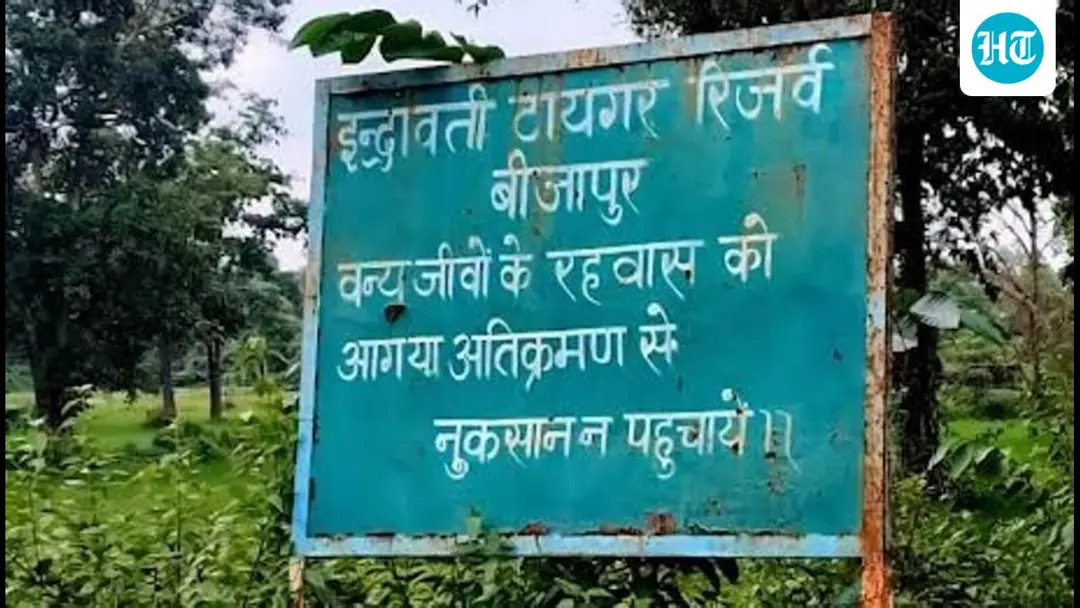
Indravati Tiger Reserve to reopen for tourists from November 1
The Indravati Tiger Reserve in Bijapur district of Chhattisgarh's Bastar region will reopen to tourists on November 1, permitting organised wildlife tourism for the first time in four decades. Established under Project Tiger in 1983, the reserve saw left wing extremism restrict forest department access to about 70% of its area. It spans 2,799.07 sq km, per the NTCA. A department presentation recorded six tigers and 14-17 wild buffaloes; officials said the tiger figure awaits the All India Tiger Estimation.
Source
Hindustan Times — India · read the original report ↗
Desk check · compared with the source
What the desk checked (5)
- Indravati Tiger Reserve will reopen to tourists on November 1 after four decades. — Attributed to Chhattisgarh PCCF Arun Pandey, who says preparations are under way; date described as proposed.
- The reserve spans 2,799.07 sq km, with 1,258.37 sq km core and 1,540.70 sq km buffer. — Figures attributed in source to the National Tiger Conservation Authority.
- The reserve has six tigers and 14-17 wild buffaloes. — From a forest department presentation reviewed by the publication; buffalo count based on an internal February-March 2025 census, tiger figure explicitly flagged as provisional pending the All India Tiger Estimation.
- Left wing extremism restricted forest staff access to about 70% of the reserve. — Attributed to deputy director Sumedh Survade; no independent data cited.
- A smooth-coated otter, not previously recorded in the area, was recently sighted. — Attributed to Survade; no formal survey documentation cited in source.
Analysts’ view opinion
నాలుగు దశాబ్దాల తర్వాత ఇంద్రావతి టైగర్ రిజర్వ్ను తెరవడం అనేది కేవలం పర్యాటక నిర్ణయం కాదు — బస్తర్లో "భద్రత మెరుగుపడింది" అని చెప్పడానికి ప్రభుత్వానికి దొరికిన అత్యంత దృశ్యమాన రుజువు. అటవీశాఖకు 70 శాతం ప్రాంతం అందుబాటులో లేని స్థితి నుంచి సఫారీ మార్గాలు సిద్ధమవుతున్న స్థితికి మారడం, రాష్ట్ర, కేంద్ర స్థాయిలో నక్సల్ వ్యతిరేక వ్యూహం ఫలిస్తోందన్న రాజకీయ కథనానికి బలం చేకూర్చే అంశం. అదే సమయంలో, పోలీసుల భద్రతా అంచనా ఇంకా జరగాల్సి ఉందని, కొన్ని ప్రాంతాలు మూసివేసే అవకాశం ఉందని అధికారులే చెబుతున్నారు — అంటే ఈ ప్రకటన రాజకీయంగా ముందడుగు వేసినా, భూమిపై పరిస్థితి పూర్తిగా స్థిరపడిందని ఇది నిరూపించదు.
- భద్రతా విజయాన్ని ప్రచారం చేసుకోవడానికి గణాంకాల కంటే ఇలాంటి 'తెరుచుకున్న అడవి' అనే ప్రతీకాత్మక అంశం రాజకీయంగా ఎక్కువ ప్రభావం చూపుతుంది.
- అటవీ మంత్రి కేదార్ కశ్యప్కు శాఖ ప్రజెంటేషన్ ఇచ్చిన తీరు చూస్తే, ఇది శాఖ స్థాయి నిర్ణయం కంటే ప్రభుత్వ ప్రాధాన్య అజెండాగా ముందుకు వెళ్తున్నట్టు కనిపిస్తుంది.
- గైడ్లు, డ్రైవర్లు, హోమ్స్టేలు, గిరిజన ఉత్పత్తుల ప్రస్తావన — బస్తర్ గిరిజన ఓటర్లకు 'అభివృద్ధి-ఉపాధి' సందేశాన్ని అందించే స్థానిక రాజకీయ కోణం.
- ప్రతిపక్షం, పర్యావరణ కార్యకర్తల నుంచి వచ్చే సహజ ప్రశ్న — పులుల సంఖ్య ఆరు మాత్రమే నమోదైన, ఇప్పటివరకు పర్యాటక ఒత్తిడి లేని అడవిలో సఫారీ తొందరపాటు కాదా అనేది.
- పులుల లెక్క అఖిల భారత గణన తర్వాతే ఖరారవుతుందని అధికారులు ముందే చెప్పడం, భవిష్యత్తులో సంఖ్యలపై వచ్చే విమర్శలను తట్టుకోవడానికి ఉపయోగపడే జాగ్రత్త.
What to watch — నవంబర్ 1 నాటికి పోలీసుల భద్రతా అంచనా, తుది సఫారీ మార్గాలు, రోజువారీ పర్యాటక పరిమితి ఎలా నోటిఫై అవుతాయి — ఏదైనా భద్రతా ఘటన లేదా ఆలస్యం జరిగితే ఈ కథనం రాజకీయంగా వెంటనే తిరగబడే అవకాశం ఉంది.
ఈ కథనం బస్తర్లో వామపక్ష తీవ్రవాదం ముగిసిందని, లేదా ఏ పార్టీకి ఎన్నికల లబ్ధి కలుగుతుందని నిరూపించదు; పులుల సంఖ్య, పర్యాటక పరిమితులు, భద్రతా క్లియరెన్స్ ఇంకా ఖరారు కాలేదని కూడా ఇది స్పష్టం చేస్తోంది.
Deep dive
Research brief · 8 facts · 4 dates · exam-readyThe brief
Context
Indravati Tiger Reserve, in Bijapur district of Chhattisgarh's Bastar region, was notified under Project Tiger in 1983 but decades of left wing extremism (LWE) kept much of it out of reach of even the forest department, let alone tourists. With the security situation improving, the state forest department plans to open the reserve to organised wildlife tourism from November 1 — the first such tourism in four decades. Greater field access is also yielding fresh wildlife records, even as tiger and wild buffalo numbers remain provisional pending the ongoing All India Tiger Estimation.
Key facts
- Indravati Tiger Reserve will reopen to tourists on November 1, allowing organised wildlife tourism for the first time in four decades.
- The reserve spans 2,799.07 sq km: core/critical tiger habitat of 1,258.37 sq km and buffer area of 1,540.70 sq km, according to the NTCA.
- It was established under Project Tiger in 1983; LWE restricted forest department access to around 70% of the reserve's area, per deputy director Sumedh Survade.
- A forest department presentation to state forest minister Kedar Kashyap puts tigers in Indravati at six in current state-level figures.
- The same chart records 18 tigers in Achanakmar, seven in Guru Ghasidas-Tamor Pingla, three in Bhoramdev and one in Udanti-Sitanadi.
- An internal census in February-March 2025 recorded 14-17 wild buffaloes in Indravati, against 10 in Barnawapara and one in Udanti.
- A smooth-coated otter was recently sighted in the reserve — a species officials said was not earlier known to be recorded from the area.
- PCCF Chhattisgarh Arun Pandey said safari vehicles are being purchased and routes prepared, with primarily two-three destinations for tourists.
Timeline
- 1983Indravati Tiger Reserve established under Project Tiger.
- February-March 2025Internal census records 14-17 wild buffaloes in Indravati.
- Current (as reported)All India Tiger Estimation under way; carrying-capacity assessment and finalisation of safari routes in progress.
- November 1Planned reopening of the reserve for organised wildlife tourism.
Who has a stake
- Chhattisgarh forest department (PCCF Arun Pandey, deputy director Sumedh Survade) — Must open the reserve to tourism while keeping conservation the primary consideration and expanding protection in newly accessible areas.
- National Tiger Conservation Authority (NTCA) — Tourism zone and safari routes are being finalised in accordance with its Tiger Conservation Plan; it provides the reserve's area figures.
- Local communities around the reserve — Potential livelihoods as guides, drivers and hospitality providers, through homestays and promotion of tribal products and culture.
- Police and security agencies — A security assessment will be sought after safari routes are finalised; some areas may remain inaccessible to tourists.
- Wildlife of Indravati (tigers, wild buffalo, leopard, sloth bear, gaur, chital, otters) — A forest largely free of tourist pressure now faces visitor movement; conflict-prone stretches may get fencing and cattle-proof trenches.
- State forest minister Kedar Kashyap — Received the department presentation with tiger and wild buffalo figures; politically accountable for the tourism push.
Why it matters
The reopening shows how a decline in left wing extremism can restore state presence in forests that were effectively ungoverned, enabling both protection work and the first scientific picture of wildlife there. It also poses a classic conservation dilemma: a habitat that survived without tourist pressure must now absorb visitors without ecological damage. For Bastar's tribal communities, regulated tourism could become a new livelihood stream tied to forest and cultural heritage.
UPSC angle
Prelims pointers
- Indravati Tiger Reserve is in Bijapur district, Bastar region, Chhattisgarh; established under Project Tiger in 1983.
- Area per NTCA: 2,799.07 sq km total — core/critical tiger habitat 1,258.37 sq km, buffer 1,540.70 sq km.
- NTCA's Tiger Conservation Plan governs demarcation of tourism zones and safari routes in tiger reserves.
- All India Tiger Estimation is the exercise that will confirm Indravati's final tiger population.
- Other Chhattisgarh tiger reserves named: Achanakmar, Guru Ghasidas-Tamor Pingla, Bhoramdev, Udanti-Sitanadi, plus Barnawapara sanctuary.
- Species reported from Indravati: tiger, wild buffalo, leopard, sloth bear, gaur, chital, wild boar, nilgai, smooth-coated otter, Indian ornamental tarantula.
Mains framing
Indravati's four-decade absence from the tourism map was not an act of conservation policy but a consequence of conflict: left wing extremism denied the forest department access to roughly 70% of the reserve, crippling patrolling, protection and even basic population estimation, so that earlier tiger assessments covered only accessible pockets. As security improves, the state is simultaneously attempting three things — restoring protection infrastructure, generating credible baseline data through the ongoing All India Tiger Estimation, and monetising the landscape through regulated safari tourism linked to Bastar's tribal culture. The implications cut both ways: better field presence has already yielded new records such as the smooth-coated otter and firmer wild buffalo counts (14-17), but a forest never exposed to visitor pressure can be degraded quickly if carrying capacity, route design and zonation are not driven by ecological sensitivity. The stated way forward — routes finalised under the NTCA's Tiger Conservation Plan, a carrying-capacity assessment fixing daily vehicle and visitor limits, a police security clearance, fencing and cattle-proof trenches in conflict-prone stretches, and community participation as guides, drivers and homestay hosts — offers a template, provided conservation, as officials insist, remains the primary consideration rather than a caveat.
Key terms
- Project Tiger
- Central conservation programme under which Indravati was declared a tiger reserve in 1983.
- NTCA
- National Tiger Conservation Authority; source of Indravati's area figures and of the Tiger Conservation Plan framework for tourism zones.
- Critical tiger habitat (core)
- The inviolate portion of a tiger reserve; 1,258.37 sq km in Indravati, with 1,540.70 sq km as buffer.
- Left Wing Extremism (LWE)
- Maoist insurgency that kept about 70% of Indravati inaccessible to tourists and forest staff, hitting field operations and protection.
- All India Tiger Estimation
- The nationwide exercise currently under way whose scientific compilation will confirm Indravati's tiger numbers.
- Carrying-capacity assessment
- Study under way to fix how many vehicles and tourists can be allowed inside the reserve each day.
Practice questions
- The reopening of Indravati Tiger Reserve shows that internal security and conservation governance are linked. Discuss with reference to protection and population estimation in conflict-affected forests.
- Regulated tourism in a hitherto untouched tiger reserve carries both livelihood promise and ecological risk. Examine the safeguards needed, citing the NTCA framework and carrying-capacity assessments.
- Why were earlier wildlife assessments in Indravati incomplete, and how might improved field access change conservation planning in Chhattisgarh's tiger reserves?
Grounded only in the source report — figures and dates are the source's, not inferred.