
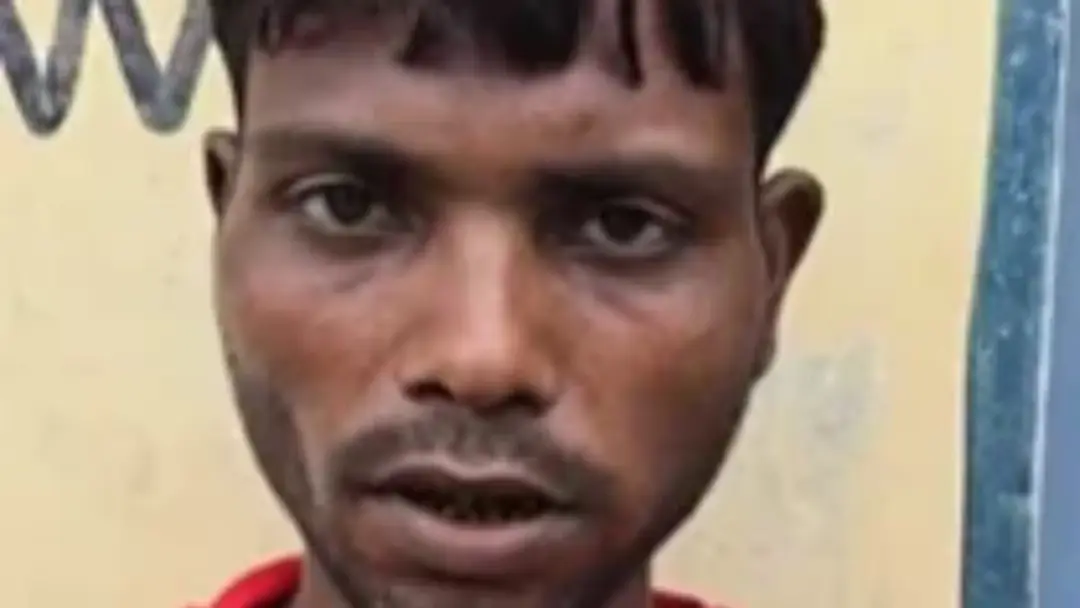
UP man alleges abduction over unpaid phone EMI, two detained
A man in Uttar Pradesh, Naval Kumar, has alleged he was abducted over unpaid mobile phone instalments. He said he bought a Samsung phone worth Rs 21,500 under a zero-down-payment plan, with a monthly instalment of Rs 2,799 for 12 months. He alleged he was taken to Lucknow, his blood was drawn at a hospital, and he was held at a house for four days, assaulted and asked for Rs 12,500. Police said a complaint came on September 14, a case was registered, three teams formed and two people detained.
Source
News18 — India · read the original report ↗
Desk check · some claims need care
What the desk checked (5)
- Naval Kumar bought a Samsung phone worth Rs 21,500 under a zero-down-payment scheme with EMI of Rs 2,799 for 12 months. — Figures appear in source, attributed to the victim's account; not independently confirmed by police in the text.
- He was taken to Lucknow, his blood was drawn at a hospital and he was held captive for four days. — Direct allegation quoted from Naval Kumar; no hospital, company or independent confirmation given in source.
- He was asked to arrange Rs 2,600, then Rs 12,500 after being assaulted. — Amounts stated by the complainant and quoted in source; unverified.
- Police received a missing report on September 14, registered a case, formed three teams and detained two people. — Attributed to police statement quoted in the source.
- The phone was taken back by company representatives after about a month of use. — Claimed by the victim; the company or shop is not named and gives no response in the source.
Analysts’ view opinion
ఇది "వసూలు" అనే పేరుతో జరిగిన చర్య, చట్టపరంగా పూర్తిగా క్రిమినల్ పరిధిలోకి వస్తుందా అనే ప్రశ్నను ముందుకు తెస్తోంది. అప్పు వసూలు అనేది పౌర (సివిల్) హక్కు — దానిని అమలు చేయాలంటే ఒప్పంద నిబంధనల ప్రకారం, కోర్టు లేదా ఆర్బిట్రేషన్ వంటి చట్టబద్ధ మార్గాల ద్వారానే సాధ్యం; ఒక వ్యక్తిని ఎత్తుకెళ్లడం, నిర్బంధించడం, కొట్టడం, డబ్బు డిమాండ్ చేయడం ఆరోపణలు నిజమైతే అవి స్వతంత్రంగా నేరాలు అవుతాయి. ఇక్కడ గమనార్హమైన అంశం — ఫోన్ను కంపెనీ ప్రతినిధులు తిరిగి తీసుకున్నాక కూడా డబ్బు డిమాండ్ చేశారనే ఆరోపణ, మరియు ఆస్పత్రిలో రక్తం తీశారనే వాదన. పోలీసులు కేసు నమోదు చేసి ఇద్దరిని అదుపులోకి తీసుకున్నారు; ప్రస్తుతం ఇవన్నీ ఆరోపణలు మాత్రమే, రుజువు కాలేదు.
- భారత చట్టంలో అప్పు చెల్లించకపోవడం సాధారణంగా క్రిమినల్ నేరం కాదు — అది సివిల్/ఒప్పంద వివాదం; అందుకు ప్రైవేటు వ్యక్తులకు బలప్రయోగ అధికారం ఉండదు.
- కిడ్నాప్, తప్పుడు నిర్బంధం, గాయపరచడం, డబ్బు కోసం బెదిరించడం (ఎక్స్టార్షన్) — ఇవన్నీ వేర్వేరు నేర శీర్షికల కింద వస్తాయి; ఏ సెక్షన్లు పెట్టారో కథనం చెప్పలేదు.
- రిజర్వ్ బ్యాంక్ మార్గదర్శకాలు రుణ వసూలు ఏజెంట్ల ప్రవర్తనపై స్పష్టమైన నిషేధాలు విధిస్తాయి — వేధింపులు, బెదిరింపులకు రుణదాతపైనా బాధ్యత పడే అవకాశం ఉంటుంది, కానీ ఈ కేసులో నిందితులకు కంపెనీతో ఎలాంటి సంబంధం ఉందో ధ్రువపడలేదు.
- ఫోన్ ఇప్పటికే తిరిగి తీసుకున్నారన్న ఆరోపణ నిజమైతే, తర్వాత డిమాండ్ చేసిన మొత్తానికి చట్టబద్ధ ఆధారం ఏమిటన్నది కీలక ప్రశ్నగా మారుతుంది.
- బాధితుడికి వైద్య పరీక్ష చేయించడం, మూడు బృందాలు ఏర్పాటు చేయడం — ఇవి సాక్ష్య సేకరణ, దర్యాప్తు పరంగా ప్రామాణిక ప్రక్రియ చర్యలు.
What to watch — తుది ఛార్జ్షీట్లో ఏ సెక్షన్లు నమోదు అవుతాయి, అదుపులోకి తీసుకున్నవారు అధికారిక రికవరీ ఏజెంట్లా లేక స్వతంత్ర వ్యక్తులా అనేది తేలడం, మరియు రుణ సంస్థ/ఫైనాన్స్ కంపెనీపై ఏదైనా బాధ్యత లేదా నియంత్రణ సంస్థ పరిశీలన వస్తుందా అనేది గమనించాల్సిన అంశాలు.
ఇవన్నీ ఇప్పటివరకు బాధితుడి ఆరోపణలు మరియు పోలీసుల ప్రాథమిక ప్రకటనలు మాత్రమే — నిందితుల వాదన, ఫోన్ కొనుగోలు ఒప్పంద నిబంధనలు, ఫైనాన్స్ సంస్థ ప్రమేయం, రక్తం తీశారనే వాదనకు కారణం — ఇవి ఏవీ కథనంలో నిర్ధారించబడలేదు.
Deep dive
Research brief · 8 facts · 7 dates · exam-readyThe brief
Context
A man in Uttar Pradesh, Naval Kumar, has alleged that he was abducted over unpaid instalments on a mobile phone bought on a zero-down-payment consumer finance plan. He says he bought a Samsung phone worth Rs 21,500 about a year ago with a monthly instalment of Rs 2,799 for 12 months, stopped paying after roughly a month, and the handset was taken back by the company's representatives. He alleges that on the 8th or 9th of the month people demanding the pending instalment took him on a motorcycle to Lucknow, got his blood drawn at a hospital, held him in a house for four days, assaulted him and demanded money. Police say they got information on September 14, registered a case, formed three teams and have taken two people into custody.
Key facts
- Naval Kumar bought a Samsung mobile phone worth Rs 21,500 from a mobile shop about a year ago under a zero-down-payment arrangement.
- The monthly instalment was fixed at Rs 2,799 for 12 months.
- Kumar says he could not pay after using the phone for about a month, and the phone was taken back by the company's representatives.
- He alleges that on the 8th or 9th of the month people demanding the pending instalment took him to Lucknow on a motorcycle.
- He alleges he was taken to a hospital in Lucknow where his blood was drawn, then to a house.
- He was first asked to arrange Rs 2,600; he asked his brother for that plus Rs 200 for the return trip, but only about Rs 1,800 was sent.
- He alleges that around 10-11 pm that night he was assaulted, threatened and asked to arrange another Rs 12,500.
- Police said information came on September 14 that he was missing; a case was registered, three teams formed and two people taken into custody.
Timeline
- About a year before the incidentKumar buys a Samsung phone worth Rs 21,500 under a zero-down-payment plan, instalment Rs 2,799 for 12 months.
- About a month after purchaseHe stops paying instalments; the phone is taken back by the company's representatives.
- 8th or 9th of the month (as alleged)Some people demanding the pending instalment take him to Lucknow on a motorcycle; blood drawn at a hospital; taken to a house.
- Same night, around 10-11 pm (as alleged)He is assaulted and threatened, and asked to arrange Rs 12,500 for release.
- September 14Police station receives information from the complainant that his son is missing; allegations of confinement in the Sadar area follow.
- After police were approached (four days of alleged captivity)Kumar is released and sent back in a bike taxi; case registered, three teams formed, two persons in custody, medical examination conducted.
- September 15Report first published.
Who has a stake
- Naval Kumar (complainant) — Alleges abduction, forced blood draw, four days of captivity, assault and extortion demands of Rs 2,600 and Rs 12,500.
- Kumar's brother and family — Sent about Rs 1,800; informed police through an application; family reported him missing on September 14.
- Uttar Pradesh Police — Registered the case, formed three teams, detained two persons, sent Kumar for medical examination, pursuing more arrests.
- Recovery/company representatives (accused) — Alleged to have taken Kumar away on the pretext of a visit to a mobile shop and confined him; face criminal proceedings.
- Consumer-finance borrowers on zero-down-payment plans — Exposed to coercive recovery practices when EMIs on small-ticket purchases are missed.
Why it matters
The case puts a spotlight on how small-ticket consumer loans, such as zero-down-payment phone EMIs of Rs 2,799 a month, can end in allegations of coercive recovery, illegal confinement and extortion. Here the handset had already been taken back, yet the complainant says he was still held and asked for Rs 12,500 — raising questions about who was recovering the money and under what authority.
UPSC angle
Prelims pointers
- Phone value in the case: Rs 21,500; EMI Rs 2,799 per month for 12 months under a zero-down-payment plan.
- Amounts demanded as alleged: first Rs 2,600, later Rs 12,500; about Rs 1,800 was actually sent.
- Police received the missing-person information on September 14; alleged confinement was in the Sadar area.
- Police response: case registered, three teams formed, two persons taken into custody, victim sent for medical examination.
- Alleged sequence: taken to Lucknow on a motorcycle, blood drawn at a hospital, held in a house for four days, returned by bike taxi.
- The accused allegedly took him away on the pretext of going to a mobile shop.
Mains framing
The episode illustrates the underside of India's rapid expansion of small-ticket consumer credit: a zero-down-payment plan on a Rs 21,500 handset, an EMI of Rs 2,799 for 12 months, and a default within a month led — as alleged — to abduction, an unexplained blood draw at a hospital, four days of confinement, assault and escalating demands of Rs 2,600 and then Rs 12,500. Two features stand out. First, the handset had already been repossessed by the company's representatives, yet money was still allegedly being extracted, suggesting recovery activity untethered from any lawful process. Second, the victim's family had to approach the police before release followed, indicating that pressure from the criminal justice system, rather than any internal grievance channel, was the effective remedy. On the enforcement side, the police account shows a standard response: information on September 14, registration of a case, three teams, two persons in custody, medical examination and continuing efforts to arrest others. The way forward suggested by the facts as reported lies in prompt registration and investigation of coercive-recovery complaints, medical documentation of alleged assault, and tracing the chain of responsibility from the field agents up to whoever authorised the recovery. Since the source records only allegations and an ongoing investigation, conclusions on culpability must await the outcome of the legal proceedings.
Key terms
- Zero-down-payment arrangement
- A consumer finance plan where the buyer pays nothing upfront and repays the full cost in monthly instalments.
- EMI (equated monthly instalment)
- The fixed monthly repayment on a loan; here Rs 2,799 a month for 12 months on a Rs 21,500 phone.
- Company's representatives
- The agents who, per the complainant, took the phone back after he stopped paying instalments.
- Sadar area
- The locality where, per the family's allegation, Kumar was confined and assaulted.
- Medical examination
- Examination of the victim arranged by police to record injuries and support the investigation.
Practice questions
- Coercive loan-recovery practices in small-ticket consumer credit have become a law-and-order concern. Discuss with reference to the case of alleged abduction over unpaid phone instalments in Uttar Pradesh.
- Examine the adequacy of police response mechanisms in cases of alleged illegal confinement and extortion, using the reported sequence of complaint, case registration and detentions in this case.
- What safeguards should protect borrowers on zero-down-payment consumer finance schemes when they default? Argue with reference to the facts reported in this case.
Grounded only in the source report — figures and dates are the source's, not inferred.