
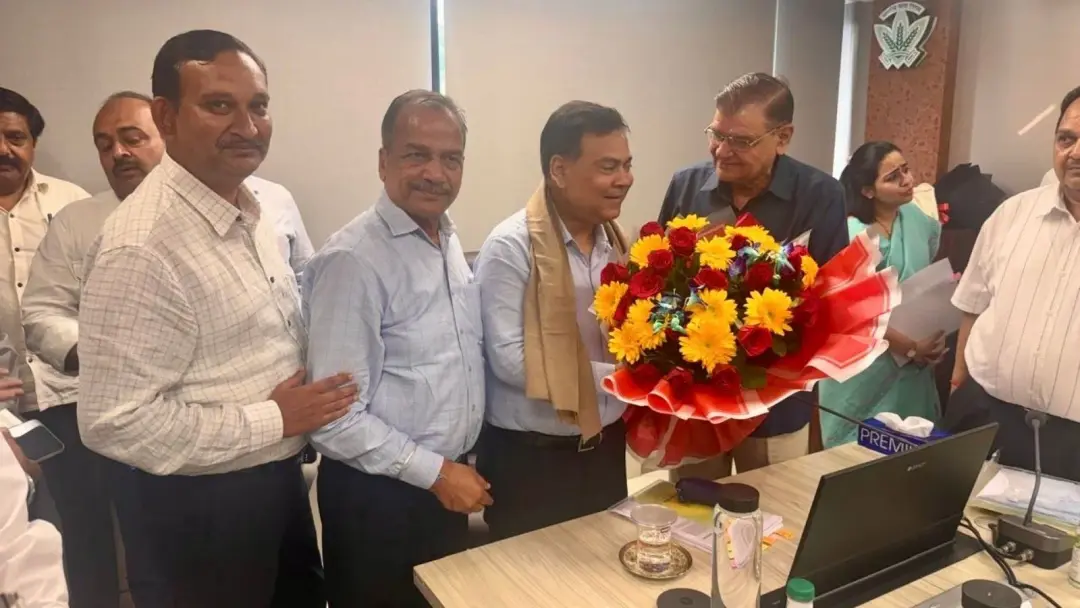
FCI seeks 100% Improved Rice from Punjab ahead of harvest
With paddy harvesting in Punjab beginning October 1, the Centre has asked the state to supply 100% 'Improved Rice' under Custom Milled Rice during KMS 2026-27. The issue was discussed at a high-level meeting on Monday at the FCI Regional Office, Chandigarh. Millers said they were ready but sought at least ₹50 per quintal of paddy as additional processing compensation, a 15-day deadline for lifting broken rice, and an advance guarantee of storage space.
Source
Indian Express — Cities · read the original report ↗
Desk check · compared with the source
What the desk checked (5)
- The Centre has asked Punjab to supply 100% Improved Rice under CMR during KMS 2026-27. — Attributed in source to the Centre/FCI position stated at the Chandigarh meeting.
- Punjab's paddy procurement target is about 180 lakh tonnes, yielding around 120 lakh tonnes of rice at 67% OTR, with about 20 lakh tonnes broken rice. — Figures attributed to Rice Millers' Association president Gian Chand Bhardwaj; projections, not official data.
- Millers seek at least ₹50 per quintal of paddy as additional processing compensation and a 15-day deadline for lifting broken rice. — Attributed to the Punjab Rice Millers' Association; figure appears in source.
- Around 10 lakh metric tonnes of last season's CMR is still lying with Punjab millers. — Attributed to the association; no independent or government confirmation given in source.
- The meeting was attended by FCI CMD Ravindra Aggarwal and Punjab Principal Secretary Rahul Tiwari, with Union Food Secretary Sanjeev Chopra joining via video conference. — Named participants listed in source; no direct quotes attributed to officials.
Analysts’ view opinion
పంజాబ్ నుంచి 100% 'మెరుగైన బియ్యం' కోరడం అనేది పైలట్ స్థాయి (11-12 లక్షల టన్నులు) నుంచి దాదాపు 100 లక్షల టన్నుల స్థాయికి ఒకేసారి ఎగబాకడం — ఇది నాణ్యత లక్ష్యం కంటే ముందు లాజిస్టిక్స్, మూలధన వ్యయం, నిల్వ సామర్థ్యం సమస్య. మిల్లర్లు 'సిద్ధం' అంటూనే క్వింటాల్కు ₹50 అదనపు పరిహారం కోరడం, ప్రధాన ప్రశ్న ఎవరు భరిస్తారు అనేదే స్పష్టం చేస్తుంది: యంత్రాల ఆధునికీకరణ, విద్యుత్, కూలీ ఖర్చులు పెరుగుతాయి, రికవరీ తగ్గే అవకాశం ఉంది. అంటే ఇది ప్రధానంగా ఆహార సబ్సిడీ బిల్లుపై పడే భారం — రైతుకు ఎమ్మెస్పీ మారదు, కానీ మిల్లింగ్ ఖర్చులో మార్జిన్ల పోరు జరుగుతుంది.
- స్కేల్ మార్పు తీవ్రం: గత సీజన్లో పైలట్ కింద 11-12 లక్షల టన్నులే తీసుకున్న చోట, ఇప్పుడు 180 లక్షల టన్నుల ధాన్యం, 67% ఓటీఆర్ ప్రకారం సుమారు 120 లక్షల టన్నుల బియ్యం — దీనిలో 100 లక్షల టన్నులు మెరుగైన బియ్యం లక్ష్యం.
- మిల్లర్ల నిల్వ బాధ్యత 50% నుంచి 58.5%కి పెరుగుతుందని వారి లెక్క (580 బ్యాగుల డెలివరీకి 1,155 బదులు 1,395 బ్యాగుల ధాన్యం) — ఇది వర్కింగ్ క్యాపిటల్ మరియు గోదాము అద్దె ఖర్చులను నేరుగా పెంచుతుంది.
- నూక బియ్యం 15 రోజుల్లో తరలింపు కోరిక కేవలం స్థలం సమస్య కాదు — నూకకు ఇథనాల్, డిస్టిలరీ, పౌల్ట్రీ, పశుదాణా రంగాల్లో డిమాండ్ ఉన్నందున తరలింపు ఆలస్యం ఆ సరఫరా గొలుసుపైనా, మిల్లర్ల నగదు ప్రవాహంపైనా ప్రభావం చూపుతుంది.
- గత సీజన్కు సంబంధించి సుమారు 10 లక్షల టన్నుల సీఎంఆర్ ఇంకా మిల్లుల్లోనే ఉందన్న వాదన నిజమైతే, కొత్త సీజన్ ప్రారంభమయ్యే నాటికి నిల్వ సామర్థ్యం అసలైన అడ్డంకి అవుతుంది.
- ప్రభుత్వం వైపు నుంచి చూస్తే — పీడీఎస్ లబ్ధిదారులకు మెరుగైన నాణ్యత, తక్కువ నష్టం, మెరుగైన నిల్వ జీవితకాలం అనే స్పష్టమైన ప్రయోజనం ఉంది; సమస్య లక్ష్యం కాదు, ధరల పంపిణీ (కాస్ట్-షేరింగ్).
What to watch — అక్టోబర్ 1 కోతలకు ముందు అదనపు మిల్లింగ్ ఛార్జీలపై కేంద్రం ఏదైనా నిర్ణయం ప్రకటిస్తుందా, జిల్లా-వారీ నిల్వ ప్రణాళిక వస్తుందా — ఇవి లేకపోతే సేకరణ ఆలస్యం లేదా మిల్లర్ల నిరసన రూపంలో మండీల్లో ఒత్తిడి కనిపించవచ్చు.
₹50 పరిహారం, 15 రోజుల తరలింపు, నిల్వ హామీలపై ఎఫ్సీఐ లేదా కేంద్రం అంగీకరించాయా అన్నది ఈ కథనం స్థాపించలేదు; అదనపు ఖర్చు అంచనాలు, 58.5% నిల్వ బాధ్యత లెక్కలు మిల్లర్ల సంఘం వాదనలే — స్వతంత్రంగా ధ్రువీకరించిన గణాంకాలు కాదు.
Deep dive
Research brief · 8 facts · 5 dates · exam-readyThe brief
Context
Punjab is India's biggest contributor of rice to the central pool: farmers sell paddy to state and central agencies, which get it milled by private rice shellers and take back Custom Milled Rice (CMR) for the public distribution system. Ahead of paddy harvesting beginning October 1, the Centre has told Punjab that the entire CMR for Kharif Marketing Season (KMS) 2026-27 must be 'Improved Rice' — rice milled to higher prescribed quality specifications — up from a pilot of only about 11-12 lakh tonnes last season. The demand was taken up at a high-level meeting on Monday at the FCI Regional Office, Chandigarh, with the Union Food Secretary joining via video conference. Millers say they are willing but want compensation for higher milling costs, quicker lifting of broken rice and assured storage space.
Key facts
- The Centre has asked Punjab to supply 100% 'Improved Rice' under Custom Milled Rice (CMR) during KMS 2026-27; paddy harvesting in the state begins October 1.
- Last season only about 11-12 lakh tonnes of Improved Quality CMR was taken from Punjab under a pilot project, according to the millers.
- Punjab's paddy procurement target this year is expected to be 180 lakh tonnes, yielding about 120 lakh tonnes of rice at FCI's 67% Out-Turn Ratio (OTR).
- Of the 120 lakh tonnes, nearly 20 lakh tonnes would be broken rice and about 100 lakh tonnes Improved Rice for PDS distribution, said Association president Gian Chand Bhardwaj.
- The Punjab Rice Millers' Association has sought at least ₹50 per quintal of paddy as additional processing compensation over and above existing custom milling charges.
- Millers demand that broken rice be lifted from mill premises within 15 days, and that the government bear losses from delayed lifting.
- Under existing CMR, about 1,155 bags of paddy yield one consignment of 580 new 50-kg rice bags; under Improved Quality Rice about 1,395 bags of paddy would be needed for the same 580 bags.
- Of the 1,395 bags, only 580 go to FCI while 805 bags — about 58.5% — must be arranged and stored by millers; millers' storage liability under the current process is about 50%.
Timeline
- Previous season (pilot project)Only around 11-12 lakh tonnes of Improved Quality CMR was taken from Punjab, according to millers.
- Monday (date not stated in the source)High-level meeting at FCI Regional Office, Chandigarh on procuring 100% improved rice from Punjab and shellers' issues; Union Food Secretary Sanjeev Chopra joined by video conference from Delhi.
- October 1Paddy harvesting begins in Punjab.
- KMS 2026-27Centre's requirement of 100% Improved Rice under CMR from Punjab to take effect.
- By March 31, 2027Millers' Association seeks identification and assurance of the required storage capacity.
Who has a stake
- Food Corporation of India (FCI) — Sets the 67% Out-Turn Ratio and quality specifications, must lift broken rice and provide storage; pushing Punjab to 100% Improved Quality Rice.
- Department of Food and Public Distribution, Government of India — Secretary Sanjeev Chopra participated via video conference; drives the shift to higher-quality CMR for PDS.
- Rice Millers' Association, Punjab — Faces machinery upgradation, higher electricity and labour costs and lower rice recovery; seeks ₹50/quintal compensation and storage guarantees.
- Punjab government — Represented by Principal Secretary Rahul Tiwari; responsible for smooth paddy procurement and milling of an expected 180 lakh tonnes.
- PDS beneficiaries — Would receive rice milled to higher prescribed quality specifications under the improved rice policy.
- Ethanol units, distilleries, poultry and cattle-feed industries — Buyers of broken rice sold by the government under the Open Market Sale Scheme (OMSS).
Why it matters
Punjab alone is expected to yield about 120 lakh tonnes of milled rice this season, so a shift to 100% Improved Rice changes the quality of grain flowing into the public distribution system for millions of beneficiaries. But the transition shifts cost and storage risk onto private millers — who still hold about 10 lakh tonnes of last season's CMR — and unresolved compensation or space bottlenecks could disrupt procurement just as harvesting begins on October 1.
UPSC angle
Prelims pointers
- Custom Milled Rice (CMR): paddy procured by agencies is milled by rice shellers and delivered back as rice for the central pool/PDS.
- Out-Turn Ratio (OTR) fixed by FCI for the season: 67% — i.e., 100 kg paddy must yield 67 kg rice.
- Broken rice is sold by the government under the Open Market Sale Scheme (OMSS) to ethanol units, distilleries, poultry and cattle-feed industries and the open market.
- KMS (Kharif Marketing Season) 2026-27 is the season for which 100% Improved Rice has been demanded from Punjab.
- Key officials named: Ravindra Aggarwal (CMD, FCI), Sanjeev Chopra (Secretary, DFPD), Rahul Tiwari (Principal Secretary, Punjab).
- Punjab's expected paddy procurement target this season: 180 lakh tonnes; expected milled rice about 120 lakh tonnes.
Mains framing
The Centre's directive that Punjab deliver 100% 'Improved Rice' as Custom Milled Rice in KMS 2026-27 marks a sharp scaling-up from a pilot of 11-12 lakh tonnes to nearly 100 lakh tonnes of PDS-bound rice, reflecting a policy push for better milling quality and acceptable grain characteristics in the food subsidy chain. The friction lies in the distribution of adjustment costs: millers say the higher specifications need machinery modification, more electricity and labour and may reduce rice recovery, so that about 1,395 bags of paddy would be needed instead of 1,155 for the same 580 bags of delivered rice, raising their storage liability from around 50% to about 58.5%. Existing bottlenecks compound this — roughly 10 lakh metric tonnes of last season's CMR still lies in Punjab mills, and delayed lifting of the estimated 20 lakh tonnes of broken rice would block space and risk quality deterioration. The millers' asks — ₹50 per quintal of paddy as additional processing compensation, a 15-day lifting deadline for broken rice, reimbursement of extra bag costs, and a district-wise, agency-wise storage plan with capacity assured by March 31, 2027 — suggest a way forward built on transparent cost-sharing, time-bound offtake commitments backed by liability for delay, and advance storage planning synchronised with the harvest calendar rather than a specification mandate imposed without logistics support.
Key terms
- Custom Milled Rice (CMR)
- Rice delivered to government agencies by millers after milling government-procured paddy, as per prescribed norms.
- Improved Quality Rice
- Rice processed to prescribed higher-quality specifications aimed at better milling quality and acceptable grain characteristics, meant for PDS distribution.
- Out-Turn Ratio (OTR)
- The rice-from-paddy recovery ratio fixed by FCI — 67% in this case — that millers must deliver.
- Broken rice
- Rice kernels that break into smaller pieces during milling instead of remaining whole.
- Open Market Sale Scheme (OMSS)
- Scheme under which the government sells grain, including broken rice, to ethanol units, distilleries, poultry and cattle-feed industries and the open market.
- KMS (Kharif Marketing Season)
- The marketing season for kharif crops such as paddy; here KMS 2026-27 is when 100% Improved Rice is to apply.
Practice questions
- The Centre's move to 100% 'Improved Rice' under Custom Milled Rice raises grain quality for the PDS but shifts costs to private millers. Examine the issue with reference to Punjab's KMS 2026-27 procurement.
- Discuss the role of the Food Corporation of India and the Open Market Sale Scheme in managing custom milled rice and its by-products such as broken rice.
- How do storage constraints and delayed lifting of grain affect the procurement-milling cycle in surplus states like Punjab? Suggest measures based on the demands raised by rice millers.
Grounded only in the source report — figures and dates are the source's, not inferred.