
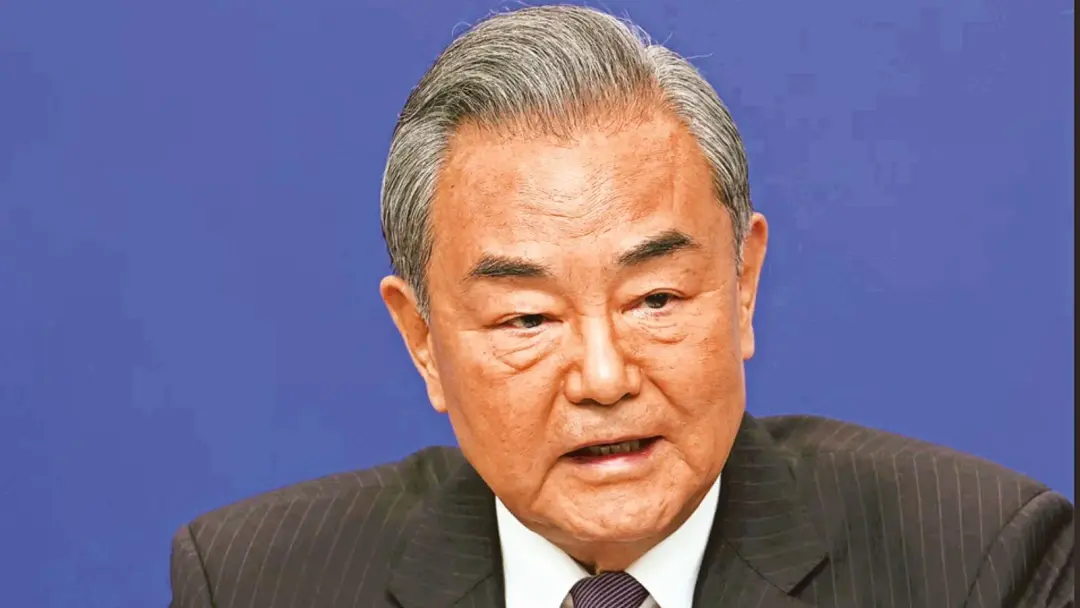
India, China should be partners: Wang Yi on Modi-Xi consensus
Chinese Foreign Minister Wang Yi said President Xi Jinping and Prime Minister Narendra Modi reached the "most important consensus" that China and India should be partners, PTI reported. The two leaders met in New Delhi on Saturday on the sidelines of the 18th BRICS Summit. Wang said they agreed to maintain peace in border areas and support each other's BRICS chairmanship. China Southern Airlines announced resumption of Guangzhou-New Delhi flights from September 21 after a six-year hiatus.
Source
Indian Express — India · read the original report ↗
Desk check · compared with the source
What the desk checked (5)
- Xi and Modi reached the 'most important consensus' that China and India should be partners. — Attributed to Chinese Foreign Minister Wang Yi speaking to Chinese official media, as reported by PTI.
- Modi said India will not allow any force to engage in anti-China activities on its territory. — Attributed to China's Foreign Ministry spokesperson at a Monday briefing; not independently confirmed in source.
- China Southern Airlines will resume Guangzhou-New Delhi passenger services from September 21 after a six-year hiatus. — Figure and date appear in source, attributed to the airline's announcement.
- Improved ties have been welcomed by over 2.8 billion people of both nations. — Attributed to Wang Yi; a rhetorical claim, no methodology given.
- China takes over as BRICS chair for 2027. — Stated in source without specific attribution.
Analysts’ view opinion
షీ జిన్పింగ్ ఏడేళ్ల తర్వాత ఢిల్లీ రావడం, 'భారత్-చైనా భాగస్వాములుగా ఉండాలి' అనే ఏకాభిప్రాయాన్ని వాంగ్ యీ ప్రముఖంగా ప్రచారం చేయడం — ఇది ఇరు దేశాలకూ రాజకీయంగా ఉపయోగపడే కథనం. చైనాకు ఇది 'భారత్ మా వైపు మొగ్గింది' అనే బహుళధ్రువ ప్రపంచ సందేశం; మోదీ ప్రభుత్వానికి ఇది సరిహద్దు ఉద్రిక్తతల తర్వాత దౌత్య స్థిరత్వం, బ్రిక్స్ ఆతిథ్యం ద్వారా 'కన్వీనింగ్ పవర్' ప్రదర్శన. కానీ చైనా వర్ణన (మోదీ ఇలా అన్నారని బీజింగ్ చెప్పడం) మరియు ఢిల్లీ వర్ణన (పరస్పర గౌరవం, భేదాలు వివాదాలుగా మారకూడదు) మధ్య ఉన్న స్వర భేదమే అసలు రాజకీయ ప్రమాద స్థానం.
- చైనా ప్రకటనలో మోదీ మాటలను ఉటంకించే తీరు — 'భారత భూభాగంలో చైనా వ్యతిరేక కార్యకలాపాలను అనుమతించబోము' — దేశీయ రాజకీయాల్లో ప్రతిపక్షాలకు ప్రశ్నించే అవకాశం ఇస్తుంది; ఇలాంటి బీజింగ్ వెర్షన్లపై గతంలోనూ వివాదాలు తలెత్తాయి.
- మోదీ ప్రభుత్వానికి లాభం స్పష్టం: బ్రిక్స్ వేదికపై దిగ్గజ నేతల హాజరును జైశంకర్ 'మోదీ ఇండియా బలమైన సమీకరణ శక్తి'గా ప్రచారం చేయడం విదేశాంగ విధాన విజయ కథనానికి ముడిసరుకు.
- బీజింగ్కు ప్రయోజనం భౌగోళిక-రాజకీయం: గ్లోబల్ సౌత్, బహుళధ్రువత్వం, ఐరాస/ఎస్సీఓ/జీ20 సమన్వయం అనే భాషను వాంగ్ ముందుకు తెచ్చడం ద్వారా భారత్ను పశ్చిమ కూటమి నుంచి కొంతైనా దూరం చేసినట్టు చూపగలదు.
- గ్వాంగ్జౌ-ఢిల్లీ విమానాల పునఃప్రారంభం, కైలాస యాత్ర లాంటివి రాజకీయంగా చూపించగలిగే 'ఫలితాలు' — సరిహద్దు పరిష్కారం కాకుండానే సాధారణీకరణను ప్రజలకు వివరించే సాధనాలు.
- సరిహద్దు అంశాన్ని 'విస్తృత సంబంధాల నేపథ్యంలో చూడాలి' అని వాంగ్ చెప్పడం, ఢిల్లీ మాత్రం పరస్పర సున్నితత్వాన్ని నొక్కడం — ప్రాధాన్యతల భేదం ఇంకా తీరలేదని సూచన.
What to watch — వాంగ్ చెప్పిన అంశాలపై, ప్రత్యేకించి మోదీ వ్యాఖ్యలుగా బీజింగ్ ఉటంకించిన భాగంపై, భారత విదేశాంగ శాఖ ఎలా స్పష్టత ఇస్తుందో మరియు ప్రతిపక్షాలు పార్లమెంటు లోపల/వెలుపల దీన్ని ఎలా వాడుకుంటాయో గమనించాలి.
ఈ కథనం ఆధారంగా సరిహద్దు వివాదంపై ఏ నిర్దిష్ట ఒప్పందం కుదిరిందో, లేదా వాంగ్ వర్ణించిన 'ఏకాభిప్రాయాన్ని' భారత్ అదే మాటల్లో అంగీకరించిందో స్థాపించబడలేదు.
Deep dive
Research brief · 8 facts · 8 dates · exam-readyThe brief
Context
Chinese President Xi Jinping visited New Delhi for the 18th BRICS Summit — his first India visit in seven years — and met Prime Minister Narendra Modi on the sidelines on Saturday evening. Chinese Foreign Minister Wang Yi, summing up the visit, said the "most important consensus" of the meeting was that China and India should be partners. The thaw follows the border agreement of October 2024 and earlier Modi-Xi meetings in Kazan (2024) and September 2025, with steps such as resumption of the Kailash Mansarovar Yatra and direct flights now flowing from that understanding.
Key facts
- Chinese Foreign Minister Wang Yi said Xi and Modi's "most important consensus" was that China and India should be partners; he spoke to Chinese official media on Sunday (PTI).
- Xi's two-day New Delhi visit for the 18th BRICS Summit was his first visit to India in seven years.
- China's Foreign Ministry spokesperson said on Monday that Beijing values Modi's statement that India will not allow any force to engage in anti-China activities on its territory.
- The two leaders agreed to jointly maintain peace and tranquility in border areas and to support each other's BRICS chairmanship; China takes over as BRICS chair for 2027.
- China Southern Airlines announced resumption of regular Guangzhou-New Delhi passenger services from September 21, after a six-year hiatus.
- Direct air services were suspended after the Covid-19 pandemic and tensions following the Doklam and Galwan standoffs; the Kailash Mansarovar Yatra resumed in 2024.
- Wang said improvement in ties has been welcomed by over 2.8 billion people of both nations and is an essential pillar of cooperation across the Global South.
- Xi was accompanied in Delhi by Wang Yi and Cai Qi, a member of the Standing Committee of the Chinese Communist Party's Political Bureau.
Timeline
- Doklam and Galwan standoffs (years not stated in the source)Tensions along with the Covid-19 pandemic led to suspension of direct air services between India and China.
- October 2024Border agreement between New Delhi and Beijing paves the way for a broader understanding.
- 2024Modi and Xi meet in Kazan, Russia; Kailash Mansarovar Yatra resumes post the border understanding.
- September 2025Modi-Xi meeting after which the two sides agreed on a number of steps to ease tensions.
- Saturday morning (during BRICS Summit)Xi lands in New Delhi; China Southern Airlines announces resumption of Guangzhou-New Delhi flights from September 21.
- Saturday eveningModi-Xi bilateral meeting on the sidelines of the 18th BRICS Summit — their third meeting since the breakthrough in ties.
- SundayWang Yi tells Chinese official media the leaders reached the consensus that China and India should be partners.
- MondayChinese Foreign Ministry spokesperson speaks on implementing the leaders' understandings; EAM S Jaishankar comments on the Summit's convening power.
Who has a stake
- Prime Minister Narendra Modi — Said the talks marked the beginning of a new chapter in bilateral ties; affirmed India's independent foreign policy and a strategic, long-term approach to China.
- President Xi Jinping — Said China and India can draw on each other's strengths, support one another and pursue common development.
- Wang Yi, Chinese Foreign Minister and Politburo member — Framed the outcomes publicly, including on borders, BRICS chairmanship and Global South cooperation.
- Government of India / MEA — Emphasised mutual respect, mutual sensitivity and mutual interest, and that differences should not become disputes.
- BRICS grouping — India hosted the 18th Summit; China takes over as chair for 2027, with mutual support pledged.
- Air travellers and pilgrims — Guangzhou-New Delhi flights resume from September 21; Kailash Mansarovar Yatra already resumed in 2024.
- External Affairs Minister S Jaishankar — Said the Summit showed the "strong convening power of Modi's India", with most delegations at head of state/government level.
Why it matters
The Modi-Xi meeting signals that India and China are moving from post-Galwan crisis management to a declared partnership framing, with border peace, multilateral coordination and restored connectivity as early deliverables. For India, the challenge is to lock in gains such as flights and pilgrimages while ensuring that the border question is not diluted into a mere subset of the wider relationship. The alignment also shapes BRICS, Global South and multipolarity narratives ahead of China's BRICS chairmanship in 2027.
UPSC angle
Prelims pointers
- The 18th BRICS Summit was hosted in New Delhi; China takes over as BRICS chair for 2027.
- Xi Jinping's visit was his first to India in seven years; he was accompanied by Wang Yi and Cai Qi.
- India-China direct flights: China Southern Airlines resumes Guangzhou-New Delhi route from September 21 after a six-year gap.
- Border agreement between India and China was reached in October 2024; Kailash Mansarovar Yatra resumed in 2024.
- Multilateral platforms named for India-China coordination: United Nations, Shanghai Cooperation Organisation (SCO) and G20.
- India's stated framework for ties: mutual respect, mutual sensitivity, mutual interest; differences should not become disputes.
Mains framing
The Modi-Xi meeting on the margins of the 18th BRICS Summit marks the third leaders' meeting since the post-2024 breakthrough, and Beijing's characterisation of the outcome as a consensus that "China and India should be partners" reflects a deliberate shift from the confrontation of the Doklam and Galwan years. The drivers are visible: the October 2024 border agreement, the resumption of the Kailash Mansarovar Yatra, restoration of direct air links from September 21, and a shared interest in Global South cooperation, multipolarity and coordination in the UN, SCO, G20 and BRICS, where India and China have pledged to back each other's chairmanships. Yet the two framings differ in emphasis — Wang Yi argues the border issue should be seen "in proper perspective within the broader context of the bilateral relationship", while New Delhi insists ties rest on mutual respect, mutual sensitivity and mutual interest and that differences must not become disputes. The way forward suggested by the story is incremental and verifiable: sustain peace and tranquility on the border, expand people-to-people and connectivity links, and use multilateral platforms for convergence, while India retains an independent foreign policy and manages asymmetries rather than assuming that leader-level warmth alone resolves structural differences.
Key terms
- BRICS
- Grouping whose 18th Summit India hosted in New Delhi; chairmanship rotates, with China taking over as chair for 2027.
- Doklam and Galwan standoffs
- India-China border confrontations cited in the source as reasons, along with Covid-19, for suspension of direct air services.
- Kailash Mansarovar Yatra
- Pilgrimage to Tibet that resumed in 2024 following the India-China border understanding.
- Politburo Standing Committee (CPC)
- Top decision-making body of the Chinese Communist Party; Cai Qi, who accompanied Xi, is a member.
- Global South
- Developing-country grouping; Wang Yi called better India-China ties an essential pillar of strengthening its cooperation.
- Shanghai Cooperation Organisation (SCO)
- Eurasian multilateral body listed, with the UN and G20, as a forum for India-China coordination.
Practice questions
- Critically examine the shift in India-China relations since the October 2024 border agreement. Can leader-level consensus substitute for a settled boundary framework?
- "Differences should not become disputes." Discuss how India can balance normalisation of ties with China against its core security concerns.
- Assess the significance of BRICS as a platform for India-China cooperation on Global South issues and a multipolar world order.
Grounded only in the source report — figures and dates are the source's, not inferred.