
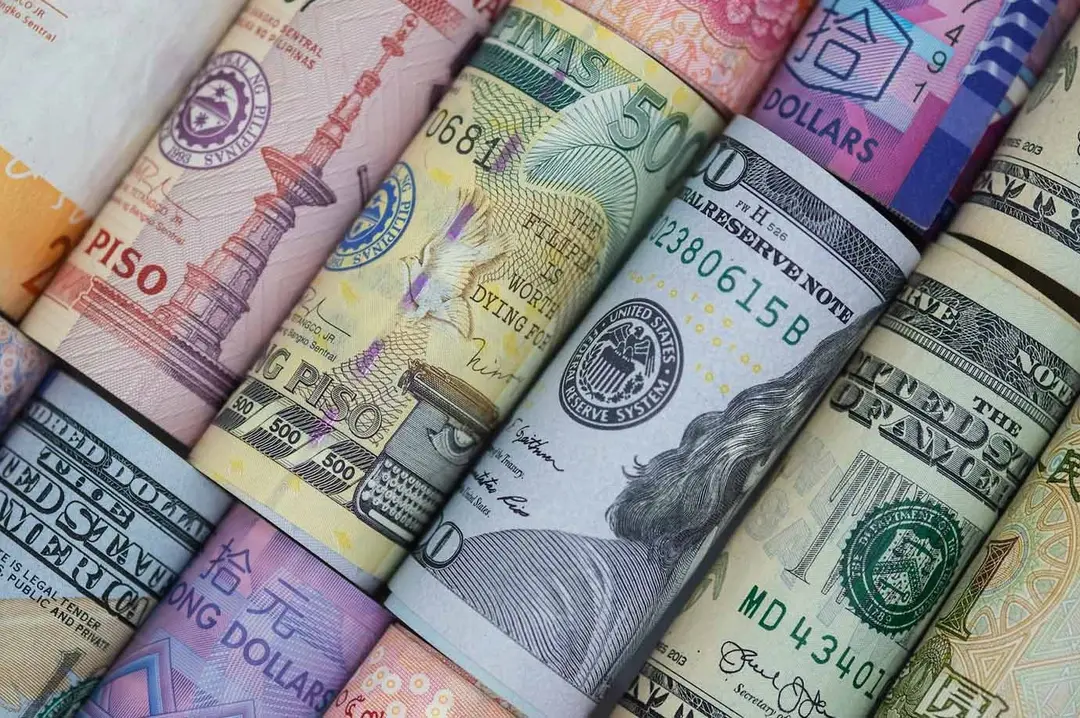
Nepal Rastra Bank announces today's foreign exchange rates
Nepal Rastra Bank has set today's foreign exchange rates. According to the central bank, the buying rate for one US dollar is Rs 153.10 and the selling rate Rs 153.70. The euro is quoted at Rs 175.83 buying and Rs 176.52 selling, and the UK pound sterling at Rs 204.69 and Rs 205.50. For 100 Indian rupees, the rates are Rs 160 and Rs 160.15. The Kuwaiti dinar is the highest listed at Rs 498.13 and Rs 500.08. The bank said rates may be revised as needed and commercial bank rates may differ.
Source
Nepal · read the original report ↗
Desk check · compared with the source
What the desk checked (5)
- US dollar buying rate Rs 153.10 and selling rate Rs 153.70 — Figure appears in source, attributed to Nepal Rastra Bank
- Euro buying Rs 175.83, selling Rs 176.52; UK pound buying Rs 204.69, selling Rs 205.50 — Figures appear in source, attributed to the central bank
- 100 Indian rupees buying Rs 160 and selling Rs 160.15 — Figure appears in source, attributed to the central bank
- Kuwaiti dinar is the highest-valued listed currency at buying Rs 498.13, selling Rs 500.08 — Figures appear in source; comparative ranking is consistent with the listed data
- Rates can be revised at any time and commercial bank rates may differ — Attributed to the central bank in the source
Analysts’ view opinion
This looks like routine daily housekeeping, but a central bank rate table is effectively a price signal for the whole economy. The near-flat Rs 160 per 100 Indian rupees reflects Nepal's long-standing peg to the Indian rupee — meaning the dollar, euro and pound values here move largely as a by-product of how the Indian rupee moves against those currencies. The Gulf currencies sitting at the top of the list (Kuwaiti dinar up to Rs 500, Omani and Bahraini dinars above Rs 400) matter directly to remittance-dependent households.
- The virtually static Rs 160 per 100 Indian rupees underlines the stability the peg delivers, keeping currency risk low on Nepal's largest trade relationship.
- A dollar selling rate of Rs 153.70 raises the local cost of dollar-invoiced imports such as fuel and machinery — the main channel through which these numbers reach domestic prices.
- The buy-sell spread (about 60 paisa on the dollar, only 15 paisa on the Indian rupee) is revenue for the banking system and a cost for anyone converting currency.
- High Gulf currency rates translate into more local-currency income for families of migrant workers, and remittances remain a key support for household consumption.
- The central bank's note that commercial bank rates may differ is important: these are reference rates, not the price an ordinary customer actually pays at the counter.
What to watch — Watch the dollar and the Indian rupee cross-rates along with Gulf currency levels, since together they shape both Nepal's import bill and its remittance earnings.
This is a single day's table and the story establishes nothing about the direction of change, nor about any impact on inflation, reserves or the trade deficit.
Deep dive
Research brief · 8 facts · 2 dates · exam-readyThe brief
Context
Nepal Rastra Bank (NRB), Nepal's central bank, publishes daily indicative buying and selling rates for major foreign currencies against the Nepali rupee. These reference rates guide banks, remittance firms, importers, travellers and migrant workers' families, though commercial banks may quote different rates. The latest list covers currencies from the US dollar and euro to Gulf currencies and 100 Indian rupees, the last reflecting Nepal's long-standing peg-based rate with the Indian rupee.
Key facts
- US dollar: buying Rs 153.10, selling Rs 153.70 per unit, as set by Nepal Rastra Bank for the day.
- Euro: buying Rs 175.83, selling Rs 176.52; UK pound sterling: buying Rs 204.69, selling Rs 205.50.
- 100 Indian rupees: buying Rs 160, selling Rs 160.15 — the narrowest spread on the list.
- Kuwaiti dinar is the highest-valued currency listed: buying Rs 498.13, selling Rs 500.08.
- Other Gulf dinars/riyals: Bahraini dinar Rs 406.11/407.70; Omani riyal Rs 397.66/399.22; Saudi riyal Rs 40.76/40.92; Qatari riyal Rs 41.99/42.16; UAE dirham Rs 41.69/41.85.
- Asian currencies: Chinese yuan Rs 22.86/22.95; 10 Japanese yen Rs 9.70/9.73; 100 South Korean won Rs 11.04/11.09; Thai baht Rs 4.59/4.61; Malaysian ringgit Rs 37.52/37.67.
- Other majors: Swiss franc Rs 185.65/186.38; Singapore dollar Rs 119.85/120.32; Canadian dollar Rs 109.37/109.80; Australian dollar Rs 109.08/109.51; Hong Kong dollar Rs 19.51/19.59.
- NRB says the rates can be revised at any time as needed, commercial bank rates may differ, and updated rates are on its website.
Timeline
- Today (date not stated in the source)Nepal Rastra Bank issues the day's foreign exchange buying and selling rates from Kathmandu.
- Any time thereafterNRB states the published rates may be revised as needed; updated rates to be posted on its website.
Who has a stake
- Nepal Rastra Bank — As central bank, it sets and publishes the daily reference exchange rates and can revise them at any time.
- Commercial banks in Nepal — Use the NRB reference as a benchmark but may quote their own differing buying and selling rates to customers.
- Nepali migrant workers and their families — Rates for the Gulf currencies, ringgit, won and dollar determine the rupee value of remittances sent home.
- Importers, exporters and traders — Dollar, euro, yuan and Indian rupee rates directly affect import bills, pricing and trade margins.
- Travellers, students abroad and tourists — Buying/selling spreads decide the cost of currency conversion for tuition, travel and spending.
- Indian businesses and border trade — The Rs 160 per 100 Indian rupees rate governs the bulk of Nepal's trade and cross-border transactions with India.
Why it matters
Exchange rates set by the central bank shape the cost of imports, the value of remittances that sustain many Nepali households, and the pricing of cross-border trade, most of which is with India. The 100 Indian rupees rate of Rs 160 buying and Rs 160.15 selling shows how tightly the Nepali rupee tracks the Indian rupee, meaning movements in the dollar against the Indian rupee pass through to Nepal. For readers, the daily list is a practical signal of currency costs and a reminder that bank counters may charge differently.
UPSC angle
Prelims pointers
- Nepal Rastra Bank is Nepal's central bank; it publishes daily foreign exchange buying and selling rates.
- Per NRB's list: 1 US dollar = Rs 153.10 buying, Rs 153.70 selling.
- 100 Indian rupees = Rs 160 buying and Rs 160.15 selling as per NRB.
- Kuwaiti dinar is the highest-valued currency on the NRB list at Rs 498.13/500.08.
- Japanese yen is quoted per 10 units and South Korean won per 100 units on the NRB list.
- NRB notes commercial banks' rates may differ from the central bank's published rates.
Mains framing
Daily exchange rate publication by a central bank is a transparency and price-discovery function: it gives households, traders and banks a common reference point in a small, import-dependent, remittance-reliant economy. The structure of Nepal Rastra Bank's list is itself informative — the extremely narrow spread on 100 Indian rupees (Rs 160 buying against Rs 160.15 selling) signals a closely managed rate with the Indian rupee, while wider spreads on the US dollar (Rs 153.10/153.70), pound (Rs 204.69/205.50) and Gulf currencies such as the Kuwaiti dinar (Rs 498.13/500.08) reflect market risk and conversion costs. Because a large share of Nepali household income arrives as remittances from the Gulf, Malaysia and Korea, the rupee value of those currencies feeds directly into consumption and the external account, while dollar and yuan rates determine import bills. The policy implications are about managing pass-through and expectations: NRB explicitly reserves the right to revise rates as needed and flags that commercial bank quotes may differ, which points to the need for consumer awareness of spreads, accessible published rates (NRB's website), and competitive, transparent retail conversion at banks and remittance channels. Caution: the source provides only one day's rates and no trend data, so directional conclusions about appreciation or depreciation cannot be drawn.
Key terms
- Nepal Rastra Bank (NRB)
- Nepal's central bank, which sets and publishes the country's daily foreign exchange reference rates.
- Buying rate
- The rate at which the bank buys a foreign currency from the customer, in Nepali rupees per unit.
- Selling rate
- The rate at which the bank sells a foreign currency to the customer; always higher than the buying rate.
- Spread
- The gap between buying and selling rates, e.g. Rs 0.60 for the US dollar and Rs 0.15 for 100 Indian rupees.
- Reference (indicative) rate
- A benchmark rate published by the central bank; commercial banks may quote rates that differ from it.
Practice questions
- Why does the Nepali rupee's rate against the Indian rupee carry a much narrower buying-selling spread than its rate against the US dollar? Discuss the implications for Nepal's trade and monetary policy.
- Examine the role of a central bank's daily exchange rate publication in a remittance-dependent, import-reliant economy.
- Nepal Rastra Bank's daily rates list 100 Indian rupees at Rs 160 buying and Rs 160.15 selling, while the US dollar is Rs 153.10/153.70. What does the structure of such a rate sheet reveal about currency risk and conversion costs for households?
Grounded only in the source report — figures and dates are the source's, not inferred.