
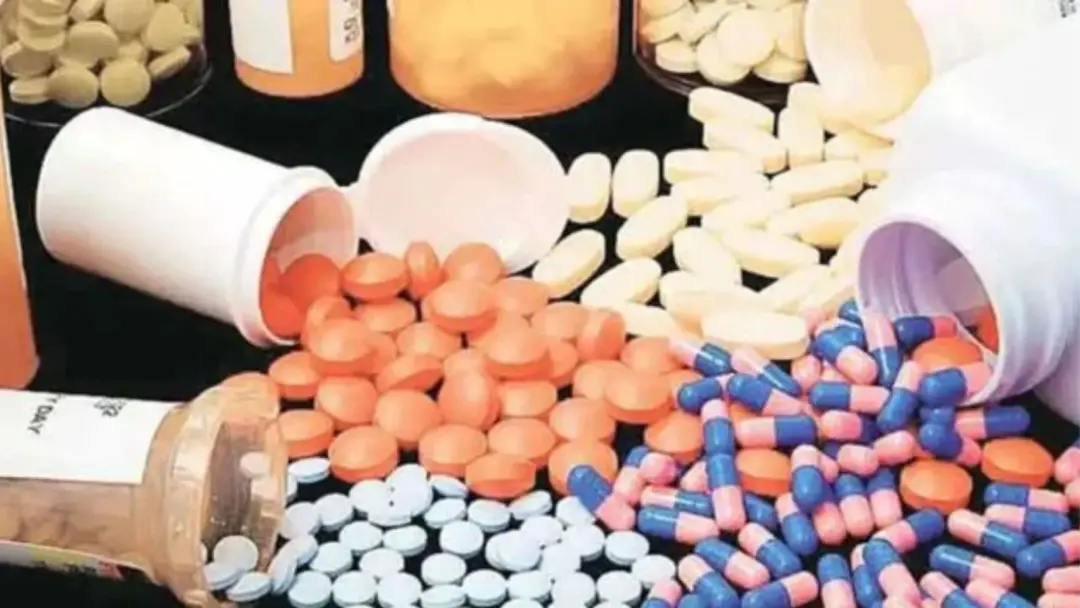
Bengaluru fake drug case: 16 licences cancelled, Pfizer depot suspended
Karnataka has cancelled the licences of 16 retail and wholesale pharmaceutical firms in Bengaluru and suspended those of eight others, including Pfizer's depot, over their alleged role in selling or supplying spurious products, Health Minister U T Khader said Sunday. He said Pfizer's sale in the state was stopped as the company did not cooperate with the probe. Raids on August 18 at farmhouses in Bidadi and Dodderi in Bengaluru South district yielded counterfeit medicines worth about Rs 5 crore, an injection-filling machine and fake labels.
Source
Indian Express — Cities · read the original report ↗
Desk check · compared with the source
What the desk checked (4)
- Karnataka FSDA cancelled licences of 16 retail and wholesale pharma firms and suspended eight others, including Pfizer's depot. — Attributed to Health Minister U T Khader, speaking Sunday; named firm lists appear in the source.
- Pfizer's sale in the state was stopped because the company did not cooperate with the investigation. — Direct quote attributed to Khader; Pfizer has not replied to the publication's email, so the allegation is uncontested in the source.
- August 18 raids at farmhouses in Bidadi and Dodderi, Bengaluru South district, seized suspected counterfeit medicines worth about Rs 5 crore. — Figure and dateline appear in the source, attributed to FSDA; itemised seizure list broadly supports the total.
- Counterfeit labels carried QR codes found to be completely non-functional, and the drugs lack active ingredients. — Attributed to FSDA; samples reportedly sent to government labs, so composition results are pending.
Analysts’ view opinion
This looks like a criminal case, but the real question is one of regulatory design: injection-filling machines can operate out of farmhouses only where post-licensing inspection and supply-chain tracking are weak. Cancelling 16 licences and suspending eight reads as decisive action, yet the stated reason for suspending Pfizer's depot is non-cooperation with the probe, not alleged counterfeiting — two very different kinds of action bundled into one announcement. Fast action is defensible on public-health grounds, but both the availability of life-saving injectables and the legal durability of these orders will now be tested.
- The case exposes a familiar policy gap: India's drug licensing system invests heavily in entry approval and far less in continuous post-licence surveillance.
- The preliminary finding that cheap drugs were sourced from neighbouring states and relabelled points to structural weakness in inter-state coordination of drug regulation.
- Non-functional QR codes show that track-and-trace technology is worthless if verification is not genuinely available at the buyer's end.
- Blocking batch numbers on the portal and sending samples to government labs are the right instruments, but the strength of the case will depend on lab capacity and turnaround time.
- Advising patients to demand valid invoices and report suspicious packaging shifts much of the burden onto the consumer, which cannot substitute for systemic inspection.
What to watch — Watch the scope of the SIT probe, the government lab test results, whether Pfizer's suspension is lifted or extended once it responds, and whether hospital supply of injectables is disrupted by the enforcement drive.
The allegations remain at a preliminary investigation stage; the story does not establish which firms are culpable, why Pfizer is said to have not cooperated, or whether the cancellations and suspensions will survive legal scrutiny.
Deep dive
Research brief · 8 facts · 4 dates · exam-readyThe brief
Context
Karnataka's Food Safety and Drugs Administration (FSDA) raided farmhouses in the Bidadi and Dodderi areas of Bengaluru South district on August 18 and seized suspected counterfeit medicines worth around Rs 5 crore, along with fake bills, an injection-filling machine and forged labels. A Special Investigation Team (SIT) was later formed to probe the wider racket. Following the probe, the FSDA cancelled the licences of 16 retail and wholesale pharmaceutical firms in Bengaluru and suspended eight others, including the depot of global pharma major Pfizer. Health Minister U T Khader said Pfizer's sale in the state was stopped because the company did not cooperate with the investigation.
Key facts
- Karnataka FSDA cancelled licences of 16 retail and wholesale pharmaceutical firms across Bengaluru and suspended eight others, including Pfizer's depot.
- FSDA raids on August 18 at farmhouses in Bidadi and Dodderi, Bengaluru South district, seized suspected counterfeit medicines worth around Rs 5 crore.
- Health Minister U T Khader: "We have stopped Pfizer's sale in the state because they did not cooperate with the investigation."
- Largest seizure component: 5,640 vials of counterfeit Cefiavigent 2.5 injection falsely branded under Eucratia Healthcare Pvt Ltd, valued at over Rs 3.38 crore.
- Also seized: 1,531 vials of Hizlam injectables falsely attributed to Welcure Remedies (Rs 52.24 lakh) and 264 vials of Emblaveo counterfeiting Pfizer (Rs 20.59 lakh).
- 30 boxes of expired medications worth Rs 35 lakh were apparently being prepared for reintroduction into the market.
- Counterfeit labels carried QR/scanning codes that the FSDA found to be completely non-functional on verification.
- FSDA blocked batch numbers of seized drugs on its portal and sent samples to government laboratories to test composition, sterility and potency.
Timeline
- August 18FSDA raids farmhouses in Bidadi and Dodderi, Bengaluru South district; seizes counterfeit medicines worth about Rs 5 crore, fake bills, injection-filling equipment and counterfeit labels.
- After the raidsA Special Investigation Team (SIT) is formed to probe the wider spurious drugs racket.
- Sunday (as reported)Health Minister U T Khader announces cancellation of 16 licences and suspension of eight, including Pfizer's depot; Pfizer's sale stopped in the state.
- After the announcementThe Indian Express emails Pfizer for a response; the American multinational has yet to reply.
Who has a stake
- Karnataka Food Safety and Drugs Administration (FSDA) — Enforcement agency that conducted the raids, cancelled/suspended licences, blocked batch numbers and sent samples for lab testing.
- Health Minister U T Khader — Announced the licence actions and the halt on Pfizer's sale in the state for non-cooperation with the SIT.
- Pfizer — Its depot licence suspended and sale stopped in Karnataka; its imported brands were being counterfeited; has not responded to queries.
- Special Investigation Team (SIT) — Tasked with probing the wider racket; firms not cooperating with it faced suspension.
- Patients and the public — Counterfeit drugs lack active medicinal ingredients and may contain harmful substances, posing a serious threat to public health.
- 16 cancelled and 8 suspended firms (e.g., Avesco Healthcare, Bangalore Speciality Pharma, St Philomena Hospital Drug Centre, Med Pharma, Viva Pharma Belagavi) — Loss of licence to sell or supply drugs pending or following inquiry.
Why it matters
Life-saving injectables, including expensive imported brands, were allegedly faked by refilling cheap drugs from neighbouring states into relabelled vials, with non-functional QR codes used to fool buyers. Such drugs lack active ingredients and may contain harmful substances, putting critically ill patients at direct risk. The suspension of a multinational's depot licence for non-cooperation also shows how enforcement now reaches up the supply chain, not just to small retailers.
UPSC angle
Prelims pointers
- Karnataka Food Safety and Drugs Administration (FSDA) is the state drug regulator that ordered the licence cancellations and suspensions.
- 16 pharmaceutical licences cancelled, 8 suspended in Bengaluru; Pfizer's depot among those suspended.
- Raid date: August 18; locations Bidadi and Dodderi, Bengaluru South district; seizure value about Rs 5 crore.
- Single largest item seized: 5,640 vials of Cefiavigent 2.5 injection, falsely branded under Eucratia Healthcare Pvt Ltd, worth over Rs 3.38 crore.
- FSDA blocked the seized drugs' batch numbers on its portal and sent samples for composition, sterility and potency testing.
- FSDA advisory: buy life-saving drugs only from licensed pharmacies, insist on valid tax invoices, report non-functional QR codes.
Mains framing
The Bengaluru spurious drugs case illustrates how counterfeiting has moved from crude imitation to organised, technology-mimicking fraud: per the FSDA's preliminary investigation, low-cost medicines were procured from neighbouring states, refilled into new vials and relabelled as expensive imported life-saving brands, complete with QR codes that were found non-functional only on verification. The seizures - over 5,600 vials of one counterfeit injectable alone, plus 30 boxes of expired medicines worth Rs 35 lakh apparently being readied for resale, an injection-filling machine and bulk forged labels and stamps - point to gaps in supply-chain traceability, distributor oversight and disposal of expired stock. The regulatory response so far has combined punitive and preventive measures: cancellation of 16 licences, suspension of eight (including a multinational's depot for non-cooperation with the SIT), blocking of batch numbers on the FSDA portal, laboratory testing for composition, sterility and potency, and a public advisory to buy only from licensed pharmacies and insist on tax invoices. The way forward, on the evidence in the source, lies in making authentication codes genuinely verifiable, enforcing invoice trails for high-value injectables, ensuring full cooperation of manufacturers and depots with investigations, and building citizen reporting of suspicious packaging into routine enforcement.
Key terms
- FSDA
- Karnataka Food Safety and Drugs Administration, the state agency that raided the farmhouses and cancelled or suspended the pharmaceutical licences.
- Spurious drugs
- Counterfeit medicines passed off as branded products; per the FSDA these lack active medicinal ingredients and may contain harmful substances.
- SIT (Special Investigation Team)
- Team formed after the August 18 raids to probe the wider counterfeit drug racket; non-cooperation with it led to licence suspensions.
- Depot (pharma)
- A company's stocking and distribution point in a state; Pfizer's depot licence was suspended and its sale in Karnataka stopped.
- Batch number blocking
- FSDA's step of flagging batch numbers of seized drugs on its portal to prevent further sale or distribution.
- Relabelling/refilling racket
- Practice of putting cheap drugs into new vials with forged labels of costly brands, as alleged at the Bidadi and Dodderi farmhouses.
Practice questions
- Examine how the Bengaluru counterfeit drugs case exposes weaknesses in India's pharmaceutical supply-chain regulation, and suggest measures to strengthen drug authentication and traceability.
- Discuss the role of state drug regulators such as Karnataka's FSDA in ensuring drug safety. What enforcement tools did the FSDA use in the Bengaluru spurious drugs case?
- Non-functional QR codes on counterfeit medicine labels suggest that technology alone cannot ensure drug authenticity. Critically comment.
Grounded only in the source report — figures and dates are the source's, not inferred.