
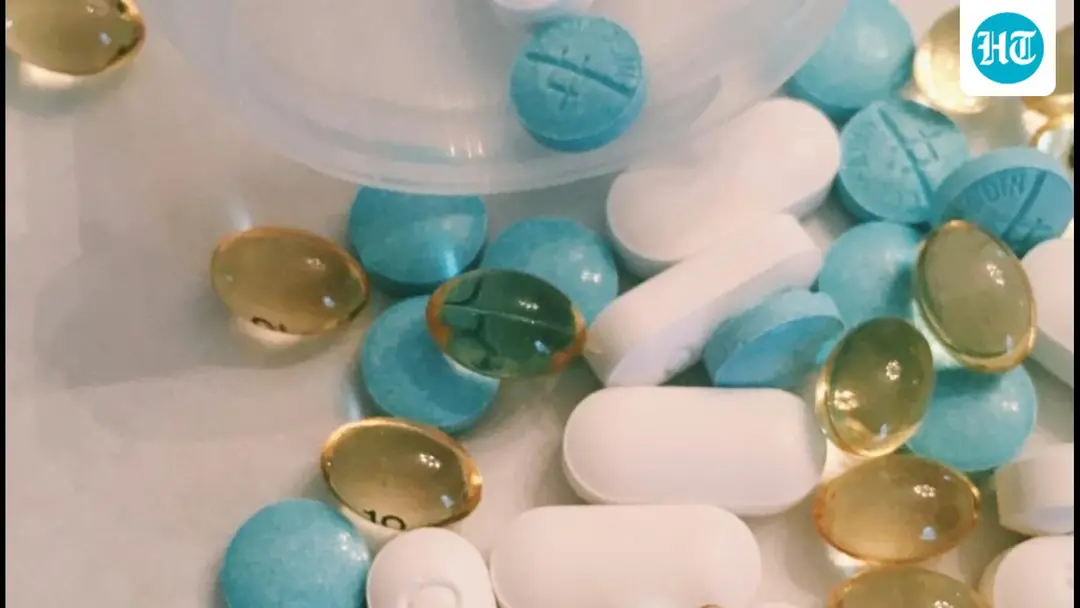
Karnataka FDA cancels 16 drug licences, suspends eight
The Karnataka Food Safety and Drugs Administration has cancelled 16 drug licences and suspended eight others as its probe into a suspected counterfeit medicine network near Bidadi widens to pharmacies and wholesalers. The suspended licences include the wholesale licence of Pfizer Ltd in Bengaluru Rural district. The action follows an August 18 raid on an unlicensed facility at Kurubarakeranahalli, where medicines, machinery and forged labels worth ₹5.05 crore were seized. A criminal case has been registered and a Special Investigation Team is tracing the supply chain.
Source
Hindustan Times — India · read the original report ↗
Desk check · compared with the source
What the desk checked (5)
- Karnataka FDA cancelled 16 drug licences and suspended eight others. — Attributed to the Karnataka Food Safety and Drugs Administration; individual firm names listed in source.
- Pfizer Ltd's wholesale licence in Bengaluru Rural district was suspended. — Stated in source as part of FDA action; location given as Kempanalinganahalli, Nelamangala taluk.
- August 18 raid at Kurubarakeranahalli near Bidadi seized material worth ₹5.05 crore. — Figure and date appear in source, attributed to FDA.
- Counterfeit labels carried nonfunctional QR codes and drugs were relabelled to imitate Pfizer brands. — Direct quotes attributed to the FDA; described as preliminary investigation findings.
- A criminal case is registered and an SIT has widened the probe. — Attributed to FDA statement; no court outcome reported.
Analysts’ view opinion
This reads less like a one-off raid and more like a stress test that the drug regulation system did not pass cleanly. Action against 24 licences — cancellations plus suspensions — suggests product from a single unlicensed unit travelled through wholesalers, pharmacies and hospital drug centres, meaning the weak link is the distribution-chain audit, not just manufacturing oversight. Blocking batch numbers on the portal and sending samples for testing is the correct sequence, but all of it is post-facto response.
- The administrative arm moved fast on licences, while criminal prosecution under the Drugs and Cosmetics Act, 1940 typically takes far longer — that speed gap blunts deterrence.
- The targeting of high-value injectable antibiotics and life-saving brands argues for risk-based, intelligence-led inspection concentrated on expensive, high-demand categories.
- The finding of non-functional QR codes matters: track-and-trace labelling only works if someone at the pharmacy or patient end actually verifies the scan.
- Suspension of a wholesale licence carrying a major brand name signals action without regard to size, but suspension is a precautionary step pending inquiry, not a finding of guilt.
- Advising patients to buy only from licensed outlets against valid invoices is practical, yet shifting the verification burden onto patients cannot substitute for regulatory assurance.
What to watch — Whether the SIT stops at this facility or traces the supply line back to out-of-state sources, and what the laboratory results show about whether any of this stock reached patients.
Lab results are pending and the allegations remain at a preliminary stage; the story does not establish the degree of involvement of each firm whose licence was cancelled or suspended, nor does it establish that any patient was harmed.
Deep dive
Research brief · 8 facts · 5 dates · exam-readyThe brief
Context
The Karnataka Food Safety and Drugs Administration (FDA) is investigating a suspected counterfeit medicine syndicate uncovered at an unlicensed facility in Kurubarakeranahalli near Bidadi, raided on August 18. Investigators allege cheap drugs brought in from neighbouring states were refilled into new vials and relabelled as expensive imported life-saving brands of multinational firms, notably imitating 'Pfizer' products. As the probe widened from the manufacturing unit to pharmacies and wholesalers, the FDA cancelled 16 drug licences and suspended eight, including Pfizer Ltd's wholesale licence in Bengaluru Rural district. A criminal case has been registered under the Drugs and Cosmetics Act, 1940, and a Special Investigation Team is tracing the supply chain.
Key facts
- Karnataka FDA cancelled 16 drug licences and suspended eight as the Bidadi counterfeit drug probe widened to pharmacies and wholesalers.
- The August 18 raid on an unlicensed facility at Kurubarakeranahalli near Bidadi yielded medicines, machinery, packaging material and forged labels worth Rs 5.05 crore.
- Suspended licences: Med Pharma, Surya Speciality Hospital, Sagar Pharma Unit-II, Vivantha Pharmaceuticals, Maruthi Medicals, Viva Pharma, Hi-5 Pharma and Pfizer Ltd.
- Pfizer Ltd's suspended wholesale licence is at Kempanalinganahalli village, Nelamangala taluk, Bengaluru Rural district.
- Largest seizure: 5,640 vials of CEFIAVIGENT 2.5 Injection valued at Rs 3.38 crore; 1,531 vials of HIZLAM Injectables worth Rs 52.24 lakh.
- Also seized: 30 boxes of expired drugs worth Rs 35 lakh, 470 vials of Xavitaz Inj. (Rs 27.49 lakh) and 264 vials of EMBLAVEO bearing Pfizer Ltd's name (Rs 20.59 lakh).
- Equipment seized included an injection filling machine worth Rs 7 lakh and forged labels and stamps valued at Rs 14 lakh.
- Counterfeit labels carried QR/scanning codes that were found completely nonfunctional on verification by investigators.
Timeline
- Before the raidKarnataka's Drug Enforcement Wing received a tip-off about the unlicensed facility near Bidadi.
- August 18FDA raided the Kurubarakeranahalli facility, seizing medicines, machinery, packaging material and forged labels worth Rs 5.05 crore.
- After the raidBatch numbers of seized drugs blocked on the Karnataka FDA portal; samples sent for laboratory testing of composition, sterility and potency.
- SubsequentlyCriminal case registered; 16 licences cancelled and eight suspended, including Pfizer Ltd's wholesale licence.
- OngoingSIT extended the probe to trace the supply chain; seized stock to be produced before the JMFC Court, Bangalore South.
Who has a stake
- Karnataka Food Safety and Drugs Administration — Regulator conducting the raid, cancelling/suspending licences, blocking batch numbers and prosecuting under the Drugs and Cosmetics Act.
- Drug Enforcement Wing and Special Investigation Team — Acted on the tip-off and are now tracing the supply chain and moving to arrest those behind the syndicate.
- Patients on life-saving injectable antibiotics — Face a potentially fatal risk from spurious drugs with no active ingredients, wrong ingredients or toxic substances.
- Pfizer Ltd — Its brand name was allegedly imitated on counterfeit imported products; its Bengaluru Rural wholesale licence stands suspended.
- Pharmacies, wholesalers and hospital drug centres named — 24 licences cancelled or suspended, including hospital drug centres, affecting their legal right to stock and sell medicines.
- JMFC Court, Bangalore South — Seized spurious drugs, machinery and printing materials will be produced before it for further legal proceedings.
Why it matters
The case shows how counterfeit injectable antibiotics, the drugs used against serious bacterial infections, can enter the legal retail chain through licensed pharmacies and wholesalers. Fake vials with nonfunctional QR codes and relabelled expired stock defeat the very tools patients rely on to verify authenticity. With spurious drugs carrying no active ingredient or toxic substances, the regulatory failure translates directly into treatment failure and avoidable deaths.
UPSC angle
Prelims pointers
- Karnataka FDA cancelled 16 and suspended 8 drug licences in the Bidadi counterfeit medicine probe.
- August 18 raid at Kurubarakeranahalli near Bidadi: seizure worth Rs 5.05 crore.
- Spurious drugs are defined under Section 17B of the Drugs and Cosmetics Act, 1940; punishment under Section 27.
- Manufacture, sale, stocking and distribution of spurious drugs are punishable offences under Section 27.
- Pfizer Ltd's suspended wholesale licence is in Nelamangala taluk, Bengaluru Rural district.
- Seized material to be produced before the JMFC Court, Bangalore South; SIT tracing the supply chain.
Mains framing
The Bidadi counterfeit drug case illustrates how India's pharmaceutical supply chain can be penetrated at its weakest points: an unlicensed premises operating without the licences required under the Drugs and Cosmetics Act, 1940, procuring low-cost medicines from neighbouring states, refilling them into new vials and relabelling them as costly imported MNC brands. The economics are the driver, with a single seized consignment of 5,640 vials of CEFIAVIGENT 2.5 Injection valued at Rs 3.38 crore, while an injection filling machine costing only Rs 7 lakh and forged labels and stamps worth Rs 14 lakh sufficed as infrastructure. The implications are grave: the drugs involved are injectable antibiotics for serious bacterial infections, and the FDA warns that spurious drugs may contain no active ingredient, wrong ingredients or toxic substances; expired stock among the seizures suggests possible reintroduction into circulation. Crucially, anti-counterfeit safeguards were mimicked rather than defeated, as the counterfeit labels bore QR codes that simply failed to scan, and the network reached licensed wholesalers and hospital drug centres, as the 24 licence actions show. The way forward suggested by the source lies in enforcement and traceability: blocking seized batch numbers on the FDA portal, laboratory verification of composition, sterility and potency, SIT tracing of the supply chain, prosecution under Sections 17B and 27, and consumer-side vigilance through purchases from licensed pharmacies against valid tax invoices with reporting of QR codes that fail to scan.
Key terms
- Spurious drugs (Section 17B)
- Category under the Drugs and Cosmetics Act, 1940 covering fake or misrepresented medicines; the seized drugs fall under this definition.
- Section 27, Drugs and Cosmetics Act, 1940
- Provision making the manufacture, sale, stocking and distribution of such spurious drugs punishable.
- Drug Enforcement Wing
- Karnataka FDA arm that received the tip-off and initiated the investigation into the Bidadi facility.
- Special Investigation Team (SIT)
- Team that has extended the probe to trace the supply chain and arrest those behind the syndicate.
- Karnataka FDA portal
- Departmental platform where batch numbers and entries of the seized drugs were blocked to prevent further distribution or sale.
- JMFC Court
- Judicial Magistrate First Class court, Bangalore South, before which the seized drugs, machinery and printing materials will be produced.
Practice questions
- Examine the regulatory gaps that allow counterfeit life-saving injectables to reach patients through licensed pharmacies and wholesalers, with reference to the Karnataka Bidadi case.
- Discuss the adequacy of the Drugs and Cosmetics Act, 1940 framework, including Sections 17B and 27, in deterring spurious drug syndicates.
- How can track-and-trace mechanisms such as batch blocking and QR verification be strengthened when counterfeiters replicate the codes themselves?
Grounded only in the source report — figures and dates are the source's, not inferred.