
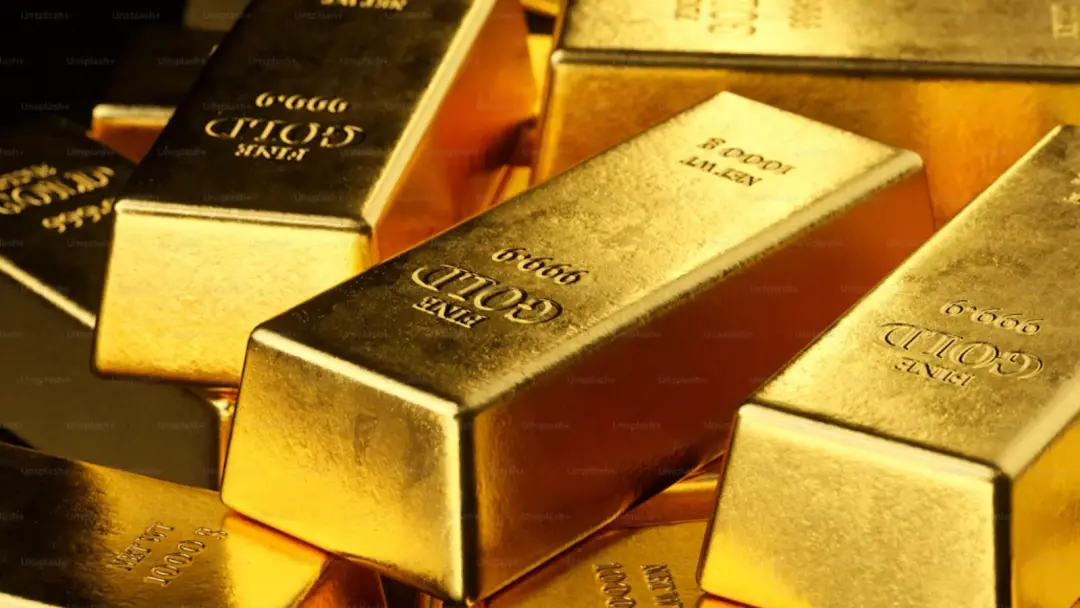
Gold prices ease in India; 24 carat at Rs 15,017
Gold in India stood at Rs 15,017 per gram for 24 carat, Rs 13,765 for 22 carat and Rs 11,263 for 18 carat on September 28, as per Good Returns. That marks decreases of Rs 251, Rs 230 and Rs 188 respectively over September 27 levels. Delhi quoted 24 carat at Rs 15,032. Giottus.com CEO Vikram Subburaj said MCX October gold was near Rs 1,50,701 per 10 grams and Silver Mini around Rs 2,36,680 a kg, while spot gold fell 1.5% to about $4,224 an ounce.
Source
Indian Express — India · read the original report ↗
Desk check · some claims need care
What the desk checked (5)
- 24K gold is Rs 15,017 per gram, 22K Rs 13,765 and 18K Rs 11,263 in India on September 28, 2026. — Attributed to Good Returns in the source; note the source's own table lists the identical figures for 10g, an internal inconsistency.
- 24K fell Rs 251, 22K Rs 230 and 18K Rs 188 from September 27 levels. — Figures appear in the source; no separate data source cited for the previous day's prices.
- MCX October gold was around Rs 1,50,701 per 10g and Silver Mini around Rs 2,36,680 per kg in the early September 28 session. — Attributed to Vikram Subburaj, CEO of Giottus.com, who flags these as early-session, not closing, prices.
- Spot gold fell 1.5% to about $4,224 an ounce, with US futures near $4,258. — Attributed to the same quoted CEO; no exchange or agency data cited.
- A collapsed US-Iran maritime armistice drove a safe-haven rally lifting domestic gold prices sharply higher. — Unattributed in the source and contradicts the same article's report of falling gold prices; editor review required.
Analysts’ view opinion
This looks like a one-day pullback, not the end of gold's bull run. The Rs 251 per gram drop in 24-carat gold is driven from outside India — spot gold fell 1.5% to about $4,224 an ounce, the dollar firmed, and higher oil prices have revived talk of further US rate hikes. With the MCX October contract still around Rs 1,50,701 per 10 grams, prices remain historically elevated even after the correction.
- The move is imported, not domestic: the 1.5% fall in global spot gold passed straight through to Indian rates, showing how much the local buyer's price depends on the dollar and the rupee.
- Who gains: retail buyers waiting for wedding and festive purchases, and jewellery retailers who have been losing volumes to high prices and could see billing improve.
- Who pays: investors who bought near recent highs, and holders of long positions in gold ETFs and futures; gold-loan lenders also face pressure on collateral values if the slide extends.
- If rate-hike expectations harden, a non-yielding asset like gold stays under pressure — but the West Asia tensions cited in the story could just as easily pull safe-haven demand back, leaving a two-way market.
- City-to-city spreads are tiny (Delhi Rs 15,032 versus Rs 15,017 elsewhere), which reflects freight and local levies rather than any divergence in demand.
What to watch — Watch the international spot price, the dollar-rupee rate and developments in West Asia — together they will decide whether this dip extends or is bought back by safe-haven flows.
These are single-day, early-session quotes rather than closing levels, and the story establishes nothing about the longer-term trend, actual jewellery sales volumes or the impact on imports.
Deep dive
Research brief · 8 facts · 4 dates · exam-readyThe brief
Context
Retail gold and silver prices in India are quoted daily by aggregators such as Good Returns and traded on the Multi Commodity Exchange (MCX), and they track international spot gold, the US dollar, interest-rate expectations and import duties. On September 28, 2026, Indian retail gold rates eased across purities after a sharp fall in global spot gold. The backdrop is heightened West Asia tension after the collapse of a US-Iran 60-day maritime truce brokered in mid-June 2026, which had earlier driven a safe-haven rally in bullion.
Key facts
- Gold in India on September 28, 2026: Rs 15,017 per gram for 24 carat, Rs 13,765 for 22 carat and Rs 11,263 for 18 carat, as per Good Returns.
- The 24K rate fell Rs 251, 22K fell Rs 230 and 18K fell Rs 188 compared with September 27 prices.
- Delhi quoted the highest rates among listed cities: Rs 15,032 (24K), Rs 13,780 (22K) and Rs 11,278 (18K).
- Vadodara and Ahmedabad were at Rs 15,022 (24K); Chennai's 18K rate was higher than other cities at Rs 11,535.
- MCX October gold was around Rs 1,50,701 per 10 grams in the early September 28 session, per Giottus.com CEO Vikram Subburaj.
- The MCX Silver Mini contract was around Rs 2,36,680 per kg in the early September 28 session; these were not closing levels.
- Spot gold fell 1.5% to around $4,224 an ounce on September 28; US gold futures were around $4,258 an ounce.
- A 60-day US-Iran maritime armistice brokered in mid-June 2026 to protect commercial shipping lanes has collapsed, with both sides resuming military operations.
Timeline
- Mid-June 2026US and Iran broker a 60-day maritime armistice to secure vital commercial shipping lanes.
- Before September 28, 2026 (date not stated)The armistice officially breaks down; missile strikes resume, naval hazards rise and formal diplomatic channels are severed.
- September 27, 2026Previous day's retail gold rates, against which the September 28 declines of Rs 251/Rs 230/Rs 188 are measured.
- September 28, 2026Indian retail gold eases to Rs 15,017 (24K); spot gold falls 1.5% to about $4,224/oz; MCX October gold near Rs 1,50,701 per 10 grams.
Who has a stake
- Indian retail gold buyers and jewellery consumers — A Rs 251 per gram fall in 24K rates lowers purchase cost, though city-wise rates differ (Delhi higher at Rs 15,032).
- Jewellers and bullion traders — Volatile daily rates and import tax revisions affect inventory valuation, margins and demand.
- MCX futures traders and investors — Exposure to October gold near Rs 1,50,701 per 10 grams and Silver Mini near Rs 2,36,680 per kg amid intraday swings.
- Giottus.com CEO Vikram Subburaj — Market commentator attributing gold's weakness to global cues, a stronger dollar and US rate-hike expectations.
- Iran and the United States — Collapse of the maritime truce and renewed strikes drive energy market disruption and safe-haven flows into bullion.
- Indian importers and the current account — Gold price levels, import duty changes and rupee-dollar volatility influence the import bill.
Why it matters
Gold is both a household savings instrument and a major item in India's import bill, so daily price swings affect consumers, jewellers and the external account. The September 28 dip shows how quickly global drivers — a 1.5% fall in spot gold, a stronger dollar, oil-driven inflation fears and US rate-hike expectations — transmit into Indian retail rates. At the same time, the collapse of the US-Iran maritime truce keeps safe-haven demand and energy-price risk alive, making the direction of prices uncertain.
UPSC angle
Prelims pointers
- Gold purity: 24 carat is the purest; 22 carat and 18 carat are alloyed grades quoted at lower rates.
- MCX (Multi Commodity Exchange) lists gold and Silver Mini contracts; October gold was near Rs 1,50,701 per 10 grams on September 28, 2026.
- Spot gold is quoted in US dollars per troy ounce; it fell 1.5% to about $4,224 an ounce on September 28, 2026.
- Gold is a non-yielding asset — a stronger dollar and higher interest rates typically weigh on it.
- Strait of Hormuz is a strategic chokepoint for global energy shipping, central to the US-Iran standoff.
- City-wise Indian gold rates vary marginally: Delhi Rs 15,032, Ahmedabad/Vadodara Rs 15,022, Mumbai/Chennai/Kolkata Rs 15,017 for 24K.
Mains framing
India's gold market illustrates how a domestic consumption good is priced by global forces. On September 28, 2026, retail 24K gold eased to Rs 15,017 per gram (down Rs 251 in a day) because spot gold fell 1.5% to about $4,224 an ounce, with the pressure traced, per Giottus.com's Vikram Subburaj, to a stronger dollar, higher oil prices feeding inflation concerns, and consequent expectations of further US rate hikes that hurt non-yielding assets. Yet the opposite force is also at work: the collapse of the US-Iran 60-day maritime armistice brokered in mid-June 2026, renewed missile strikes and naval hazards in shipping lanes near the Strait of Hormuz had triggered a safe-haven rally, compounded by import tax revisions and forex volatility. For India, this two-way volatility complicates household savings decisions, jewellers' inventory management and the import bill. The way forward, as suggested by the market structure described, lies in better price transparency across cities and purities, hedging through exchange-traded contracts such as MCX gold and Silver Mini, and calibrated import duty policy; the source does not detail specific government measures.
Key terms
- 24 carat / 22 carat / 18 carat
- Purity grades of gold; 24K is purest, with 22K and 18K containing more alloy and priced lower.
- MCX
- Multi Commodity Exchange, where Indian gold and silver futures such as October gold and Silver Mini are traded.
- Spot gold
- The international cash price of gold, quoted in dollars per ounce; it fell 1.5% to about $4,224 on September 28, 2026.
- Safe-haven rally
- A surge in demand for assets like gold when geopolitical or market risks rise, pushing prices higher.
- Non-yielding asset
- An asset such as gold that pays no interest or dividend, so it loses appeal when interest rates rise.
- Strait of Hormuz
- Strategic waterway for global oil shipping, where the Pentagon denied Iran's claim of capturing a US underwater drone.
Practice questions
- Explain how international factors — spot gold prices, the US dollar, interest-rate expectations and crude oil — transmit into Indian retail gold rates. Illustrate with the September 28, 2026 movement.
- Geopolitical conflict can push gold both up and down. Discuss with reference to the collapse of the US-Iran maritime armistice of mid-June 2026.
- Why do gold rates differ slightly across Indian cities, and what role do import duties and exchange-rate volatility play in domestic bullion pricing?
Grounded only in the source report — figures and dates are the source's, not inferred.