
India's counter-terror strategy shifted from restraint to action, writes analyst
India's counter-terrorism approach has moved from a passive to an active strategy in the 25 years since the September 11, 2001 attacks, writes retired colonel Rajeev Agarwal. He notes no military action followed the 1993 Mumbai blasts or the 26/11 attacks, while the 2016 Uri attack prompted surgical strikes, Pulwama led to Balakot strikes in 2019, and the April 2025 Pahalgam attack triggered Operation Sindoor. India unveiled the 'PRAHAAR' national counter-terrorism policy on February 23, 2026.
Source
The Hindu — National · read the original report ↗
Desk check · some claims need care
What the desk checked (5)
- India unveiled 'PRAHAAR', its first comprehensive National Counter-Terrorism Policy and Strategy, on February 23, 2026. — Date and name appear in the source; no official document or agency cited by the author.
- Operation Sindoor was launched on May 6-7, 2025 after the April 22, 2025 Pahalgam attack, destroying LeT and JeM leadership and headquarters within 96 hours. — Stated by the author without independent attribution; outcome claims are assessments, not sourced figures.
- The March 1993 Mumbai serial blasts killed over 250 people in 13 coordinated blasts. — Figure appears in the source; no agency attribution given.
- India released Ahmed Omar Sheikh and Masood Azhar in exchange for more than 160 hostages after the IC-814 hijack of December 24, 1999. — Detail appears in the source as historical record; no source cited.
- Modi at the SCO Summit in Bishkek on September 1 said terrorism can never be a strategic asset for anyone. — Direct quote attributed to the Prime Minister in the source; year of the summit not specified.
Analysts’ view opinion
ఇది ముఖ్యంగా ఒక వ్యూహ విశ్లేషణ అయినా, దాని రాజకీయ సందేశం స్పష్టం: ఉగ్రవాదంపై 'నిష్క్రియ' గతం వర్సెస్ 'క్రియాశీల' వర్తమానం అనే విభజన రేఖను 2014 అధికార మార్పు వద్ద గీయడం — ఇది ఇప్పటికే భారత ఎన్నికల చర్చలో బలంగా ఉన్న కథనం. అధికార పక్షానికి ఇది జాతీయ భద్రతను తన అత్యంత బలమైన ఆస్తిగా నిలబెట్టుకునే అవకాశం; ప్రతిపక్షానికి 1993, 26/11 తర్వాత స్పందన లేదన్న ఆరోపణను ఎదుర్కోవాల్సిన భారం. 'ప్రహార్' విధానం ఆవిష్కరణ కూడా ఉగ్రవాద వ్యతిరేక చర్యలను వ్యక్తిగత నిర్ణయాల నుంచి సంస్థాగత చట్రంలోకి మార్చి, భవిష్యత్ ప్రభుత్వాలకు కూడా కట్టుబాటు సృష్టించే ప్రయత్నంగా చూడవచ్చు.
- '2014 తర్వాత మార్పు' అనే చట్రం విశ్లేషణాత్మకమైనదే అయినా రాజకీయంగా తటస్థం కాదు — ఇది ఉగ్రవాద ప్రతిస్పందనను ప్రభుత్వాల మధ్య పోలికగా మార్చి, ఎన్నికల ప్రచార భాషకు దగ్గరగా ఉంటుంది.
- ఉరి, బాలాకోట్, ఆపరేషన్ సిందూర్ అనే వరుసను చూపడం ద్వారా ప్రతి ఉగ్ర దాడి తర్వాత సైనిక ప్రతిస్పందన కోసం ప్రజల అంచనాలు పెరుగుతాయి — ఇది ప్రభుత్వానికి రాజకీయ లాభమే అయినా, స్పందించే ఒత్తిడిని కూడా పెంచుతుంది.
- 'ఉగ్రదాడిని యుద్ధ చర్యగా పరిగణిస్తాం', 'అణు బెదిరింపు అడ్డుకాదు' అనే ప్రకటిత వైఖరులు దేశీయంగా దృఢత్వ సందేశాన్ని ఇస్తాయి, కానీ భవిష్యత్తులో ప్రభుత్వ ఎంపికల పరిధిని కుదిస్తాయి.
- ప్రతిపక్షం సాధారణంగా రెండు మార్గాలలో ఒకటి ఎంచుకుంటుంది — భద్రతా చర్యలకు మద్దతు ఇస్తూ నిఘా వైఫల్యాలు, జవాబుదారీతనం గురించి ప్రశ్నించడం; లేదా చారిత్రక పోలికను వ్యతిరేకించడం — రెండూ రాజకీయంగా ప్రమాదకరమైనవే.
- SCO, బ్రిక్స్ వేదికలపై ఉగ్రవాదాన్ని ప్రస్తావించడం అంతర్జాతీయ దౌత్య విజయంగా దేశీయంగా ప్రదర్శించుకోగల అంశం — విదేశాంగ విధానం, ఎన్నికల కథనం కలిసిపోయే చోటు ఇది.
What to watch — 'ప్రహార్' విధానం అమలుకు కేంద్ర–రాష్ట్ర సమన్వయం ఎలా సాగుతుందో, డీ-రాడికలైజేషన్ వంటి అంశాలపై ప్రతిపక్ష పాలిత రాష్ట్రాలు ఎలా స్పందిస్తాయో గమనించాలి — ఇది కేంద్ర–రాష్ట్ర రాజకీయ ఘర్షణకు కొత్త వేదిక కావచ్చు.
ఇది ఒక విశ్రాంత అధికారి వ్యక్తిగత విశ్లేషణ; సైనిక చర్యల వాస్తవ నిరోధక ప్రభావం, 'ప్రహార్' విధాన వివరాలు, లేదా ఈ వైఖరికి ఓటర్ల స్పందన గురించి ఈ కథనం ఎటువంటి ఆధారాలను నిర్ధారించడం లేదు.
Deep dive
Research brief · 8 facts · 10 dates · exam-readyThe brief
Context
Twenty-five years after al-Qaeda's September 11, 2001 attacks on the Twin Towers in New York, retired colonel Rajeev Agarwal argues that both global terrorism and India's response to it have changed fundamentally. India, he writes, moved from a passive strategy of warning Pakistan without punishing it to an active one that treats cross-border terrorism as an 'act of war'. The turning point was the change of government at the Centre in May 2014, after which the Uri, Pulwama and Pahalgam attacks each drew cross-border military responses. India unveiled its first comprehensive National Counter-Terrorism Policy and Strategy, 'PRAHAAR', on February 23, 2026.
Key facts
- The March 1993 Mumbai serial blasts killed over 250 people in 13 coordinated blasts; no military action against Pakistan followed.
- In the IC-814 hijack of December 24, 1999, India released Pakistan-based terrorists Ahmed Omar Sheikh and Masood Azhar in exchange for more than 160 hostages.
- The December 13, 2001 Parliament attack by Jaish-e-Mohammed triggered 'Operation Parakram'; after nearly two years of standoff, forces disengaged without direct punishment of Pakistan.
- The September 18, 2016 JeM attack on the Army camp at Uri led to India's first cross-border surgical strikes on September 28-29, 2016.
- After the February 14, 2019 Pulwama attack on a CRPF convoy, the IAF struck a JeM camp in Balakot — the first IAF entry into Pakistani airspace against a terror target.
- The April 22, 2025 Pahalgam attack led to Operation Sindoor on May 6-7, 2025; in 96 hours LeT and JeM leadership and headquarters were destroyed and Pakistani military assets hit.
- India declared three post-Sindoor intentions: the era of restraint is over, cross-border terror will be treated as an 'act of war', and nuclear blackmail will not restrain India.
- 'PRAHAAR', unveiled on February 23, 2026, sets a national framework against terrorism and radicalisation via 'whole-of-government' and 'whole-of-society' approaches.
Timeline
- May 21, 1991Former PM Rajiv Gandhi assassinated by the LTTE at Sriperumbudur, Tamil Nadu.
- March 1993Mumbai serial blasts: 13 coordinated blasts kill over 250 people.
- February 1998Synchronised blasts across Coimbatore city, Tamil Nadu.
- December 24, 1999Indian Airlines flight IC-814 hijacked; Pakistan's direct role first exposed.
- December 22, 2000LeT terrorists attack an Army garrison inside the Red Fort, Delhi; three soldiers killed.
- September 11, 2001al-Qaeda attacks the Twin Towers in New York.
- December 13, 2001JeM attacks Parliament in New Delhi; India mobilises under Operation Parakram.
- October 2005Over 60 killed in serial blasts in Delhi markets including Sarojini Nagar and Paharganj.
- September 2008Multiple blasts in Delhi's Connaught Place, Greater Kailash and Karol Bagh.
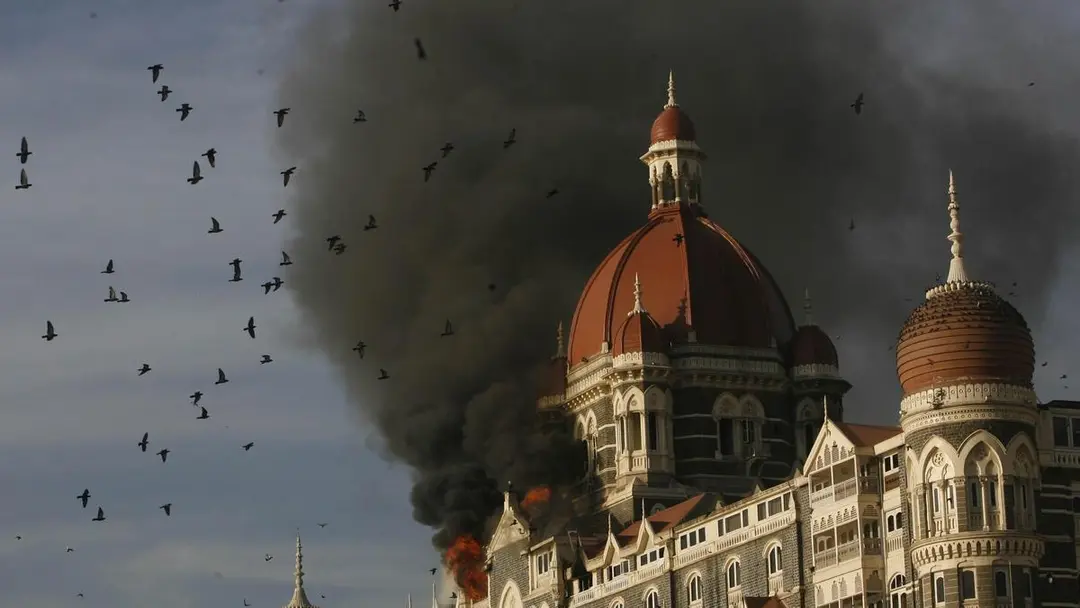
- November 200826/11 Mumbai attacks — India's '9/11 moment' — but no military action against Pakistan.
Who has a stake
- Government of India — Owns the shift from restraint to active response and must operationalise the PRAHAAR framework across agencies and society.
- Indian armed forces (Army, IAF) — Executed surgical strikes, Balakot and Operation Sindoor; now expected to undertake pre-emptive action against threats across the LoC.
- Pakistan — Named as the source of cross-border terror; faces India's declaration that future attacks will be treated as an 'act of war'.
- LeT, JeM, HUJI and other terror groups — Their leaders and headquarters were targeted in Operation Sindoor; remnants in Kashmir are to be hunted down.
- People of Jammu and Kashmir — Terror incidents have declined drastically, but infiltration risk across the LoC and radicalisation of youth persist.
- International community (SCO, BRICS) — The Delhi Declaration at the 18th BRICS Summit carried an exclusive paragraph on Pahalgam, reflecting a growing global consensus.
Why it matters
The piece maps a doctrinal shift with direct consequences for India-Pakistan escalation: treating terror attacks as acts of war and rejecting nuclear blackmail lowers the threshold for military response between two nuclear-armed neighbours. At the same time, terrorism itself is fragmenting into lone-wolf attacks and drone, cyber and AI-enabled methods, requiring capabilities beyond cross-border strikes. PRAHAAR's 'whole-of-government' and 'whole-of-society' design signals that de-radicalisation and terror financing are now seen as core to counter-terrorism, not peripheral.
UPSC angle
Prelims pointers
- 'PRAHAAR' — India's first comprehensive National Counter-Terrorism Policy and Strategy, unveiled February 23, 2026.
- Operation Parakram: large-scale military mobilisation after the December 13, 2001 Parliament attack by JeM.
- Uri attack September 18, 2016 → surgical strikes September 28-29, 2016; Pulwama February 14, 2019 → Balakot air strikes.
- Pahalgam attack April 22, 2025 → Operation Sindoor, May 6-7, 2025, targeting LeT and JeM within 96 hours.
- Rajiv Gandhi was assassinated by the LTTE on May 21, 1991 at Sriperumbudur, Tamil Nadu.
- The Delhi Declaration of the 18th BRICS Summit included an exclusive paragraph on the Pahalgam terror attack.
Mains framing
India's counter-terrorism trajectory since the early 1990s illustrates how doctrine evolves under the pressure of repeated attacks and shifting deterrence calculations. In the first phase — the 1993 Mumbai blasts, the 1998 Coimbatore blasts, the IC-814 hijack, the 2001 Parliament attack and 26/11 — India lacked a defined strategy, and even Operation Parakram ended in disengagement without direct punishment, partly because nuclearisation raised escalation fears and the international community intervened to cool tempers. After 2014, the response became kinetic and cross-border: surgical strikes in 2016, the first IAF strike into Pakistani airspace at Balakot in 2019, and Operation Sindoor in 2025, followed by three declarations — an end to restraint, terror as an 'act of war', and refusal to be deterred by nuclear blackmail. The implications are twofold: greater deterrence signalling, but also a compressed escalation ladder. The author's suggested way forward is a four-fold strategy — eliminating remaining terror networks in Kashmir, pre-emptive action against launch pads across the LoC, an exhaustive national de-radicalisation programme, and choking terror financing with friendly countries — complemented by diplomacy at forums such as the SCO and BRICS, where India has pushed against double standards on terrorism.
Key terms
- PRAHAAR
- India's first comprehensive National Counter-Terrorism Policy and Strategy, unveiled on February 23, 2026, using whole-of-government and whole-of-society approaches.
- Operation Sindoor
- Indian armed forces' operation of May 6-7, 2025 after the Pahalgam attack, which destroyed LeT and JeM leadership and headquarters in 96 hours.
- Operation Parakram
- India's large-scale military mobilisation after the December 13, 2001 Parliament attack; ended after nearly two years without direct punishment of Pakistan.
- Lone-wolf attack
- An attack by an individual acting largely autonomously rather than under a large hierarchical terror group; described as becoming the norm.
- Line of Control (LoC)
- The de facto boundary in Kashmir across which infiltration and terrorist launch pads remain a concern.
- HUJI
- Harkat-ul-Jihad Islami, an al-Qaeda-affiliated group largely based in Pakistan, which claimed the September 7, 2011 Delhi High Court blast.
Practice questions
- Trace the evolution of India's counter-terrorism strategy from the 1993 Mumbai blasts to Operation Sindoor. What explains the shift from restraint to active response?
- Declaring cross-border terrorism an 'act of war' strengthens deterrence but compresses the escalation ladder between two nuclear-armed states. Critically examine.
- Discuss the significance of a 'whole-of-government' and 'whole-of-society' approach in the PRAHAAR policy for countering radicalisation and terror financing.
Grounded only in the source report — figures and dates are the source's, not inferred.