
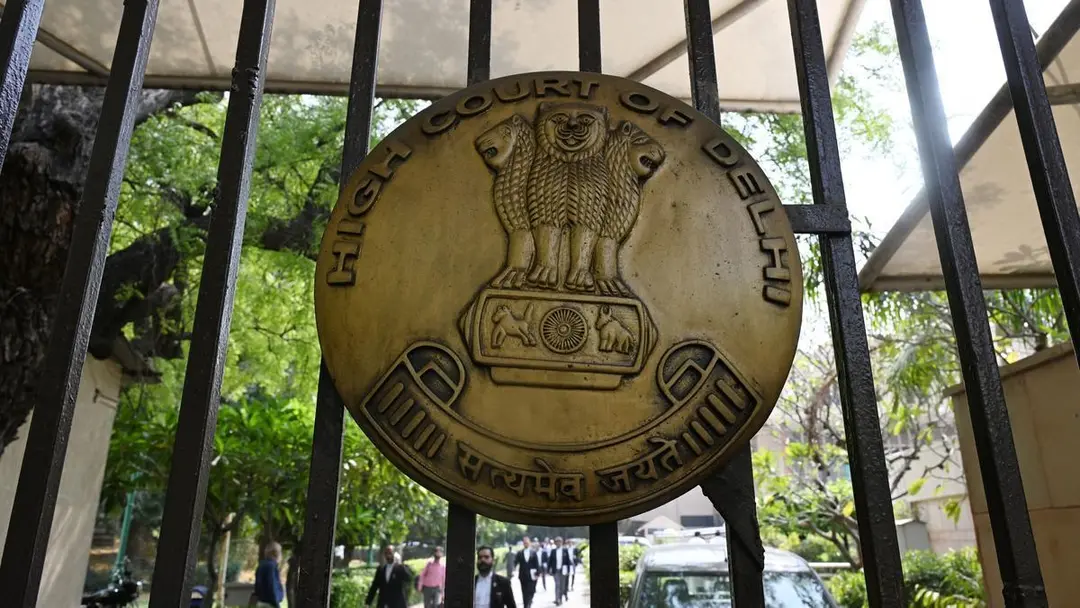
Delhi HC declines urgent hearing on Satya Niketan demolition plea
The Delhi High Court on September 14 refused to urgently list a plea over the MCD's decision to demolish the building adjoining the Satya Niketan hostel that collapsed last week. A lawyer told the Bench of Chief Justice D.K. Upadhyaya and Justice Tejas Karia that demolition proceeded without clearing basement debris and some people may still be trapped. The court said the plea should not be filed "in air". The September 6 collapse during repair work killed seven.
Source
The Hindu — National · read the original report ↗
Desk check · compared with the source
What the desk checked (4)
- Delhi High Court on September 14, 2026 refused urgent listing of a plea over MCD's demolition of the building adjoining the collapsed Satya Niketan hostel. — Attributed in source to proceedings before a Bench of Chief Justice D.K. Upadhyaya and Justice Tejas Karia.
- A lawyer submitted that demolition proceeded without removing debris from the hostel basement and some people may still be trapped. — Attributed to an unnamed lawyer; the court questioned the basis of the claim and called it guesswork.
- The Satya Niketan building, a boys' PG accommodation near Delhi University's South Campus, collapsed on September 6 during repair work, leaving seven people dead. — Figure and date appear in the source; casualty count linked to the High Court's September 7 order.
- MCD began controlled demolition of the adjoining building, a girls' PG accommodation, on September 8 after deeming it dangerous. — Stated in source and attributed to the civic authority's action; building said to have been evacuated earlier.
Analysts’ view opinion
ఇది న్యాయపరమైన నిరాకరణ కంటే రాజకీయంగా ఎక్కువ అర్థం ఉన్న ఘట్టం. సెప్టెంబర్ 7న "ప్రభుత్వం బాధ్యత నుంచి తప్పించుకోలేదు" అని చెప్పిన అదే హైకోర్టు, ఇప్పుడు ఆధారాలు లేని పిటిషన్ను అత్యవసరంగా విచారించేందుకు నిరాకరించడం — ఎంసీడీపై ఒత్తిడిని తాత్కాలికంగా తగ్గించే పరిణామం. అయితే ఏడుగురు మృతులు, విద్యార్థుల వసతి భద్రత అనే మౌలిక ప్రశ్న ఇంకా కోర్టు ఆదేశించిన ఉన్నత స్థాయి విచారణలోనే ఉంది కాబట్టి, పాలక పక్షానికి ఇది ఊరట మాత్రమే, క్లీన్చిట్ కాదు.
- ఎంసీడీ నిర్ణయాన్ని కోర్టు సమర్థించలేదు — కేవలం అత్యవసర విచారణకు తగిన ఆధారం లేదని చెప్పింది; ఈ తేడాను ప్రత్యర్థి పక్షాలు, పాలక పక్షం రెండూ తమకు అనుకూలంగా చెప్పుకునే అవకాశం ఉంది.
- "గాలిలో పిటిషన్ వేయకూడదు" అనే వ్యాఖ్య, ఇలాంటి ఘటనల్లో సాంకేతిక ఆధారం లేని ప్రజా ప్రయోజన వ్యాజ్యాలకు రాజకీయ పరపతి తగ్గించే సంకేతం.
- సెప్టెంబర్ 7 ఆదేశంలో డీయూ/ప్రభుత్వ హాస్టళ్ల కొరత, పీజీ నియంత్రణ లోపాలను కోర్టు ప్రస్తావించడం వల్ల ఈ అంశం ఒక్క భవన కూల్చివేత నుంచి విద్యార్థి వసతి విధానం వైపు విస్తరించే ప్రమాదం పాలక పక్షానికి ఉంది.
- డీయూ సౌత్ క్యాంపస్ పరిసరాల్లోని విద్యార్థి ఓటర్లు, విద్యార్థి సంఘాలు ఈ అంశాన్ని భద్రత–జవాబుదారీతనం ప్రచారాంశంగా మలచుకునే స్థానిక రాజకీయ అవకాశం స్పష్టంగా ఉంది.
- పౌర సంస్థ (ఎంసీడీ) స్థాయిలో వైఫల్యం అంటే బాధ్యత అధికారుల మీదా, ఎన్నికైన ప్రజాప్రతినిధుల మీదా ఎవరిపై పడుతుందనే వాదన రాబోయే రోజుల్లో ప్రధాన రాజకీయ ఘర్షణ బిందువు అవుతుంది.
What to watch — కోర్టు ఆదేశించిన ఉన్నత స్థాయి ఎంసీడీ విచారణ నివేదిక ఏమి చెబుతుంది, అది అధికారుల నిర్లక్ష్యాన్ని ఎత్తిచూపుతుందా లేదా — దానిపైనే ఈ ఘటన రాజకీయ దిశ ఆధారపడి ఉంటుంది.
శిథిలాల కింద ఇంకా ఎవరైనా ఉన్నారా, కూల్చివేతకు ముందు సాంకేతిక ఆడిట్ నిజంగా జరిగిందా అనే విషయాలను ఈ కథనం నిర్ధారించలేదు; అలాగే ఏ పార్టీ లేదా వ్యక్తిపైనా ఇందులో బాధ్యత నిర్ణయించబడలేదు.
Deep dive
Research brief · 8 facts · 4 dates · exam-readyThe brief
Context
A five-storey building at Satya Niketan near Delhi University's South Campus, used as a boys' paying-guest (PG) accommodation, collapsed on September 6, 2026, while repair work was under way, killing seven people. The Delhi High Court ordered a high-level MCD inquiry on September 7, and the civic body began a controlled demolition of the adjoining building — a girls' PG that had been evacuated — on September 8 after deeming it dangerous. On September 14, 2026, the High Court declined to urgently list a plea alleging that the demolition went ahead without clearing debris from the collapsed hostel's basement and that people may still be trapped.
Key facts
- The Satya Niketan building, a boys' paying-guest accommodation near Delhi University's South Campus, collapsed on September 6, 2026, during repair work.
- Seven people died in the collapse, according to the High Court's September 7 order.
- The collapsed structure was a five-storey building.
- On September 7, 2026, the Delhi High Court ordered a high-level MCD inquiry and said the government cannot evade responsibility.
- On September 8, 2026, the MCD began a controlled demolition of the adjoining building after deeming it dangerous; it housed a girls' PG and had been evacuated.
- On September 14, 2026, a Bench of Chief Justice D.K. Upadhyaya and Justice Tejas Karia refused urgent listing of the plea and said it would be listed in turn.
- The court asked the lawyer for the source of the claim that persons were under the debris, calling it 'guesswork', and said a petition should not be filed 'in air'.
- The High Court said the incident evoked concern about inadequate housing including DU or government-run hostels, student safety, and inadequate MCD regulation of PG facilities.
Timeline
- September 6, 2026Five-storey Satya Niketan building housing a boys' PG collapses during repair work; seven killed.
- September 7, 2026Delhi High Court orders a high-level MCD inquiry, says government cannot evade responsibility.
- September 8, 2026MCD begins controlled demolition of the adjoining building, a girls' PG, after deeming it dangerous.
- September 14, 2026High Court refuses urgent listing of plea against the demolition; says plea will be listed in turn.
Who has a stake
- Municipal Corporation of Delhi (MCD) — Ordered to conduct a high-level inquiry; its regulation of PG facilities and its decision to demolish the adjoining building are under scrutiny.
- Delhi High Court (CJ D.K. Upadhyaya and Justice Tejas Karia) — Monitoring accountability for the collapse while insisting that petitions be backed by technical basis, not conjecture.
- Students in PG accommodation near DU South Campus — Safety, security and availability of adequate hostel housing; residents of the girls' PG were evacuated.
- Families of the seven deceased — Accountability, completion of debris clearance and answers on whether anyone remains trapped.
- Delhi University and government hostels — Court flagged inadequate hostel facilities as a factor pushing students into unregulated PG accommodation.
- Petitioner's counsel — Sought urgent hearing alleging demolition without removing basement debris; asked by court to show technical information.
Why it matters
The case links a fatal building collapse to a wider regulatory gap: thousands of students near Delhi University depend on privately run PG accommodation that civic authorities inadequately inspect. It also shows courts balancing urgency in life-and-death claims against the requirement that petitions rest on verifiable technical evidence rather than speculation.
UPSC angle
Prelims pointers
- Satya Niketan hostel collapse: September 6, 2026; five-storey boys' PG near DU South Campus; seven dead.
- Delhi High Court ordered a high-level MCD inquiry into the collapse on September 7, 2026.
- MCD began controlled demolition of the adjoining girls' PG building on September 8, 2026.
- Bench refusing urgent listing on September 14, 2026: Chief Justice D.K. Upadhyaya and Justice Tejas Karia.
- MCD is the civic authority responsible for regulating PG facilities and declaring buildings dangerous in Delhi.
- Court flagged inadequate hostel facilities run by Delhi University and the government as a concern.
Mains framing
The Satya Niketan collapse illustrates how unregulated private paying-guest accommodation fills the gap left by insufficient university and government hostels, exposing students to structural risk — here, a five-storey building that fell during repair work, killing seven. The Delhi High Court's September 7 order for a high-level MCD inquiry underlines municipal responsibility for building safety, structural audits and licensing of PG facilities, and rejects any attempt by the government to evade accountability. At the same time, the Court's September 14 refusal to grant urgent listing — questioning the petitioner's technical basis for claiming people were trapped beneath the debris and cautioning against petitions filed "in air" — reflects the judicial insistence on evidentiary rigour in emergency litigation, especially where a controlled demolition was ordered after the adjoining structure was deemed dangerous. The way forward, as the Court itself indicated, lies in expanding safe institutional hostel capacity, mandatory technical audits before repair or demolition, systematic registration and inspection of PG premises, and transparent disclosure of audit findings so that public claims can be tested against record rather than conjecture.
Key terms
- MCD (Municipal Corporation of Delhi)
- Delhi's civic body responsible for building regulation, declaring structures dangerous and the inquiry ordered by the High Court.
- Paying-guest (PG) accommodation
- Privately run lodging, often used by students, which the Court said the MCD regulates inadequately.
- Controlled demolition
- Planned dismantling of a structure deemed unsafe; used by MCD from September 8 on the building adjoining the collapsed hostel.
- Technical audit
- Structural assessment the Court presumed authorities conducted before deciding to demolish the adjoining building.
- Urgent listing
- Request to have a case heard out of turn; refused here, with the Bench saying the plea would be listed in turn.
Practice questions
- The Satya Niketan collapse points to a regulatory vacuum in student housing. Examine the role of municipal bodies in ensuring building safety and regulating paying-guest accommodation.
- Courts must balance urgency with evidentiary rigour in public interest litigation. Discuss with reference to the Delhi High Court's handling of the Satya Niketan demolition plea.
- Inadequate university and government hostel capacity pushes students into unregulated private accommodation. Suggest institutional measures to address this.
Grounded only in the source report — figures and dates are the source's, not inferred.