
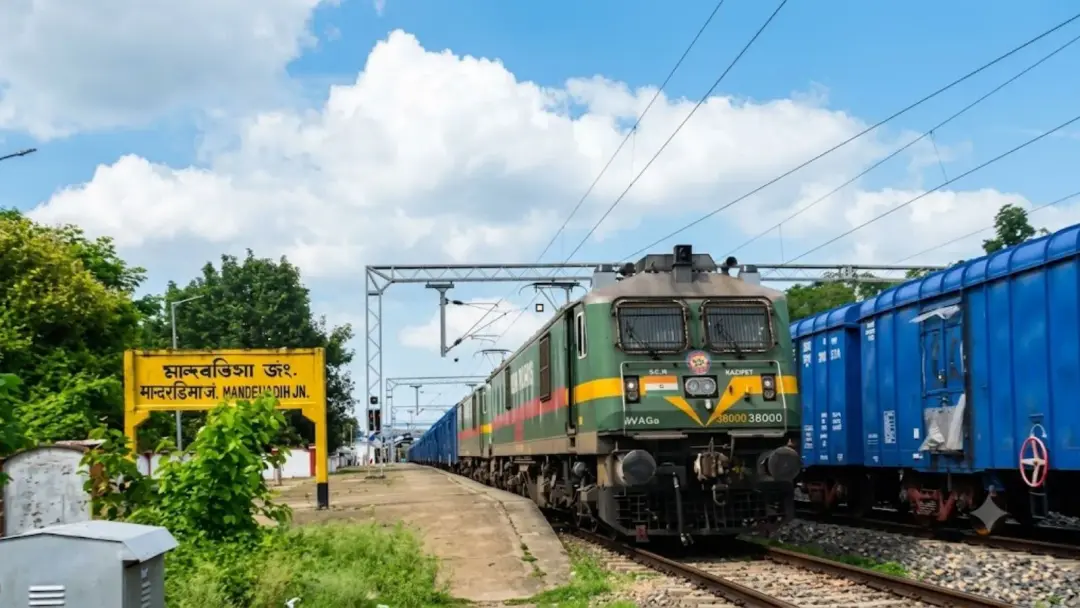
Assam completes 100% railway electrification, says NFR
The entire 2,589 route km broad gauge railway network in Assam has been electrified, Northeast Frontier Railway CPRO Kapinjal Kishore Sharma said, with the completion of the Lumding-Badarpur Hill section marking 100 per cent electrification in the state. In June, the zone energised a 132 KV transmission line linking Haflong Grid Sub-Station with the New Haflong Traction Sub-Station. Trains can now run on electric traction statewide without traction changes, which is expected to raise sectional capacity and lower operating costs.
Source
Indian Express — India · read the original report ↗
Desk check · compared with the source
What the desk checked (5)
- Assam's entire 2,589 route km broad gauge network is now electrified — Figure appears in source; completion attributed to NFR CPRO Kapinjal Kishore Sharma.
- Electrification of the Lumding-Badarpur Hill section has been completed — Attributed to NFR CPRO in comments to Indianexpress.com.
- In June, NFR energised a 132 KV line linking Haflong GSS with New Haflong Traction Sub-Station — Stated in source without separate attribution; consistent with rest of report.
- PM Narendra Modi earlier this year dedicated three electrification projects from Guwahati covering 558 km, 571 km and 315 km — Figures appear in source; exact date not specified.
- Expected benefits include better sectional capacity, lower operating costs and no traction change — Framed as expectation in source, not a verified outcome.
Analysts’ view opinion
అస్సాంలో 100% బ్రాడ్గేజ్ విద్యుదీకరణ పూర్తి కావడం సాంకేతికంగా రైల్వే మౌలిక సదుపాయాల మైలురాయి అయినా, రాజకీయంగా ఇది "ఈశాన్య రాష్ట్రాలను కేంద్రం పట్టించుకుంటోంది" అనే కథనానికి బలమైన ఆధారంగా మారే సూచనలు ఉన్నాయి. ఈ ఏడాదే గువాహటి నుంచి ప్రధాని మోదీ మూడు ప్రధాన విద్యుదీకరణ ప్రాజెక్టులను జాతికి అంకితం చేసిన నేపథ్యం ఉన్నందున, ఈ ప్రకటన కేంద్ర–రాష్ట్ర డబుల్ ఇంజిన్ ప్రచారంలో భాగంగా వినియోగించబడే అవకాశం ఎక్కువ. ప్రతిపక్షాలకు దీన్ని పూర్తిగా కొట్టిపారేసే వీలు తక్కువ; అవి "ఏళ్ల తరబడి పెండింగ్లో ఉన్న పని" అనే వాదన వైపు మళ్లే అవకాశం ఉంది.
- ఈశాన్యంలో కనెక్టివిటీ అనేది గత దశాబ్దంలో ఏ ప్రభుత్వానికైనా ప్రధాన రాజకీయ కరెన్సీ — పూర్తిస్థాయి విద్యుదీకరణ లాంటి 'నూరు శాతం' గణాంకం ప్రచార వేదికలపై సులభంగా వినిపించే సందేశం.
- లుమ్డింగ్–బదర్పూర్ కొండ మార్గం, హఫ్లాంగ్ ప్రాంతం బరాక్ లోయ–దిమా హసావో వంటి భౌగోళికంగా ఒంటరిగా ఉన్న ప్రాంతాలను తాకుతున్నందున, స్థానిక ప్రాతినిధ్య రాజకీయాల్లో దీనికి ప్రత్యేక ప్రాధాన్యం ఉంటుంది.
- ప్రకటన రాజకీయ నేత నుంచి కాకుండా ఎన్ఎఫ్ఆర్ సీపీఆర్ఓ నుంచి వచ్చినందున అధికారిక–సాంకేతిక విశ్వసనీయత ఎక్కువ; అయితే ఆ ఘనతను రాజకీయంగా ఎవరు క్లెయిమ్ చేసుకుంటారన్నదే అసలు పోటీ.
- ప్రతిపక్షాల సహజ ప్రతిస్పందన మౌలిక పనిని తిరస్కరించడం కాదు — ప్రయాణ సమయం, కొత్త రైళ్లు, ప్రాంతీయ అసమానతలపై ప్రశ్నలు లేవనెత్తడం.
- కథనంలో ఉద్యోగాలు, కొత్త సర్వీసులు లేదా నిర్దిష్ట ప్రయాణ సమయ లాభాలపై సంఖ్యలు లేవు; రాజకీయ లబ్ధి ఎంతవరకు ఉంటుందో ఆ తదుపరి ప్రయోజనాలు ప్రజలకు కనిపించడంపైనే ఆధారపడుతుంది.
What to watch — కేంద్ర, రాష్ట్ర స్థాయిలో ఈ మైలురాయిని ఎంత దూకుడుగా ప్రచారంలోకి తీసుకువస్తారు, దానికి కొత్త రైలు సర్వీసులు లేదా వేగం పెంపు వంటి కనిపించే ప్రకటనలు జోడిస్తారా అన్నది గమనించాలి.
ఈ కథనం విద్యుదీకరణ పూర్తి అయిందని మాత్రమే చెబుతోంది — ఇది ఏ పార్టీకి ఓట్ల రూపంలో లాభం చేకూర్చుతుందని, లేదా ప్రయాణికులకు ఎంత మెరుగుదల వస్తుందని నిర్దిష్టంగా నిరూపించదు.
Deep dive
Research brief · 8 facts · 4 dates · exam-readyThe brief
Context
Indian Railways has been pursuing full electrification of its existing broad gauge (BG) network and new routes across the country. Railway projects in Assam fall under the administrative jurisdiction of the Northeast Frontier Railway (NFR) zone. With the completion of electrification of the Lumding–Badarpur Hill section, the entire 2,589 route km BG network in Assam is now electrified, according to NFR's Chief Public Relations Officer Kapinjal Kishore Sharma. Electric traction can now be used across the state without traction changes at intermediate points.
Key facts
- Assam's entire broad gauge railway network, measuring 2,589 route km, has been electrified.
- The completion of electrification on the Lumding–Badarpur Hill section marked 100 per cent railway electrification in Assam.
- NFR CPRO Kapinjal Kishore Sharma confirmed the milestone to Indianexpress.com.
- In June, NFR energised a 132 KV transmission line connecting Haflong Grid Sub-Station (GSS) with the New Haflong Traction Sub-Station (NHLG TSS).
- Earlier this year, PM Narendra Modi dedicated three railway electrification projects to the nation from Guwahati.
- The three projects were Rangiya–Murkongselek (558 km), Chaparmukh–Dibrugarh (571 km), and Badarpur–Silchar plus Badarpur–Churaibari (315 km).
- Railway electrification in India began in 1925 with the first electric train on a 1,500-volt DC system between Bombay Victoria Terminus and Kurla Harbour in Maharashtra.
- Full electrification is expected to improve sectional capacity and reduce operating and maintenance costs of electric locomotives.
Timeline
- 1925India's first electric train runs on a 1,500-volt DC system between Bombay Victoria Terminus and Kurla Harbour, Maharashtra.
- Earlier this year (2025)PM Narendra Modi dedicates three railway electrification projects from Guwahati: Rangiya–Murkongselek, Chaparmukh–Dibrugarh, and Badarpur–Silchar/Badarpur–Churaibari.
- JuneNFR energises the 132 KV transmission line linking Haflong Grid Sub-Station with the New Haflong Traction Sub-Station, a crucial part of Lumding–Badarpur Hill section electrification.
- Now (as announced)Lumding–Badarpur Hill section electrification completed; Assam's full 2,589 route km BG network declared electrified.
Who has a stake
- Northeast Frontier Railway (NFR) zone — Executing agency for railway projects in Assam; gains better locomotive utilisation and operational flexibility.
- Indian Railways / Ministry of Railways — Pursuing electrification of the existing BG network and new routes nationwide; Assam adds to that tally.
- Passengers in Assam and the Northeast — Expected more reliable services, faster movement of trains and more efficient operations.
- Freight and logistics users — Improved sectional capacity and no traction change should streamline movement across the state.
- Government of Assam and hill districts (Haflong, Badarpur, Silchar area) — Better connectivity for Barak Valley and the hill section through the Lumding–Badarpur route.
- Environment and energy planners — Shift to electric traction reduces dependence on fossil fuels and supports energy-efficient, sustainable operations.
Why it matters
Full electrification removes the need for traction changes within Assam, which the source says will raise sectional capacity, cut operating and maintenance costs of electric locomotives and allow faster, more reliable train movement. It also reduces dependence on fossil fuels, aligning railway operations in a strategically important border region with energy-efficiency and sustainability goals. The Lumding–Badarpur Hill section, the last link, connects the Barak Valley through difficult hill terrain.
UPSC angle
Prelims pointers
- Assam's electrified broad gauge network: 2,589 route km — 100 per cent electrification.
- Assam's railway projects fall under the Northeast Frontier Railway (NFR) zone.
- Last section electrified in Assam: Lumding–Badarpur Hill section.
- 132 KV line energised in June linked Haflong Grid Sub-Station with New Haflong Traction Sub-Station.
- India's first electric train ran in 1925 on 1,500-volt DC between Bombay VT and Kurla Harbour.
- Projects dedicated from Guwahati: Rangiya–Murkongselek (558 km), Chaparmukh–Dibrugarh (571 km), Badarpur–Silchar and Badarpur–Churaibari (315 km).
Mains framing
Assam's attainment of 100 per cent broad gauge railway electrification across 2,589 route km, completed with the difficult Lumding–Badarpur Hill section, illustrates how infrastructure sequencing works in the Northeast: large trunk electrification projects (Rangiya–Murkongselek, Chaparmukh–Dibrugarh, Badarpur–Silchar and Badarpur–Churaibari) were commissioned first, with the technically demanding hill link — requiring a dedicated 132 KV feed from Haflong Grid Sub-Station to the New Haflong Traction Sub-Station — closing the gap. The immediate operational gain, as stated by NFR, is the elimination of traction change at intermediate points, which improves sectional capacity, locomotive utilisation and reliability while lowering operating and maintenance costs; the strategic gain is reduced dependence on imported fossil fuels and more energy-efficient, environmentally sustainable operations. The way forward, on the source's own logic, lies in translating electrified track into realised throughput — dependable traction power supply in hill and flood-prone terrain, wider deployment of electric locomotives, and extension of similar coverage to remaining Northeast routes so that connectivity gains reach passengers and freight users across the region.
Key terms
- Broad Gauge (BG)
- The predominant Indian Railways track gauge; Assam's entire 2,589 route km BG network is now electrified.
- Northeast Frontier Railway (NFR)
- The Indian Railways zone with administrative jurisdiction over railway projects in Assam and the Northeast.
- Route km
- Length of railway route measured once irrespective of the number of parallel tracks; Assam's figure is 2,589.
- Traction change
- Switching a train from diesel to electric haulage (or vice versa) at a point; now unnecessary within Assam.
- Traction Sub-Station (TSS)
- Installation that steps down grid power to feed overhead railway lines; New Haflong TSS is fed by a 132 KV line from Haflong GSS.
- Sectional capacity
- The number of trains a railway section can handle; expected to improve with full electrification.
Practice questions
- Assam has achieved 100 per cent broad gauge railway electrification. Examine the operational and environmental benefits of full electrification, using the Assam example.
- Discuss the challenges of building railway electrification infrastructure in hill sections of the Northeast, with reference to the Lumding–Badarpur Hill section.
- How does eliminating traction change improve railway efficiency? Explain with reference to sectional capacity and locomotive utilisation.
Grounded only in the source report — figures and dates are the source's, not inferred.