
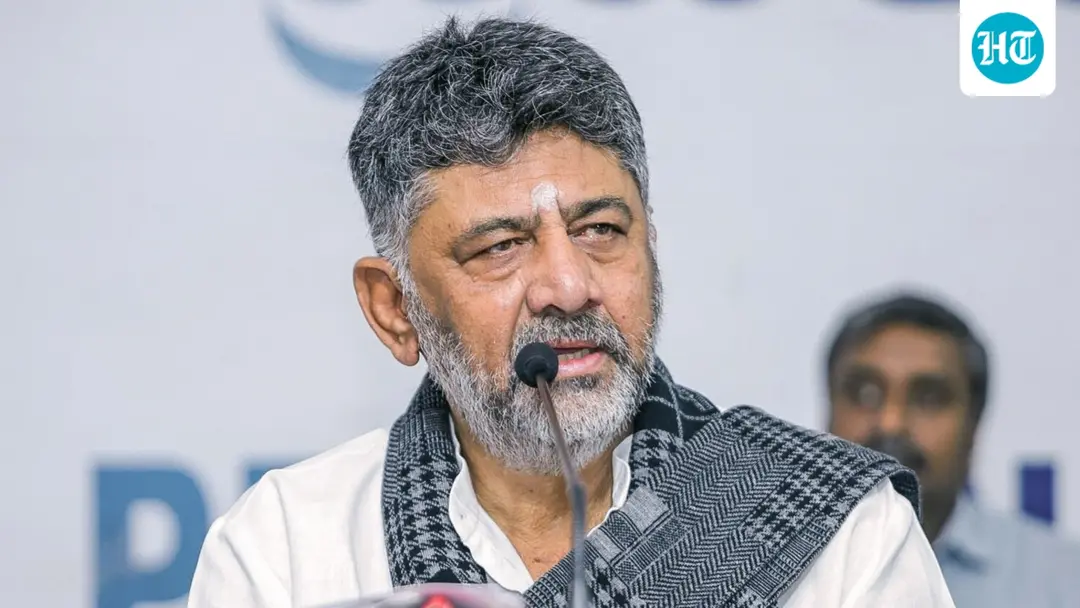
Trump copying Congress welfare model, says Karnataka CM Shivakumar
Karnataka Chief Minister D K Shivakumar told PTI that guarantee schemes introduced by the Congress government in the state had been replicated in Maharashtra, Madhya Pradesh, Rajasthan and Bihar, and that US President Donald Trump was now copying them. Trump on September 9 announced in Dallas a $5,000 payment to every American adult if Republicans retain both houses in the 2026 midterms. Shivakumar also alleged the BJP used Hindutva politically and misused Ram Temple donations.
Source
Hindustan Times — India · read the original report ↗
Desk check · some claims need care
What the desk checked (5)
- Karnataka's guarantee schemes were replicated in Maharashtra, Madhya Pradesh, Rajasthan and Bihar. — Claim attributed to Shivakumar via PTI; no independent evidence in source.
- Trump's proposed $5,000 payment was inspired by the Congress welfare model. — Speaker's assertion only; no supporting evidence given in source.
- Trump promised $5,000 to every American adult if Republicans retain both houses in the 2026 midterms, announced September 9 at a Dallas rally. — Date, amount and venue appear in source; eligibility details stated as not provided.
- Money and materials donated for the Ram Temple were misused. — Allegation by Shivakumar reported by PTI; unverified and no response from BJP in source.
- Trump said the money would have to be spent in the United States. — Attributed in source to USA Today.
Analysts’ view opinion
గ్యారంటీ పథకాల "ఒరిజినల్ యజమాని" తామేనని చెప్పుకోవడం ద్వారా శివకుమార్ రెండు లక్ష్యాలను ఒకేసారి ఛేదిస్తున్నారు — సంక్షేమ రాజకీయాల క్రెడిట్ను కాంగ్రెస్ ఖాతాలో వేయడం, అదే సమయంలో కర్ణాటక అధికార పోరులో తన స్వరాన్ని పార్టీలో బలంగా వినిపించుకోవడం. ట్రంప్ ప్రస్తావన నిజానికి విధాన పోలిక కాదు, ప్రచార పంచ్లైన్ — అంతర్జాతీయ ఉదాహరణ ద్వారా "రేవడీ" విమర్శకు ఎదురుదాడి చేసే ప్రయత్నం. హిందుత్వ, రామమందిర విరాళాల ఆరోపణలను అదే వేదికపై జోడించడం చూస్తే, ఇది సంక్షేమం-ప్లస్-జవాబుదారీతనం అనే ద్వంద్వ కథనాన్ని నిర్మించే ప్రయత్నంగా కనిపిస్తుంది.
- కర్ణాటక గ్యారంటీలు ఇతర రాష్ట్రాల్లోనూ అనుసరించబడ్డాయని చెప్పడం, రాష్ట్ర ఖజానాపై భారం అనే విమర్శను "జాతీయ నమూనా"గా మార్చి సమర్థించుకునే ఎత్తుగడ.
- ఉచిత పథకాలను "రేవడీ" అని విమర్శించే వర్గాలకు ట్రంప్ ప్రస్తావన ఒక ఎదురు వాదన — కానీ ట్రంప్ ప్రతిపాదనకు కాంగ్రెస్ పథకాలతో సంబంధం ఉందని ఆధారం కథనంలో లేదు.
- రామమందిర విరాళాల దుర్వినియోగం ఆరోపణ అత్యంత సున్నితమైనది; బీజేపీ నుంచి తీవ్ర ప్రతిస్పందన, కాంగ్రెస్ హిందూ వ్యతిరేకి అనే ప్రతి-ప్రచారం వచ్చే అవకాశం ఉంది.
- ఉజ్వల-ఎల్పీజీ ధరల ప్రస్తావన చూస్తే, చర్చను మతం నుంచి జీవన వ్యయం వైపు మళ్లించే క్లాసిక్ కాంగ్రెస్ వ్యూహం స్పష్టం.
- ముఖ్యమంత్రిగా "మా పథకాలు" అని పదేపదే చెప్పడం, పార్టీ అంతర్గత సమీకరణల్లో తన స్థానాన్ని పటిష్టం చేసుకునే సందేశంగానూ చదవవచ్చు.
What to watch — బీజేపీ దీన్ని ఆర్థిక క్రమశిక్షణ చర్చగా మలుస్తుందా లేక రామమందిర ఆరోపణపైనే కేంద్రీకరించి మతపరమైన ప్రతిదాడికి దిగుతుందా — దానిపైనే ఈ వ్యాఖ్యల రాజకీయ లాభనష్టాలు నిర్ణయమవుతాయి.
ట్రంప్ ప్రతిపాదన కాంగ్రెస్ పథకాల నుంచి ప్రేరణ పొందిందని ఈ కథనం నిరూపించలేదు; రామమందిర విరాళాల దుర్వినియోగ ఆరోపణకు ఆధారాలు ఇవ్వలేదు, బీజేపీ ప్రతివాదన కూడా ఇందులో లేదు.
Deep dive
Research brief · 8 facts · 3 dates · exam-readyThe brief
Context
Karnataka's Congress government came to power promising a set of "guarantee schemes" — direct welfare entitlements that have become the party's political signature. Speaking at the Congress office in the state, Deputy-CM-turned-Chief-Minister-designate-titled leader D K Shivakumar (described in the source as Karnataka Chief Minister) told PTI that these schemes have been copied by Maharashtra, Madhya Pradesh, Rajasthan and Bihar, and that even US President Donald Trump was now imitating the model. His reference was to Trump's September 9 announcement in Dallas of a $5,000 "Trump dividend" to every American adult if Republicans retain both houses of Congress in the 2026 midterms. Shivakumar used the same event to attack the BJP over Hindutva, alleged misuse of Ram Temple donations, and the Ujjwala scheme.
Key facts
- Karnataka CM D K Shivakumar told PTI that Congress's guarantee schemes in Karnataka had been replicated in Maharashtra, Madhya Pradesh, Rajasthan and Bihar.
- Shivakumar said: "Now they copied us in Maharashtra, copied us in Madhya Pradesh, in Rajasthan, in Bihar, and now Trump is copying us."
- He added, "This is the strength of the Congress party. The entire world is watching our Constitution today."
- Trump announced a $5,000 payment to every American adult if Republicans retain control of both houses of Congress in the 2026 midterm elections.
- The announcement was made on September 9 at a Republican midterm convention rally in Dallas, Texas.
- Trump said Americans would receive $5,000 — described by him as the "Trump dividend" — if Republicans win the November 3 elections.
- Trump has not provided full details on eligibility; he said the money would have to be spent in the United States, according to USA Today.
- Shivakumar alleged money and materials, including bricks, donated for the Ram Temple were misused, and criticised the Centre's Ujjwala scheme over rising LPG prices.
Timeline
- September 9Trump announces a $5,000 payment to American adults at a Republican midterm convention rally in Dallas, Texas, conditional on Republicans retaining both houses.
- Subsequently (date not stated in the source)Shivakumar, speaking at an event at the Congress office, tells PTI that Karnataka's guarantee schemes have been copied by four states and now by Trump.
- November 3 / 2026 midterm electionsUS midterm polls on which Trump's promised "Trump dividend" is conditioned.
Who has a stake
- D K Shivakumar, Karnataka Chief Minister — Claims national and global credit for Congress's guarantee schemes; uses the platform to attack the BJP on Hindutva, Ram Temple funds and Ujjwala.
- Congress party — Seeks to project its Karnataka welfare model as a template being emulated across India and abroad.
- BJP and the Centre — Accused by Shivakumar of using Hindutva politically, misappropriating Ram Temple donations and presiding over rising LPG prices under Ujjwala.
- Donald Trump / Republican Party — Has staked a $5,000 payout promise on retaining both houses of Congress in the 2026 midterms.
- Voters in Karnataka, Maharashtra, Madhya Pradesh, Rajasthan and Bihar — Beneficiaries of guarantee-style welfare schemes now central to electoral competition.
- American adults — Potential recipients of the promised $5,000, though eligibility details are not spelt out.
Why it matters
Direct cash and guarantee-type welfare promises have moved from the margins to the centre of electoral competition, with Shivakumar arguing the Karnataka model is being replicated by rival state governments and even invoked as a parallel to Trump's promised payout. The claim frames welfare delivery as a form of political and ideological branding, and pits it against the BJP's religion-centred appeal in Shivakumar's telling.
UPSC angle
Prelims pointers
- Karnataka's Congress government's welfare programmes are known as "guarantee schemes".
- Trump announced the $5,000 "Trump dividend" on September 9 at a Dallas, Texas rally, conditional on Republicans retaining both houses of Congress in the 2026 midterms.
- Shivakumar named Maharashtra, Madhya Pradesh, Rajasthan and Bihar as states that replicated Karnataka's schemes.
- Ujjwala is a Central scheme; Shivakumar criticised it citing rising LPG prices.
- US midterm elections referred to in the source are dated November 3.
- Trump said the $5,000 would have to be spent within the United States (as reported by USA Today).
Mains framing
The exchange illustrates how welfare guarantees and direct transfers have become the dominant currency of electoral politics in India, and how competitive emulation across states — Karnataka to Maharashtra, Madhya Pradesh, Rajasthan and Bihar, per Shivakumar — has normalised entitlement-based promises irrespective of the party in power. By invoking Trump's proposed $5,000 "dividend" conditioned on a Republican win in the 2026 midterms, Shivakumar equates his party's model with a global turn toward direct payouts, while simultaneously contrasting Congress's claim of serving people "regardless of caste or religion" with what he calls the BJP's theatrical use of religion and alleged misuse of Ram Temple donations. The implications cut two ways: such schemes can expand access to basic goods and income security, but promises tied explicitly to electoral outcomes raise questions about fiscal sustainability, transparency of eligibility (Trump's own eligibility criteria remain unspecified in the source) and the line between welfare and inducement. A grounded way forward would emphasise clearly defined beneficiary criteria, transparent accounting of both welfare spending and religious/charitable donations, and outcome audits of existing schemes such as Ujjwala rather than escalating promises alone — though the source itself proposes no specific policy remedy.
Key terms
- Guarantee schemes
- The Congress government's welfare entitlements in Karnataka, which Shivakumar says other states and Trump have copied.
- Trump dividend
- Trump's term for the promised $5,000 payment to every American adult if Republicans retain both houses of Congress.
- 2026 midterm elections
- US Congressional polls, referred to in the source as being held on November 3, on which Trump's payout promise is conditioned.
- Ujjwala scheme
- A Central government scheme criticised by Shivakumar with reference to the rise in LPG prices.
- Hindutva
- The ideological plank Shivakumar accuses the BJP of using for political purposes.
- PTI
- The news agency to which Shivakumar made the remarks at the Congress office event.
Practice questions
- Direct cash transfers and guarantee schemes have become central to electoral competition in India. Critically examine their implications for welfare outcomes and fiscal responsibility.
- "Competitive welfare across states signals the maturing, not the corruption, of Indian democracy." Discuss with reference to the replication of state-level guarantee schemes.
- Examine the challenges of ensuring transparency and accountability in the use of public and voluntary donations for religious or charitable projects.
Grounded only in the source report — figures and dates are the source's, not inferred.