
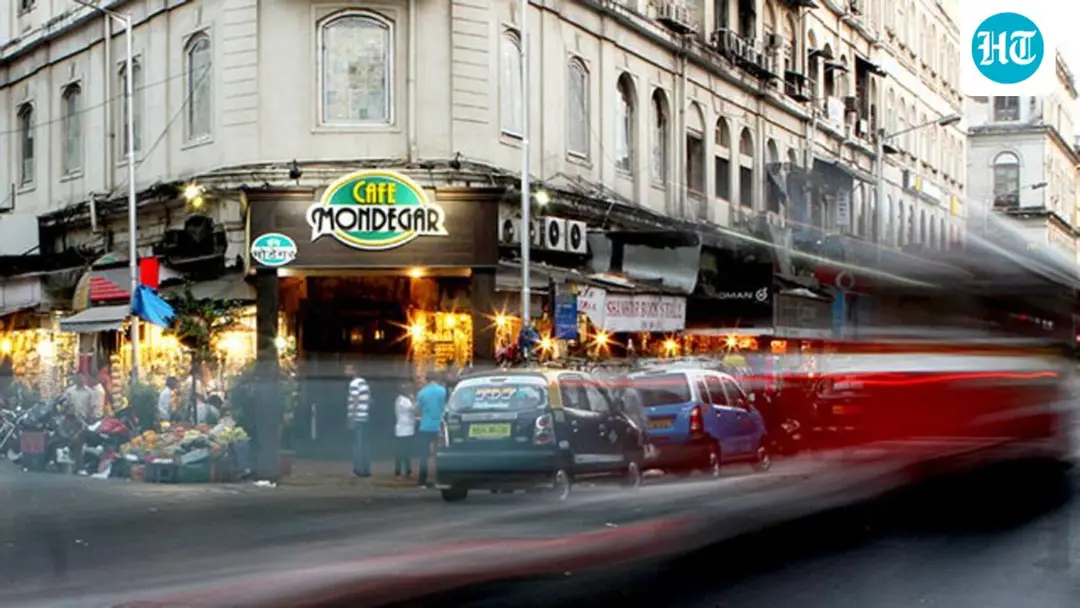
FDA suspends licence of Mumbai's Cafe Mondegar over hygiene lapses
The Food and Drugs Administration has suspended the licence of Cafe Mondegar at Colaba, Mumbai, over alleged food safety and hygiene deficiencies, an official statement said. Its September 12 inspection found inadequate drainage, unclean equipment, damp-damaged flooring, hot food not kept above 60°C and cold storage not below 5°C. Licences of Maharashtra Biryani Center in Kandivli, three other Mumbai outlets and two in Pune were also suspended. Managing partner Hoshang Yazdegardi did not respond.
Source
Hindustan Times — India · read the original report ↗
Desk check · compared with the source
What the desk checked (5)
- FDA suspended Cafe Mondegar's licence over food safety and hygiene deficiencies — Attributed to an official FDA statement in the source.
- Inspection on September 12 found inadequate drainage, uncleaned equipment and damp-damaged flooring — Figures and findings appear in the source as FDA inspection findings.
- Hot food not stored above 60°C and cold storage not below 5°C — Temperature thresholds stated in the source, attributed to FDA.
- 30 litres of milk and 4,139 kg of dairy and sweets stock worth over ₹15.5 lakh seized — Figures appear in the source, attributed to FDA teams; not independently verifiable here.
- 38 establishments inspected and 47 samples collected between September 11 and 14 — Figures appear in the source as part of the FDA drive.
Analysts’ view opinion
A licence suspension at a 1932-vintage Colaba landmark is, politically, the point of the exercise: enforcement that everyone in Mumbai will hear about. By pairing Cafe Mondegar with a Kandivli biryani outlet, three other Mumbai establishments and two in Pune, the FDA signals a drive that cuts across class and neighbourhood — useful cover against the charge of selective targeting. The timing, in the festive-season window when dairy and sweets adulteration is a perennial public worry, makes this as much a visibility play for the state administration as a food-safety action.
- Acting against an iconic, well-connected establishment buys the regulator credibility it would not get from action against small outlets alone.
- The spread across Mumbai and Pune, and across price segments, is the administration's pre-emptive answer to accusations of picking soft or convenient targets.
- Large seizures of dairy and sweets stock point to a wider adulteration crackdown narrative that plays well with urban middle-class consumers ahead of the festive period.
- The restaurant industry and hospitality bodies will likely push back on process — notice, cure periods and the cost of suspension versus fines — which is where the political friction usually lands.
- Heritage and nostalgia value give the story emotional charge, which can cut both ways: sympathy for the cafe, or anger that even trusted names cut corners.
What to watch — Watch whether the suspension is quickly reversed after compliance, whether restaurant associations or local representatives take up the enforcement style publicly, and whether the drive extends beyond a four-day burst into sustained inspections.
The story establishes the FDA's findings and the suspensions, not the establishments' side — the managing partner did not respond, no appeal or compliance outcome is reported, and nothing here shows any political direction behind the drive.
Deep dive
Research brief · 8 facts · 6 dates · exam-readyThe brief
Context
The Maharashtra Food and Drugs Administration (FDA) has suspended the food business licence of Cafe Mondegar, an iconic Colaba restaurant in Mumbai, after an inspection on September 12 flagged food safety and hygiene deficiencies. Started in 1932 as an Irani cafe and turned into a restaurant in the 1990s, Mondegar is known for cartoonist Mario Miranda's murals and for being the first restaurant in the city to introduce a jukebox in the mid-90s. The action was part of a wider FDA enforcement drive between September 11 and 14 covering eateries and dairy/sweet stockists in Mumbai and Pune, ahead of the festive season demand for milk products.
Key facts
- FDA suspended the licence of Cafe Mondegar, Colaba, Mumbai, over alleged food safety and hygiene deficiencies, as per an official statement.
- The inspection of Cafe Mondegar took place on September 12.
- Inspectors found the drainage system near the food preparation area inadequate, creating a risk of cross-contamination.
- Equipment was not properly cleaned and sanitised, and flooring was damaged due to dampness.
- Hot food was not stored above the required 60°C and cold storage was not maintained below the required 5°C; improper thawing and failure to rapidly cool cooked food were also found.
- Licence of Maharashtra Biryani Center at Hanuman Nagar, Kandivli (E) was suspended for violations found on September 11; three other Mumbai outlets and two in Pune were also suspended.
- FDA teams seized 30 litres of milk and 4,139 kg of dairy and sweet stock (khoya, paneer, ghee, peda, halwa, shrikhand, butter, milk powder) valued at over ₹15.5 lakh.
- Between September 11 and 14, FDA inspected 38 food establishments and collected 47 food samples including milk, khoya, ghee and sweets for testing.
Timeline
- 1932Cafe Mondegar opens in Colaba as an Irani cafe.
- 1990sCafe Mondegar is converted from an Irani cafe into a restaurant.
- Mid-1990sIt becomes the first restaurant in Mumbai to introduce a jukebox.
- September 11FDA finds violations at Maharashtra Biryani Center, Hanuman Nagar, Kandivli (E); FDA drive begins.
- September 12FDA inspection of Cafe Mondegar records drainage, cleaning, flooring and temperature-control deficiencies.
- September 11 to 14FDA inspects 38 food establishments, collects 47 samples and seizes dairy and sweet stock worth over ₹15.5 lakh.
Who has a stake
- Food and Drugs Administration (FDA), Maharashtra — Enforcing food safety and hygiene norms; suspending licences and seizing suspect food stock.
- Cafe Mondegar, Colaba — Licence suspended; reputation and operations of a heritage eatery at risk.
- Hoshang Yazdegardi, managing partner — Responsible for compliance at Cafe Mondegar; did not respond to HT's attempts to contact him.
- Maharashtra Biryani Center, Kandivli (E), and other suspended outlets — Licences suspended after violations; three more Mumbai outlets and two Pune outlets affected.
- Consumers and diners in Mumbai and Pune — Exposed to risks from cross-contamination, poor temperature control and adulterated dairy and sweets.
- Dairy and sweet traders — Stock of 30 litres milk and 4,139 kg of dairy/sweets worth over ₹15.5 lakh seized pending testing.
Why it matters
Licence suspension of a landmark restaurant signals that heritage or popularity offers no exemption from food safety law, and that basic controls such as drainage, cleaning and temperature maintenance are enforceable requirements. The parallel seizure of over ₹15.5 lakh of dairy and sweets points to systemic risks in the milk-products supply chain that directly affect public health.
UPSC angle
Prelims pointers
- Food and Drugs Administration (FDA) is the Maharashtra state regulator that suspended the licences in this case.
- Prescribed temperature norms cited: hot food above 60°C, cold storage below 5°C.
- Cafe Mondegar, Colaba, began in 1932 as an Irani cafe; converted to a restaurant in the 1990s.
- Cafe Mondegar is known for cartoonist Mario Miranda's murals and for introducing a jukebox in the mid-90s.
- FDA drive from September 11 to 14: 38 establishments inspected, 47 food samples collected.
- Seizure: 30 litres of milk and 4,139 kg of dairy and sweets worth over ₹15.5 lakh.
Mains framing
The suspension of Cafe Mondegar's licence illustrates how food safety enforcement in India rests on verifiable, physical compliance parameters rather than reputation: adequate drainage to prevent cross-contamination, sanitised equipment, sound flooring, and strict temperature control (hot food above 60°C, cold storage below 5°C, proper thawing and rapid cooling of cooked food). The causes of such lapses typically lie in ageing premises, weak internal hygiene audits and thin routine surveillance, with inspection-driven action often clustering around festive periods when demand for milk products spikes. Implications extend beyond one restaurant: the FDA's four-day drive covering 38 establishments, 47 samples and seizure of 4,139 kg of dairy and sweets worth over ₹15.5 lakh suggests risks distributed across the supply chain, from stockists to kitchens. The way forward, on the evidence available, lies in continuous rather than campaign-mode inspection, transparent public disclosure of inspection outcomes and sample results, mandatory food-handler training and self-audit records, and time-bound corrective compliance before licence restoration, so that enforcement changes practice rather than merely punishing after the fact.
Key terms
- Food and Drugs Administration (FDA)
- State regulator that inspected the outlets and suspended their food business licences in Mumbai and Pune.
- Licence suspension
- Regulatory action barring a food business from operating until safety and hygiene deficiencies are addressed.
- Cross-contamination
- Transfer of harmful contaminants to food, here linked to inadequate drainage near the food preparation area.
- Cold chain / temperature control
- Keeping hot food above 60°C and cold storage below 5°C to prevent bacterial growth; both were found breached.
- Improper thawing
- Defrosting frozen food in unsafe conditions, a violation recorded during the inspection.
- Khoya, peda, shrikhand
- Milk-based products among the 4,139 kg of dairy and sweets seized by FDA teams.
Practice questions
- Examine why food safety enforcement in Indian cities tends to be campaign-driven rather than continuous, using the FDA's September drive in Mumbai and Pune as an illustration.
- Basic hygiene parameters such as drainage, equipment sanitisation and temperature control are legally enforceable. Discuss the institutional mechanisms needed to ensure year-round compliance in restaurants.
- What public health risks arise from adulteration and poor storage in the dairy and sweets supply chain, and how can regulators strengthen surveillance around festive demand?
Grounded only in the source report — figures and dates are the source's, not inferred.