
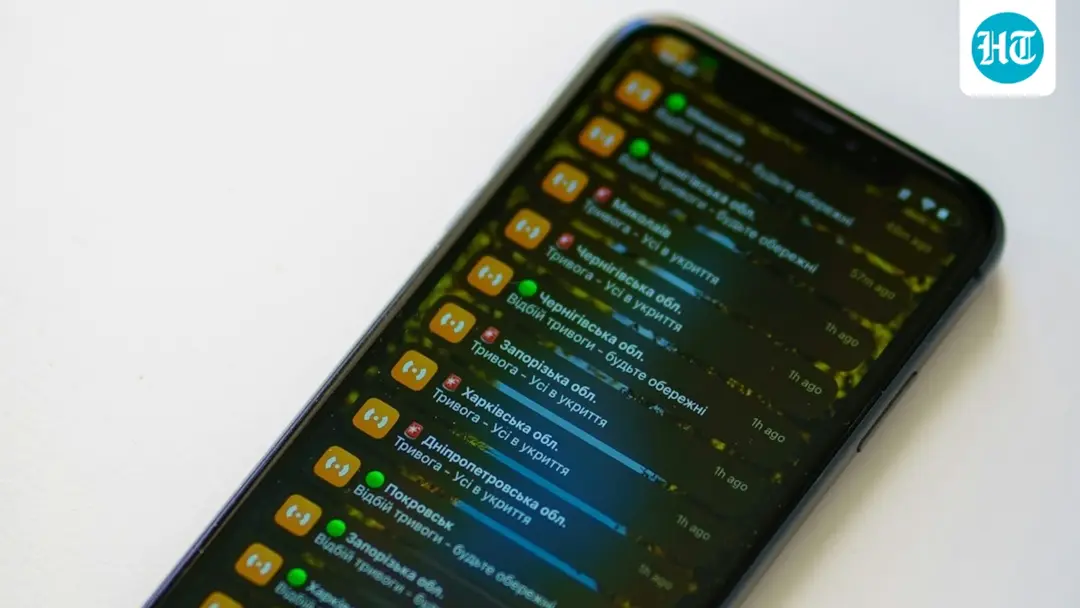
C-DOT developing two-way interactive disaster alert system
The Centre for Development of Telematics (C-DOT) is developing an interactive layer for the Cell Broadcast System used by the National Disaster Management Authority, which sends location-based alerts to mobile phones in under 10 seconds. Users would get options such as 'I am safe', 'Evacuate me' or 'Send me medicine', CEO Rajkumar Upadhyay said. A multilingual voice-query facility is also being built. The two-way feature may take at least a year; trials were held in four countries.
Source
Hindustan Times — India · read the original report ↗
Desk check · compared with the source
What the desk checked (5)
- NDMA's current Cell Broadcast System sends location-based alerts to mobile phones in under 10 seconds — Figure appears in source; attributed to C-DOT via the report.
- C-DOT is building an interactive two-way layer allowing users to mark themselves safe, request evacuation or medicines — Attributed to C-DOT CEO Rajkumar Upadhyay in quoted remarks.
- Voice-query facility will work across multiple Indian languages via real-time conversion to English and back — Directly quoted from Upadhyay; technical claim not independently verified.
- Two-way functionality likely to take at least a year; integration depends on NDMA procuring the technology — Stated in source as expectation, not a confirmed timeline.
- CBS was launched on May 2 by Union communications minister Jyotiraditya Scindia with a nationwide test — Date and name appear in source; year not specified.
Analysts’ view opinion
సెల్ బ్రాడ్కాస్ట్ అనేది ఇప్పటివరకూ ఒక వైపు నుంచి మాత్రమే సాగే 'ప్రసార' సాంకేతికత — ప్రభుత్వం చెబుతుంది, పౌరుడు వింటాడు. సీ-డాట్ చేస్తున్న ప్రయత్నం దీన్ని ఒక ప్రసార మార్గం నుంచి డేటా సేకరణ మార్గంగా మార్చడం, అంటే విపత్తు సమయంలో ఎవరు క్షేమంగా ఉన్నారు, ఎవరికి సహాయం కావాలి అనే సమాచారం జిల్లా యంత్రాంగానికి రియల్టైమ్లో మ్యాప్పై కనిపించడం. ఇది సాంకేతికంగా అలర్ట్ వ్యవస్థను ఒక 'ప్రతిస్పందన నిర్వహణ వేదిక'గా అప్గ్రేడ్ చేసే ప్రయత్నం — కానీ ఇది ఇంకా అభివృద్ధి దశలోనే ఉంది, ఎన్డీఎంఏ దీన్ని కొనుగోలు చేస్తుందా లేదా అనేది తేలలేదని కథనమే స్పష్టం చేస్తోంది.
- ఒకవైపు ప్రసారం (one-way broadcast) నుంచి ద్విముఖ మార్గానికి మారడం అంటే — నెట్వర్క్ ఒత్తిడి, ప్రతిస్పందనల ప్రామాణీకరణ, తప్పుడు/నకిలీ స్పందనల నిర్వహణ వంటి కొత్త ఇంజినీరింగ్ సవాళ్లు వస్తాయి.
- 'నేను క్షేమంగా ఉన్నాను', 'తరలించండి' వంటి నిర్దిష్ట ఎంపికలు ఇవ్వడం తెలివైన డిజైన్ నిర్ణయం — ఫ్రీ-టెక్స్ట్ కంటే స్ట్రక్చర్డ్ డేటా అధికారులకు వేగంగా వర్గీకరించడానికి, ప్రాధాన్యత ఇవ్వడానికి ఉపయోగపడుతుంది.
- బహుభాషా వాయిస్ ప్రశ్న సదుపాయం — తమిళం లేదా తెలుగులో మాట్లాడి అదే భాషలో బదులు పొందడం — భారత్లో డిజిటల్ సేవలు వాయిస్-ఫస్ట్, భాషా-ఆధారితంగా మారుతున్న విస్తృత ధోరణికి అనుగుణంగా ఉంది.
- ఏఐ వ్యవస్థను సొంతంగానే (in-house) నిర్మించాలన్న ఆలోచన, ప్రభుత్వ కీలక మౌలిక సదుపాయాల్లో విదేశీ/ప్రైవేట్ వెండర్లపై ఆధారపడకుండా సార్వభౌమ సాంకేతిక సామర్థ్యం కోరుకునే వైఖరిని సూచిస్తుంది.
- నాలుగు దేశాల్లో ప్రయోగ పరీక్షలు జరిగాయని చెప్పడం, ఈ వ్యవస్థను భారత్ ఎగుమతి చేయగల టెలికాం ఉత్పత్తిగా చూస్తున్నారని సంకేతం — అయితే ఆ దేశాల పేర్లు వెల్లడించలేదు.
What to watch — ఎన్డీఎంఏ ఈ సాంకేతికతను సీ-డాట్ నుంచి సేకరిస్తుందా, మొదట వాయిస్ ప్రశ్న సదుపాయం ఎప్పుడు అమల్లోకి వస్తుందా — అలాగే ప్రతిస్పందన డేటాను ఎవరు, ఎంతకాలం, ఏ గోప్యతా నియమాల కింద నిల్వ చేస్తారన్న అంశంపై స్పష్టత రావడాన్ని గమనించాలి.
ఈ కథనం సాంకేతిక పరిజ్ఞానం ఏ నెట్వర్క్ ప్రమాణాలపై పనిచేస్తుంది, వ్యయం ఎంత, గోప్యతా రక్షణలు ఏమిటి, ఏ దేశాల్లో పరీక్షలు జరిగాయి — ఈ వివరాలేవీ నిర్ధారించలేదు; ద్విముఖ వ్యవస్థ ఇంకా ప్రకటిత ప్రణాళిక దశలోనే ఉంది, అమలులో లేదు.
Deep dive
Research brief · 8 facts · 4 dates · exam-readyThe brief
Context
The Centre for Development of Telematics (C-DOT), India's telecom R&D organisation, built the Cell Broadcast System (CBS) that the National Disaster Management Authority (NDMA) uses to push targeted, location-based emergency alerts to mobile phones in under 10 seconds. The system was officially launched on May 2 by Union Communications Minister Jyotiraditya Scindia with a nationwide test that sent alerts accompanied by loud sounds and vibrations. At present CBS is a one-way channel from authorities to citizens. C-DOT is now developing an interactive layer so users can respond, plus a voice-based, multilingual query facility powered by an AI system it plans to build in-house.
Key facts
- The CBS used by NDMA sends targeted, location-based alerts to mobile phones in less than 10 seconds.
- C-DOT is adding an interactive layer letting alert recipients report status back to authorities.
- Proposed response options include 'I am safe', 'Evacuate me' and 'Send me medicine', per C-DOT CEO Rajkumar Upadhyay.
- A district collector would be able to see on a map who has responded and who needs help.
- A voice-based query facility will work across multiple Indian languages; speech in Tamil or Telugu would be converted to English in real time and translated back.
- C-DOT plans to build the underlying artificial intelligence system in-house.
- The voice-query facility is expected to become operational first; the two-way response feature is likely to take at least a year.
- C-DOT has successfully trialled the CBS system in four countries, which Upadhyay declined to name as trials are ongoing.
Timeline
- May 2CBS officially launched by Union Minister of Communications Jyotiraditya Scindia with a nationwide test sending emergency messages to phones across the country.
- Months after the launch (nationwide tests included loud sounds and phone vibrations)C-DOT begins developing the interactive two-way layer and voice-query facility.
- Monday (date of interview)C-DOT CEO Rajkumar Upadhyay tells HT about the planned two-way channel and multilingual voice facility.
- At least a year aheadTwo-way functionality expected to be ready; integration with NDMA depends on whether NDMA procures the technology from C-DOT.
Who has a stake
- C-DOT (Centre for Development of Telematics) — India's telecom R&D body developing the CBS, the interactive layer and the in-house AI voice system; also exporting CBS via trials abroad.
- NDMA (National Disaster Management Authority) — Current user of CBS for alerts; its procurement decision determines whether the two-way feature is integrated.
- District collectors and local administration — Would get a real-time map of who is safe and who needs evacuation or medicines during a disaster.
- Mobile phone users in disaster-hit areas — Would be able to signal safety or request help, and query alerts by voice in their own language.
- Ministry of Communications / Union Minister Jyotiraditya Scindia — Launched CBS on May 2 and champions loud, unmissable alerts over ordinary SMS.
- Four unnamed countries under trial — Potential deployment sites for India's CBS technology.
Why it matters
Disaster response in India currently relies on one-way warnings, leaving authorities blind to who actually needs rescue, evacuation or medicine. A two-way, map-based feedback channel plus multilingual voice queries could sharply improve last-mile response and reach people who cannot read alerts in English. Successful trials in four countries also position an Indian public-sector R&D product as a technology export.
UPSC angle
Prelims pointers
- C-DOT is India's telecom research and development organisation; its CEO is Rajkumar Upadhyay.
- Cell Broadcast System (CBS) sends location-based alerts to mobile phones in under 10 seconds and is used by NDMA.
- CBS was officially launched on May 2 by Union Minister of Communications Jyotiraditya Scindia with a nationwide test.
- Nationwide CBS tests included alerts with loud sounds and phone vibrations so alerts are not missed on silent mode.
- C-DOT plans an in-house AI system for a multilingual voice-based emergency query facility.
- CBS trials have been conducted in four countries (not named by C-DOT).
Mains framing
India's emergency alerting architecture has moved from SMS-based dissemination to the Cell Broadcast System, which pushes geo-targeted alerts with loud sound and vibration to mobile phones in under 10 seconds, addressing the problem of missed or silenced warnings. Yet the system remains a one-way channel: authorities can warn but cannot know who is safe, stranded or in need of medical aid, which weakens the rescue-and-relief phase of disaster management. C-DOT's proposed interactive layer, with pre-set responses such as 'I am safe', 'Evacuate me' and 'Send me medicine' plotted on a district collector's map, would convert alerting into a real-time needs-assessment tool, while a multilingual voice-query facility using an in-house AI stack addresses linguistic and literacy barriers by translating speech in languages such as Tamil or Telugu through English and back. The constraints, as the source notes, are timelines and institutional adoption: the two-way feature is at least a year away, the voice facility comes first, and integration hinges on whether NDMA procures the technology. The way forward lies in early NDMA-C-DOT coordination on procurement, robust testing of AI translation accuracy in stress conditions, and leveraging the four ongoing overseas trials to establish CBS as an Indian technology export.
Key terms
- C-DOT
- Centre for Development of Telematics, India's telecom research and development organisation, developer of the Cell Broadcast System.
- Cell Broadcast System (CBS)
- Technology that pushes targeted, location-based emergency alerts to all mobile phones in an area in less than 10 seconds.
- NDMA
- National Disaster Management Authority, the agency currently using CBS to send emergency alerts to citizens.
- Two-way interactive layer
- Proposed add-on letting alert recipients send back responses like 'I am safe', 'Evacuate me' or 'Send me medicine'.
- Voice-based query facility
- Planned multilingual feature converting a user's speech to English in real time and returning the reply in the user's language.
Practice questions
- How can a two-way cell broadcast alert system strengthen India's disaster response beyond early warning? Discuss with reference to C-DOT's proposed interactive layer.
- Examine the role of indigenous telecom R&D institutions such as C-DOT in building public safety infrastructure and in exporting Indian technology.
- Multilingual AI-based voice interfaces are increasingly seen as essential to last-mile delivery of public services. Critically evaluate in the context of emergency alerting.
Grounded only in the source report — figures and dates are the source's, not inferred.