
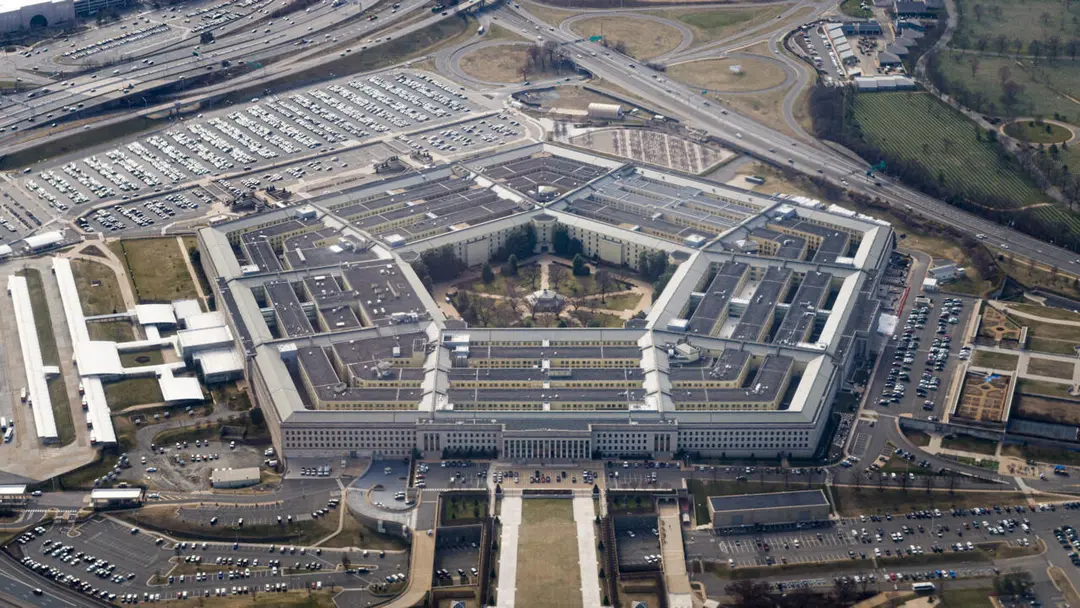
Pentagon report cites munitions shortfall from Iran war
The US military is facing an ammunition shortfall as a result of its war in Iran, which cost an estimated $33.4 billion in its first four months alone, according to a report by the Pentagon's inspector general. Saudi officials on Tuesday accused Yemen's Houthi rebels of using ballistic missiles and drones in attacks that wounded 13 civilians in southern Saudi Arabia. US President Donald Trump said he is willing to negotiate with Iran.
Source
France 24 · read the original report ↗
Desk check · compared with the source
What the desk checked (5)
- The US military faces a shortfall in ammunition due to its war in Iran. — Attributed in source to a report by the Pentagon's inspector general.
- The war cost an estimated $33.4 billion in its first four months. — Figure appears in source, described as an estimate from the inspector general's report.
- Houthi ballistic missile and drone attacks wounded 13 civilians in southern Saudi Arabia. — Attributed to Saudi officials on Tuesday; no independent confirmation in source.
- Trump said he is willing to negotiate with Iran. — Attributed directly to US President Donald Trump in source's summary of previous developments.
- Saudi Arabia sought postponement of a Tehran-Gulf meeting on the Strait of Hormuz planned in Oman. — Stated in source without named official attribution.
Analysts’ view opinion
పెంటగాన్ ఇన్స్పెక్టర్ జనరల్ నివేదిక వెల్లడించిన ఆయుధాల కొరత అనేది కేవలం సరఫరా సమస్య కాదు — అది వ్యూహాత్మక సందేశం. నాలుగు నెలల్లోనే 33.4 బిలియన్ డాలర్ల వ్యయం, ఆధునిక క్షిపణులు, మందుగుండు నిల్వల క్షీణత అమెరికా దీర్ఘకాలిక యుద్ధాన్ని ఎంతకాలం భరించగలదు అనే ప్రశ్నను ముందుకు తెస్తాయి. ఇదే నేపథ్యంలో ట్రంప్ ఇరాన్తో చర్చలకు సిద్ధమని ప్రకటించడం — వారాల తరబడి "ఇంకా సమయం రాలేదు" అన్న తర్వాత — సైనిక వాస్తవాలు దౌత్య వైఖరిని ప్రభావితం చేస్తున్నాయనే భావనను బలపరుస్తుంది.
- ఆధునిక ఆయుధాల కొరత అమెరికాకు ఇతర రంగాల్లో — ఇండో-పసిఫిక్ సహా — ఏకకాలంలో సన్నద్ధత నిలుపుకోవడాన్ని కష్టతరం చేయగలదు, అయితే నివేదిక ఏ నిర్దిష్ట ఆయుధాల గురించి చెప్పిందో కథనం స్పష్టం చేయలేదు.
- కొరత బహిరంగంగా అంగీకరించడం ప్రత్యర్థులకు ఉపయోగపడే సమాచారం; ఇరాన్, హౌతీలు వంటి శక్తులు ఇది అమెరికా సహనశక్తికి పరిమితి ఉందనే సంకేతంగా చదవవచ్చు.
- సౌదీ అరేబియాపై బాలిస్టిక్ క్షిపణులు, డ్రోన్ దాడులు — మరియు సౌదీ ప్రతిదాడులు — యుద్ధం ఇరాన్కు మాత్రమే పరిమితం కాకుండా గల్ఫ్ అంతటా విస్తరిస్తున్న ప్రాక్సీ యుద్ధ నమూనాను చూపుతున్నాయి.
- హార్ముజ్ జలసంధిపై టెహ్రాన్-గల్ఫ్ సమావేశాన్ని సౌదీ వాయిదా వేయాలని కోరడం, ప్రాంతీయ దౌత్య మార్గాలు కూడా ఒత్తిడిలో ఉన్నాయని సూచిస్తుంది — ఇంధన రవాణా భద్రతకు ఇది కీలకం.
- చర్చలకు సిద్ధత ప్రకటన బలహీనత సంకేతమా లేక బలప్రయోగం తర్వాత దౌత్య ప్రయోజనం పొందే వ్యూహమా అనేది ఇంకా తేలలేదు — రెండు పఠనాలకూ ఆధారం ఉంది.
What to watch — అమెరికా ఆయుధ ఉత్పత్తిని వేగవంతం చేయడానికి, మిత్రదేశాల నిల్వలపై ఆధారపడటానికి తీసుకునే చర్యలు; మరోవైపు ఇరాన్ చర్చల ప్రతిపాదనకు స్పందిస్తుందా, లేక హౌతీ దాడులు కొనసాగడం ద్వారా ఒత్తిడి పెంచుతుందా అనేది గమనించాలి.
ఈ కథనం ఆయుధ కొరత తీవ్రత, ప్రభావిత ఆయుధ రకాలు, లేదా ట్రంప్ చర్చల ప్రకటనకు కొరతే కారణమా అనే విషయాలను నిర్ధారించడం లేదు; అలాగే హౌతీ దాడులపై సౌదీ ఆరోపణలకు స్వతంత్ర ధ్రువీకరణ కూడా ఇందులో లేదు.
Deep dive
Research brief · 8 facts · 4 dates · exam-readyThe brief
Context
A US-Iran war in the Middle East has entered a phase where its costs and material strains on the American military are becoming public. A report by the Pentagon's inspector general — the Defense Department's internal watchdog — says the US military is short of ammunition and advanced weapons because of the conflict, which cost an estimated $33.4 billion in its first four months alone. The war has widened regionally: Saudi Arabia and Iran-backed Houthi rebels in Yemen are exchanging strikes, and a planned Tehran-Gulf meeting on the Strait of Hormuz has been postponed. US President Donald Trump has said he is now willing to negotiate with Iran after weeks of saying it was too early for a deal.
Key facts
- A Pentagon inspector general report says the US military faces a shortfall in ammunition and advanced weapons as a result of its war in Iran.
- The war cost an estimated $33.4 billion in its first four months alone, according to the report.
- Saudi officials on Tuesday accused Yemen's Houthi rebels of using ballistic missiles and drones in attacks in southern Saudi Arabia.
- The Houthi attacks wounded 13 civilians in southern Saudi Arabia.
- Saudi Arabia launched dozens of air strikes on western Yemen after Iran-backed Houthi rebels attacked military facilities in the kingdom.
- Saudi Arabia requested the postponement of a meeting between Tehran and Gulf powers on the Strait of Hormuz, which was to be held in Oman on Monday.
- President Donald Trump said he is willing to negotiate with Iran, reversing weeks of saying it was too early to make a deal with Tehran to end the Middle East war.
- The report and developments were carried in a liveblog issued on 15 September 2026.
Timeline
- Monday (before 15/09/2026)A meeting between Tehran and Gulf powers on the Strait of Hormuz was scheduled in Oman; Saudi Arabia requested its postponement.
- TuesdaySaudi officials accused Houthi rebels of ballistic missile and drone attacks that wounded 13 civilians in southern Saudi Arabia.
- Day before publication (14/09/2026, as reported)Trump said he is willing to negotiate with Iran; Saudi Arabia launched dozens of air strikes on western Yemen after Houthi attacks on kingdom military facilities.
- 15 September 2026Report issued citing the Pentagon inspector general's findings on the munitions shortfall and the $33.4 billion four-month cost.
Who has a stake
- US military / Department of Defense — Faces a shortfall in ammunition and advanced weapons, and a war cost estimated at $33.4 billion in four months.
- Pentagon's inspector general — Internal watchdog whose report has made the munitions shortfall and war costs public.
- US President Donald Trump — Has shifted position to say he is willing to negotiate with Iran to end the Middle East war.
- Iran (Tehran) — Party to the war with the US and to the postponed talks with Gulf powers on the Strait of Hormuz.
- Saudi Arabia — Hit by missile and drone attacks wounding 13 civilians; conducting air strikes on western Yemen; sought postponement of the Oman meeting.
- Yemen's Houthi rebels — Iran-backed group accused of attacking Saudi military facilities and civilians, and targeted by Saudi air strikes.
- Oman and Gulf powers — Oman was to host the Tehran-Gulf meeting on the Strait of Hormuz that has now been postponed.
Why it matters
A munitions shortfall in the world's largest military, disclosed by the Pentagon's own watchdog, signals that sustained high-intensity war strains even the best-stocked arsenals and drives up costs fast — $33.4 billion in four months. With Saudi Arabia and the Houthis now trading strikes and talks on the Strait of Hormuz postponed, the conflict risks spreading across a region that carries a large share of the world's oil trade. Trump's stated willingness to negotiate is the first opening for de-escalation.
UPSC angle
Prelims pointers
- Pentagon inspector general report: US ammunition and advanced weapons shortfall due to the war in Iran.
- Estimated cost of the US war in Iran: $33.4 billion in the first four months.
- Houthi attacks on southern Saudi Arabia wounded 13 civilians, using ballistic missiles and drones.
- Strait of Hormuz: subject of a Tehran-Gulf powers meeting due in Oman, postponed at Saudi Arabia's request.
- Houthis are described in the source as Iran-backed rebels based in Yemen.
- Saudi Arabia carried out dozens of air strikes on western Yemen after attacks on its military facilities.
Mains framing
The Pentagon inspector general's disclosure of an ammunition and advanced-weapons shortfall, alongside a $33.4 billion cost in the war's first four months, illustrates how modern high-intensity conflict consumes precision munitions faster than industrial bases can replenish them, converting a military campaign into an industrial and fiscal problem. The war's regional spillover compounds this: Iran-backed Houthi rebels striking Saudi military facilities and wounding 13 civilians in the kingdom's south, Saudi retaliation through dozens of air strikes on western Yemen, and the postponement of the Tehran-Gulf meeting in Oman on the Strait of Hormuz — the very channel through which much of the region's energy trade moves. For India and other energy importers, such escalation raises exposure through oil prices, shipping routes and the security of its large diaspora in the Gulf, though the source does not detail these effects. The way forward suggested by the source itself is diplomatic: Trump's stated willingness to negotiate with Iran after weeks of resistance, and the revival of the postponed Hormuz talks, remain the available routes to de-escalation, while sustaining munitions stocks is a longer-term capacity question.
Key terms
- Pentagon inspector general
- The US Defense Department's internal watchdog, which audits and reports on military spending and readiness; author of the report on the munitions shortfall.
- Munitions shortfall
- A shortage of ammunition and advanced weapons stocks, here caused by expenditure during the war in Iran.
- Houthi rebels
- An Iran-backed armed group in Yemen, accused of ballistic missile and drone attacks on Saudi Arabia.
- Strait of Hormuz
- The narrow sea passage at the mouth of the Gulf, and the subject of the postponed Tehran-Gulf powers meeting in Oman.
- Ballistic missiles and drones
- The weapons Saudi officials say the Houthis used in attacks that wounded 13 civilians in southern Saudi Arabia.
Practice questions
- What does the Pentagon inspector general's finding of a munitions shortfall reveal about the sustainability of high-intensity warfare for major powers? Discuss with reference to the reported costs of the US war in Iran.
- Examine how the spillover of the US-Iran war into Saudi Arabia and Yemen affects the security of the Strait of Hormuz and the interests of energy-importing states.
- Trump's shift from refusing talks to willingness to negotiate with Iran: assess the conditions under which battlefield costs push adversaries towards diplomacy.
Grounded only in the source report — figures and dates are the source's, not inferred.