
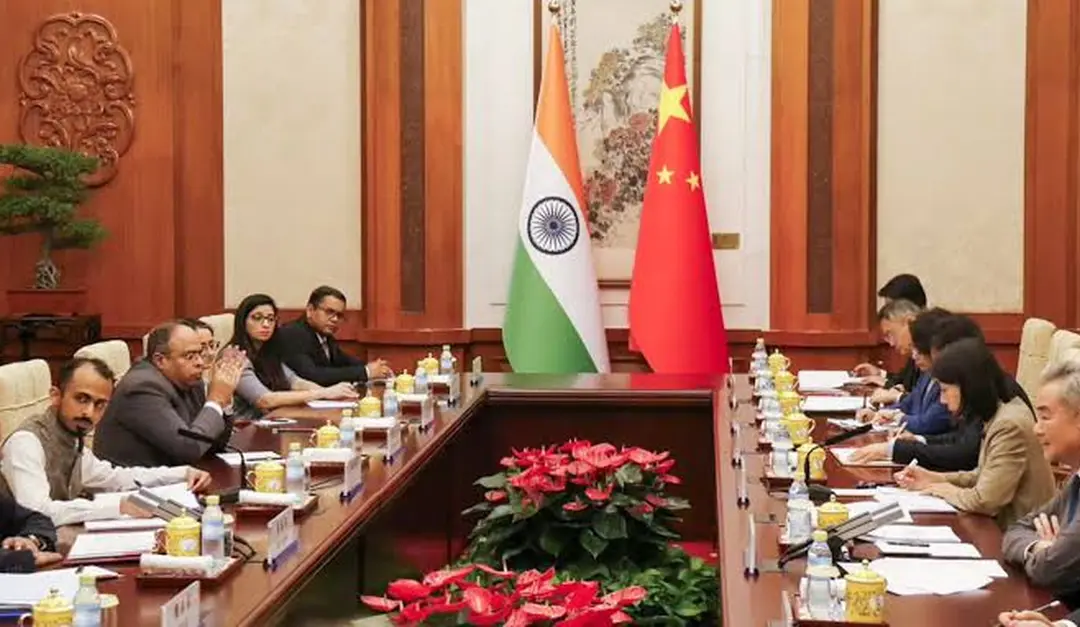
China cut LAC troop deployment in 2025, says Defence Ministry
China significantly reduced the deployment of People's Liberation Army forces along the Line of Actual Control in 2025, the Defence Ministry said in its annual report for 2025-26. It said 10 Combined Arms Brigade size forces each were deployed in areas along the LAC and in traditional training areas. Indian Army deployment in all sectors is robust and prepared for any contingency, the report said. It also called Operation Sindoor an operational success and a strategic statement.
Source
Ministry of Defence · read the original report ↗
Desk check · compared with the source
What the desk checked (5)
- China reduced troop deployment along the LAC in 2025. — Attributed to the Defence Ministry's annual report for 2025-26 and quoted in the source.
- 10 Combined Arms Brigade size PLA forces each deployed along the LAC and in traditional training areas. — Figure appears in the source as a direct quote from the ministry report.
- Indian Army deployment in all sectors along the LAC is robust and well poised. — Quoted from the ministry report; no independent verification in source.
- Modi and Xi met on the margins of the BRICS summit in New Delhi on Saturday. — Stated by the report without further sourcing; date given only as 'Saturday' relative to the dateline.
- Operation Sindoor was an operational success and a strategic statement. — Assessment quoted from the Defence Ministry report, not an independent evaluation.
Analysts’ view opinion
రక్షణ శాఖ వార్షిక నివేదికలో "చైనా బలగాల తగ్గింపు" ప్రస్తావన కేవలం సైనిక సమాచారం కాదు — గల్వాన్ తర్వాత ప్రతిపక్షం లేవనెత్తుతున్న "సరిహద్దు యథాతథ స్థితి" ప్రశ్నకు ప్రభుత్వం ఇచ్చే అధికారిక, డాక్యుమెంటెడ్ సమాధానం. కజాన్, టియాన్జిన్, ఇప్పుడు బ్రిక్స్ సందర్భంగా మోదీ–జిన్పింగ్ భేటీల వరుసతో దీన్ని కలిపి చూస్తే, "చర్చల ద్వారా ఒత్తిడి తగ్గించాం, అదే సమయంలో మన మోహరింపు పటిష్టంగా ఉంది" అనే ద్విముఖ కథనాన్ని ప్రభుత్వం నిర్మిస్తోంది. ఆపరేషన్ సిందూర్ను "వ్యూహాత్మక ప్రకటన" అని అభివర్ణించడం ద్వారా జాతీయ భద్రతపై బలమైన ప్రభుత్వ ఇమేజ్ను కొనసాగించే ప్రయత్నం కనిపిస్తోంది.
- వార్షిక నివేదిక అనే అధికారిక పత్రంలో ఈ అంశం చేరడం ప్రభుత్వానికి రాజకీయంగా ఉపయోగపడే సాక్ష్యం — పార్లమెంటు చర్చల్లో, ప్రశ్నలకు సమాధానంగా ఉటంకించే అవకాశం ఉంది.
- చైనాతో సాధారణీకరణను ప్రభుత్వం దౌత్య విజయంగా చూపగలిగినా, "ఎంత తగ్గింపు, ఏ ప్రాంతాల్లో, గల్వాన్కు ముందు స్థితికి చేరిందా" అనే ప్రశ్నలను ప్రతిపక్షం లేవనెత్తే అవకాశం ఉంది.
- మోదీ ఖుద్దుగా "సరిహద్దులో శాంతి సంబంధాలకు అత్యవసర ప్రాతిపదిక" అని చెప్పడం — దేశీయంగా మెతకవైఖరి ఆరోపణలను ముందస్తుగా తిప్పికొట్టే జాగ్రత్తగా చదవవచ్చు.
- ఆపరేషన్ సిందూర్ ప్రస్తావన ద్వారా పాకిస్తాన్ ముందు దృఢత్వం, చైనా విషయంలో దౌత్యం — రెండింటినీ ఒకే జాతీయ భద్రతా కథనంలో కలిపే ప్రయత్నం స్పష్టం.
- "సామర్థ్య లోపాల సమగ్ర సమీక్ష" అని నివేదిక చెప్పడం రక్షణ కొనుగోళ్లు, ఆధునికీకరణ బడ్జెట్కు రాజకీయ సమర్థనగా మారవచ్చు.
What to watch — పార్లమెంటు వచ్చే సమావేశాల్లో ఈ నివేదికలోని బలగాల తగ్గింపు అంశంపై ప్రతిపక్షం వివరాలు, డీ-ఎస్కలేషన్ పరిధిపై స్పష్టత కోరుతుందా — మరియు ప్రభుత్వం చైనాతో సంబంధాల పునరుద్ధరణను దౌత్య విజయంగా ఎంత బహిరంగంగా ప్రచారం చేస్తుందా అన్నది గమనించాలి.
తగ్గింపు పరిమాణం, గల్వాన్కు ముందు స్థితితో పోలిక, ఇది శాశ్వతమా తాత్కాలికమా — ఈ కథనం ఏదీ నిర్ధారించలేదు; అలాగే ప్రతిపక్షాల స్పందన లేదా చైనా అధికారిక వివరణ ఇందులో లేవు.
Deep dive
Research brief · 8 facts · 6 dates · exam-readyThe brief
Context
The Ministry of Defence's annual report for 2025-26 states that China significantly reduced People's Liberation Army deployments opposite India's northern borders in 2025, with 10 Combined Arms Brigade size forces each in areas along the Line of Actual Control (LAC) and in traditional training areas. India-China ties had been severely strained after the deadly Galwan Valley clashes of 2020, and began to be repaired only after the eastern Ladakh face-off ended and Prime Minister Narendra Modi met Chinese President Xi Jinping in Kazan, Russia, in October 2024. The report also assesses Operation Sindoor as an operational success and a strategic statement, and flags a post-operation review of capability voids.
Key facts
- Defence Ministry annual report 2025-26 says 2025 saw a significant reduction in PLA deployment opposite India's northern borders.
- The report cites 10 Combined Arms Brigade size forces each deployed in areas along the LAC and in traditional training areas.
- Indian Army deployment in all sectors along the LAC is described as robust, well poised and prepared for any emerging contingency.
- India-China relations came under severe strain after the deadly Galwan Valley clashes in 2020.
- Repair of ties began after the Modi-Xi meeting in Kazan, Russia, in October 2024, following over four years of frosty ties.
- Modi and Xi held wide-ranging talks on August 31 last year on the margins of the SCO summit in Tianjin, China.
- Modi and Xi met again on Saturday on the margins of the BRICS summit in New Delhi; Modi said peace and tranquillity on the frontier is an 'essential' basis for ties.
- The report says Operation Sindoor showcased multi-domain capability, strategic foresight and restraint, and was followed by a comprehensive review of capability voids.
Timeline
- 2020Deadly Galwan Valley clashes strain India-China relations severely.
- October 2024Modi meets Xi Jinping in Kazan, Russia, after the eastern Ladakh face-off ends; relations begin to be repaired.
- August 31 (last year)Modi and Xi hold wide-ranging talks on the margins of the SCO summit in Tianjin, China.
- 2025Significant reduction in PLA deployment opposite the northern borders, per the Defence Ministry annual report 2025-26.
- Saturday (before September 14, 2026)Modi and Xi meet on the margins of the BRICS summit in New Delhi; both welcome 'steady progress' in bilateral ties.
- September 14, 2026Report of the Defence Ministry's annual report 2025-26 findings on LAC deployment made public.
Who has a stake
- Ministry of Defence — Author of the annual report 2025-26; assesses border deployments, Operation Sindoor outcomes and capability gaps.
- Indian Army — Maintains deployment described as robust and well poised in all sectors along the LAC to meet contingencies.
- People's Liberation Army (China) — Its deployment opposite the northern borders reportedly reduced significantly in 2025.
- Prime Minister Narendra Modi — Has led engagement with Xi at Kazan, Tianjin and the New Delhi BRICS summit, stressing peace on the frontier.
- Chinese President Xi Jinping — Counterpart in the series of meetings that both sides say show steady progress in ties.
- Indian armed forces (joint structures) — Subject of post-Operation Sindoor force restructuring, enhanced jointness and integration of emerging technologies.
Why it matters
A reduction in PLA deployment along the LAC is the first official Indian assessment suggesting the military standoff that began with Galwan in 2020 is easing, and it comes alongside a fresh round of leader-level diplomacy. At the same time the report insists Indian deployment stays robust in all sectors, signalling that de-escalation is being tested, not assumed. The linked review of capability voids after Operation Sindoor shows border management and force modernisation are being treated as one continuous problem.
UPSC angle
Prelims pointers
- Line of Actual Control (LAC) separates Indian-controlled territory from Chinese-controlled territory; Galwan Valley clashes occurred in 2020.
- Defence Ministry annual report 2025-26 reports 10 Combined Arms Brigade size PLA forces each along the LAC and in traditional training areas.
- Modi-Xi meeting at Kazan, Russia, October 2024, marked the start of repair in India-China ties.
- Modi-Xi talks on August 31 (last year) were on the margins of the SCO summit in Tianjin, China.
- The latest Modi-Xi meeting took place on the margins of the BRICS summit held in New Delhi.
- Operation Sindoor is described by the ministry as an operational success and a strategic statement.
Mains framing
The Defence Ministry's annual report 2025-26 marks a notable shift in India's official reading of the northern borders: after the 2020 Galwan Valley clashes and over four years of frosty ties, 2025 saw what the ministry calls a significant reduction in PLA deployment opposite the northern borders, with 10 Combined Arms Brigade size forces each along the LAC and in traditional training areas. The causes cited in the source are diplomatic rather than unilateral: the end of the eastern Ladakh face-off, the Modi-Xi meeting in Kazan in October 2024, the SCO summit talks in Tianjin, a series of confidence-building measures in recent months, and the latest meeting on the margins of the BRICS summit in New Delhi, where Modi described peace and tranquillity along the frontier as an 'essential' basis for relations. The implication is that de-escalation is reversible and conditional, which is why the report simultaneously stresses that Indian Army deployment in all sectors along the LAC remains robust, well poised and prepared for any emerging contingency. The way forward the report itself indicates lies in capability rather than complacency: drawing on Operation Sindoor, it points to a comprehensive review of capability voids with focus on force restructuring, enhancing jointness and integrating emerging technologies, alongside intelligence dominance and joint operational readiness.
Key terms
- Line of Actual Control (LAC)
- The de facto boundary between India and China along which both armies deploy; site of the 2020 Galwan Valley clashes.
- Combined Arms Brigade
- A PLA formation unit; the report uses it as the measure for Chinese forces along the LAC and in training areas.
- Operation Sindoor
- Indian military operation the Defence Ministry calls not just an operational success but a strategic statement.
- SCO summit
- Shanghai Cooperation Organisation summit; its Tianjin edition hosted Modi-Xi talks on August 31 last year.
- BRICS summit
- Grouping summit, held in New Delhi, on whose margins Modi and Xi met on Saturday.
- Jointness
- Integrated functioning of the armed forces; a focus area of India's post-Operation Sindoor capability review.
Practice questions
- The Defence Ministry's 2025-26 annual report reports a significant reduction in PLA deployment along the LAC. Examine the extent to which diplomatic engagement since October 2024 explains this shift, and why India's own deployment remains unchanged.
- Discuss how Operation Sindoor has shaped India's defence capability review, with reference to force restructuring, jointness and emerging technologies as flagged in the Defence Ministry annual report.
- 'Peace and tranquillity along the frontier remain an essential basis for the development of India-China relations.' Critically analyse this proposition in the light of developments since the 2020 Galwan Valley clashes.
Grounded only in the source report — figures and dates are the source's, not inferred.