
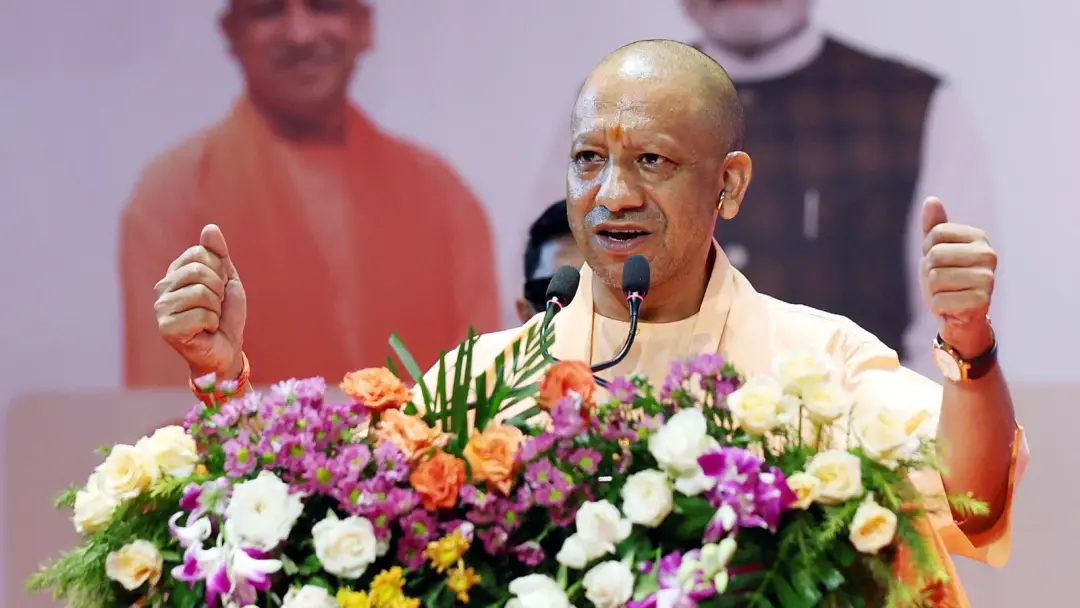
Yogi hands appointment letters to 3,567 UPESSC-selected teachers
Under his promise of one lakh jobs in six months, Uttar Pradesh Chief Minister Yogi Adityanath on Tuesday distributed appointment letters to 3,567 candidates selected by the UP Education Service Selection Commission in Lucknow. He said 5,297 letters were given in the past week and 9.5 lakh in nine years. Anyone demanding money from appointees would be jailed, he warned. He also directed a letter to NCTE over youths protesting in Prayagraj.
Source
Indian Express — Cities · read the original report ↗
Desk check · some claims need care
What the desk checked (5)
- Over 3,500 candidates (3,567) selected by UPESSC received appointment letters in Lucknow on Tuesday — Figure appears in source and is attributed to the event and the Chief Minister's speech; internally consistent.
- 5,297 appointment letters distributed in the past week under the one lakh jobs campaign — Attributed to Yogi Adityanath; consistent with the source's earlier reference to 'close to 5,300'.
- 9.5 lakh youths received appointment letters in the past nine years — Attributed to the Chief Minister; no independent data cited in the source.
- A candidate was asked for Rs 8 lakh during the SP regime and lost the job to a higher bidder — Allegation made by the Chief Minister citing an interview; unverified and no response from the Samajwadi Party in the source.
- Former DGP Prashant Kumar is UPESSC chairman — Stated as fact by the source without attribution.
Analysts’ view opinion
Ahead of an election cycle in Uttar Pradesh, Yogi Adityanath has turned the handing out of appointment letters into a recurring political event — a one-lakh-jobs-in-six-months pledge, thousands of letters a week, and an attack on the Samajwadi Party from every stage. By coining the "Saifai Syndicate" line, he is trying to shift the unemployment debate from his government's record to alleged recruitment malpractice under the previous regime. Since young aspirants sitting competitive exams are a decisive constituency for both sides, the contest is being fought precisely on this turf.
- By personally and repeatedly distributing letters, the Chief Minister links credit for jobs directly to himself and to the Prime Minister's "self-reliant India" framing.
- The "Saifai Syndicate" jibe and the indirect dig at Akhilesh Yadav over "counting" bundle SP's family politics and past recruitment allegations into a single frame.
- The warning of jail for anyone demanding money post-appointment, plus placing former police officers at the head of commissions, reinforces BJP's familiar transparency-plus-tough-governance narrative.
- Ordering a letter to the NCTE over the Prayagraj protesters is a calibrated move that eases pressure without conceding the aspirants' demands outright.
- Conversely, the opposition can argue that letter counts say nothing about total vacancies, delays or the causes of the protests — the very mention of the agitation signals live discontent.
What to watch — Watch what the NCTE letter actually yields, whether the Prayagraj agitation subsides, and whether the weekly pace of appointment letters holds up against the six-month, one-lakh target.
The story does not independently verify the Chief Minister's figures or his allegations about the previous regime, carries no Samajwadi Party response, and offers no evidence of how voters will react.
Deep dive
Research brief · 8 facts · 6 dates · exam-readyThe brief
Context
Uttar Pradesh Chief Minister Yogi Adityanath has launched a campaign to hand out one lakh government appointment letters to youth within six months. On Tuesday in Lucknow he distributed letters to 3,567 candidates selected by the Uttar Pradesh Education Service Selection Commission (UPESSC), which recruits for secondary education posts and is chaired by former DGP Prashant Kumar. The event doubled as a political attack on the Samajwadi Party over alleged recruitment corruption in earlier regimes, and also saw the CM respond to youths protesting for a long time in Prayagraj over eligibility/examination rules, with a letter to be written to the National Council for Teacher Education (NCTE).
Key facts
- Yogi Adityanath distributed appointment letters to 3,567 candidates selected by UPESSC at a Lucknow event on Tuesday.
- The distribution is part of his announced target of one lakh jobs to youth in six months; the campaign was launched last week.
- The CM said he had distributed appointment letters to 5,297 youths in the past one week.
- He said appointment letters have been given to 9.5 lakh youths in the past nine years.
- The 3,567 selected cover four categories of secondary education: assistant teachers, lecturers, headmasters and principals.
- Former DGP Prashant Kumar is the chairman of the UPESSC.
- Yogi warned that anyone demanding money from a candidate receiving an appointment will 'rot in jail'.
- The CM said he asked the Secondary Education Minister to write to the National Council for Teacher Education (NCTE) about youths protesting in Prayagraj.
Timeline
- 2015-16A young man, per the CM's account, applied for the same post; Rs 8 lakh was allegedly demanded, he sold his field, but another person paying more got the job.
- Before 2017Deputy CM Brajesh Pathak said the state faced numerous challenges in law and order, roads, electricity, education and health.
- Past nine yearsAppointment letters distributed to 9.5 lakh youths, according to the CM.
- Last weekAdityanath launched the appointment-letter distribution campaign under the one lakh jobs in six months promise.
- Past one week5,297 appointment letters handed over in the state, per the CM.
- TuesdayCM distributes 3,567 UPESSC appointment letters in Lucknow and takes note of Prayagraj protesters.
Who has a stake
- 3,567 newly appointed teachers, lecturers, headmasters and principals — Secure government jobs in UP secondary education; CM assured no difficulty in joining and no transaction demands.
- UP Education Service Selection Commission (UPESSC) — Credibility of merit-based selection; headed by former DGP Prashant Kumar as part of reforming commissions and boards.
- Chief Minister Yogi Adityanath / state government — Delivery of the one lakh jobs in six months promise and a clean-recruitment narrative.
- Samajwadi Party and Akhilesh Yadav — Targeted by the CM as the 'Saifai Syndicate' accused of plundering meritorious students' interests in past recruitments.
- Youths protesting in Prayagraj — Seek relief on eligibility/attempts; CM suggested a break or arrangement to let them appear in competitive examinations after a certain period.
- National Council for Teacher Education (NCTE) — Will receive a letter from the state on the demands of the Prayagraj protesters.
- School managers and principals — Told to place queries before the government; warned of strict action if they seek any transaction from appointees.
Why it matters
Public recruitment is among the most politically charged issues in Uttar Pradesh, where allegations of paid appointments have shaped voter perceptions for years. By tying mass appointment letters to a corruption-free selection pitch and placing a former police chief at the head of the recruitment commission, the government is making transparency in hiring a central plank. The CM's response to the Prayagraj protests also shows how eligibility and examination rules set by bodies like NCTE directly affect lakhs of aspirants.
UPSC angle
Prelims pointers
- UPESSC = Uttar Pradesh Education Service Selection Commission; recruits assistant teachers, lecturers, headmasters and principals for secondary education.
- Chairman of UPESSC: former DGP Prashant Kumar.
- CM Yogi Adityanath's target: one lakh jobs to youth in six months.
- 3,567 appointment letters given on Tuesday in Lucknow; 5,297 in one week; 9.5 lakh in nine years (as claimed).
- NCTE = National Council for Teacher Education; state to write to it on Prayagraj protesters' demands.
- Brajesh Pathak is the Deputy Chief Minister who addressed the event.
Mains framing
Teacher recruitment in Uttar Pradesh sits at the intersection of employment generation, education quality and political credibility. The government's drive to distribute one lakh appointment letters in six months — with 3,567 UPESSC selections handed out in Lucknow, 5,297 in a week and a claimed 9.5 lakh in nine years — is framed as a corrective to an earlier era of alleged transactional appointments, illustrated by the CM's claim of a Rs 8 lakh demand from an aspirant in 2015-16. Institutional trust is being sought through administrative signalling, such as appointing a former DGP as UPESSC chairman and threatening imprisonment for anyone demanding money from appointees. Yet the parallel story of youths protesting in Prayagraj for a long time points to structural bottlenecks: stagnation in recruitment cycles and eligibility norms that the state itself acknowledges by proposing to write to the NCTE for a break or a system allowing candidates to appear in competitive examinations after a certain period. The way forward suggested in the source is systemic: predictable, time-bound examination calendars, grievance channels for managers and appointees before the government, and rule clarity from the regulator so that morale of aspirants is not eroded while filling the four pillars of secondary education — assistant teachers, lecturers, headmasters and principals.
Key terms
- UPESSC
- Uttar Pradesh Education Service Selection Commission, the body that selected the 3,567 candidates for secondary education posts.
- NCTE
- National Council for Teacher Education, the body to which the UP government will write regarding the Prayagraj protesters.
- 'Saifai Syndicate'
- Term used by the CM to attack the Samajwadi Party leadership over alleged plundering of meritorious students' interests.
- Four pillars of secondary education
- As described by the CM: assistant teachers, lecturers, headmasters and principals, all covered in this appointment round.
- Appointment letter campaign
- The CM's drive, launched last week, to deliver one lakh jobs to youth within six months.
Practice questions
- Examine how institutional design of state recruitment commissions affects public trust in government hiring, with reference to recent teacher appointments in Uttar Pradesh.
- Prolonged protests by aspirants point to stagnation in recruitment cycles. Discuss the measures needed to make competitive examination systems predictable and transparent.
- What role do regulatory bodies like the National Council for Teacher Education play in determining teacher eligibility, and how do their norms impact aspirants?
Grounded only in the source report — figures and dates are the source's, not inferred.