
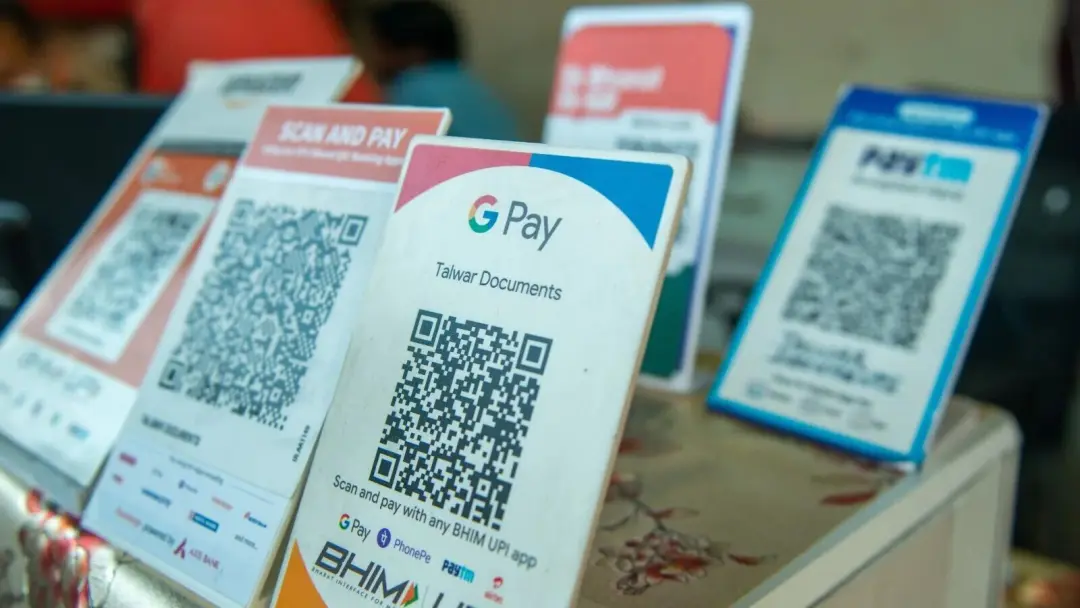
NPCI sets 0.4% MDR on UPI merchant payments above ₹2,000
UPI payments above ₹2,000 made to merchants will attract a 0.4% Merchant Discount Rate, according to guidelines issued by the National Payments Corporation of India on Tuesday. Person-to-person transactions will carry no charges, irrespective of value. For transactions of ₹75,000 and above, MDR is capped at ₹300. Railways, telecom, insurance and fuel will pay a flat ₹5, while mutual funds and securities attract 0.02%. UPI apps cannot levy platform fees and merchants cannot pass MDR to customers.
Source
Hindustan Times — India · read the original report ↗
Desk check · compared with the source
What the desk checked (5)
- UPI payments above ₹2,000 to merchants will attract 0.4% MDR — Attributed to detailed guidelines issued by NPCI on Tuesday and a government notification; figure appears in source.
- P2P transactions will have no charges regardless of value; they form 37% of UPI volume and 70% of value — Figures appear in source but the source of the volume/value data is not specified.
- MDR capped at ₹300 for transactions of ₹75,000 and above; 0.02% capped at ₹300 for mutual funds and securities — Attributed to the notification; figures appear in source.
- Flat ₹5 MDR for railways, telecom, insurance and fuel above ₹2,000; zero MDR for P2PM QR transactions up to ₹1 lakh a month — Attributed to the notification, which is quoted directly.
- New rate will affect only 4% of merchant transactions — Attributed to the Centre's data analysis; underlying data not provided in source.
Analysts’ view opinion
యూపీఐ ఉచిత శకం ముగియడం లేదు, కానీ దాని ఖర్చును ఎవరు భరించాలో ఇప్పుడు స్పష్టంగా నిర్ణయించారు — 2020 నుంచి ఈ వ్యవస్థ ఖర్చును బ్యాంకులు, పేమెంట్ యాప్లు, ప్రభుత్వ ప్రోత్సాహకాలు మోశాయి; ఇకపై ₹2,000 దాటిన వ్యాపార లావాదేవీలపై 0.4% ఎండీఆర్ రూపంలో దానిలో కొంత భాగం వ్యాపారులకు బదిలీ అవుతుంది. కేంద్రం అంచనా ప్రకారం ఇది వ్యాపార లావాదేవీల్లో 4 శాతాన్నే తాకుతుంది, పీ2పీ లావాదేవీలకు, నెలకు ₹1 లక్ష లోపు క్యూఆర్ కోడ్ చిన్న వర్తకులకు మినహాయింపు ఉంది — అంటే భారం ఎక్కువగా పెద్ద టికెట్ సైజు వ్యాపారాలపైనే. లాభపడేది పేమెంట్ ఎకోసిస్టమ్: ఇప్పటివరకు నష్టాలతో నడిచిన యూపీఐకి ఒక ఆదాయ మార్గం ఏర్పడుతుంది.
- ఖర్చు పంపిణీలో మార్పు: ఇది కొత్త వినియోగదారు పన్ను కాదు, ఇప్పటివరకూ బ్యాంకులు/యాప్లు మోసిన మౌలిక సదుపాయ ఖర్చులో కొంత భాగాన్ని పెద్ద వ్యాపారులకు మళ్లించే చర్య.
- 0.4% రేటు కార్డు ఎండీఆర్ల కంటే తక్కువ స్థాయిలో ఉన్నట్టు కనిపిస్తుంది, ₹75,000 పైబడిన లావాదేవీలకు ₹300 పరిమితి పెట్టడం వల్ల పెద్ద మొత్తాల చెల్లింపులు డిజిటల్ నుంచి దూరం కావకుండా కాపాడే ఉద్దేశం ఉంది.
- రైల్వే, టెలికం, బీమా, ఇంధనానికి ₹5 ఫ్లాట్, మ్యూచువల్ ఫండ్లకు 0.02% — తక్కువ మార్జిన్, అధిక వాల్యూమ్ రంగాల్లో ఖర్చు వినియోగదారుల ధరల్లోకి చేరకుండా ఉండేందుకు ఉద్దేశించిన రూపకల్పన.
- పీ2పీఎం కేటగిరీలో నెలకు ₹1 లక్ష వరకు జీరో ఎండీఆర్ ఉండటం అసంఘటిత రంగానికి ఉపశమనం, అదే సమయంలో వీధి వ్యాపారులను ఫార్మల్ మర్చంట్ ఖాతాల్లోకి తెచ్చే ప్రోత్సాహకం కూడా.
- "వ్యాపారులు ఎండీఆర్ను వినియోగదారులపై మోపరాదు" అనే నియమం ఆచరణలో ఎంత కట్టుదిట్టంగా అమలవుతుందో ప్రశ్నార్థకం — కార్డు చెల్లింపుల్లో ఈ భారం చాలాచోట్ల కస్టమర్కే చేరిన అనుభవం ఉంది.
What to watch — ₹2,000 థ్రెషోల్డ్ దగ్గర వ్యాపారులు లావాదేవీలను విడదీయడం (స్ప్లిటింగ్), లేదా పెద్ద కొనుగోళ్లకు నగదు/ఇతర మార్గాలవైపు మళ్లడం ఏమైనా కనిపిస్తుందా — ఇంకా ఈ 0.4% బ్యాంకులు, యాప్ల మధ్య ఎలా పంపిణీ అవుతుందో చూడాలి.
అమలు తేదీ, 0.4% పంపిణీ నిష్పత్తి, నిబంధనలు ఉల్లంఘించిన వ్యాపారులపై చర్యలు, ఇది యూపీఐ లావాదేవీల వృద్ధిపై నికరంగా ఎంత ప్రభావం చూపుతుందనే అంశాలను ఈ కథనం నిర్ధారించలేదు.
Deep dive
Research brief · 8 facts · 3 dates · exam-readyThe brief
Context
The National Payments Corporation of India (NPCI) has issued detailed guidelines introducing a Merchant Discount Rate (MDR) on high-value UPI payments made to merchants, ending a blanket zero-MDR regime that had been in place since 2020 to push digital payments over cash. MDR is the processing fee a merchant pays to banks and payment companies on each digital transaction. The move follows a Centre notification of September 14 that UPI transactions up to ₹2,000 will attract zero MDR. The new charges apply only to person-to-merchant (P2M) transactions above ₹2,000, with safeguards to prevent costs being pushed onto customers.
Key facts
- UPI person-to-merchant payments above ₹2,000 will attract a 0.4% MDR, per NPCI guidelines issued on Tuesday.
- Person-to-person (P2P) UPI transactions will carry no charges, irrespective of transaction value.
- P2P transactions constitute 37% of total UPI transactions in volume terms and 70% in value terms.
- For transactions of ₹75,000 and above, MDR is capped at ₹300 per transaction.
- Railways, telecom, insurance and fuel will attract a flat MDR of ₹5 per transaction for payments above ₹2,000.
- Mutual funds, securities, stock brokers and dealers attract a lower MDR of 0.02%, capped at ₹300.
- Under the Person-to-Person-Merchant (P2PM) category, UPI QR code transactions up to ₹1 lakh a month will continue to have zero MDR.
- The Centre said data analysis shows the new MDR will impact only 4% of merchant transactions, as most fall below ₹2,000.
Timeline
- 2020UPI exempted from MDR as a policy choice to shift India from cash to digital payments.
- September 14The Centre notified that UPI transactions up to ₹2,000 will attract zero MDR.
- Tuesday (date not stated in the source)NPCI issues detailed guidelines levying 0.4% MDR on P2M UPI transactions above ₹2,000, with sector-specific and flat rates.
Who has a stake
- NPCI — Issued the detailed guidelines operationalising the MDR framework for UPI.
- Central government — Notified the zero-MDR threshold of ₹2,000 and defends the change as affecting only 4% of merchant transactions.
- Banks, UPI apps and payment ecosystem partners — Will share the 0.4% MDR revenue; barred from levying platform fees or hidden charges on users.
- Merchants (large and mid-sized) — Will bear MDR on transactions above ₹2,000 and are barred from recovering it from customers via bills.
- Small vendors and unorganised sector — Zero MDR continues on UPI QR transactions up to ₹1 lakh a month under the P2PM category.
- Consumers — Continue to get unlimited free UPI transactions with no platform fee; daily limits are for security, not charges.
Why it matters
UPI's zero-cost model has been central to India's shift from cash to digital payments, and any charge on it touches millions of merchants and users. The new framework tries to make the payments ecosystem financially sustainable by monetising high-value merchant payments while insulating consumers, small vendors and essential sectors. How strictly the ban on passing MDR to customers is enforced will determine whether users actually stay unaffected.
UPSC angle
Prelims pointers
- MDR (Merchant Discount Rate): fee a merchant pays banks/payment companies per digital transaction; shared among banks, apps and ecosystem partners.
- NPCI issued the guidelines; the Centre's notification of September 14 fixed zero MDR up to ₹2,000.
- 0.4% MDR applies only to P2M UPI transactions above ₹2,000; P2P is fully exempt at any value.
- MDR capped at ₹300 for transactions of ₹75,000 and above; ₹5 flat for railways, telecom, insurance, fuel; 0.02% for mutual funds and securities.
- P2PM category: UPI QR transactions up to ₹1 lakh per month remain at zero MDR.
- UPI daily transaction limits of ₹1 lakh to ₹5 lakh are for security and risk management, not charges.
Mains framing
India's zero-MDR policy on UPI since 2020 accelerated digital adoption but left banks, payment apps and ecosystem partners bearing the cost of processing infrastructure without direct revenue from transactions. The NPCI framework attempts a calibrated correction: a 0.4% MDR only on person-to-merchant transactions above ₹2,000, with a ₹300 cap above ₹75,000, a flat ₹5 for essential sectors such as railways, telecom, insurance and fuel, and 0.02% for mutual funds and securities, while P2P transfers — 37% of volume and 70% of value — stay free. Equity concerns are addressed by retaining zero MDR for P2PM QR transactions up to ₹1 lakh a month, which the notification says bridges informal street vendor setups with formal merchant acquiring accounts and promotes digital adoption in the unorganised sector; the Centre argues only 4% of merchant transactions are affected. The key implementation risks are leakage of cost to consumers, since merchants have historically passed MDR on in high-value card payments; hence the safeguards banning platform fees and instructing banks to prevent merchants from adding MDR to bills, plus clarity that transaction limits are risk-management tools, not charge triggers. The way forward lies in monitoring compliance, transparent disclosure of how the 0.4% is shared, and periodic review so that revenue sustainability does not erode UPI's mass trust.
Key terms
- MDR (Merchant Discount Rate)
- A small processing fee a merchant pays to banks and payment companies each time a customer makes a digital payment.
- NPCI
- National Payments Corporation of India, which issued the detailed guidelines on UPI MDR.
- P2M
- Person-to-merchant transactions; only these, above ₹2,000, attract the new 0.4% MDR.
- P2P
- Person-to-person transactions; fully exempt from charges regardless of value, 37% of UPI volume and 70% of value.
- P2PM
- Person-to-Person-Merchant category for small vendors; UPI QR transactions up to ₹1 lakh a month remain zero MDR.
- Platform fee
- A charge by UPI apps on users; explicitly banned under the new framework along with hidden charges.
Practice questions
- Critically examine the introduction of a 0.4% MDR on high-value UPI merchant payments. Does it balance ecosystem sustainability with the goal of financial inclusion?
- How do the exemptions under the new UPI MDR framework — P2P transfers, P2PM QR transactions up to ₹1 lakh a month, and flat rates for essential sectors — shape its distributional impact?
- Given that merchants have historically passed MDR on to customers in card payments, what enforcement mechanisms are needed to keep UPI free for consumers?
Grounded only in the source report — figures and dates are the source's, not inferred.