
Congress says Kharge 'purification' row swayed Rajasthan civic poll results
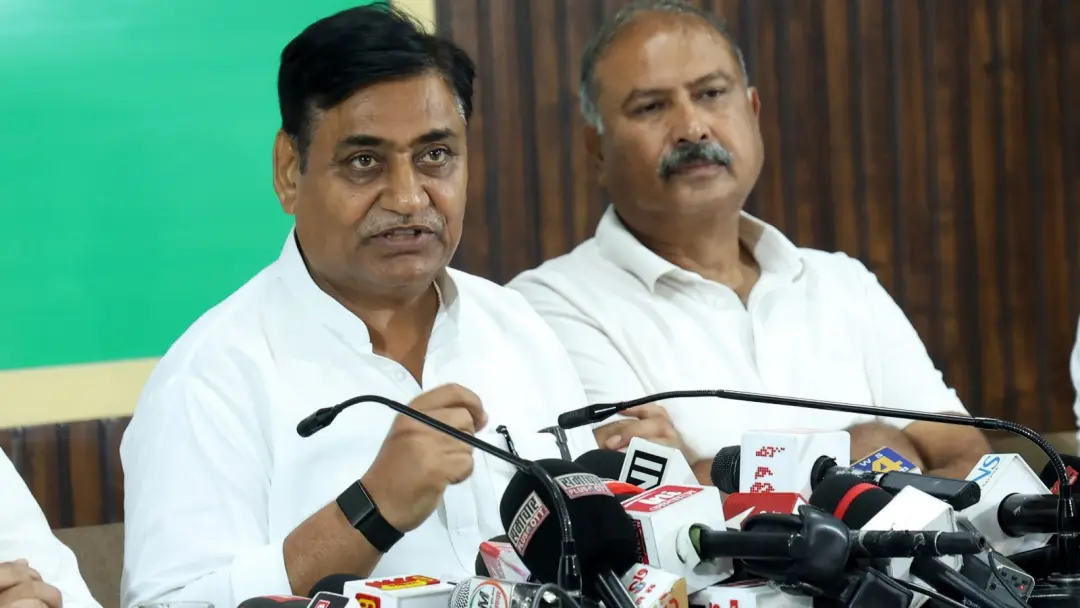
The Congress claimed it won more Scheduled Caste and Scheduled Tribe reserved seats than the BJP in Rajasthan urban local body results declared Monday. State president Govind Singh Dotasra said Congress won 542 SC-reserved wards against the BJP's 350, and 53 ST seats against 39. He linked the outcome to Dalit anger over a 'purification' ritual held at Haldwani's Ramlila Maidan after party chief Mallikarjun Kharge's August 8 rally.
Source
Indian Express — India · read the original report ↗
Desk check · some claims need care
What the desk checked (5)
- Congress won 542 SC-reserved wards against BJP's 350, and 53 ST seats against BJP's 39. — Figures attributed to Congress state president Dotasra; no official election commission data cited in source.
- BJP won 4,097 wards, with victory margins under 100 votes in 1,316 wards and under 50 votes in 772 wards. — Attributed to Dotasra as part of his 'illegal delimitation' allegation; unverified in source.
- A 'purification' ritual was held at Haldwani's Ramlila Maidan after Kharge's August 8 rally. — Source states the ritual was conducted by Shri Ram Sena Dharmarth Seva Nyas and that police registered an FIR against unknown persons.
- BJP's vote share in 188 Assembly segments fell from 50.14% in Lok Sabha polls to 35.3% in these polls. — Claim made by Dotasra; no independent source given.
- Congress sought a recount in 1,316 wards. — Attributed to Dotasra; no confirmation from authorities in source.
Analysts’ view opinion
రాజస్థాన్ పట్టణ స్థానిక సంస్థల ఎన్నికల్లో మొత్తంగా బీజేపీయే ముందంజలో ఉన్నట్టు కనిపిస్తున్నా, కాంగ్రెస్ కథనాన్ని 'ఎస్సీ/ఎస్టీ రిజర్వ్డ్ వార్డులు' మరియు 'ఖర్గే అవమానం' అనే రెండు స్తంభాలపై నిలబెట్టడానికి ప్రయత్నిస్తోంది — ఇది ఓటమిని దాచడం కాదు, దళిత ఓటు బ్యాంకును సంఘటితం చేసే దీర్ఘకాలిక రాజకీయ పెట్టుబడి. గోవింద్ సింగ్ దోతస్రా వాదనలో రెండు వేర్వేరు ఆరోపణలు కలిసి ఉన్నాయి: సామాజిక అవమానం (శుద్ధి కార్యక్రమం) మరియు వ్యవస్థాగత అన్యాయం (డీలిమిటేషన్, రీకౌంట్ నిరాకరణ). అధికార పార్టీకి సాధారణంగా అనుకూలంగా ఉండే స్థానిక ఎన్నికల్లో ఓట్ల షేర్ అంతరం 1 శాతానికే కుదించడాన్ని 'నైతిక విజయం'గా చూపడం, 2029 వైపు కాంగ్రెస్ ఊపు నిర్మించే ప్రయత్నంగా చదవాలి.
- రిజర్వ్డ్ వార్డుల లెక్కలను ముందుపెట్టడం ద్వారా కాంగ్రెస్, రాజ్యాంగం-రిజర్వేషన్ రక్షణ అనే జాతీయ స్థాయి ప్రచార చట్రాన్ని రాష్ట్ర స్థాయికి తీసుకురావడానికి ప్రయత్నిస్తోంది.
- ఖర్గే దళిత నేత కావడం కాంగ్రెస్కు ఒక రాజకీయ ఆస్తి — హల్ద్వానీ ఘటనను పార్టీ వ్యక్తిగత అవమానం నుంచి సామాజిక వర్గ అవమానంగా విస్తరించి చూపిస్తోంది.
- అదే సమయంలో డీలిమిటేషన్, రీకౌంట్ ఆరోపణలు ముందుకు తేవడం ఒక ద్విముఖ వ్యూహం — గెలిచిన చోట సామాజిక సందేశం, ఓడిన చోట ప్రక్రియపై ప్రశ్న.
- ఓట్ల షేర్ ధోరణిని వసుంధరా, గెహ్లోత్ కాలంతో పోల్చడం ద్వారా భజన్లాల్ ప్రభుత్వ పాలనపై అసంతృప్తి పెరిగిందని స్థాపించడం దోతస్రా లక్ష్యం.
- బీజేపీ వైపు నుంచి సహజ ప్రతివాదం ఏమిటంటే — మొత్తం వార్డుల్లోనూ, పట్టణ సంస్థల్లోనూ తామే ఆధిక్యం సాధించాం, ఓటమి కారణాలను కాంగ్రెస్ బయటికి నెడుతోంది; ఈ కథనాల యుద్ధమే ఇప్పుడు అసలు పోటీ.
What to watch — రీకౌంట్ కోరిన 1,316 వార్డులపై ఎన్నికల యంత్రాంగం ఎలా స్పందిస్తుంది, హల్ద్వానీ ఎఫ్ఐఆర్ దర్యాప్తు ఎటు వెళ్తుంది — ఈ రెండూ కాంగ్రెస్ ఆరోపణలకు బలం చేకూరుస్తాయా లేక నీరుగారుస్తాయా అన్నది చూడాలి.
శుద్ధి వివాదం వల్లే దళిత ఓటర్లు కాంగ్రెస్ వైపు మొగ్గారని ఈ కథనం ఎక్కడా స్వతంత్రంగా నిరూపించలేదు; అది కాంగ్రెస్ రాష్ట్ర అధ్యక్షుడి వాదన మాత్రమే, డీలిమిటేషన్ ఆరోపణలపై బీజేపీ లేదా ఎన్నికల అధికారుల స్పందన కూడా ఇందులో లేదు.
Deep dive
Research brief · 8 facts · 4 dates · exam-readyThe brief
Context
Results for Rajasthan's urban local body (ULB) elections were declared on Monday, and the Congress used the outcome to attack the ruling BJP. State Congress president Govind Singh Dotasra claimed the party won more SC- and ST-reserved wards than the BJP, attributing it to Dalit anger over a "purification" ritual performed at Haldwani's Ramlila Maidan in Uttarakhand after an August 8 rally by Congress president Mallikarjun Kharge, a Dalit leader. Dotasra simultaneously alleged that "illegal delimitation" of wards and withheld results deprived the Congress of seats despite a near-equal vote share.
Key facts
- Congress state president Govind Singh Dotasra said Congress won 542 SC-reserved wards against the BJP's 350 — 192 more than the BJP.
- In wards reserved for SC women, Congress won 261 against the BJP's 186, a lead of 75 wards, per Dotasra.
- In ST-reserved seats, Congress won 53 against the BJP's 39, according to Dotasra.
- Dotasra claimed the vote share difference between the two parties was just 1 per cent, with the BJP marginally ahead.
- Of 4,097 wards won by the BJP, the victory margin was under 100 votes in 1,316 wards, under 50 votes in 772 wards, and just 1 vote in 13 wards, Dotasra said.
- Congress sought a recount in 1,316 wards, alleging results were withheld where its candidates led by 200-300 votes.
- In Jodhpur, Congress polled 42.7 per cent against the BJP's 39.8 per cent; BJP won 44 wards to Congress's 45, per Dotasra.
- Dotasra cited Jaipur ward 31 with 13,499 voters and ward 135 with 32,272 voters as evidence of arbitrary delimitation.
Timeline
- August 8Mallikarjun Kharge addresses a rally at Ramlila Maidan, Haldwani, Uttarakhand.
- Two days after the rallyShri Ram Sena Dharmarth Seva Nyas conducts a 'purification' ritual at the Ramlila Maidan, triggering controversy.
- Last week (relative to publication)Haldwani police register an FIR against 'unknown' persons over the alleged 'purification' of Ramlila Maidan.
- MondayRajasthan urban local body results declared; Dotasra addresses the media in Jaipur.
Who has a stake
- Congress (Rajasthan unit) — Seeks to convert a near-equal vote share into a political narrative of Dalit backing and BJP rejection; has demanded recounts in 1,316 wards.
- BJP / Rajasthan government — Won 4,097 wards but faces allegations of insulting Dalits, misgovernance and gaining through 'illegal delimitation'.
- Mallikarjun Kharge, Congress president — A Dalit leader at the centre of the Haldwani 'purification' row that Congress says shaped SC/ST voting.
- Dalit and tribal voters in SC/ST-reserved wards — Their voting behaviour is being read as a verdict on constitutional and reservation issues.
- Uttarakhand police, Haldwani — Investigating an FIR against unknown persons over the alleged 'purification' of Ramlila Maidan.
- Shri Ram Sena Dharmarth Seva Nyas — The organisation that conducted the 'purification' ritual at the rally venue.
Why it matters
Urban local body polls are usually seen as favouring the ruling party, so a 1 per cent gap and Congress's edge in SC/ST-reserved wards is being read as a signal on Dalit and tribal sentiment ahead of future state contests. The dispute over ward delimitation — wards ranging from 600 to 35,000 voters by Dotasra's account — raises questions about equal representation in local democracy. It also shows how a symbolic incident in another state can be turned into an electoral issue on caste dignity.
UPSC angle
Prelims pointers
- Govind Singh Dotasra is the Rajasthan Congress president; Mallikarjun Kharge is the Congress national president.
- Rajasthan urban local body results were declared on a Monday; BJP won 4,097 wards per Congress's own count.
- Congress claimed 542 SC-reserved wards vs BJP 350; 53 ST wards vs BJP 39.
- Haldwani's Ramlila Maidan (Uttarakhand) 'purification' row followed Kharge's August 8 rally; FIR filed against unknown persons.
- Dotasra's comparison: BJP led Congress by 8.12% in ULB polls under Vasundhara Raje; Congress led by 2.2% under Ashok Gehlot; BJP lead now 1%.
- Claimed vote share in 188 assembly constituencies: BJP 42.41% (2023 assembly), 50.14% (Lok Sabha), 35.3% (these ULB polls).
Mains framing
The Rajasthan urban local body results illustrate how local elections become referendums on both governance and identity. The Congress reading is twofold: first, that symbolic humiliation of Dalits — the alleged 'purification' of Haldwani's Ramlila Maidan after Kharge's August 8 rally — combined with perceived hostility to the Constitution and reservation, moved SC/ST voters, reflected in claimed leads of 542-350 in SC wards and 53-39 in ST wards; second, that institutional design rather than popular support delivered the BJP its seat tally, since 1,316 of the BJP's 4,097 winning wards were decided by under 100 votes and 13 by a single vote, while wards ranged from 600 to 35,000 voters. The implication is that unequal ward delimitation can decouple votes from seats, as alleged in Jodhpur and Jaipur where Congress claims a higher vote or vote share with fewer wards. The way forward, on the source's own logic, lies in transparent and rule-bound delimitation with comparable ward sizes, timely and verifiable counting with recounts where demanded, and political parties addressing caste dignity substantively rather than through post-facto blame. Claims of vote share and margins here are the Congress's assertions and would need independent verification.
Key terms
- Urban local body (ULB) polls
- Elections to municipal corporations, councils and boards; the ward is the basic electoral unit.
- Delimitation (of wards)
- Drawing of ward boundaries and voter numbers; Congress alleges it was done arbitrarily, creating wards from 600 to 35,000 voters.
- Reserved wards (SC/ST)
- Wards set aside for Scheduled Caste and Scheduled Tribe candidates, including sub-quotas for SC women.
- 'Purification' ritual row
- A ritual conducted by Shri Ram Sena Dharmarth Seva Nyas at Haldwani's Ramlila Maidan two days after Kharge's rally, seen as an insult to Dalits.
- FIR against 'unknown' persons
- First Information Report filed by Haldwani police when the accused are unidentified at the time of registration.
- Vote share vs seat share
- The gap between percentage of votes polled and seats won, which unequal constituency sizes can widen.
Practice questions
- Unequal ward sizes in urban local bodies can distort the link between votes and seats. Discuss with reference to the delimitation allegations in the Rajasthan ULB polls.
- Examine how symbolic issues of caste dignity influence electoral behaviour in reserved constituencies, using the Haldwani 'purification' controversy as a case study.
- Urban local body elections are often described as a barometer of the ruling party's popularity. Critically evaluate this claim in light of the Rajasthan results.
Grounded only in the source report — figures and dates are the source's, not inferred.