
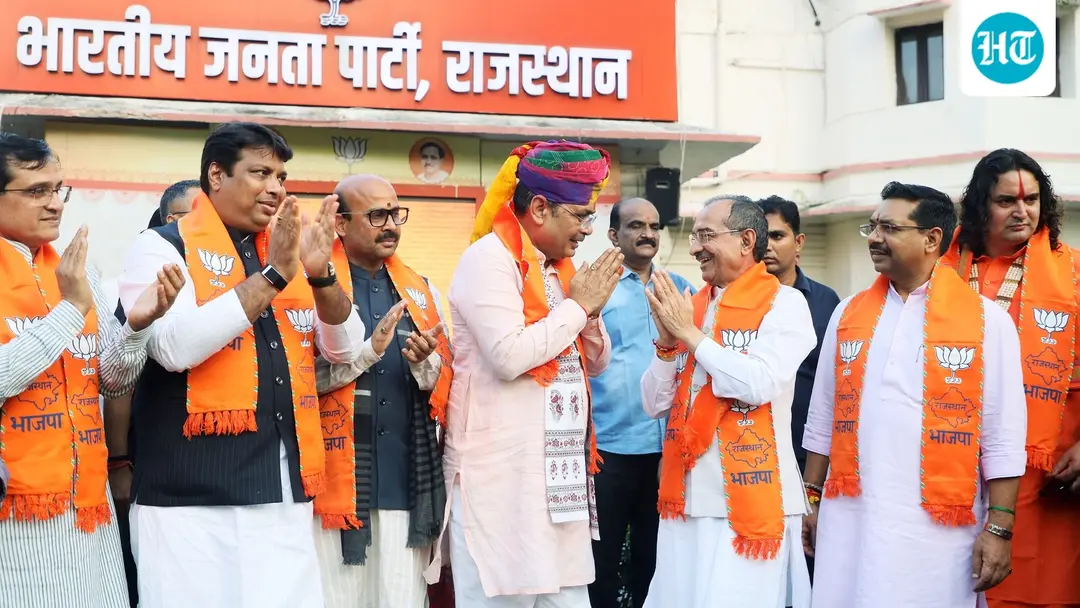
BJP largest in Jaipur, Congress wins Ajmer in Rajasthan civic polls
Results of Rajasthan's urban local body elections were announced on Monday. Of 10 municipal corporations, the BJP emerged largest in Jaipur, Kota and Alwar and won clear majorities in Udaipur and Bhilwara. The Congress took a majority in Bikaner and was largest in Ajmer and Pali. In 10,235 declared wards, the BJP won 4,179, Congress 3,613 and independents 2,273. Of 309 local bodies, the BJP secured clear majorities in 86 and Congress in 46. Congress won Ajmer after 36 years.
Source
Hindustan Times — India · read the original report ↗
Desk check · compared with the source
What the desk checked (5)
- In 10,235 of 10,244 wards declared till 8.30 pm, BJP won 4,179, Congress 3,613 and independents 2,273. — Figures appear in source; results for nine wards were still pending, so totals are provisional.
- BJP won clear majorities in 86 of 309 local bodies, Congress in 46, with no majority in 177. — Attributed to results reporting in the source; internally consistent (86+46+177=309).
- BJP lost Ajmer for the first time in 36 years; Congress won 37 of 80 wards, BJP 32, independents 11. — Attributed to state election commission data in the source.
- In Jaipur's 150-member corporation, BJP won 75 wards, Congress 50, independents 12. — Figure appears in source; source states BJP fell one seat short of majority.
- Discontent over police action against UGC protesters at Jantar Mantar influenced the outcome. — Opinion attributed to senior journalist Shripal Shaktawat, not an established fact.
Analysts’ view opinion
రాజస్థాన్ పురపాలక ఫలితాలు అధికార బీజేపీకి ఆధిక్యాన్ని ఇచ్చాయి కానీ ఆధిపత్యాన్ని ఇవ్వలేదు. 10,235 వార్డుల్లో బీజేపీ 4,179, కాంగ్రెస్ 3,613 గెలుచుకోవడం, 309 స్థానిక సంస్థల్లో 86:46 తేడా చూపడం — ఇది ప్రభుత్వ వ్యతిరేక తిరుగుబాటు కాదు, అదే సమయంలో భజన్లాల్ శర్మ ప్రభుత్వానికి నిర్ద్వంద్వ ధ్రువీకరణ కూడా కాదు. జైపూర్లో ఒక్క వార్డు తేడాతో మెజారిటీ చేజారడం, అజ్మేర్లో 36 ఏళ్ల పట్టు కోల్పోవడం, వసుంధర రాజే సొంత ఝాలావాడ్లో ఓటమి — ఈ మూడు అంశాలు బీజేపీ లోపల ప్రశ్నలు రేపే ముడిసరుకు.
- సంఖ్యల పరంగా బీజేపీ స్పష్ట విజేత, కానీ 177 స్థానిక సంస్థల్లో ఎవరికీ మెజారిటీ లేకపోవడం వల్ల ఛైర్మన్/మేయర్ పదవుల కోసం స్వతంత్రులతో బేరసారాలు నిర్ణాయకమవుతాయి — 2,273 వార్డులు గెలిచిన స్వతంత్రులే అసలు కింగ్మేకర్లు.
- జైపూర్లో 150 సభ్యుల కార్పొరేషన్లో 75 వద్ద ఆగిపోవడం అధికార పార్టీకి రాజధానిలో ఇబ్బందికర సంకేతం; పార్టీ మారి బీజేపీ టికెట్పై పోటీ చేసిన జ్యోతి ఖండేల్వాల్ ఓటమి ఆయారాం-గయారాం వ్యూహంపై పార్టీలో చర్చకు దారితీయవచ్చు.
- అజ్మేర్లో 36 ఏళ్ల తర్వాత ఓటమి (48 నుంచి 32కి పతనం) కేవలం స్థానిక ఫలితం కాదు — బీజేపీ కంచుకోటల్లో సంస్థాగత అలసటకు సూచనగా ప్రతిపక్షం దీన్ని ప్రచారంలో వాడుకుంటుంది.
- కాంగ్రెస్ వ్యూహం స్పష్టం: గెలుపు కాదు, 'తగ్గిన అంతరాన్ని' కథనంగా మలచడం — ఓట్ల తేడా 8 శాతం నుంచి ఒక శాతానికి వచ్చిందని డోటాస్రా చేసిన వాదన, ఓటమి తర్వాత పార్టీలో తన నాయకత్వాన్ని కాపాడుకునే పనికీ ఉపయోగపడుతుంది.
- 'అన్యాయమైన డీలిమిటేషన్' అన్న కాంగ్రెస్ ఆరోపణ, జంతర్ మంతర్ వద్ద UGC ఆందోళనకారులపై పోలీసు చర్యపై అసంతృప్తి ఉందన్న విశ్లేషకుల మాట — రెండూ కలిపి ప్రతిపక్షం ఇప్పటికే వచ్చే ఎన్నికల ఫ్రేమ్ను సిద్ధం చేస్తున్నట్లు కనిపిస్తుంది.
What to watch — మెజారిటీ లేని 177 స్థానిక సంస్థల్లో మేయర్/ఛైర్మన్ ఎన్నికల సమయంలో స్వతంత్రులు ఏ వైపు మొగ్గుతారు, జైపూర్ మేయర్ పీఠాన్ని బీజేపీ ఎలా సాధిస్తుంది — ఇదే వచ్చే కొన్ని వారాల అసలు రాజకీయ పరీక్ష.
స్థానిక ఎన్నికల ఫలితాలు అసెంబ్లీ స్థాయి ప్రజాభిప్రాయానికి నేరుగా అద్దం పట్టవు; డోటాస్రా చెప్పిన ఓట్ల శాతం లెక్కను, డీలిమిటేషన్ ఆరోపణలను, లేదా అసంతృప్తి కారణాలను ఈ కథనం స్వతంత్రంగా నిర్ధారించలేదు.
Deep dive
Research brief · 8 facts · 4 dates · exam-readyThe brief
Context
Rajasthan held elections to its urban local bodies, with results declared on Monday. The contest was primarily between the ruling BJP, in power in the state under Chief Minister Bhajanlal Sharma, and the opposition Congress. Results covered 309 local bodies, including 10 municipal corporations and 10,244 wards, and produced a mixed outcome for both parties, with independents also making a significant mark.
Key facts
- Of 10 municipal corporations, BJP emerged largest in Jaipur, Kota and Alwar, and won clear majorities in Udaipur and Bhilwara.
- Congress won a clear majority in Bikaner and was the single-largest party in Ajmer and Pali.
- In 10,235 of 10,244 wards declared till 8.30 pm, BJP won 4,179, Congress 3,613 and independents 2,273.
- Of 309 local bodies, BJP got clear majorities in 86 and Congress in 46; neither crossed the majority mark in 177.
- In the 177 hung bodies, BJP leads in 96, Congress in 69, and the two are tied in 12.
- BJP lost Ajmer for the first time in 36 years: Congress 37 of 80 wards, BJP 32, independents 11 (previously BJP 48, Congress 18).
- In the 150-member Jaipur corporation, BJP won 75 wards, missing majority by one; Congress 50 and independents 12.
- Bharatpur saw the strongest showing by independents; Jodhpur witnessed an almost exact BJP-Congress tie; Congress won Jhalawar, Vasundhara Raje's home town.
Timeline
- Previous municipal election (year not stated in the source)In Ajmer, BJP won 48 seats and Congress 18.
- Recent past (date not stated in the source)Police action against UGC protesters at Jantar Mantar, cited by a journalist as a source of undercurrent of discontent.
- Before the pollsCongress launched a 'Gen Z for Change' campaign for the local body elections.
- Monday (results day)Rajasthan urban local body election results announced; 10,235 of 10,244 ward results declared till 8.30 pm.
Who has a stake
- Bharatiya Janata Party (ruling in Rajasthan) — Claims endorsement of governance; largest in Jaipur, Kota, Alwar and majorities in Udaipur and Bhilwara, but missed Jaipur majority by one ward and lost Ajmer.
- Congress (opposition) — Won Ajmer after 36 years, majority in Bikaner, largest in Pali, won Jhalawar; claims vote gap with BJP narrowed to about one percentage point.
- Chief Minister Bhajanlal Sharma — Said people accepted the resolve of 'Viksit Bharat-Viksit Rajasthan', framing results as confidence in BJP governance.
- Govind Singh Dotasra, Rajasthan Congress president — Attacked the BJP government, arguing the earlier eight-percentage-point gap had shrunk to around one.
- Independents and smaller parties (RLP, BSP, BAP, CPIM, AAP) — Independents won 2,273 wards and were strongest in Bharatpur, making them decisive in hung bodies.
- Voters and local ward representatives — Municipal governance in 309 bodies, including mayoral choices in hung corporations like Jaipur and Jodhpur.
Why it matters
Urban local body results are an early read on public mood in Rajasthan between assembly elections, and the near-even ward tally suggests a tightening contest rather than a one-sided verdict. With neither party crossing the majority mark in 177 of 309 bodies and independents winning 2,273 wards, control of city governments and mayoral posts will depend on post-result arithmetic.
UPSC angle
Prelims pointers
- Rajasthan urban local body polls 2026: results declared Monday for 309 local bodies, including 10 municipal corporations.
- Ward tally: BJP 4,179, Congress 3,613, independents 2,273 out of 10,235 declared wards (of 10,244).
- Jaipur Municipal Corporation has 150 members; BJP won 75, one short of majority.
- Ajmer: Congress 37 of 80 wards, ending BJP's hold after 36 years.
- State Election Commission provided the data on the civic poll results.
- Smaller parties in the fray included RLP, BSP, BAP, CPIM and AAP.
Mains framing
Rajasthan's civic poll verdict illustrates how urban local body elections function as a mid-term referendum on state governance while remaining shaped by intensely local factors. The BJP retained the single largest ward share (4,179) and clear majorities in 86 of 309 bodies, with the Chief Minister reading it as endorsement of a 'Viksit Bharat-Viksit Rajasthan' agenda; yet it missed a Jaipur majority by one ward, lost Ajmer after 36 years, and tied nearly evenly with Congress in Jodhpur. The Congress, claiming its vote gap with the BJP narrowed from about eight percentage points to one, points to accumulating discontent, with a senior journalist citing an undercurrent over police action against UGC protesters at Jantar Mantar; the Congress also alleged unfair delimitation. The most structurally significant outcome is fragmentation: 2,273 independent wins and 177 bodies without a majority mean mayoral and chairperson selection will hinge on negotiation, raising questions about stability, defections and accountability in urban governance. The way forward lies in transparent delimitation and ward reservation processes, stable coalition norms in hung bodies, and empowering elected councils with the finances and functions envisaged for genuine municipal self-government.
Key terms
- Urban local body (ULB)
- Elected municipal institution such as a municipal corporation, municipal council or nagar palika that governs a town or city.
- Municipal corporation
- The ULB for larger cities; Rajasthan had 10 in this election, including Jaipur, Jodhpur, Kota, Ajmer and Bikaner.
- Ward
- Smallest electoral unit of a municipal body; 10,244 wards were at stake, with 10,235 results declared.
- State Election Commission
- Constitutional authority that conducts and reports local body elections in a state; the source of the poll data cited.
- Delimitation
- Redrawing of ward or constituency boundaries; the Congress blamed 'unfair' delimitation for the results.
- Nagar Palika
- Municipality for smaller urban areas, such as Riyanbari Nagar Palika in Nagaur district mentioned in the story.
Practice questions
- Urban local body elections are often described as a barometer of state-level political mood. Critically examine this claim using the outcome of the Rajasthan civic polls.
- Fragmented mandates in municipal bodies, with a large number of independents, pose challenges for urban governance. Discuss with reference to the 177 Rajasthan local bodies where no party won a majority.
- How do delimitation and ward reservation processes affect the credibility of local body elections? Suggest measures to strengthen public trust.
Grounded only in the source report — figures and dates are the source's, not inferred.