
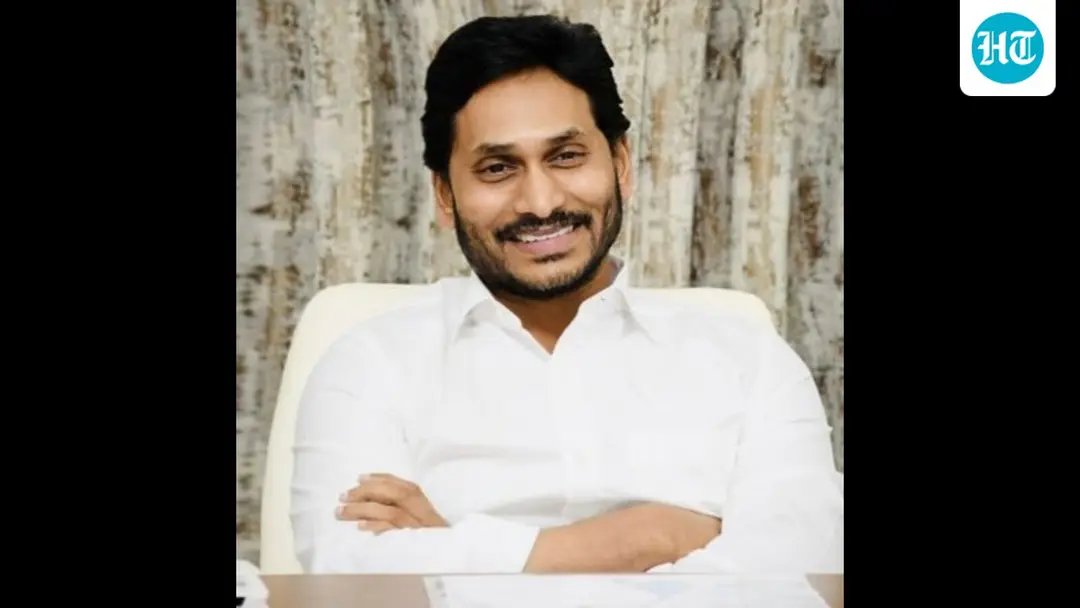
YSRCP backs demand for removal of CEC Gyanesh Kumar
The YSRCP has supported the Congress and Left parties' demand for the removal of chief election commissioner Gyanesh Kumar and suspension of the Special Intensive Revision (SIR) of electoral rolls. Former MLA Malladi Vishnu, who represented the party at an all-party meeting in Vijayawada on Sunday, alleged the SIR deprived 32 lakh voters in Andhra Pradesh of voting rights, and said the party would join protests against the CEC on October 2. The meeting sought restoration of 130 million deleted voters.
Source
YSRCP (Jagan Mohan Reddy) · read the original report ↗
Desk check · some claims need care
What the desk checked (5)
- YSRCP has backed the Congress and Left demand for CEC Gyanesh Kumar's removal and suspension of the SIR. — Attributed only to unnamed 'people familiar with the development' in the source.
- The all-party meeting in Vijayawada demanded restoration of 130 million voters allegedly deleted from rolls. — Figure appears in source as an allegation by meeting participants; not independently sourced.
- SIR deprived 32 lakh voters of voting rights in Andhra Pradesh. — Attributed to former MLA Malladi Vishnu as an allegation.
- Jagan Mohan Reddy asked that the 2023 CEC appointment law be revisited and a panel of PM, LoP and CJI restored. — Attributed to Jagan's own post on X, quoted in source.
- This is the first time Jagan has openly opposed a central policy. — Source assertion supported by comment from analyst Dolendra Prasad; interpretive, not a verifiable fact.
Analysts’ view opinion
This is less a story about electoral rolls than a signal that the YSRCP's political positioning is shifting. Jagan Mohan Reddy, who has claimed neutrality while backing several central decisions, is now asking for a revisit of the very 2023 CEC appointment law his party once supported — a clear pivot. For a party out of office and weakened in the state, questioning the integrity of the electoral process offers a ready-made narrative; but sharing a platform with the Congress and the Left tests its long-standing habit of going it alone.
- The story notes this is the first time Jagan has openly opposed a central policy, which suggests a calculated strategic recalibration rather than a one-off.
- Demanding an amendment to a law his party backed in 2023 gives rivals an easy consistency attack.
- The claim that 32 lakh voters in Andhra Pradesh lost their franchise converts an institutional grievance into a mass-constituency issue after electoral defeat.
- The CPI delegation's visit to Tadepalli, and its request to also join farmer-related protests, points to an attempt at broader opposition coordination.
- Committing to the October 2 protests marks a departure from the YSRCP's preference for standing outside joint opposition platforms.
What to watch — Watch the level at which the YSRCP shows up on October 2 — Jagan himself or only second-rung leaders — as that will indicate whether this is tactical positioning or a durable realignment.
The story does not establish any formal alliance or electoral understanding, the voter-deletion figures remain allegations, and no response from the Election Commission or the Centre is recorded here.
Deep dive
Research brief · 8 facts · 4 dates · exam-readyThe brief
Context
The Election Commission of India's ongoing Special Intensive Revision (SIR) of electoral rolls has become a flashpoint, with opposition parties alleging mass deletion of voters' names. The Congress and Left parties have demanded the removal of Chief Election Commissioner Gyanesh Kumar and suspension of the SIR. The YSR Congress Party, led by YS Jagan Mohan Reddy, has now backed that demand — its first open opposition to a central policy, after having earlier supported several Narendra Modi government measures. Jagan has also sought a revisit of the 2023 law governing the appointment of the CEC and Election Commissioners, which his party had supported at the time.
Key facts
- YSRCP has supported the Congress and Left parties' demand for removal of Chief Election Commissioner Gyanesh Kumar and suspension of the ongoing Special Intensive Revision (SIR) of electoral rolls.
- An all-party meeting at Vijayawada on Sunday included the Congress, CPI, CPI(M), other civil society groups and YSRCP leaders.
- The meeting demanded a complete overhaul of the Election Commission of India and restoration of the names of 130 million voters allegedly deleted from the rolls.
- Former MLA Malladi Vishnu, representing YSRCP, alleged the SIR deprived 32 lakh voters in Andhra Pradesh of their voting rights.
- Vishnu said the party will join protests against the CEC on October 2.
- On Friday, a CPI delegation led by state secretary G Eswaraiah and national executive member K Ramakrishna met Jagan Mohan Reddy at the party's central office in Tadepalli.
- Jagan asked that the Chief Election Commissioner and other Election Commissioners (Appointment, Conditions of Service and Term of Office) Act, 2023 — which his party had supported — be revisited.
- Jagan sought an amendment restoring appointment of the election commissioner by a three-member committee of the Prime Minister, Leader of Opposition and Chief Justice of India.
Timeline
- 2023Chief Election Commissioner and other Election Commissioners (Appointment, Conditions of Service and Term of Office) Act enacted, with YSRCP's support at the time.
- FridayCPI delegation led by G Eswaraiah and K Ramakrishna meets Jagan Mohan Reddy at Tadepalli; Jagan posts on X seeking a revisit of the 2023 Act.
- SundayAll-party meeting at Vijayawada with Congress, CPI, CPI(M), civil society groups and YSRCP; demands ECI overhaul and restoration of 130 million deleted voters.
- October 2YSRCP to join protests against the Chief Election Commissioner, as announced by Malladi Vishnu.
Who has a stake
- Election Commission of India / CEC Gyanesh Kumar — Faces demands for removal of the CEC and a complete overhaul of the institution over the SIR exercise.
- YSRCP and YS Jagan Mohan Reddy — First open opposition to a central policy; shifts from a claimed neutral stand to joining opposition protests.
- Congress, CPI and CPI(M) — Leading the demand for CEC's removal, SIR suspension and restoration of deleted voters; seeking wider opposition unity.
- Voters allegedly deleted from rolls — 130 million nationally as claimed at the meeting, and 32 lakh in Andhra Pradesh as alleged by Malladi Vishnu, risk losing voting rights.
- Union government / Centre — Asked by Jagan to dispel fears and amend the 2023 Act on appointment of election commissioners.
- Andhra Pradesh farmers — CPI asked Jagan to join protests against the state government's alleged apathy amid drought conditions.
Why it matters
The SIR row has moved from a Congress–Left campaign to a broader opposition platform, with the YSRCP — hitherto seen as friendly to the Centre — joining calls for the CEC's removal. At its core is the question of public confidence in a constitutional body that conducts elections, and of who should appoint its members. The demand to restore the CJI to the appointments panel reopens a settled legislative debate about the Election Commission's perceived independence.
UPSC angle
Prelims pointers
- Special Intensive Revision (SIR) is the electoral roll revision exercise at the centre of the current opposition protests.
- Gyanesh Kumar is the Chief Election Commissioner whose removal is being demanded by Congress, Left parties and now YSRCP.
- The Chief Election Commissioner and other Election Commissioners (Appointment, Conditions of Service and Term of Office) Act, 2023 governs appointments to the ECI.
- Jagan Mohan Reddy has demanded a three-member selection committee of PM, Leader of Opposition and Chief Justice of India for appointing election commissioners.
- All-party meeting at Vijayawada (Sunday) demanded restoration of 130 million allegedly deleted voters; YSRCP alleged 32 lakh affected in Andhra Pradesh.
- YSRCP had earlier supported central measures including the women's reservation bill and the delimitation bill.
Mains framing
The controversy over the Special Intensive Revision of electoral rolls illustrates how procedural exercises by the Election Commission can become questions of constitutional legitimacy when large-scale deletions are alleged — 130 million nationally as claimed at the Vijayawada all-party meeting, and 32 lakh in Andhra Pradesh as alleged by YSRCP's Malladi Vishnu. The opposition's twin demands — removal of CEC Gyanesh Kumar and suspension of the SIR — rest on the argument that, as Jagan Mohan Reddy put it, transparency must not only prevail but appear to have prevailed, and that democracy depends on public confidence in institutions like the ECI. The demand to amend the 2023 Act so that the CEC is appointed by a committee of the Prime Minister, Leader of Opposition and the Chief Justice of India goes to the design question: whether an executive-dominated selection panel can sustain perceptions of neutrality. A way forward lies in the Centre dispelling doubts through transparent disclosure of the SIR's methodology and grievance redress for deleted voters, revisiting the appointment mechanism as demanded, and resolving disputed claims through verifiable data rather than street protests — while noting that the deletion figures cited are allegations by political parties, not established findings.
Key terms
- Special Intensive Revision (SIR)
- The ongoing revision of electoral rolls by the Election Commission, which opposition parties want suspended over alleged mass voter deletions.
- Chief Election Commissioner (CEC)
- Head of the Election Commission of India; the incumbent, Gyanesh Kumar, faces opposition demands for removal.
- CEC and other ECs (Appointment, Conditions of Service and Term of Office) Act, 2023
- Law governing appointment of election commissioners; Jagan, who backed it earlier, now wants it revisited.
- YSRCP
- YSR Congress Party, led by YS Jagan Mohan Reddy, which has now backed the demand to remove the CEC.
- All-party meeting, Vijayawada
- Sunday meeting of Congress, CPI, CPI(M), civil society groups and YSRCP seeking an ECI overhaul and restoration of deleted voters.
Practice questions
- The demand to restore the Chief Justice of India to the panel that appoints election commissioners raises the question of whether institutional independence can be legislated. Discuss with reference to the 2023 Act.
- Large-scale revision of electoral rolls can both cleanse and disenfranchise. Examine the safeguards needed in exercises such as the Special Intensive Revision.
- Regional parties often shift between cooperation with and opposition to the Centre. Analyse what the YSRCP's changed stance on the SIR suggests about coalition politics in India.
Grounded only in the source report — figures and dates are the source's, not inferred.