
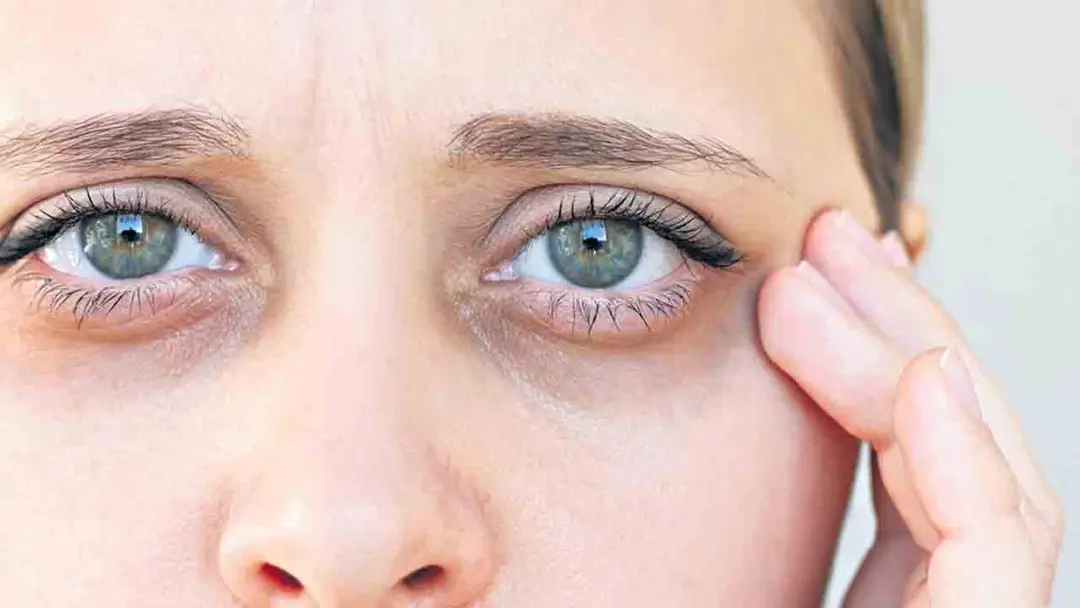
'Ferritin face' not a diagnosis, doctors warn against self-medication
Medical experts say 'ferritin face', a term going viral on social media, is not an actual diagnosis of iron deficiency. Iron deficiency can cause pale skin, dark circles and fatigue, but thyroid problems, insomnia, poor nutrition and hormonal imbalance may also be responsible, they said. Experts advise CBP and serum ferritin tests to assess iron stores, with levels below 30 ng/ml considered deficient. Taking iron supplements without medical advice can severely affect the liver and heart.
Source
Namasthe Telangana · read the original report ↗
Desk check · some claims need care
What the desk checked (5)
- 'Ferritin face' is a viral social media term, not a real diagnosis of iron deficiency — Attributed in source to unnamed medical experts; no individual doctor or institution named.
- Ferritin levels below 30 ng/ml are considered indicative of iron deficiency — Figure appears in source but is given without citation to any guideline or expert by name.
- Pale skin and dark circles can also be caused by thyroid problems, insomnia, nutritional deficiency and hormonal imbalance — Attributed to experts in the source; internally consistent with the article's argument.
- Taking iron supplements without medical advice can severely affect organs such as the liver and heart — Unnamed expert warning; no study or data cited in source.
- Experts advise CBP and serum ferritin tests to confirm iron stores — Attributed to experts; consistent within the source text.
Analysts’ view opinion
This reads like a health advisory, but it is really a story about a governance gap. With a social media term like 'ferritin face' going viral, people self-diagnosing from how their face looks and reaching for iron supplements without medical advice, the only policy instrument on display is a doctor's warning. The clinical side is settled — CBP and serum ferritin tests, with deficiency counted below 30 ng/ml — but the story does not describe any system governing the content or the supplement sales that come before that test.
- The gap is not in diagnosis — the test (CBP, serum ferritin) and the cut-off (30 ng/ml) are clear; the gap is in the pathway that gets people to that test.
- Consider who this trend hurts most: a 'free diagnosis' from social media is most attractive to those for whom lab testing is costly or hard to reach.
- The warning that unsupervised iron supplements can affect the liver and heart raises an obvious regulatory question about over-the-counter availability and labelling.
- Health misinformation generally follows a familiar pattern — influencer content spreads fast, institutional or medical-body response arrives later; this story fits that sequence.
- Because pallor and dark circles can also stem from thyroid problems, poor sleep, undernutrition or hormonal imbalance, single-cause messaging risks delaying detection of the actual condition.
What to watch — Watch whether this moves beyond individual doctors' warnings to systemic steps — regulation of supplement sales, guidelines on health content, or cheaper and wider access to ferritin testing.
The story does not establish how widespread this self-medication actually is, whether any harm cases have been recorded, or that any regulator or health authority is acting on it — it rests on expert caution alone.
Deep dive
Research brief · 8 facts · 3 dates · exam-readyThe brief
Context
"Ferritin face" is a term circulating widely on social media to describe facial changes — pale skin, prominent dark circles, dull dry skin and a tired look — attributed to falling iron levels in the body. Ferritin is the protein that stores iron; when iron or ferritin falls, oxygen supply to skin cells drops and cell renewal slows, so the face loses its natural glow. Influencer-driven content has led many people to self-diagnose iron deficiency from their appearance and start self-medication. Doctors quoted in the story say this trend is risky because "ferritin face" is not a medical diagnosis at all.
Key facts
- Ferritin is a protein that stores iron in the body; low iron/ferritin reduces oxygen supply to skin cells and slows cell regeneration.
- When haemoglobin and red blood cells fall, the face loses its natural glow and turns pale or whitish.
- Skin around the eyes is naturally very thin; reduced blood circulation and oxygen there make dark circles more visible.
- Iron is essential for producing new skin cells; deficiency makes skin dry and lifeless, with poor sleep, dull face and fatigue.
- Experts say 'ferritin face' is only a social media term, not a real diagnosis of iron deficiency.
- Pale skin and dark circles can also be caused by thyroid problems, insomnia, nutritional deficiency and other hormonal imbalances.
- A serum ferritin test is advised to know actual iron stores; ferritin below 30 ng/ml is generally considered iron deficiency.
- Experts advise CBP and ferritin tests if such symptoms appear, and an iron-rich whole-food diet if deficiency is confirmed.
Timeline
- Recent period (as stated in the source)The term 'ferritin face' goes viral on social media, with influencers linking facial changes to low iron levels.
- Following the trendPeople begin self-diagnosing 'ferritin face' from visible symptoms and resort to self-medication with iron supplements.
- September 22, 2026 (2:30 AM IST, report timestamp)Medical experts publicly warn that 'ferritin face' is not a diagnosis and caution against self-medication.
Who has a stake
- Social media users who self-diagnose — Risk of wrong self-diagnosis and unsupervised iron supplement use, with possible severe effects on liver and heart.
- Medical experts / doctors — Must counter viral misinformation and push people towards laboratory confirmation before treatment.
- Social media influencers — Their health claims are driving the trend and are being questioned for lacking diagnostic basis.
- Patients with genuine iron deficiency — Need proper CBP and serum ferritin testing, and iron-rich diet or treatment under medical advice.
- Diagnostic laboratories and clinicians — Serum ferritin and CBP tests become the reference point for confirming or ruling out deficiency.
Why it matters
Health advice that spreads faster than it can be verified is pushing people from symptoms straight to supplements, skipping diagnosis. Since both too little and too much iron can seriously affect organs like the liver and heart, an appearance-based label such as "ferritin face" can convert a cosmetic worry into an organ risk. It also risks masking other real causes — thyroid disorders, insomnia, poor nutrition or hormonal imbalance — that need different treatment.
UPSC angle
Prelims pointers
- Ferritin: the protein that stores iron in the body; measured by the serum ferritin test.
- Serum ferritin below 30 ng/ml is generally considered indicative of iron deficiency.
- Tests advised for suspected iron deficiency: CBP (complete blood picture) and ferritin test.
- Iron deficiency lowers haemoglobin and red blood cells, causing pallor, dark circles, dry skin and fatigue.
- Non-iron causes of pallor and dark circles: thyroid problems, insomnia, nutritional deficiency, hormonal imbalance.
- Excess or deficient iron can severely affect internal organs such as the liver and heart.
Mains framing
The 'ferritin face' trend illustrates how social media has become a parallel, unregulated source of clinical advice: a visible cluster of symptoms — pallor, dark circles, dull skin, fatigue — is packaged as a diagnosis and monetised as supplement advice. The causes are structural as much as behavioural: low health literacy, easy over-the-counter access to supplements, influencer authority without accountability, and the fact that iron deficiency symptoms genuinely overlap with those of thyroid dysfunction, insomnia, poor nutrition and hormonal imbalance, so the label feels plausible. The implications are twofold — misdirected treatment that leaves the actual condition untreated, and direct harm, since both deficient and excess iron can severely affect the liver and heart. The way forward suggested in the story is clinical rather than cosmetic: treat facial appearance as a prompt, not proof; confirm iron status through CBP and serum ferritin testing, with levels below 30 ng/ml taken as deficiency; avoid iron supplements without medical advice; and where deficiency is established, correct it through an iron-rich whole-food diet under supervision. Public health communication must match the speed and reach of viral content if such trends are to be blunted.
Key terms
- Ferritin
- A protein that stores iron in the body; its blood level indicates how much iron is stored.
- Ferritin face
- A viral social media term for facial changes blamed on low iron; experts say it is not a medical diagnosis.
- Serum ferritin test
- Blood test that accurately measures the body's iron stores; below 30 ng/ml is treated as deficiency.
- CBP
- Complete blood picture test, advised along with the ferritin test when iron deficiency symptoms appear.
- Haemoglobin
- The oxygen-carrying component of red blood cells; when it falls the face turns pale and loses its glow.
- Self-medication
- Taking drugs or supplements such as iron without a doctor's advice; flagged as dangerous in the story.
Practice questions
- Why do doctors say 'ferritin face' cannot be treated as a diagnosis of iron deficiency, and what tests do they recommend instead?
- Discuss the public health risks of social media-driven self-diagnosis and self-medication, using the 'ferritin face' trend as an example.
- Explain the role of iron and ferritin in the body and the consequences of both deficiency and excess iron intake.
Grounded only in the source report — figures and dates are the source's, not inferred.