
Rajasthan civic poll counting on; BJP leads in major corporations
Counting of votes in Rajasthan's urban local body elections is underway for 10,245 councillor posts across 309 bodies, comprising 10 municipal corporations, 51 municipal councils and 248 municipalities. Polling was held in two phases on September 9 and 11, with turnout of 76.42 per cent and 70.68 per cent. Over 1.44 crore voters were eligible. The BJP leads in Jaipur, Kota, Bikaner, Ajmer and Udaipur, and the Congress in Jodhpur. Mayors and chairpersons will be elected on September 21.
Source
Indian Express — Cities · read the original report ↗
Desk check · some claims need care
What the desk checked (5)
- Counting is underway for 10,245 councillor posts across 309 urban local bodies, including 10 municipal corporations, 51 municipal councils and 248 municipalities. — Figures appear in the source but no issuing authority is named.
- Polling was held in two phases on September 9 and 11, with turnout of 76.42% and 70.68%. — Dates and percentages stated in source without attribution to the State Election Commission.
- More than 1.44 crore voters were eligible to vote. — Figure appears in source; no source cited.
- BJP has taken an early lead in several major municipal corporations, including Jaipur, Kota, Bikaner, Ajmer and Udaipur, while Congress leads in Jodhpur. — Based on the source's live leading-party table; interim and subject to change.
- Mayors and chairpersons are to be elected on September 21, and deputy mayors, deputy chairpersons and vice-presidents on September 22. — Schedule stated in source without attribution.
Analysts’ view opinion
రాజస్థాన్ పురపాలక ఫలితాల ప్రాథమిక ధోరణి బీజేపీకి రాజకీయంగా ఊరట ఇచ్చేదిగా ఉంది — జైపూర్, కోటా, బికనేర్, అజ్మీర్, ఉదయ్పూర్ వంటి పెద్ద నగర నిగమ్లలో ఆధిక్యం అంటే భజన్లాల్ శర్మ ప్రభుత్వానికి పట్టణ ఓటర్లలో పట్టు కొనసాగుతోందనే సందేశం. అయితే జోధ్పూర్లో కాంగ్రెస్ ఆధిక్యం, అనేక నగర పాలికల్లో స్వతంత్రుల బలం చూస్తే ఇది ఏకపక్ష తీర్పు కాదు. 2028 అసెంబ్లీ ఎన్నికలకు ఇది ముందస్తు సూచన మాత్రమే; స్థానిక ఎన్నికల్లో అభ్యర్థి, కులం, స్థానిక సమీకరణలు పార్టీ గుర్తు కంటే ఎక్కువ పనిచేస్తాయని గుర్తుంచుకోవాలి.
- పెద్ద నగరాల్లో ఆధిక్యం బీజేపీకి కథనపరమైన లాభం — అధికారంలో ఉన్న ప్రభుత్వానికి మధ్యంతర పరీక్షలో పట్టణ మద్దతు నిలిచిందని చెప్పుకునే అవకాశం.
- జోధ్పూర్ నగర నిగమ్లో కాంగ్రెస్ ఆధిక్యం ఆ పార్టీకి కనీస ఊరట; అశోక్ గెహ్లోత్ ప్రచారంలో పాల్గొన్న నేపథ్యంలో ఇది వ్యక్తిగత ప్రతిష్ఠ కోణం కూడా.
- భరత్పూర్, దీగ్, ఝుంఝునూ, హనుమాన్గఢ్ వంటి జిల్లాల్లో స్వతంత్రులు పెద్ద సంఖ్యలో ముందంజలో ఉండటం రెండు ప్రధాన పార్టీల టికెట్ కేటాయింపులపై అసంతృప్తికి సూచన.
- అనేక చోట్ల 'టై' పరిస్థితి ఉన్నందున సెప్టెంబర్ 21 మేయర్లు, చైర్పర్సన్ల ఎన్నిక వరకు వాస్తవ నియంత్రణ తేలదు — స్వతంత్రులు కీలక బేరసారాల శక్తిగా మారవచ్చు.
- 70–76 శాతం పోలింగ్ అనే భారీ శాతం స్థానిక సంస్థల ఎన్నికల్లో సాధారణమే; దాన్ని ప్రభుత్వ అనుకూల లేదా వ్యతిరేక తీర్పుగా ఏకపక్షంగా చదవడం సరికాదు.
What to watch — సెప్టెంబర్ 21–22న మేయర్లు, చైర్పర్సన్లు, ఉప పదవుల ఎన్నికల్లో స్వతంత్రులను ఎవరు తమవైపు తిప్పుకుంటారో — అదే ఈ ఫలితాల రాజకీయ అర్థాన్ని నిర్ణయిస్తుంది.
లెక్కింపు ఇంకా కొనసాగుతున్నందున తుది సీట్ల సంఖ్య, ఓట్ల శాతం, గత ఎన్నికలతో పోలిక ఈ కథనంలో స్థిరపడలేదు; ప్రస్తుత ఆధిక్యాలు మారే అవకాశం ఉంది.
Deep dive
Research brief · 8 facts · 5 dates · exam-readyThe brief
Context
Rajasthan has held elections to its urban local bodies (ULBs) — municipal corporations, municipal councils and municipalities — with voting in two phases on September 9 and 11 and counting on Monday, September 14, 2026. At stake are 10,245 councillor (ward member) posts across 309 civic bodies. Early trends showed the BJP ahead in most big-city corporations, the Congress leading in Jodhpur, and independents doing well in several districts. The results are read as an indicator of the urban political mood ahead of the 2028 Rajasthan Assembly elections.
Key facts
- Counting is underway for 10,245 councillor posts across 309 urban local bodies in Rajasthan.
- The 309 bodies comprise 10 municipal corporations (Nagar Nigam), 51 municipal councils (Nagar Parishad) and 248 municipalities (Nagar Palika).
- Polling was held in two phases, on September 9 and September 11.
- Voter turnout was 76.42 per cent in the first phase and 70.68 per cent in the second phase.
- More than 1.44 crore voters were eligible to vote in the civic polls.
- BJP leads in the Jaipur, Kota, Bikaner, Ajmer and Udaipur municipal corporations; Congress leads in Jodhpur Nagar Nigam.
- Mayors and chairpersons are to be elected on September 21; deputy mayors, deputy chairpersons and municipal vice-presidents on September 22.
- Campaigning featured Chief Minister Bhajanlal Sharma and former chief minister Ashok Gehlot, besides other senior BJP and Congress leaders.
Timeline
- September 9, 2026First phase of polling for Rajasthan urban local body elections; turnout 76.42 per cent.
- September 11, 2026Second phase of polling; turnout 70.68 per cent.
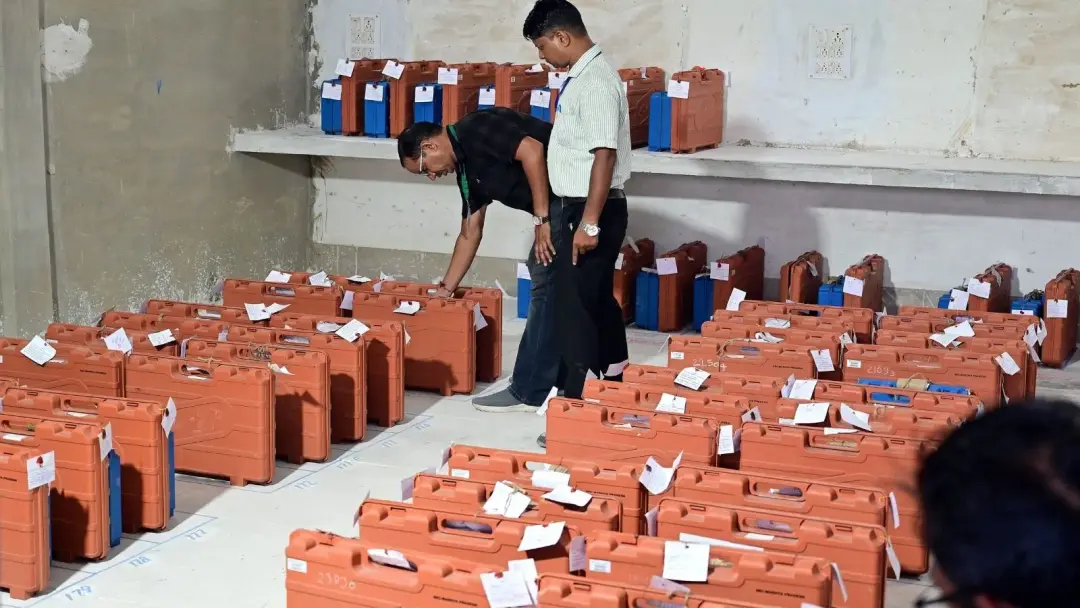
- Monday, September 14, 2026Counting of votes begins; EVMs inspected at counting centres such as Government Polytechnic College, Bikaner; BJP takes early lead in several corporations.
- September 21, 2026Election of mayors and chairpersons of the civic bodies.
- September 22, 2026Election of deputy mayors, deputy chairpersons and municipal vice-presidents.
Who has a stake
- Bharatiya Janata Party (ruling party in Rajasthan) — Leading in Jaipur, Kota, Bikaner, Ajmer, Udaipur corporations and many municipalities; seeks to consolidate urban base before 2028 Assembly polls.
- Congress — Leading in Jodhpur Nagar Nigam and several councils (Churu, Sikar, Jhunjhunu, Dholpur, Ganganagar towns); needs urban revival after losing power in the state.
- Independents — Leading in many Nagar Palikas, especially in Bharatpur, Deeg, Jhunjhunu, Hanumangarh and Kotputli-Behror, giving them leverage in chairperson elections.
- Chief Minister Bhajanlal Sharma and former CM Ashok Gehlot — Both campaigned in the civic polls; results test their political standing in urban Rajasthan.
- 1.44 crore-plus urban voters and 10,245 elected councillors — Composition of civic bodies will decide local governance — municipal services, works and city administration for the coming term.
Why it matters
Urban local bodies deliver everyday services in Rajasthan's cities and towns, so their political composition shapes municipal governance for the full term. Because indirect elections for mayors and chairpersons follow on September 21, close results, ties and a large number of winning independents will decide who actually controls each civic body. Politically, the outcome is an early signal of urban sentiment for both BJP and Congress ahead of the 2028 Assembly elections.
UPSC angle
Prelims pointers
- Rajasthan ULB polls 2026: 10,245 councillor posts across 309 bodies — 10 Nagar Nigams, 51 Nagar Parishads, 248 Nagar Palikas.
- Two-phase polling on September 9 and 11, 2026; turnout 76.42% and 70.68%.
- Over 1.44 crore voters eligible; counting began September 14, 2026 using EVMs.
- Mayors/chairpersons elected September 21; deputy mayors/vice-presidents September 22 — i.e., indirect election by elected councillors.
- BJP led in Jaipur, Kota, Bikaner, Ajmer, Udaipur Nigams; Congress led in Jodhpur Nigam.
- Rajasthan's next Assembly elections are due in 2028.
Mains framing
Rajasthan's 2026 urban local body elections, covering 10,245 councillor seats in 309 bodies with over 1.44 crore eligible voters and turnouts of 76.42 and 70.68 per cent in the two phases, illustrate both the scale and the political salience of the third tier of urban governance. The trends show a metropolitan-town divide: the ruling BJP leads the large corporations of Jaipur, Kota, Bikaner, Ajmer and Udaipur, the Congress leads Jodhpur and a cluster of Shekhawati and eastern Rajasthan councils, while independents lead in numerous Nagar Palikas in Bharatpur, Deeg, Jhunjhunu and Hanumangarh — evidence that local candidate appeal and caste-community arithmetic often override party labels in small towns. Several bodies show BJP-Congress or party-independent ties, which means the indirect election of mayors and chairpersons on September 21 could turn on independents' choices, raising familiar questions about horse-trading and the stability of civic leadership. The way forward lies in ensuring that whichever coalition emerges, elected councils get functional autonomy — devolved funds, functions and functionaries — so that mandates translate into service delivery in water, sanitation and urban works rather than into prolonged bargaining over posts. Analytically, the results should also be read as a mid-term barometer of urban sentiment before the 2028 Assembly elections, not as a verdict on state government performance alone.
Key terms
- Urban local body (ULB)
- Third-tier elected city government; in Rajasthan these are municipal corporations, municipal councils and municipalities.
- Nagar Nigam
- Municipal corporation for large cities; Rajasthan has 10, including Jaipur, Jodhpur, Kota, Bikaner, Ajmer and Udaipur.
- Nagar Parishad
- Municipal council for medium towns; 51 went to polls in this round.
- Nagar Palika
- Municipality for smaller towns; 248 were part of these elections.
- Councillor (ward member)
- Directly elected representative of a municipal ward; 10,245 such posts were contested.
- Mayor / chairperson
- Head of a corporation or council, elected by the winning councillors — scheduled here for September 21.
Practice questions
- Discuss how the results of Rajasthan's 2026 urban local body elections reflect the difference between party-driven voting in big cities and candidate-driven voting in small towns.
- Indirect election of mayors and chairpersons by councillors can weaken accountability in urban governance. Critically examine with reference to the Rajasthan civic polls.
- What structural reforms are needed to make India's urban local bodies effective service providers rather than arenas of party competition? Illustrate with the Rajasthan example.
Grounded only in the source report — figures and dates are the source's, not inferred.