
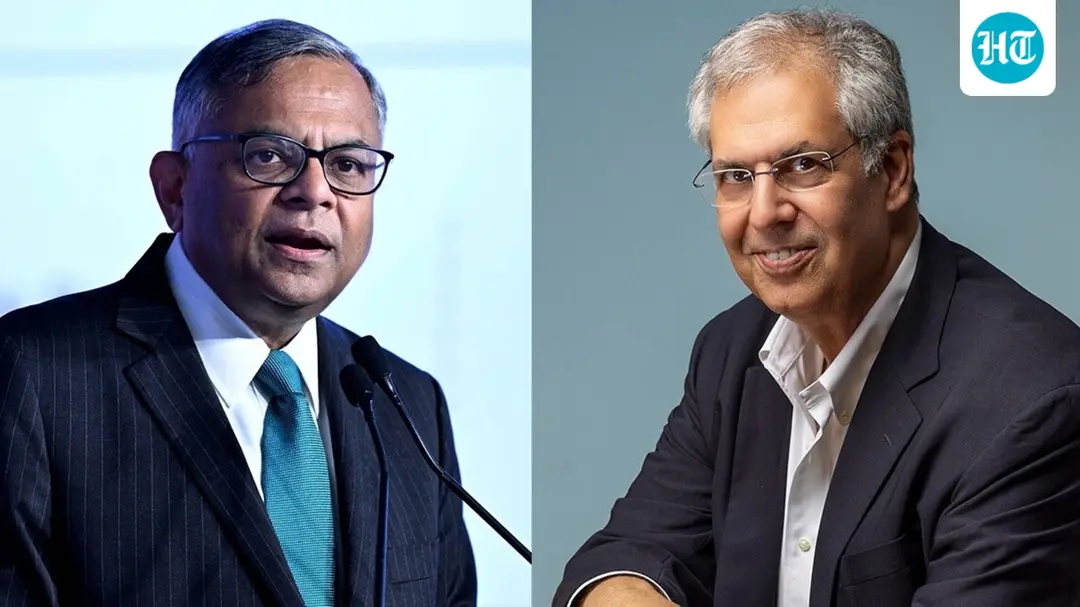
RBI rejects Tata Sons' bid to exit NBFC framework
The Reserve Bank of India has rejected Tata Sons' application to surrender its non-banking financial company registration, making a stock market listing harder to avoid. The holding company filed the plea in March 2024 after repaying over Rs 21,000 crore of debt; PTI reported the RBI said it did not meet deregistration criteria. Tata Sons is an Upper Layer NBFC, which must list. Tata Trusts, holding about 66% and led by Noel Tata, opposes listing. The board meets September 17.
Source
Hindustan Times — India · read the original report ↗
Desk check · compared with the source
What the desk checked (5)
- RBI rejected Tata Sons' application to surrender its NBFC registration, filed in March 2024. — Attributed in source to Bloomberg and PTI; RBI cited failure to meet deregistration criteria.
- Tata Sons repaid more than Rs 21,000 crore of debt before applying. — Figure appears in source; no direct attribution given for the amount.
- Tata Trusts owns about 66% of Tata Sons; group valued at $185 billion. — Figures appear in source without specific attribution.
- Options include shrinking the balance sheet or splitting Tata Sons, possibly discussed at the September 17 board meeting. — Attributed to Bloomberg and described as under consideration, not decided.
- Chandrasekaran said he will not seek another term after his tenure ends in February 2027. — Reported in source as his own statement; subsequent talk of directors asking him to reconsider is unnamed-source reporting.
Analysts’ view opinion
ఇది కేవలం ఒక నియంత్రణ సంస్థ నిర్ణయం కాదు — భారత్లో అతిపెద్ద వ్యాపార సమూహం మూలధనాన్ని ఎలా సమీకరిస్తుంది, ఎలా కేటాయిస్తుంది అనే విషయంపై మార్కెట్కు కిటికీ తెరిచే అవకాశం. ఆర్బీఐ తిరస్కరణతో టాటా సన్స్ లిస్టింగ్ మార్గం మళ్లీ తెరపైకి వచ్చింది; రూ.1 లక్ష కోట్లకు మించిన బ్యాలెన్స్ షీట్ ఉన్నందున అప్పర్ లేయర్ నుంచి తప్పించుకోవడం కష్టం. ఆర్థికంగా చూస్తే — పారదర్శకత, స్టాక్ మార్కెట్ లోతు, ఎస్పీ గ్రూప్ వంటి వాటాదారులకు విలువ లభ్యత లాభాలు; నియంత్రణ కోల్పోవడం, స్వల్పకాలిక పనితీరు ఒత్తిడి ఖర్చులు.
- ఆర్బీఐ దృష్టికోణం స్పష్టంగా వ్యవస్థాగత రిస్క్దే — 2018 షాడో బ్యాంకింగ్ సంక్షోభం తర్వాత తెచ్చిన స్కేల్-బేస్డ్ నియంత్రణలో పెద్ద హోల్డింగ్ కంపెనీలు మినహాయింపు పొందితే ఆ చట్రమే బలహీనపడుతుంది.
- రూ.21,000 కోట్లకు పైగా అప్పు తీర్చడం బ్యాలెన్స్ షీట్ను బలపరిచినా, ఆస్తుల పరిమాణ ప్రమాణం దాటినందున అది నిష్క్రమణకు సరిపోలేదు — రిస్క్ తగ్గింపు ఒక్కటే నియంత్రణ మినహాయింపునివ్వదు.
- లిస్టింగ్ జరిగితే మార్కెట్కు లాభం: సెమీకండక్టర్లు, ఎయిర్ ఇండియా వంటి దీర్ఘకాల పెట్టుబడులకు ఎంత మూలధనం వెళ్తోంది, రాబడి ఎంత అనే విషయాలపై పెట్టుబడిదారులకు స్పష్టత వస్తుంది.
- ఖర్చు వైపు: త్రైమాసిక పనితీరు ఒత్తిడి కింద దీర్ఘకాలిక, తక్షణ లాభం ఇవ్వని పెట్టుబడులు కష్టమవుతాయనే వాదన బలమైనది; టాటా ట్రస్ట్స్ 66% నియంత్రణ కూడా ఇష్యూ నిర్మాణం, పరిమాణం ఆధారంగా తగ్గవచ్చు.
- బ్యాలెన్స్ షీట్ కుదించడం లేదా కంపెనీని రెండుగా విభజించడం వంటి ప్రత్యామ్నాయాలు నియంత్రణ పరిధి నుంచి బయటపడేయవచ్చు, కానీ అవి గ్రూప్లో మూలధన ప్రవాహ సామర్థ్యాన్నే తగ్గించే ఖరీదైన మార్గాలు కావచ్చు.
What to watch — సెప్టెంబర్ 17 బోర్డు సమావేశం — లిస్టింగ్కు సిద్ధమవడమా, బ్యాలెన్స్ షీట్ కుదింపా, పునర్వ్యవస్థీకరణా అనే దిశ ఇక్కడ తేలవచ్చు; అలాగే నాయకత్వ కొనసాగింపుపై సంకేతాలు.
లిస్టింగ్ ఎప్పుడు, ఎంత పరిమాణంలో, ఏ ధరకు జరుగుతుందో, టాటా సన్స్ ఏ ప్రత్యామ్నాయాన్ని ఎంచుకుంటుందో ఈ కథనం స్థాపించలేదు — అప్పీల్ లేదా మరో దరఖాస్తు అవకాశాలపైనా స్పష్టత లేదు.
Deep dive
Research brief · 8 facts · 10 dates · exam-readyThe brief
Context
Tata Sons is the unlisted holding company at the centre of the $185-billion Tata Group, owning large stakes in TCS, Tata Motors, Tata Steel, Tata Power and others, with philanthropic Tata Trusts holding about 66%. Under the RBI's scale-based regulation, introduced after the 2018 collapse of a major Indian shadow lender, Tata Sons was classified in 2022 as an Upper Layer NBFC, a category that must list on stock exchanges within three years. Seeking to stay private, Tata Sons applied in March 2024 to surrender its NBFC registration after repaying over Rs 21,000 crore of debt. The RBI has now rejected that application, saying Tata Sons did not meet deregistration criteria, pushing the group back towards a mandatory IPO.
Key facts
- RBI has rejected Tata Sons' application to surrender its NBFC registration, saying the company did not meet the required criteria for deregistration (PTI).
- Tata Sons filed the deregistration application in March 2024, after repaying more than Rs 21,000 crore of debt to strengthen its balance sheet.
- Tata Sons was classified an Upper Layer NBFC by the RBI in 2022, with a three-year listing deadline; its original deadline was September 2025.
- Under the revised framework this year, an NBFC with assets above Rs 1 lakh crore automatically falls into the Upper Layer; Tata Sons is well above this threshold (PTI).
- Tata Trusts owns about 66% (roughly two-thirds) of Tata Sons; its chairman Noel Tata opposes listing over loss of control and greater scrutiny (Bloomberg).
- The Tata Group is valued at $185 billion; Tata Sons is the vehicle through which capital moves between group businesses.
- Options under study include shrinking Tata Sons' balance sheet below the threshold or restructuring, possibly splitting it into two entities; the board meets September 17.
- N Chandrasekaran, Tata Sons chairman since 2017, has said he will not seek another term after his tenure ends in February 2027; a team of about 15 people has worked on IPO preparations since May.
Timeline
- 2017N Chandrasekaran becomes chairman of Tata Sons.
- 2018Collapse of a major Indian shadow lender prompts RBI to introduce scale-based regulation for NBFCs.
- 2022RBI classifies Tata Sons as an Upper Layer NBFC, triggering a three-year deadline to list.
- March 2024Tata Sons applies to surrender its NBFC registration after repaying over Rs 21,000 crore of debt.
- 2024Noel Tata becomes chairman of Tata Trusts after the death of his half-brother Ratan Tata.
- May (this year)A team of about 15 people begins IPO preparations in Chandrasekaran's office (Bloomberg).
- This yearRBI tightens the framework, making it harder for large holding companies to escape Upper Layer classification.
- September 2025Tata Sons' original listing deadline passes without a listing as it awaited a decision on deregistration.
- September 17 (Thursday)Tata Sons board meeting expected to discuss responses to the RBI rejection.
- February 2027Chandrasekaran's current tenure as Tata Sons chairman ends.
Who has a stake
- Reserve Bank of India — Enforcing scale-based regulation and systemic-risk safeguards for large NBFCs; its rejection keeps Tata Sons within the Upper Layer listing mandate.
- Tata Sons — Must decide how to respond: list publicly, shrink its balance sheet below Rs 1 lakh crore, or restructure/split the entity.
- Tata Trusts and Noel Tata — Its roughly 66% control could be diluted by a public issue; internal group dealings would face outside scrutiny.
- N Chandrasekaran — Chairman since 2017 who has said he will not seek another term after February 2027; directors may ask him to stay for continuity through the listing.
- SP Group — A listing would give its stake a clear market value and make it easier to sell shares over time.
- Public investors and Tata operating companies — Greater disclosure on capital allocation between established businesses like TCS, Tata Motors, Tata Steel and new bets such as semiconductors and Air India.
Why it matters
A listed Tata Sons would be one of the biggest changes in the governance of India's largest business group, opening its capital allocation and internal dealings to public shareholders and diluting the Trusts' control. It also tests whether a systemically large holding company can opt out of the RBI's post-2018 scale-based regulation, setting an example for other big conglomerate holding entities. The outcome will shape leadership continuity at the top of a $185-billion group.
UPSC angle
Prelims pointers
- RBI's scale-based regulation for NBFCs followed the 2018 collapse of a major Indian shadow lender.
- Upper Layer NBFCs face stricter regulation, including a mandatory stock exchange listing within three years of classification.
- Tata Sons was classified Upper Layer in 2022; its original listing deadline was September 2025.
- Revised framework: NBFCs with assets above Rs 1 lakh crore automatically fall into the Upper Layer.
- Tata Trusts holds about 66% of Tata Sons; Noel Tata became its chairman in 2024 after Ratan Tata's death.
- Tata Sons repaid over Rs 21,000 crore of debt before applying in March 2024 to surrender its NBFC licence.
Mains framing
The RBI's rejection of Tata Sons' deregistration plea illustrates the tension between regulatory attempts to make systemically important non-bank financial entities transparent and market-disciplined, and promoter-trust structures that value private, long-horizon control. The scale-based framework, born of the 2018 shadow-lender collapse, uses size (assets above Rs 1 lakh crore under the revised rules) as a proxy for systemic risk and mandates listing for Upper Layer NBFCs; Tata Sons' Rs 21,000 crore-plus debt repayment did not take it outside that net. For the group, listing would mean regular disclosures, external scrutiny of capital allocation between mature businesses (TCS, Tata Motors, Tata Steel) and capital-hungry bets (semiconductors, Air India), possible dilution of Tata Trusts' roughly 66% stake, and an exit route for SP Group; it also complicates succession, with Chandrasekaran declining another term beyond February 2027 even as IPO groundwork has been under way since May. Realistic ways forward, as reported, are compliance and a phased listing, shrinking the balance sheet below the threshold, or restructuring the holding company - each with trade-offs between regulatory certainty, control and the group's ability to make patient long-term investments.
Key terms
- NBFC
- Non-banking financial company: a lender or investment entity regulated by the RBI that is not a bank.
- Upper Layer NBFC
- RBI category of large, systemically significant NBFCs facing stricter rules, including a mandatory stock market listing.
- Scale-based regulation
- RBI's tiered NBFC regulatory system introduced after the 2018 collapse of a major shadow lender to contain systemic risk.
- Deregistration / surrender of registration
- Process by which an entity gives up its NBFC licence and exits RBI's NBFC framework; Tata Sons' plea was rejected.
- Tata Trusts
- Philanthropic organisation chaired by Noel Tata that owns about 66% of Tata Sons and controls the holding company.
- SP Group
- Minority shareholder in Tata Sons that could gain a clear market value and easier exit if the company lists.
Practice questions
- Discuss the rationale behind the RBI's scale-based regulation for NBFCs and evaluate whether mandatory listing of Upper Layer NBFCs strengthens financial stability.
- A mandatory listing of a large holding company can improve transparency but constrain long-term investment. Critically examine with reference to Tata Sons.
- Examine how promoter-trust ownership structures in Indian conglomerates interact with securities market and RBI disclosure requirements.
Grounded only in the source report — figures and dates are the source's, not inferred.