
Fresh PIL seeks third-party monitoring of festival noise levels in Pune
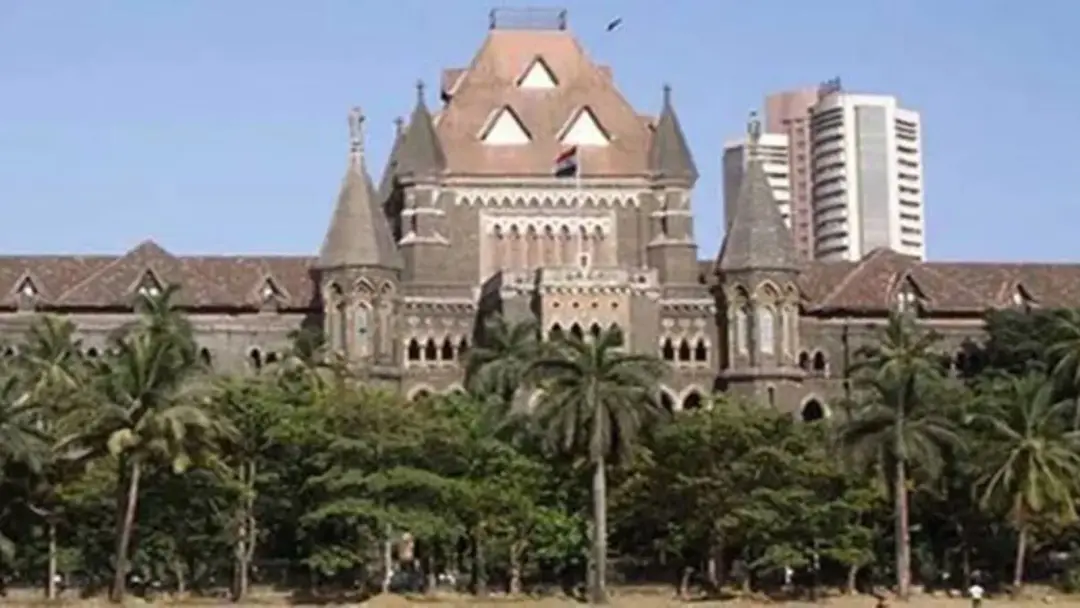
A fresh public interest litigation in the Bombay High Court seeks stricter enforcement of noise pollution norms in Pune during festivals and public events involving loudspeakers and high-decibel DJ systems. Mentioned on Friday before Chief Justice Mahesh Chandra Tripathi and Justice Advait Sethna, the matter is listed for October 5. Advocate Anil Sakhare sought a third-party agency to independently monitor decibel levels and action against violators. The petition cites the court's August 16, 2016 judgment.
Source
Indian Express — Cities · read the original report ↗
Desk check · compared with the source
What the desk checked (5)
- A fresh PIL in the Bombay High Court seeks stricter enforcement of noise pollution norms in Pune during festivals and public events. — Attributed to the petition as described in the source; consistent throughout.
- The matter was mentioned before a bench of Chief Justice Mahesh Chandra Tripathi and Justice Advait Sethna and is listed for hearing on October 5. — Named judges and date appear in the source; no order copy cited.
- The PIL seeks appointment of a third-party agency or committee to independently monitor decibel levels and criminal or civil action against violators. — Attributed to the petition and to quoted remarks by Advocate Anil Sakhare.
- Complainants against noise violations face physical violence; an activist in Pune was assaulted after objecting to high-decibel DJ systems before Ganeshotsav. — Allegation cited in the petition and in Sakhare's quote; no police or official confirmation in the source.
- The petition relies on the Bombay High Court's August 16, 2016 judgment in a PIL filed by Mahesh Bedekar. — Date and case reference appear in the source as cited by the petition.
Analysts’ view opinion
Noise pollution in Maharashtra is never purely an environmental question — it sits at the intersection of festival organising, mandal-linked local networks and municipal authority. If the court leans towards third-party monitoring, the real political cost falls on the discretion that local police and civic officials currently exercise over how strictly limits are enforced. At the same time, no party finds it easy to openly oppose enforcement, so reactions are likely to be framed as 'sentiments of devotees' versus 'rule of law' rather than outright resistance.
- Festival mandals are powerful grassroots networks in Maharashtra, which makes any party cautious about being seen as cracking down on them.
- The demand for an independent third-party monitor is the real political flashpoint, since it shifts enforcement discretion away from local machinery.
- By arguing the 2016 judgment was not implemented, the petition turns this into a question of administrative accountability.
- Citing the assault on an activist reframes the issue as law and order, strengthening the case for judicial intervention.
- There are legitimate arguments on both sides: citizens' health and the right to quiet, against concerns about cultural celebration and the burden on small organisers.
What to watch — Watch the October 5 hearing for any judicial signal on third-party monitoring and the stand the state government chooses to take.
The story does not record any response from the government or political parties, and the petition's allegations remain untested in court.
Deep dive
Research brief · 8 facts · 5 dates · exam-readyThe brief
Context
A fresh public interest litigation (PIL) in the Bombay High Court seeks stricter, time-bound enforcement of noise pollution norms in Pune, especially during festivals and public events using loudspeakers and high-decibel DJ systems. The petition builds on the High Court's August 16, 2016 judgment in a PIL filed by Mahesh Bedekar and connected matters, which had issued directions to the state on prevention, control, monitoring and abatement of noise pollution. It was mentioned for urgent hearing before Chief Justice Mahesh Chandra Tripathi and Justice Advait Sethna on Friday, and the matter is listed for October 5. The plea comes against the backdrop of the assault of a Pune activist who objected to high-decibel DJ systems ahead of Ganeshotsav.
Key facts
- A fresh PIL has been filed in the Bombay High Court seeking stricter implementation of noise pollution norms in Pune during festivals and public events.
- The PIL was mentioned for urgent hearing before a bench of Chief Justice Mahesh Chandra Tripathi and Justice Advait Sethna on Friday.
- The High Court has scheduled the matter for hearing on October 5.
- Advocate Anil Sakhare appeared in the matter and sought "effective, meaningful and time-bound implementation and enforcement" of an earlier HC judgment on noise pollution.
- The petition seeks appointment of a third-party agency/committee to independently monitor decibel levels and noise violations.
- It seeks appropriate criminal or civil action against those violating prescribed noise norms.
- The petition alleges authorities failed to effectively monitor ambient noise levels and ensure use of calibrated sound-level meters despite earlier court directions.
- The PIL refers to the Bombay High Court's August 16, 2016 judgment in a PIL filed by Mahesh Bedekar and connected matters.
Timeline
- August 16, 2016Bombay High Court delivers judgment in the PIL filed by Mahesh Bedekar and connected matters, issuing directions to the state on prevention, control, monitoring and abatement of noise pollution.
- Ahead of Ganeshotsav (recent)An activist in Pune is assaulted after objecting to the use of high-decibel DJ systems; the incident is cited in the PIL.
- FridayThe fresh PIL is mentioned for urgent hearing before Chief Justice Mahesh Chandra Tripathi and Justice Advait Sethna.
- MondayAdvocate Anil Sakhare tells The Indian Express that noise rules and past HC directions are not being followed on the ground.
- October 5The High Court is scheduled to hear the matter.
Who has a stake
- Bombay High Court (CJ Mahesh Chandra Tripathi and Justice Advait Sethna) — Will decide whether to order third-party monitoring and enforce time-bound compliance with its earlier noise pollution directions.
- Advocate Anil Sakhare / the petitioner — Seeking independent monitoring of decibel levels and criminal or civil action against violators.
- Police and state authorities — Accused of inadequate enforcement; petitioner says police should act on their own when violations come to their notice.
- Residents and complainants against noise — Petition says those who raise complaints about violations face physical violence.
- Festival organisers and DJ/loudspeaker operators — Face stricter monitoring with calibrated sound-level meters and possible action for breaching decibel limits.
- Mahesh Bedekar (earlier petitioner) — His 2016 PIL produced the directions whose implementation is now sought.
Why it matters
Noise pollution during festivals pits religious and cultural celebration against health, sleep and the right to a quiet environment, and the PIL argues that existing rules and court directions are not being implemented on the ground. The cited assault of an activist shows how disputes over loudspeakers can escalate into law-and-order situations. The plea for third-party monitoring raises a wider question of whether independent agencies are needed where regulatory enforcement by police and civic bodies is alleged to have failed.
UPSC angle
Prelims pointers
- The PIL invokes the Noise Pollution (Regulation and Control) Rules and past Bombay High Court directions.
- Bench hearing the mention: Chief Justice Mahesh Chandra Tripathi and Justice Advait Sethna; next hearing October 5.
- The key precedent cited is the Bombay HC judgment of August 16, 2016 in the PIL by Mahesh Bedekar and connected matters.
- The PIL seeks a third-party agency/committee for independent monitoring of decibel levels and use of calibrated sound-level meters.
- The petition covers all festivals and public events, not just the ongoing Ganpati festival.
- Relief sought includes criminal or civil action against those violating prescribed noise norms.
Mains framing
The Pune noise pollution PIL illustrates a familiar Indian governance gap: rules exist and courts have ruled, yet implementation on the ground is weak. The petition alleges that despite the Bombay High Court's August 16, 2016 directions in the Mahesh Bedekar PIL, authorities have not effectively monitored ambient noise levels or ensured use of calibrated sound-level meters, and that complainants face physical violence rather than protection, as evidenced by the assault of a Pune activist who objected to high-decibel DJ systems ahead of Ganeshotsav. The causes suggested by the source are enforcement inertia by police, the social and political sensitivity of festival celebrations, and absence of independent, verifiable measurement of decibel levels. The implications extend beyond health to public order, since the petitioner argues continued disputes over loudspeakers could produce law-and-order situations. The remedies the petition proposes are institutional rather than legislative: a court-appointed third-party committee or agency to independently monitor noise, suo motu police action when violations come to notice, and criminal or civil proceedings against violators, along with time-bound compliance with existing judicial directions. Beyond the source, no further policy claims can be made; the court's response is awaited on October 5.
Key terms
- Public Interest Litigation (PIL)
- A petition filed in a constitutional court in the interest of the public at large rather than a purely private grievance.
- Noise Pollution (Regulation and Control) Rules
- The rules governing permissible noise limits and control measures, whose provisions the petition says are not adequately followed on the ground.
- Calibrated sound-level meters
- Certified instruments for measuring ambient noise in decibels; the PIL says authorities failed to ensure their use despite court directions.
- Third-party monitoring agency
- An independent body sought by the petitioner to measure decibel levels and report violations instead of relying only on official enforcement.
- Mahesh Bedekar PIL (August 16, 2016)
- Bombay High Court judgment issuing directions to the state on prevention, control, monitoring and abatement of noise pollution.
- Ganeshotsav / Ganpati festival
- The festival during which high-decibel DJ systems and loudspeakers were allegedly used, prompting the activist's objection and assault.
Practice questions
- Judicial directions on noise pollution have existed for years, yet enforcement remains weak. Examine the reasons and evaluate whether court-appointed third-party monitoring can bridge the implementation gap.
- Discuss the balance between the right to celebrate festivals and the right to a healthy, quiet environment in the context of noise pollution litigation in India.
- "Attacks on citizens who report regulatory violations weaken environmental enforcement." Comment with reference to the Pune noise pollution PIL.
Grounded only in the source report — figures and dates are the source's, not inferred.