
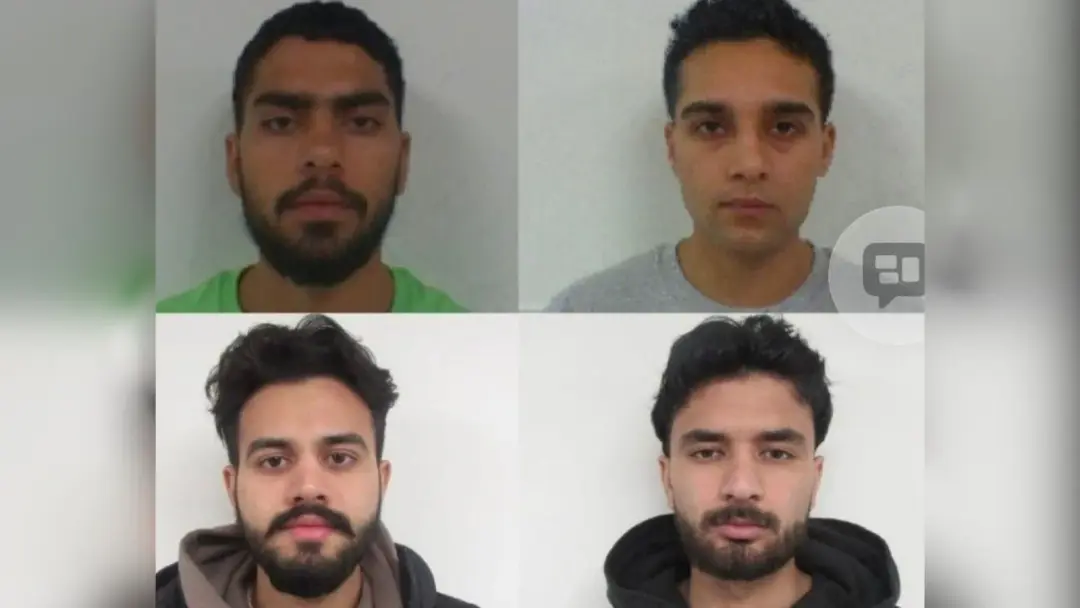
Canada deports four more Indians in extortion crackdown; total 111
Canada has removed four more Indian nationals under an immigration crackdown targeting foreign nationals allegedly linked to extortion networks, taking total deportations under the drive to 111. The Canada Border Services Agency said Palwinder Singh, Jasmer Singh, Amitoz Bajwa and Sahibjot Singh were found inadmissible under the Immigration and Refugee Protection Act on grounds of organised or serious criminality. The CBSA said it had issued 188 removal orders across Canada as of September 3.
Source
Indian Express — Cities · read the original report ↗
Desk check · compared with the source
What the desk checked (5)
- Canada has deported four more Indian nationals, taking total removals under the drive to 111. — Attributed to CBSA in the source; figure appears in source text.
- CBSA issued 188 removal orders across Canada as of September 3, with 91 in the Pacific region (58 removals), 47 in the Prairies (30 removals) and 50 in the Greater Toronto Area (23 removals). — Attributed to CBSA; regional numbers stated in source.
- Palwinder Singh was linked to an extortion-related shooting in 2025 and found to be a member of a criminal organisation; Amitoz Bajwa linked to firearms offences and an extortion-related shooting; Jasmer Singh convicted of forcible confinement; Sahibjot Singh admitted association with a criminal organisation. — Attributed to CBSA; individual allegations, not independently verified here.
- Parminder Singh, about 22, was sentenced to 7.5 years in Edmonton in an extortion and arson racket targeting South Asian homebuilders. — Stated in source without named official source; presented as court outcome.
- Peel Regional Police arrested 17 men in May in connection with 24 incidents linked to the 'Four Brothers' network. — Attributed to Peel Regional Police in source.
Analysts’ view opinion
కెనడా చేపట్టిన ఈ బహిష్కరణ డ్రైవ్ను కేవలం వలస విధాన అమలు చర్యగా చూడలేం; ఇది అంతర్గత భద్రత, సరిహద్దు నిర్వహణ, ద్వైపాక్షిక సంబంధాల కూడలిలో నిలిచిన అంశం. 111 బహిష్కరణలు, 188 తొలగింపు ఉత్తర్వులు — 2025 నుంచి క్రమంగా పెరుగుతున్న ఈ సంఖ్యలు, దక్షిణాసియా వ్యాపారాలు, కుటుంబాలను లక్ష్యంగా చేసుకున్న వసూళ్ల నెట్వర్క్లను కెనడా ఇప్పుడు వ్యవస్థీకృత నేర ముప్పుగా పరిగణిస్తోందని సూచిస్తున్నాయి. సీబీఎస్ఏ, ఆర్సీఎంపీ, ప్రావిన్షియల్ పోలీసుల సమన్వయం చూస్తే ఇది తాత్కాలిక ప్రచార కార్యక్రమం కాకుండా నిర్మాణాత్మక అమలు యంత్రాంగంగా మారుతున్నట్టు కనిపిస్తోంది.
- వసూళ్లు, కాల్పులు, ఆయుధ నేరాలతో ముడిపడిన కేసుల్లో ఐఆర్పీఏ కింద 'వ్యవస్థీకృత నేరత్వం' ప్రాతిపదికను వాడటం — క్రిమినల్ ట్రయల్ కంటే వేగవంతమైన ఇమిగ్రేషన్ మార్గాన్ని కెనడా ఎంచుకుంటోందని సూచన.
- బ్రిటిష్ కొలంబియా, ఆల్బర్టా, ఒంటారియో — మూడు ప్రధాన ప్రవాస కేంద్రాల్లోనే కేసులు కేంద్రీకృతమై ఉండటం, ఈ నెట్వర్క్ల ముప్పు స్థానిక కమ్యూనిటీలపైనే ఎక్కువగా పడుతోందని చెబుతోంది.
- స్టడీ పర్మిట్, తాత్కాలిక నివాస హోదాపై వచ్చిన యువకుల ప్రస్తావన — వలస మార్గాల దుర్వినియోగంపై కెనడా వెటింగ్ వ్యవస్థల్లో లోపాలున్నాయన్న అంతర్గత రాజకీయ ఒత్తిడిని పెంచే అవకాశం ఉంది.
- బహిష్కరించబడిన వారు భారత్కు తిరిగి రావడం వల్ల ఇరు దేశాల మధ్య నేర సమాచార మార్పిడి, పోలీసు స్థాయి సహకారం ఆచరణాత్మక అవసరంగా మారుతుంది — ఇటీవలి కాలంలో ఒత్తిడికి గురైన ద్వైపాక్షిక సంబంధాల్లో ఇది సానుకూల సహకార బిందువుగా మారే అవకాశమూ ఉంది.
- అదే సమయంలో, ప్రవాస సమూహాన్ని మొత్తంగా అనుమానంగా చూసే ప్రొఫైలింగ్ ఆరోపణలు తలెత్తే ప్రమాదం ఉంది; బహిష్కరణలు వేగంగా జరిగినప్పుడు దర్యాప్తు నాణ్యత, న్యాయ ప్రక్రియ ప్రశ్నలు కూడా ముందుకు వస్తాయి.
What to watch — ఉత్తర్వులు (188) మరియు అమలైన బహిష్కరణల (111) మధ్య అంతరం ఎలా తగ్గుతుందో, భారత్-కెనడా మధ్య ఈ కేసులపై అధికారిక స్థాయి సహకారం ఏదైనా ప్రకటించబడుతుందో గమనించాలి.
ఈ కథనం ఈ వసూళ్ల నెట్వర్క్లకు విదేశాల్లోని ఏదైనా సంస్థ లేదా వ్యక్తి నిర్దేశం ఉందని నిరూపించదు, ఇరు ప్రభుత్వాల అధికారిక స్పందనలను కూడా తెలియజేయదు.
Deep dive
Research brief · 8 facts · 10 dates · exam-readyThe brief
Context
Canada has been running an intensified immigration enforcement drive since 2025 against foreign nationals allegedly linked to extortion networks that target South Asian businesses and families, notably in British Columbia, Alberta and Ontario. Many of those removed are young Indian nationals, including men of Punjabi origin, some of whom entered on study permits or other temporary status. The Canada Border Services Agency (CBSA) declares them inadmissible under the Immigration and Refugee Protection Act (IRPA) on grounds of organised or serious criminality, after proceedings before the Immigration and Refugee Board. The latest four removals take the total under the drive to 111.
Key facts
- Four more Indian nationals — Palwinder Singh, Jasmer Singh, Amitoz Bajwa and Sahibjot Singh — were removed, taking total deportations under the drive to 111.
- All four were found inadmissible under Canada's Immigration and Refugee Protection Act (IRPA) on grounds linked to organised or serious criminality, per the CBSA.
- CBSA had issued 188 removal orders across Canada as of September 3.
- Regional break-up of removal orders: Pacific region 91 orders and 58 removals; Prairies 47 orders and 30 removals; Greater Toronto Area 50 orders and 23 removals.
- By March 2025: about 372 immigration investigations, 70 removal orders, 35 enforced removals; by May: 446 investigations, 118 orders, 55 removals; by June: 484 investigations, 139 orders, 81 removals.
- CBSA said Palwinder Singh was linked to an extortion-related shooting in 2025 and found to be a member of a criminal organisation; Amitoz Bajwa was linked to firearms offences and an extortion-related shooting.
- Jasmer Singh had been convicted of forcible confinement; Sahibjot Singh admitted association with an organisation involved in a pattern of criminal activity.
- In May, Peel Regional Police arrested 17 men, mostly of Punjabi origin, aged about 21 to 32, in connection with 24 incidents attributed to the 'Four Brothers' or 'For Brothers' network.
Timeline
- 2016Sukhnaaz Singh Sandhu, 25, arrives in Canada as a temporary resident; later linked to the Ruffians gang in Surrey.
- 2022Arshdeep Singh, about 22, enters Canada on a study permit.
- 2025Enforcement drive intensifies; Palwinder Singh linked to an extortion-related shooting this year.
- March 2025About 372 immigration investigations, 70 removal orders and 35 enforced removals reported.
- May 2025Figures rise to 446 investigations, 118 orders and 55 removals; Peel Regional Police arrest 17 men over 24 incidents tied to the 'Four Brothers' network.
- June 2025484 investigations, 139 removal orders and 81 removals.
- September 3CBSA says 188 removal orders have been issued across Canada.
- November 2025Arshdeep Singh and Sukhnaaz Singh Sandhu detained.
- January 19, 2026Arshdeep Singh deported under escort after being found inadmissible for membership in a criminal organisation.
- February 3Sukhnaaz Singh Sandhu deported after being found inadmissible for organised criminality.
Who has a stake
- Canada Border Services Agency (CBSA) — Leads the enforcement drive, issues removal orders and executes deportations of foreign nationals found inadmissible.
- Immigration and Refugee Board of Canada — Adjudicates inadmissibility proceedings that precede removal; the four latest deportees were found inadmissible before it.
- Royal Canadian Mounted Police, provincial and municipal police (Surrey Police, Peel Regional Police) — Investigate extortion networks and coordinate with CBSA on arrests and evidence.
- Indian nationals in Canada, including students on study permits — Face detention, inadmissibility findings and deportation if linked to organised criminality; wider reputational risk for the community.
- South Asian businesses and families in British Columbia, Alberta and Ontario — Named targets of extortion networks, including shootings and arson against homebuilders.
- India and Canada as states — Deportations of Indian nationals and transnational gang activity feed into bilateral immigration and security concerns.
Why it matters
The drive shows how criminal extortion networks operating within diaspora communities can quickly convert immigration status into a law-enforcement lever, with 111 Indians already removed and 188 removal orders issued as of September 3. For Indian students and temporary residents in Canada, it signals that inadmissibility findings for organised criminality can end legal stay regardless of pending or completed criminal proceedings. It also affects the wider perception of Indian migrants in Canada's major provinces and adds another strand to India-Canada relations.
UPSC angle
Prelims pointers
- Immigration and Refugee Protection Act (IRPA) is Canada's law under which foreign nationals can be declared inadmissible for organised or serious criminality.
- Canada Border Services Agency (CBSA) issues removal orders and executes deportations; the Immigration and Refugee Board decides inadmissibility.
- As of September 3, CBSA had issued 188 removal orders; total deportations under the extortion crackdown stood at 111.
- Regional spread of orders: Pacific 91, Greater Toronto Area 50, Prairies 47.
- Enforcement is coordinated by CBSA with the Royal Canadian Mounted Police (RCMP) and provincial/municipal police.
- Peel Regional Police in May arrested 17 men over 24 incidents linked to the 'Four Brothers'/'For Brothers' network.
Mains framing
Canada's 2025-onward crackdown on extortion networks illustrates the intersection of migration policy and transnational organised crime. The causes lie in extortion rackets — involving shootings, firearms offences and arson against South Asian homebuilders and businesses in British Columbia, Alberta and Ontario — allegedly run by young foreign nationals, several of whom entered on study permits or temporary status, as in the cases of Arshdeep Singh (study permit, 2022) and Sukhnaaz Singh Sandhu (temporary resident since 2016). The instrument of choice is administrative rather than purely penal: inadmissibility under IRPA for organised or serious criminality, adjudicated by the Immigration and Refugee Board and enforced by CBSA in coordination with the RCMP and local police, producing 188 removal orders and 111 removals. Implications include due-process questions where deportation follows admitted association rather than conviction, the risk of collective stigma against Indian students and Punjabi-origin migrants, and the possibility that removal merely relocates rather than dismantles networks — Parminder Singh, sentenced to 7.5 years in Edmonton, faces deportation only after his sentence. A way forward, grounded in the source, lies in sustained inter-agency coordination, protection and information-gathering from victim communities (as with Surrey Police releasing a photograph seeking information), and pairing criminal prosecution with immigration enforcement rather than substituting one for the other.
Key terms
- Immigration and Refugee Protection Act (IRPA)
- Canadian law under which foreign nationals can be found inadmissible, including on grounds of organised or serious criminality.
- Canada Border Services Agency (CBSA)
- Canadian border and immigration enforcement agency that issues removal orders and carries out deportations.
- Immigration and Refugee Board
- Canadian tribunal that holds proceedings and determines whether a foreign national is inadmissible.
- Inadmissibility
- A legal finding that a foreign national may not remain in Canada, here on grounds of organised or serious criminality.
- Study permit
- Temporary Canadian authorisation to study; several deportees, such as Arshdeep Singh, had entered on one.
- 'Four Brothers'/'For Brothers' network
- Alleged extortion network linked by Peel Regional Police to 24 incidents, leading to 17 arrests in May.
Practice questions
- Examine how host countries use immigration law rather than criminal law to deal with foreign nationals linked to organised crime, with reference to Canada's ongoing extortion crackdown.
- Transnational extortion networks targeting diaspora communities pose challenges for both source and host states. Discuss in the light of recent deportations of Indian nationals from Canada.
- What safeguards should govern deportation on grounds of 'organised criminality' where there is no criminal conviction? Critically analyse.
Grounded only in the source report — figures and dates are the source's, not inferred.