
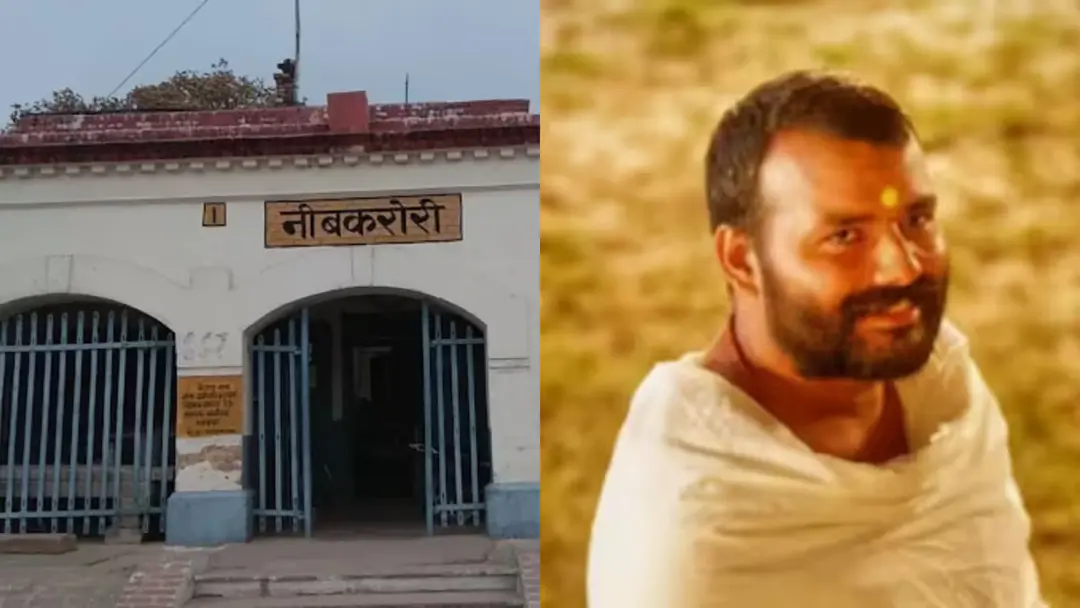
Hanuman Ansh revives story behind Nibkarori railway station
The success of Hanuman Ansh, a low-budget film on spiritual figure Neem Karoli Baba, has renewed attention on Nibkarori railway station in Uttar Pradesh's Farrukhabad district. Traditional accounts say that when he was known as Lakshman Das, he was made to leave a train for travelling without a ticket, after which the train could not be restarted until he boarded again. A station was later set up there. The report notes no independent railway documentation supports the episode.
Source
News18 — India · read the original report ↗
Desk check · some claims need care
What the desk checked (4)
- A train allegedly could not be restarted after Lakshman Das (later Neem Karoli Baba) was made to get off at Nibkarori for travelling without a ticket. — Attributed by the source to biographies, oral traditions and devotees' accounts; source explicitly says no independent railway documentation supports it.
- A station was later established at Nibkarori after Das said villagers had to travel far to board trains; some accounts say it was first called Lakshman Das Puri. — Presented as traditional account, hedged with 'some accounts say'; no official record cited.
- Nibkarori station, code NBUE, has six regular services stopping, including the Kalindi Express between Bhiwani and Prayagraj. — Attributed to current railway timetable databases; figure appears in source.
- Hanuman Ansh was made for about Rs 2 crore and crossed Rs 268 crore worldwide by its sixth week. — Attributed to reports and trade figures; no named trade source given.
Analysts’ view opinion
సుమారు రూ.2 కోట్ల బడ్జెట్తో తీసిన 'హనుమాన్ అంశ్' ఆరో వారానికి రూ.268 కోట్ల వరకు (ట్రేడ్ అంచనాల ప్రకారం) వసూలు చేయడం — ఇది స్టార్ పవర్ కాకుండా విశ్వాస-ఆధారిత కథనం, మౌత్ టాక్ కలిసి నడిపిన అరుదైన బాక్సాఫీస్ నమూనా. నెమ్మదిగా ఓపెన్ అయి తర్వాత ఊపందుకోవడం అంటే ప్రేక్షకులే డిస్ట్రిబ్యూషన్ ఇంజిన్గా మారారని అర్థం, ఇది ఇండస్ట్రీకి రిస్క్-రిటర్న్ లెక్కలను మార్చే సంకేతం. అదే సమయంలో సినిమా ప్రభావం థియేటర్ దాటి నిబ్కరోరి స్టేషన్ను ఒక 'డెస్టినేషన్'గా మార్చడం, కంటెంట్-టూరిజం కోణాన్ని ముందుకు తెస్తోంది.
- తక్కువ బడ్జెట్ + భక్తి/ఆధ్యాత్మిక కథ + వర్డ్-ఆఫ్-మౌత్ అనే కాంబినేషన్ ఇప్పుడు నిర్మాతలకు అత్యంత ఆకర్షణీయమైన మార్జిన్ మాడల్గా కనిపిస్తోంది.
- స్లో ఓపెనింగ్ తర్వాత పెరిగిన వసూళ్లు — ప్రచార ఖర్చు కంటే ప్రేక్షకుల నమ్మకమే ఇక్కడ కీలక మార్కెటింగ్ ఆస్తి అని సూచిస్తున్నాయి.
- ఇదే దర్శకుడు తులసీదాస్ జీవితంపై 'రాంబోలా' చేపడుతున్నట్టు కథనం చెబుతోంది — అంటే ఒక్క హిట్ వెంటనే ఒక సబ్-జానర్ పైప్లైన్ను తెరుస్తోంది.
- సీక్వెల్ చర్చలు, సెలబ్రిటీ కేమియో ఊహాగానాలు వార్తల్లో ఉన్నాయి; అవి ధ్రువీకరించబడలేదు, కానీ ఫ్రాంచైజ్గా మార్చే ప్రయత్నాన్ని సూచిస్తాయి.
- కథనం స్వయంగా 'విశ్వాసం vs చరిత్ర' తేడాను స్పష్టం చేసింది — రైలు ఆగిన ఘటనకు స్వతంత్ర రైల్వే ఆధారాలు లేవని పేర్కొంది, ఇది సినిమా చూపే వర్షన్ను మతపరమైన సంప్రదాయ కథనంగానే చూడాలని గుర్తు చేస్తుంది.
What to watch — సినిమా ఊపు ఆరో వారం తర్వాత ఎంతకాలం నిలుస్తుందో, నిబ్కరోరి వంటి ప్రదేశాలకు భక్తుల రాకపోకలు నిజంగా పెరుగుతాయో — ఈ రెండూ ఈ 'లో-బడ్జెట్ ఫెయిత్ ఫిల్మ్' ట్రెండ్కు ఎంత ఆయువు ఉందో చెబుతాయి.
వసూళ్ల గణాంకాలు ట్రేడ్ అంచనాలే, ఆడిటెడ్ లెక్కలు కాదు; సీక్వెల్, కేమియోల విషయం ధ్రువీకరించలేదు, రైలు ఆగిన ఘటన చారిత్రకంగా జరిగిందనే విషయాన్ని ఈ కథనం ఏమాత్రం నిరూపించడం లేదు.
Deep dive
Research brief · 8 facts · 6 dates · exam-readyThe brief
Context
Hanuman Ansh is a low-budget film on the life of the spiritual figure Neem Karoli Baba, known in his early years as Lakshman Das. Its unexpected commercial success has revived interest in lesser-known episodes of his life, including a traditional account tied to Nibkarori railway station in Uttar Pradesh's Farrukhabad district. According to that account, a train that Lakshman Das was made to leave for travelling without a ticket could not be restarted until he boarded again, and a station was later established there at his suggestion. The report stresses that no independent railway documentation supports the supernatural element of the episode.
Key facts
- Hanuman Ansh was made on a budget of around Rs 2 crore, according to reports cited in the source.
- By its sixth week the film had crossed Rs 268 crore worldwide, according to trade figures.
- Nibkarori railway station is in Farrukhabad district, Uttar Pradesh, and has the station code NBUE.
- Six regular services are listed as stopping at Nibkarori in current railway timetable databases.
- The Kalindi Express, which halts at Nibkarori, connects Bhiwani with Prayagraj.
- Local services from Nibkarori connect it with Farrukhabad, Tundla, Kasganj and Shikohabad.
- Traditional accounts say Lakshman Das was asked to leave the train by a railway official after a British officer objected to his travelling without a valid ticket.
- Some accounts say the station was initially called Lakshman Das Puri, after the name by which Neem Karoli Baba was then known.
Timeline
- Period when Neem Karoli Baba was still called Lakshman Das (year not stated in the source)He boards a train without a valid ticket, is made to get off at Nibkarori and sits beneath a tree.
- Immediately after (per tradition)The train cannot be restarted despite repeated attempts; officials request him to board again, after which it moves.
- Subsequently (date not stated in the source)A station is established at Nibkarori after he tells officials villagers had to travel far to board trains.
- Film release period; slow opening followed by word-of-mouth growthHanuman Ansh gains momentum at the box office despite its modest budget.
- Sixth week of releaseFilm crosses Rs 268 crore worldwide, renewing attention on places linked to Neem Karoli Baba.
- September 15, 2026Report first published, noting Nibkarori's revived prominence among devotees.
Who has a stake
- Nibkarori railway station and its passengers — A small halt with code NBUE and six regular services now draws attention as a devotional and cinematic landmark.
- Devotees of Neem Karoli Baba — The film amplifies traditional accounts of his miracles and renews pilgrimage-style interest in associated places.
- Makers and team of Hanuman Ansh — A roughly Rs 2 crore film crossing Rs 268 crore worldwide validates low-budget, faith-based storytelling.
- Indian Railways — Custodian of records; the source notes no railway documentation supports the supernatural claim about the stalled train.
- Villagers around Nibkarori — Per tradition, the station was set up because locals had to travel a considerable distance to board trains.
- Historians and fact-checkers — The story tests the line between documented history and faith-based oral tradition.
Why it matters
The story shows how popular cinema can reshape public memory, turning a small railway halt into a site of spiritual and tourist interest. It also illustrates the need to distinguish documented history from oral tradition: the source explicitly notes that no independent railway record supports the miracle claim. Commercially, a Rs 2 crore film crossing Rs 268 crore worldwide signals the pull of devotional content driven by word of mouth.
UPSC angle
Prelims pointers
- Nibkarori railway station: Farrukhabad district, Uttar Pradesh; station code NBUE.
- Kalindi Express, which halts at Nibkarori, links Bhiwani with Prayagraj.
- Neem Karoli Baba was earlier known as Lakshman Das; the station was reportedly first called Lakshman Das Puri.
- Hanuman Ansh: made for about Rs 2 crore; crossed Rs 268 crore worldwide by its sixth week.
- Six regular services stop at Nibkarori; local links include Farrukhabad, Tundla, Kasganj and Shikohabad.
- The stalled-train episode rests on biographies, oral traditions and devotees' accounts, not railway documentation.
Mains framing
The Hanuman Ansh phenomenon is a case study in how mass entertainment mediates religious memory and local geography. A traditional account of Lakshman Das being removed from a train at Nibkarori for want of a ticket, and the train refusing to restart until he reboarded, has moved from oral tradition and devotee biographies into a widely seen film, converting an ordinary halt with code NBUE into a marker of faith. The causes lie in the appeal of low-cost devotional cinema, word-of-mouth amplification and a pre-existing devotional network around Neem Karoli Baba; the implications include heightened visitor interest at small stations, potential pressure on local infrastructure, and the blurring of the line between documented history and belief, since the source records no independent railway evidence for the miracle. A balanced way forward is to respect faith traditions as cultural heritage while presenting them with clear provenance: interpretive signage or curated local heritage material can note what is attested and what is tradition, and civic and railway authorities can plan for footfall without endorsing unverified claims.
Key terms
- Neem Karoli Baba
- Indian spiritual figure, earlier known as Lakshman Das, whose life and reputed miracles the film depicts.
- Hanuman Ansh
- Low-budget film on Neem Karoli Baba, made for around Rs 2 crore, that crossed Rs 268 crore worldwide by week six.
- Nibkarori (NBUE)
- Railway station in Farrukhabad district, Uttar Pradesh, linked in tradition to the Neem Karoli Baba train episode.
- Lakshman Das Puri
- Name by which, per some accounts, the Nibkarori station was initially known, after Baba's earlier name.
- Kalindi Express
- Train connecting Bhiwani with Prayagraj that has a regular halt at Nibkarori.
Practice questions
- How does popular cinema shape public memory of religious figures and places? Discuss with reference to the Nibkarori episode in Hanuman Ansh.
- Distinguish between historical evidence and oral tradition in the making of local heritage narratives, using the stalled-train account as an example.
- What does the commercial performance of a low-budget devotional film like Hanuman Ansh reveal about audience preferences and the economics of Indian cinema?
Grounded only in the source report — figures and dates are the source's, not inferred.