
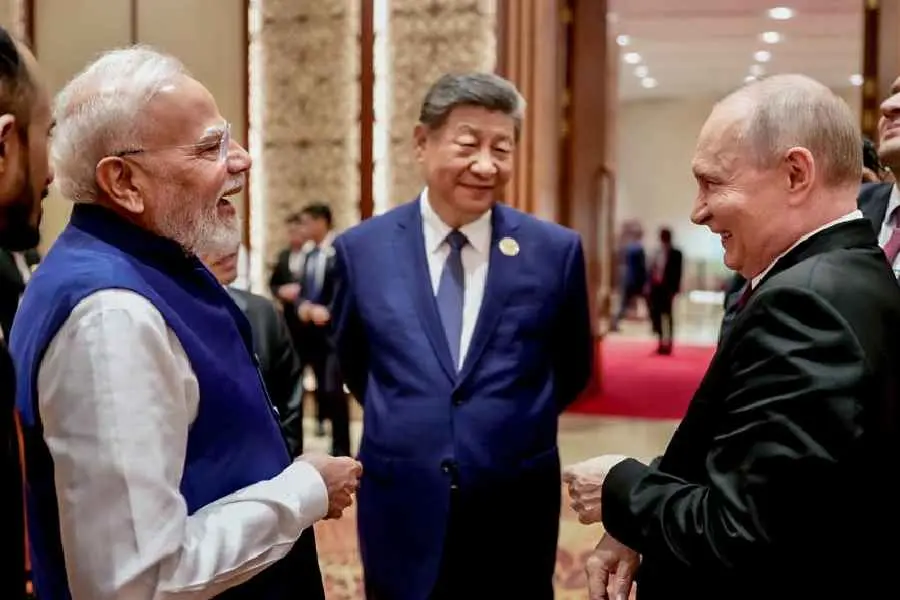
Experts call BRICS Delhi Declaration India's diplomatic success
Former diplomats and strategic experts described last week's BRICS Summit as a diplomatic success for India, which secured a unanimous New Delhi Declaration. The document named no countries on the West Asia conflict and omitted any reference to Ukraine. Former foreign secretary Nirupama Menon Rao said consensus was preserved through carefully generalised language despite Iran-UAE differences. Strategic thinker Brahma Chellaney said the text's stand on unilateral sanctions exposed a double standard over China's export curbs.
Source
BRICS / G20 / SCO / Quad · read the original report ↗
Desk check · compared with the source
What the desk checked (5)
- The BRICS Summit adopted a unanimous New Delhi Declaration naming no countries on the West Asia conflict and omitting Ukraine. — Stated in the source as reporting; no official document citation given beyond the text.
- Former foreign secretary Nirupama Menon Rao called it a significant diplomatic success achieved through generalised language. — Directly attributed to her post on X.
- Brahma Chellaney said the sanctions language exposes a double standard, citing China's export curbs on critical minerals and rare earths. — Attributed quote from Chellaney; his characterisation, not independently verified.
- About 100 of the 140 paragraphs in the declaration cover development cooperation, per economist Golam Rasul in Asia Times. — Figure attributed to Rasul's Asia Times article as it appears in the source.
- The summit enabled the highest-level Iran-UAE engagement since the start of the US-Israel war against Tehran. — Asserted by the source without named attribution.
Analysts’ view opinion
బ్రిక్స్ ఢిల్లీ డిక్లరేషన్ ఏకాభిప్రాయంతో ఆమోదం పొందడం ప్రధానంగా భారత దౌత్య నిర్వహణ సామర్థ్యానికి — అంటే "కన్వీనింగ్ పవర్"కు — దక్కిన రాజకీయ లాభం; 2023 జీ20 న్యూఢిల్లీ డిక్లరేషన్ తర్వాత మూడేళ్లలో ఇది రెండోసారి. ఇరాన్–యూఏఈ విభేదాలు, రష్యా సున్నితత్వాల మధ్య పేర్లు ప్రస్తావించని సాధారణ భాషతో ముందుకు సాగడం భారత "వ్యూహాత్మక స్వతంత్రత"కు గెలుపుగా చూపబడుతుంది. కానీ అదే సాధారణ భాషే విమర్శకులకు ఆయుధం: బాధ్యతను ఎవరిపైనా మోపని పత్రం, ఏకపక్ష ఆంక్షల విషయంలో చైనాకు మినహాయింపు ఇచ్చిన ద్వంద్వ ప్రమాణం అన్న ఆరోపణలు కూడా వెంటనే బయటికొచ్చాయి.
- ఇది ఇంటి రాజకీయాల్లో వాడుకోగలిగే దౌత్య విజయం — ప్రభుత్వం దీన్ని "గ్లోబల్ సౌత్కు నాయకత్వం" కథనంగా ముందుకు తీసుకెళ్లే అవకాశం ఉంది.
- ఎరిక్ సోల్హీమ్ చెప్పిన "నాన్-వెస్టర్న్ కానీ యాంటీ-వెస్టర్న్ కాదు" అనే ఫ్రేమింగ్ భారతానికి రాజకీయంగా కీలకం: పశ్చిమ దేశాలతో సంబంధాలు దెబ్బతినకుండా బ్రిక్స్లో ఉండగలగడం.
- నిరుపమా మీనన్ రావు ఎత్తిచూపిన పరిమితి — ఏకాభిప్రాయం నిలిచింది కానీ కేవలం జాగ్రత్తగా సాధారణీకరించిన భాష ద్వారానే — భవిష్యత్తులో ప్రతిపక్షం లేవనెత్తగల ప్రశ్న.
- బ్రహ్మ చెల్లానీ విమర్శ చైనా అంశాన్ని దేశీయ రాజకీయ చర్చలోకి తెస్తుంది: క్రిటికల్ మినరల్స్, ఎగుమతి నియంత్రణలపై బ్రిక్స్ మౌనం భారత ప్రయోజనాలకు ఎంతవరకు అనుకూలం అన్న ప్రశ్న.
- గోలం రసూల్ లేవనెత్తిన "ఆశయం vs అమలు సామర్థ్యం" వాదన — 140 పేరాల్లో దాదాపు అన్నీ స్వచ్ఛంద చట్రాలే అన్న విమర్శ — వేడుక కథనానికి ప్రధాన ప్రతివాదన.
What to watch — డిక్లరేషన్లోని అంశాలు — ప్రత్యేకించి సంతకాలు ఇంకా పెండింగ్లో ఉన్న కస్టమ్స్ సహకార ఒప్పందం లాంటివి — వాస్తవ నిబద్ధతలుగా మారుతాయా, లేక వర్కింగ్ గ్రూపుల స్థాయిలోనే ఉండిపోతాయా అన్నది గమనించాలి.
ఈ కథనం భారత ప్రభుత్వ అధికారిక స్పందనను, ప్రతిపక్షాల వైఖరిని, లేదా చైనా–ఇతర సభ్య దేశాల ప్రతిస్పందనను ఏమీ నిర్ధారించడం లేదు; ఇందులో ఉన్నవి ప్రధానంగా విశ్లేషకుల, మాజీ దౌత్యవేత్తల వ్యక్తిగత అభిప్రాయాలే.
Deep dive
Research brief · 8 facts · 4 dates · exam-readyThe brief
Context
India hosted the BRICS Summit last week and secured a unanimous New Delhi Declaration, at a time when consensus in the grouping had eluded members through the year because of differences between Iran and the UAE over West Asia. The declaration avoided naming any country in its references to the West Asia conflict and, unlike the 2025 Rio de Janeiro Declaration, made no mention of Ukraine at all. Former diplomats and strategic experts read this as a win for India's policy of strategic autonomy, which lets New Delhi keep ties with warring sides across blocs, while also pointing to the limits of what such generalised language can achieve.
Key facts
- The BRICS Summit in Delhi produced a unanimous New Delhi Declaration despite Iran-UAE differences that had blocked consensus in the grouping through the year.
- The declaration named no countries in its references to the West Asia conflict and voiced concerns only in general terms.
- The 2025 Rio de Janeiro Declaration had one reference to Ukraine; the Delhi text avoided even that, in line with Russian sensitivities.
- The summit set the stage for the highest-level Iran-UAE engagement since the start of the US-Israel war against Tehran, and in the middle of that conflict.
- This is the second such consensus feat in three years: in September 2023 India brokered the G20 New Delhi Declaration across Russia-West differences.
- Former foreign secretary Nirupama Menon Rao said consensus was preserved 'only through carefully generalised language'.
- Brahma Chellaney said the text's condemnation of unilateral coercive measures exposes a double standard, given China's export curbs on critical minerals, rare earths and manufacturing equipment.
- Dhaka-based economist Golam Rasul wrote in Asia Times that about 100 of the declaration's 140 paragraphs cover health, food security, energy, industry, science, finance, trade, climate and human development.
Timeline
- September 2023Indian diplomats bridge Russia-West differences to deliver the G20 New Delhi Declaration.
- 2025BRICS Rio de Janeiro Declaration issued, containing a single reference to Ukraine.
- Through the year before the summitConsensus eludes BRICS because of Iran-UAE differences over West Asia.
- Last weekBRICS Summit in Delhi adopts a unanimous New Delhi Declaration; Iran and the UAE hold their highest-level engagement since the start of the US-Israel war against Tehran.
Who has a stake
- India (host and chair) — Its convening power and strategic autonomy tested; success burnishes its claim to lead the Global South.
- Ministry of External Affairs and summit Sherpa Secretary Dalela — Credited by C. Uday Bhaskar for finding semantic consensus on prickly West Asian issues.
- Iran and the UAE — Sharp differences over West Asia had blocked BRICS consensus; the summit gave them a platform for high-level engagement.
- Russia — Russian sensitivities were accommodated by omitting any mention of Ukraine from the declaration.
- China — Faulted by Chellaney for export controls, non-tariff barriers and market-access curbs against BRICS partners including India.
- BRICS as a grouping — Its value in keeping difficult conversations alive versus its inability to assign responsibility or organise collective action.
- New Development Bank — Cited as one of the few BRICS bodies with an actual balance sheet behind the declaration's development promises.
Why it matters
The Delhi Declaration shows that India can hold together a grouping whose members are on opposing sides of live conflicts, strengthening its pitch as a bridge for the Global South that is non-Western without being anti-Western. But the same generalised wording that made consensus possible also limits what BRICS can enforce, and the critique of unilateral coercive measures invites scrutiny of China's own export curbs on India.
UPSC angle
Prelims pointers
- New Delhi Declaration: outcome document of the BRICS Summit hosted by India, adopted unanimously.
- G20 New Delhi Declaration was adopted in September 2023 after India bridged Russia-West differences.
- The 2025 BRICS Rio de Janeiro Declaration contained one reference to Ukraine; the Delhi text had none.
- The Delhi Declaration has 140 paragraphs, of which about 100 deal with development cooperation themes.
- New Development Bank is the BRICS institution described as having an actual balance sheet.
- Nirupama Menon Rao is a former foreign secretary; C. Uday Bhaskar directs the Society for Policy Studies.
Mains framing
India's handling of the BRICS Summit illustrates how strategic autonomy translates into diplomatic capital: by factoring in each member's national position and then crafting acceptable language, Indian diplomats delivered a unanimous declaration despite Iran-UAE differences, replicating the method used for the G20 New Delhi Declaration of September 2023. The costs of that method are visible in the text itself: no country is named on the West Asia conflict, Ukraine disappears entirely in deference to Russian sensitivities, and, as Nirupama Menon Rao argues, consensus survives only through carefully generalised language that cannot assign responsibility or organise collective action. Brahma Chellaney's critique goes further, arguing that condemning unilateral coercive measures while China deploys export restrictions on critical minerals, rare earths and manufacturing equipment against fellow members exposes a double standard that undercuts BRICS's claim to champion open trade and resilient supply chains. Golam Rasul's reading of the operative verbs - welcome, note, encourage, look forward to, acknowledge - suggests an organisation announcing activity rather than committing resources, with the New Development Bank and an unsigned customs cooperation agreement as rare exceptions. The way forward, on the evidence of the source, lies in converting voluntary frameworks, working groups and MoUs without deadlines into instruments with resources and timelines, while India uses its convening power to keep BRICS non-Western rather than anti-Western.
Key terms
- Strategic autonomy
- India's longstanding policy of maintaining ties with warring sides across practically every bloc rather than aligning with one camp.
- New Delhi Declaration (BRICS)
- The consensus outcome document of the Delhi BRICS Summit; 140 paragraphs, no mention of Ukraine, no country named on West Asia.
- Unilateral coercive measures
- Sanctions and economic restrictions imposed by one country on another without multilateral sanction; condemned in the declaration.
- New Development Bank
- BRICS financial institution described in the source as the one body in the declaration's architecture with an actual balance sheet.
- Sherpa
- The senior official who negotiates the summit text; India's summit Sherpa was Secretary Dalela, credited by C. Uday Bhaskar.
- Global South
- Developing and emerging economies; Erik Solheim said India ensures strategic agency for this bloc through BRICS.
Practice questions
- The BRICS New Delhi Declaration has been called both a diplomatic success and a document of limited consequence. Examine this dual assessment with reference to its language on West Asia and Ukraine.
- "Consensus preserved through generalised language reveals both the value and the limits of plurilateral groupings." Discuss in the context of India's chairing of BRICS and the G20.
- Do BRICS members' own export controls and non-tariff barriers weaken the grouping's criticism of unilateral coercive measures? Analyse with examples from the source.
Grounded only in the source report — figures and dates are the source's, not inferred.