
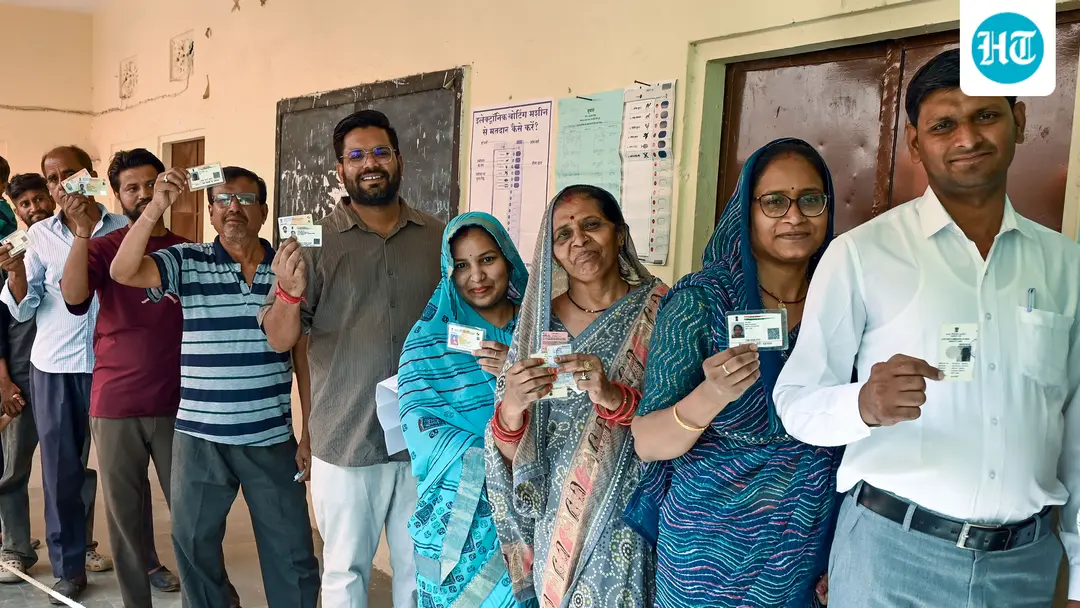
Congress candidate Faiz Hasan, 21, wins Jaipur's Ward 71
Congress candidate Faiz Hasan, 21, won Ward 71 of the Jaipur Municipal Corporation in the Rajasthan urban local body elections with 5,426 votes. Independent Mohammad Salim polled 5,256 votes, while BJP's Nisha Gaur finished third. With results declared for 120 of 150 wards on Monday, the BJP has won 63 wards, the Congress 44 and others 13. Statewide, PTI reported the BJP won 3,587 wards, the Congress 3,050 and Independents 2,024.
Source
Hindustan Times — India · read the original report ↗
Desk check · compared with the source
What the desk checked (4)
- Congress candidate Faiz Hasan, 21, won Ward 71 in Jaipur with 5,426 votes, defeating Independent Mohammad Salim (5,256 votes), with BJP's Nisha Gaur third. — Vote figures and names appear in the source; no counting authority is named for this specific ward result.
- BJP has won 63 wards and Congress 44 of the 120 declared wards in Jaipur Municipal Corporation, with 13 to others and independents. — Figures appear in source; counting for remaining wards described as underway per the Jaipur District Administration.
- Statewide, BJP won 3,587 wards, Congress 3,050 and Independents 2,024, with results for over 8,700 of 10,244 wards declared by 2.15 pm. — Attributed in the source to a PTI report; provisional as counting was continuing.
- Polling for 309 urban local bodies was held in two phases on September 9 and 11, with over 1.44 crore eligible voters. — Figure appears in source without a named official source; source also notes repolling at one Jaipur booth on September 11.
Analysts’ view opinion
జైపూర్ వార్డు 71లో 21 ఏళ్ల ఫైజ్ హసన్ గెలుపు కాంగ్రెస్కు ఒక ప్రతీకాత్మక ఊరట మాత్రమే — 170 ఓట్ల స్వల్ప తేడాతో, అదీ స్వతంత్ర అభ్యర్థిపై వచ్చిన విజయం కావడం స్థానిక సమీకరణలే నిర్ణాయకమని చూపుతుంది. రాష్ట్రవ్యాప్తంగా బీజేపీ 3,587 వార్డులతో కాంగ్రెస్ (3,050) కంటే ముందుండటం అధికార పార్టీకి పట్టణ ప్రాంతాల్లో పట్టు నిలిచిందని సంకేతం ఇస్తోంది, కానీ ఆ ఆధిక్యం ఏకపక్షం కాదు. అసలు కథ 2,024 వార్డులు గెలిచిన స్వతంత్రులే — వారు అనేక స్థానిక సంస్థల్లో నిర్ణాయక శక్తిగా మారే అవకాశం ఉంది.
- వార్డు 71లో బీజేపీ అభ్యర్థి మూడో స్థానానికి పరిమితమవడం, ప్రధాన పోటీ కాంగ్రెస్–స్వతంత్ర మధ్య జరగడం ఆ వార్డులో స్థానిక సామాజిక సమీకరణలే ప్రధాన పాత్ర పోషించాయని సూచిస్తోంది.
- 21 ఏళ్ల అభ్యర్థిని నిలబెట్టి గెలిపించడం కాంగ్రెస్కు 'యువ నాయకత్వం' కథనానికి ఉపయోగపడే ప్రచార అంశం, అయితే ఒక వార్డు ఫలితం నుంచి పార్టీ వ్యూహం అని తీర్మానించడం అతిగా చదవడమే.
- అజ్మేర్, పాలిలో కాంగ్రెస్ గెలుపు, ఉదయ్పూర్లో బీజేపీ స్పష్ట మెజారిటీ — ఇది ఏకరూప తీర్పు కాదు, నగరాలవారీగా విడివిడి తీర్పులు అని చెబుతోంది.
- ముఖ్యమంత్రి భజన్లాల్ శర్మ స్వస్థలం భరత్పూర్లో 65 వార్డుల్లో 36 స్వతంత్రులకు దక్కడం అధికార పార్టీలో టికెట్ల కేటాయింపు, స్థానిక అసంతృప్తి గురించి ప్రశ్నలు లేవనెత్తే అంశం.
- 2028 అసెంబ్లీ ఎన్నికల ముందు ఇరు పార్టీలూ ఈ ఫలితాలను తమకు అనుకూలంగా చూపే ప్రయత్నం చేస్తాయి — బీజేపీ మొత్తం సంఖ్యలను, కాంగ్రెస్ కీలక నగరాల్లో గెలుపును ముందుకు తెస్తుంది.
What to watch — మిగిలిన వార్డుల లెక్కింపు పూర్తయ్యాక — ప్రత్యేకించి జైపూర్లోని 30 వార్డులు మరియు సెప్టెంబర్ 11 రీపోలింగ్ తర్వాత — మేయర్, చైర్పర్సన్ ఎన్నికల్లో స్వతంత్రులు ఎవరి వైపు మొగ్గుతారో గమనించాలి.
ఈ కథనం తుది ఫలితాలను, ఏ పార్టీకి జైపూర్ కార్పొరేషన్లో మెజారిటీ వచ్చిందో, స్వతంత్రుల రాజకీయ మొగ్గును లేదా వార్డు 71 ఫలితం వెనుక కారణాలను ఏమాత్రం స్థాపించలేదు.
Deep dive
Research brief · 8 facts · 4 dates · exam-readyThe brief
Context
Rajasthan held its Urban Local Body General Elections-2026 across 309 urban local bodies, with counting throwing up a mixed verdict for the ruling BJP and the Congress. In the Jaipur Municipal Corporation, Congress candidate Faiz Hasan, 21, won Ward 71 with 5,426 votes, becoming one of the youngest new faces in the civic body. Statewide, the BJP led with 3,587 wards against the Congress's 3,050, while Independents emerged as a strong third force with 2,024 wards. The contest is being read as a political test for the Bhajanlal Sharma-led BJP government and the Congress ahead of the 2028 Assembly polls.
Key facts
- Congress's Faiz Hasan, 21, won Ward 71 of the Jaipur Municipal Corporation with 5,426 votes, defeating Independent Mohammad Salim (5,256 votes); BJP's Nisha Gaur was third.
- In the Jaipur Municipal Corporation, results for 120 of 150 wards were declared on Monday: BJP 63, Congress 44, others and Independents 13.
- Statewide, by 2.15 pm the BJP had won 3,587 wards and the Congress 3,050, with results declared for more than 8,700 of the 10,244 wards where counting was held (PTI).
- Independents won 2,024 wards statewide, followed by RLP 56, CPI(M) 37, BSP 15, AAP 10 and BAP eight.
- BJP won a clear majority in the 80-member Udaipur Municipal Corporation with 53 wards; Congress 23, Independents 3, CPI(M) 1.
- Congress won Ajmer (37 of 80 wards, BJP 32, Independents 11) and Pali Nagar Nigam (29 of 65 wards, BJP 21, Independents 15).
- In Bharatpur, Chief Minister Bhajanlal Sharma's hometown, Independents won or led in 36 of 65 wards, against BJP 20 and Congress 7; BSP and RLP won one each.
- Polling for 309 urban local bodies was held in two phases on September 9 and 11 to elect 10,245 councillors across 10 municipal corporations, 51 municipal councils and 248 municipalities, with over 1.44 crore eligible voters.
Timeline
- September 9First phase of polling for Rajasthan's urban local body elections.
- September 11Second phase of polling; repolling also scheduled at one booth in Jaipur.
- Monday (counting day, as reported)Results declared for 120 of Jaipur Municipal Corporation's 150 wards; statewide results for over 8,700 wards declared by 2.15 pm.
- 2028Rajasthan Assembly elections, ahead of which these civic polls are seen as a political test.
Who has a stake
- Faiz Hasan (Congress, 21) — Won Ward 71 in Jaipur with 5,426 votes; one of the youngest new faces in the Jaipur Municipal Corporation.
- Bharatiya Janata Party — Leads statewide with 3,587 wards and 63 of 120 declared Jaipur wards, but lost Ajmer, Pali and its CM's hometown Bharatpur.
- Indian National Congress — Won 3,050 wards statewide and 44 declared Jaipur wards; secured Ajmer and Pali corporations.
- Independent candidates — Won 2,024 wards statewide and 36 of 65 in Bharatpur, making them a potentially decisive force in several urban local bodies.
- Chief Minister Bhajanlal Sharma — The polls are seen as a test of his BJP government; Independents swept his hometown Bharatpur.
- Jaipur District Administration — Conducting counting for the remaining Jaipur wards and declaring results.
- Over 1.44 crore voters — Eligible to elect 10,245 councillors who will run their municipal bodies.
Why it matters
Urban local body results are the first large-scale electoral test of the Bhajanlal Sharma government and of Congress's revival attempt before the 2028 Rajasthan Assembly polls. The BJP's statewide lead coexists with setbacks in Ajmer, Pali and the CM's hometown Bharatpur, while 2,024 Independent wins signal weakening party control over local politics and make them kingmakers in several civic bodies. The victory of a 21-year-old councillor also underlines how municipal polls remain the entry point for young political leadership.
UPSC angle
Prelims pointers
- Rajasthan Urban Local Body General Elections-2026: 309 urban local bodies, 10,245 councillors, polling on September 9 and 11.
- Composition polled: 10 municipal corporations, 51 municipal councils and 248 municipalities; over 1.44 crore eligible voters.
- Jaipur Municipal Corporation has 150 wards; results for 120 declared with BJP 63, Congress 44, others 13.
- Statewide tally reported: BJP 3,587 wards, Congress 3,050, Independents 2,024, RLP 56, CPI(M) 37, BSP 15, AAP 10, BAP 8.
- Udaipur Municipal Corporation has 80 members; BJP won 53. Ajmer has 80 wards (Congress 37); Pali has 65 (Congress 29); Bharatpur has 65 (Independents 36).
- Bharatpur is the hometown of Rajasthan Chief Minister Bhajanlal Sharma.
Mains framing
Rajasthan's 2026 urban local body elections illustrate both the consolidation and the fragmentation of party politics at the municipal tier. The ruling BJP retained an overall statewide lead (3,587 wards to Congress's 3,050) and swept Udaipur with 53 of 80 wards, yet lost Ajmer and Pali to the Congress and saw Independents win or lead 36 of 65 wards in Bharatpur, the Chief Minister's hometown — evidence that local candidate selection, caste and neighbourhood-level grievances often override statewide party narratives. The 2,024 Independent victories point to dissatisfaction with formal ticket distribution and give unattached councillors decisive leverage in forming boards, which can affect the stability and accountability of urban governance in a system where mayors and standing committees depend on shifting councillor majorities. For the Congress, wins such as Faiz Hasan's in Jaipur's Ward 71 offer a base for organisational renewal and youth induction before the 2028 Assembly polls; for the BJP, urban setbacks in specific corporations are an early warning. The way forward lies in strengthening internal candidate-selection processes, using ward-level results as feedback on service delivery, and ensuring elected councils are empowered to function beyond coalition arithmetic.
Key terms
- Urban Local Body (ULB)
- Elected city government tier — municipal corporations, municipal councils and municipalities — of which Rajasthan polled 309 in these elections.
- Jaipur Municipal Corporation
- Jaipur's civic body with 150 wards; results for 120 wards were declared on Monday.
- Ward
- The smallest electoral unit of a municipal body, each electing one councillor; 10,245 councillors were to be elected in Rajasthan.
- Independent candidate
- A contestant not backed by any party; Independents won 2,024 wards statewide, including 36 of Bharatpur's 65.
- RLP (Rashtriya Loktantrik Party)
- A Rajasthan-based party that won 56 wards in these urban local body elections.
- BAP (Bharat Adivasi Party)
- A party focused on tribal representation; it won eight wards in the Rajasthan civic polls.
Practice questions
- Assess the significance of the 2026 Rajasthan urban local body results as a political indicator ahead of the 2028 Assembly elections.
- The strong showing of Independents in urban local bodies raises questions about party-based municipal politics. Discuss its implications for stable and accountable urban governance.
- How do municipal elections function as an entry route for young political leadership in India? Illustrate with reference to recent examples.
Grounded only in the source report — figures and dates are the source's, not inferred.