
Maharashtra sets up cabinet sub-committee for drought relief
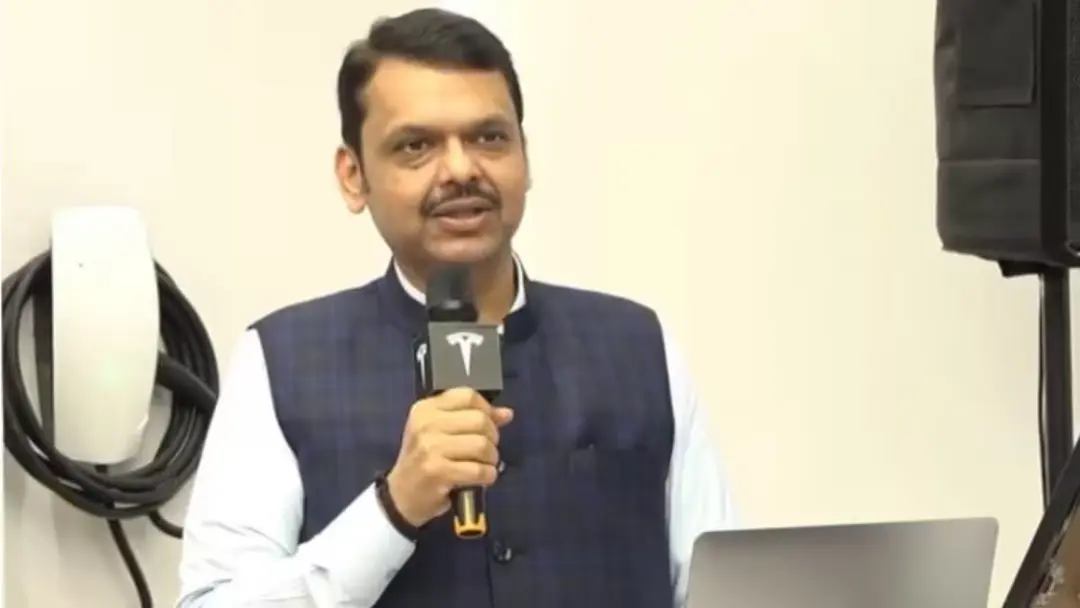
With a prolonged dry spell damaging kharif crops, the Maharashtra government on Tuesday ordered crop damage assessments and formed a Drought Relief Cabinet Sub-Committee. Chief Minister Devendra Fadnavis said field-level panchnamas would begin Wednesday, adding that soybean, cotton and paddy in parts of Konkan were badly hit and Marathwada was among the worst-affected regions. Priority will go to drinking water and livestock fodder, with ministers and MLAs visiting affected areas. Revenue Minister Chandrashekhar Bawankule heads the panel.
Source
News18 — India · read the original report ↗
Desk check · compared with the source
What the desk checked (5)
- Field-level panchnamas to assess crop losses begin Wednesday — Attributed to Chief Minister Devendra Fadnavis in the source.
- A Drought Relief Cabinet Sub-Committee has been formed under Revenue Minister Chandrashekhar Bawankule, with Chief Secretary Rajesh Agrawal as Member Secretary — Stated in the source with named members; no official order document cited.
- Soybean, cotton and Konkan paddy are among the worst-hit crops; Marathwada among worst-affected regions — Attributed to Fadnavis and to unspecified reports in the source; no damage figures given.
- Local bodies authorised to decide on drinking water requirements; relief to follow NDRF norms — Attributed to the state government and the Chief Minister in the source.
- Congress state chief Harshvardhan Sapkal alleged farmers lack adequate aid while SIR of electoral rolls proceeds — Attributed allegation by a named political leader; unverified by the desk.
Analysts’ view opinion
This looks administrative, but the core of it is fiscal: the panchnama surveys will effectively decide who gets compensated, how much and how soon. Damage to soybean, cotton and Konkan paddy means cash-crop incomes and farmers' ability to service loans come under pressure at the same time, which in regions like Marathwada can also dent rural consumption. Prioritising drinking water and fodder first is economically sensible, since livestock losses and water scarcity impose costs that outlast a single failed crop.
- The scale of crop loss is still only being assessed, so the size of the fiscal bill cannot be estimated yet — the speed and quality of the panchnamas will drive the eventual relief figure.
- Following NDRF norms puts centre-state cost-sharing and procedural timelines at the heart of the story; the CM's statement that the state will not wait for the full process signals near-term pressure on the state exchequer.
- Because soybean and cotton are largely market-bound crops, losses can ripple beyond farm incomes into ginning, processing and transport activity and rural employment.
- Devolving drinking-water decisions to municipal and rural local bodies can speed up response, but without clearly earmarked funds the cost simply shifts onto local budgets.
- The demand for a formal drought declaration matters economically because such declarations are typically linked to loan restructuring, concessions and waivers of various dues — the story does not say any such declaration has been made.
What to watch — Watch the loss acreage that emerges from the surveys, whether a formal drought declaration follows, and how quickly cash actually reaches farmers — those three will determine the hit to rural demand.
The story establishes no figures for crop loss, compensation, funding source, or any impact on prices and output, and the opposition's criticism remains an allegation.
Deep dive
Research brief · 8 facts · 3 dates · exam-readyThe brief
Context
A prolonged dry spell during the kharif season has damaged standing crops across large parts of Maharashtra, with soybean, cotton and Konkan paddy reported as badly hit and Marathwada emerging as one of the worst-affected regions. On Tuesday the state government ordered field-level panchnamas (crop loss assessments) to begin from Wednesday and constituted a Drought Relief Cabinet Sub-Committee headed by Revenue Minister Chandrashekhar Bawankule. Farmer organisations and opposition parties have been demanding financial assistance and a formal drought declaration. Chief Minister Devendra Fadnavis said relief would follow National Disaster Response Fund (NDRF) norms, but the state would not wait for the entire formal process before responding.
Key facts
- On Tuesday the Maharashtra government ordered crop damage assessments to begin from Wednesday and constituted a cabinet sub-committee on drought relief.
- Field-level panchnamas to assess the extent of crop losses were to start from Wednesday, CM Devendra Fadnavis said.
- Soybean and cotton are among the worst-affected crops; paddy in parts of Konkan has also been hit.
- Marathwada has emerged as one of the worst-affected regions after a prolonged absence of rain.
- The Drought Relief Cabinet Sub-Committee is headed by Revenue Minister Chandrashekhar Bawankule, with Chief Secretary Rajesh Agrawal as Member Secretary.
- Nine ministers are members: Girish Mahajan, Gulabrao Patil, Pankaja Munde, Dattatray Bharne, Jaykumar Gore, Sanjay Rathod, Pratap Sarnaik, Babasaheb Patil and Makarand Patil.
- Municipal corporations, municipalities and rural local bodies have been authorised to take decisions on drinking water requirements in their areas.
- Fadnavis said relief procedures would follow NDRF norms but the state would not wait for the entire formal process; he would make a field visit from Wednesday.
Timeline
- Kharif season preceding the announcementProlonged dry spell and absence of rain damage crops across Maharashtra, with Marathwada among the worst hit.
- Tuesday (before September 22, 2026 report)State government orders crop damage assessments and constitutes the Drought Relief Cabinet Sub-Committee under Revenue Minister Chandrashekhar Bawankule.
- Wednesday (day after the order)Field-level panchnamas begin; CM Fadnavis undertakes a field visit and ministers and MLAs are to visit affected areas.
Who has a stake
- Kharif farmers in Maharashtra — Loss of soybean, cotton and paddy crops; awaiting panchnama-based compensation and relief.
- Maharashtra government / CM Devendra Fadnavis — Must establish the actual scale of losses through field surveys and deliver timely relief amid mounting pressure.
- Revenue Minister Chandrashekhar Bawankule and sub-committee ministers — Powers to monitor the drought situation and coordinate updates and relief-related decisions.
- Chief Secretary Rajesh Agrawal — Member Secretary of the sub-committee, responsible for administrative coordination of relief.
- Municipal corporations, municipalities and rural local bodies — Authorised to take decisions on drinking water requirements in their respective areas.
- Opposition / Maharashtra Congress president Harshvardhan Sapkal — Demanding assistance and a formal drought declaration; criticising government focus on the SIR of electoral rolls.
- Livestock owners — Government's immediate focus includes fodder for livestock alongside drinking water.
Why it matters
Kharif is Maharashtra's main rain-fed cropping season, and a prolonged dry spell hitting soybean, cotton and paddy directly threatens farm incomes across regions like Marathwada and Konkan. The panchnama exercise determines whether and how much compensation farmers receive, since relief has to follow NDRF norms. The government's ability to convert field assessments into timely relief, drinking water supply and fodder will shape both rural distress and the political debate around a formal drought declaration.
UPSC angle
Prelims pointers
- Drought Relief Cabinet Sub-Committee of Maharashtra is headed by Revenue Minister Chandrashekhar Bawankule; Chief Secretary Rajesh Agrawal is Member Secretary.
- Panchnama: field-level survey conducted to assess and record the extent of crop damage.
- Relief in such cases has to follow National Disaster Response Fund (NDRF) norms, as acknowledged by CM Devendra Fadnavis.
- Worst-affected crops cited: soybean and cotton statewide; paddy in parts of Konkan.
- Marathwada identified as one of the worst-affected regions due to prolonged absence of rain.
- Special Intensive Revision (SIR) of electoral rolls was the parallel issue raised by Congress president Harshvardhan Sapkal.
Mains framing
A prolonged dry spell during the kharif season has left soybean, cotton and Konkan paddy damaged across Maharashtra, with Marathwada among the worst-affected regions, exposing the vulnerability of rain-fed agriculture to erratic monsoon behaviour. The state's response has two prongs: an administrative one, ordering field-level panchnamas to establish the actual scale of losses and constituting a Drought Relief Cabinet Sub-Committee under the Revenue Minister with the Chief Secretary as Member Secretary and powers to monitor and coordinate relief decisions; and an immediate humanitarian one, prioritising drinking water and livestock fodder, with local bodies empowered to take water-related decisions in their jurisdictions. The core tension lies in procedure versus urgency: relief must conform to NDRF norms, yet the Chief Minister has said the state will not wait for the entire formal process, while farmer organisations and the opposition press for compensation and a formal drought declaration. The way forward, as the source frames it, is to complete credible field surveys quickly and translate that assessment into timely, verifiable relief, alongside sustained drinking water and fodder arrangements and direct ministerial and MLA engagement with affected farmers.
Key terms
- Panchnama
- Official field-level survey record used to assess and document the extent of crop loss for relief purposes.
- Kharif season
- The monsoon cropping season; crops such as soybean, cotton and paddy cited as affected in this case.
- Cabinet Sub-Committee
- A small group of ministers given specific powers; here, to monitor the drought and coordinate relief decisions.
- National Disaster Response Fund (NDRF)
- The fund whose norms govern disaster relief procedures, which Maharashtra's relief must follow.
- Special Intensive Revision (SIR)
- An intensive revision of electoral rolls; the Congress alleged the government prioritised it over farmer relief.
- Drought declaration
- Formal government notification of drought, demanded by farmers and opposition to unlock assistance.
Practice questions
- Examine how institutional mechanisms such as cabinet sub-committees and panchnama-based assessments shape the speed and adequacy of drought relief in India.
- Rain-fed kharif agriculture in regions like Marathwada remains highly vulnerable to dry spells. Discuss the causes of this vulnerability and measures to build resilience.
- Discuss the role of NDRF norms in disaster relief and the challenges states face in balancing procedural compliance with the urgency of farmer distress.
Grounded only in the source report — figures and dates are the source's, not inferred.