
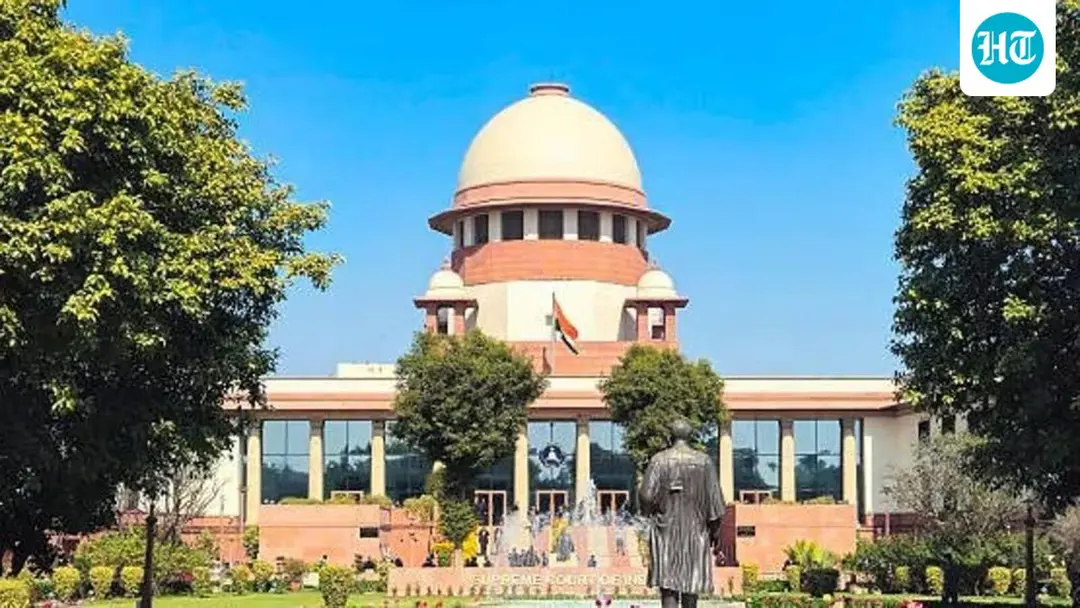
Supreme Court declines to interfere with Ramakrishna prosecution sanction
The Supreme Court on Tuesday refused to interfere with the sanction to prosecute former National Stock Exchange managing director and CEO Chitra Ramakrishna under the Prevention of Corruption Act in the NSE co-location case. A bench of justices JB Pardiwala and K Vinod Chandran said she could raise before the trial court whether she performed a "public duty" and could be treated as a public servant. The CBI alleges certain brokers got preferential server access between 2010 and 2014.
Source
Hindustan Times — India · read the original report ↗
Desk check · compared with the source
What the desk checked (5)
- Supreme Court refused to interfere with the sanction to prosecute Chitra Ramakrishna under the PC Act. — Attributed in source to a bench of justices JB Pardiwala and K Vinod Chandran; no order copy cited.
- Delhi High Court held in July that NSE performs a public duty. — Attributed to the high court order described in the source.
- CBI alleges certain brokers got preferential access to NSE servers between 2010 and 2014. — Allegation attributed to CBI chargesheet; unproven, dates appear in source.
- CBI registered the case in 2018 after a SEBI probe and filed a chargesheet in 2022. — Chronology stated in source without document citation; internally consistent.
- Ramakrishna allegedly appointed Anand Subramanian and raised his pay without the nomination and remuneration committee's approval. — Allegation attributed to CBI chargesheet; not adjudicated.
Analysts’ view opinion
ఇది న్యాయపరమైన ఉత్తర్వు అయినా, దాని రాజకీయ సందేశం స్పష్టం: మార్కెట్ మౌలిక సదుపాయాలను నడిపే ప్రైవేటు రంగ అధిపతులు కూడా అవినీతి నిరోధక చట్టం పరిధిలోకి రావచ్చనే ప్రశ్నను కోర్టు తెరిచి ఉంచింది. ప్రాసిక్యూషన్ అనుమతిలో జోక్యం చేసుకోకపోవడం ద్వారా సుప్రీంకోర్టు కేంద్రం, సీబీఐ వాదనకు తక్షణ ఊపు ఇచ్చింది — అదే సమయంలో "ప్రజా విధి" అంశాన్ని విచారణ కోర్టుకు వదిలేయడం ద్వారా తుది తీర్పును ఇవ్వకుండా జాగ్రత్త పడింది. అంటే ఇది ప్రభుత్వానికి ప్రక్రియాత్మక విజయం, చిత్రా రామకృష్ణకు వెనుకంజ — కానీ ఇరువైపులా కేసు ఇంకా ముగియలేదు.
- కేంద్రం, సీబీఐ వాదన నిలిచింది — ఆర్థిక మార్కెట్ సంస్థల అధిపతులపై కఠిన చర్యలు తీసుకుంటున్నామనే సందేశాన్ని ప్రభుత్వం ఈ ఉత్తర్వుతో బలపరచుకోగలదు.
- కథనంలో పేర్కొన్న ఆరోపణల కాలం 2010-2014 — అంటే గత ప్రభుత్వ హయాంకు సంబంధించిన కాలం కావడం రాజకీయ ప్రస్తావనలకు ఆస్కారం ఇస్తుంది, అయితే ఈ కేసులో ఎవరైనా రాజకీయ నేతపై ఆరోపణలు ఉన్నట్టు కథనం చెప్పలేదు.
- ఎన్ఎస్ఈ బోర్డు ఒకవైపు తమ ఉద్యోగులు 'ప్రభుత్వ ఉద్యోగులు' కారని చెబుతూనే మరోవైపు ప్రాసిక్యూషన్కు అనుమతి ఇచ్చిందన్న వాదన కార్పొరేట్ పాలన విశ్వసనీయతపై ఇబ్బందికర ప్రశ్నలు లేవనెత్తుతుంది.
- 'ప్రజా విధి' నిర్వచనం విస్తృతమైతే, భవిష్యత్తులో ప్రైవేటు రంగ నియంత్రిత సంస్థల సీఈఓలపై అవినీతి కేసుల ముప్పు పెరుగుతుందన్న ఆందోళన కార్పొరేట్ వర్గాల్లో వ్యక్తమయ్యే అవకాశం ఉంది.
- రామకృష్ణ పక్షాన కూడా ఒక బలమైన అంశం మిగిలింది — ఆమె రోజువారీ నిర్వహణలో నిజంగా ఎంత బాధ్యురాలో సాక్ష్యాధారాలతో నిరూపించాలని హైకోర్టే చెప్పింది.
What to watch — విచారణ కోర్టులో "ప్రజా విధి" ప్రశ్నపై వాదనలు ఎలా సాగుతాయి, ఈ నిర్వచనాన్ని ఇతర ప్రైవేటు నియంత్రిత సంస్థలకూ విస్తరించే ప్రయత్నం జరుగుతుందా అన్నది కీలకం.
ఈ ఉత్తర్వు రామకృష్ణ దోషి అని ఏమాత్రం నిర్ధారించలేదు; ప్రాసిక్యూషన్ కొనసాగవచ్చనే ప్రక్రియాత్మక అంశం మాత్రమే తేల్చింది, ఆరోపణల నిజానిజాలు, ఆమె ప్రభుత్వ ఉద్యోగిగా పరిగణించదగ్గ వ్యక్తా కాదా అనేవి ఇంకా తేలాల్సి ఉంది.
Deep dive
Research brief · 8 facts · 7 dates · exam-readyThe brief
Context
The NSE co-location case concerns allegations that some brokers, by placing their servers on the National Stock Exchange's premises, got faster or preferential access to the exchange's trading systems between 2010 and 2014. The CBI chargesheeted former NSE managing director and CEO Chitra Ramakrishna and former chief strategic adviser Anand Subramanian in 2022 under the Prevention of Corruption Act and the Indian Penal Code. A central legal question has been whether Ramakrishna, as head of a private stock exchange, was performing a "public duty" and therefore a "public servant" under the PC Act. The Delhi High Court in July upheld the sanction granted by the NSE board for her prosecution, and the Supreme Court has now declined to interfere with it.
Key facts
- The Supreme Court on Tuesday refused to interfere with the sanction to prosecute former NSE MD and CEO Chitra Ramakrishna under the Prevention of Corruption Act in the NSE co-location case.
- The bench of Justices JB Pardiwala and K Vinod Chandran disposed of her challenge, allowing her to raise before the trial court whether she performed a "public duty" and could be treated as a public servant.
- The CBI alleges certain brokers were given preferential access to NSE servers between 2010 and 2014.
- The Delhi High Court held in July that the NSE performs a public duty because of its vital role in the economy and financial markets, and rejected her plea to quash the sanction.
- The co-location controversy surfaced in 2015 after a whistleblower alleged some NSE members got early access to the trading system because their servers were on exchange premises.
- SEBI probed the matter, following which the CBI registered a case in 2018 and filed its chargesheet in 2022 against Ramakrishna and Subramanian under the PC Act and IPC.
- The CBI alleges Ramakrishna abused her position in appointing Anand Subramanian as chief strategic adviser to the MD and repeatedly increased his remuneration without approval of the NSE's nomination and remuneration committee.
- The High Court rejected the argument that the definitions of "public servant" and "public duty" were vague and violated Articles 14 and 21 of the Constitution.
Timeline
- 2010-2014Period during which the CBI alleges certain brokers obtained preferential access to NSE servers.
- 2015Co-location controversy surfaces after a whistleblower alleges early access to the NSE trading system for members with servers on exchange premises.
- After the whistleblower complaintSEBI probes the matter.
- 2018CBI registers a case following the SEBI probe.
- 2022CBI files chargesheet against Chitra Ramakrishna and Anand Subramanian under the PC Act and IPC.
- July (year not stated in the source)Delhi High Court upholds the NSE board's sanction, holding the NSE performs a public duty.
- Tuesday (date not stated in the source)Supreme Court declines to interfere with the sanction, leaving the public duty question to the trial court.
Who has a stake
- Chitra Ramakrishna, former NSE MD and CEO — Faces trial under the PC Act; can still argue before the trial court that she was not performing a public duty or a public servant.
- Central Bureau of Investigation — Prosecuting agency; argued the key question is whether she performed a public duty, not whether the NSE is a public authority.
- National Stock Exchange and its board — The board granted sanction for prosecution though it had earlier maintained the exchange and its employees were not public servants under the PC Act.
- Union government (the Centre) — Opposed her challenge, arguing her role had a significant bearing on public interest and financial markets, amounting to public duty.
- SEBI — Market regulator that probed the co-location allegations before the CBI registered its case in 2018.
- Anand Subramanian — Co-accused in the 2022 CBI chargesheet over his appointment as chief strategic adviser and his remuneration.
- Brokers and market participants — Allegedly unequal server access affects fairness of trading and investor confidence in market infrastructure.
Why it matters
The rulings keep alive the position that senior officials of a privately run stock exchange can be treated as performing a "public duty" and be prosecuted under anti-corruption law, given the exchange's role in the economy. That widens accountability for market infrastructure institutions beyond regulatory penalties to criminal liability. At the same time, the Supreme Court has left the core question of Ramakrishna's status to be tested on evidence at trial.
UPSC angle
Prelims pointers
- NSE co-location case: CBI alleges preferential broker access to NSE servers between 2010 and 2014.
- Supreme Court bench: Justices JB Pardiwala and K Vinod Chandran.
- Prevention of Corruption Act turns on the definitions of "public servant" and "public duty".
- Whistleblower allegation surfaced in 2015; SEBI probe followed; CBI registered case in 2018; chargesheet in 2022.
- Delhi High Court (July) held NSE performs a public duty due to its vital role in the economy and financial markets.
- Articles 14 and 21 were invoked to claim the definitions were vague; the High Court rejected this.
Mains framing
The NSE co-location matter tests how far anti-corruption law reaches into privately managed but systemically vital market infrastructure. The CBI's case is that between 2010 and 2014 certain brokers obtained preferential access to NSE servers, and that the then MD and CEO facilitated a manipulable system and arbitrarily appointed and repeatedly raised the remuneration of a chief strategic adviser without the nomination and remuneration committee's approval. Ramakrishna's defence was structural: her duties were confined to business and corporate governance, the NSE board itself had said the exchange and its employees were not public servants, and only shareholders, not the board, could remove her, making the sanction unsustainable. The Centre countered that her role bore significantly on public interest and financial markets; the CBI framed the test as whether she discharged a "public duty" rather than whether the NSE is a public authority. The Delhi High Court accepted the public duty view and left factual questions about her control over day-to-day functioning to evidence; the Supreme Court declined to interfere while preserving her right to argue the point at trial. The way forward lies in clear judicial articulation of when private financial institutions' officers attract PC Act liability, alongside stronger internal governance in exchanges over server access and executive appointments.
Key terms
- Co-location
- Practice of placing a broker's servers on the exchange's premises for faster connectivity to the trading system.
- Prevention of Corruption (PC) Act
- Anti-corruption law under which persons who are "public servants" performing a "public duty" can be prosecuted.
- Sanction for prosecution
- Approval required from the competent authority before a public servant can be prosecuted; here granted by the NSE board.
- Public duty
- Statutory concept under the PC Act; a duty in which the State, public or community at large has an interest.
- SEBI
- Securities and Exchange Board of India, the market regulator that probed the co-location allegations before the CBI case.
- Nomination and remuneration committee
- Board committee whose approval for Subramanian's pay increases was allegedly bypassed, per the CBI chargesheet.
Practice questions
- Should senior executives of privately managed stock exchanges be treated as "public servants" under the Prevention of Corruption Act? Discuss with reference to the NSE co-location case.
- Examine the governance failures highlighted by the NSE co-location controversy and the role of SEBI and exchange boards in preventing such lapses.
- "The impossibility of an exhaustive definition does not make a statutory provision vague or unconstitutional." Critically evaluate this reasoning in light of challenges under Articles 14 and 21.
Grounded only in the source report — figures and dates are the source's, not inferred.