
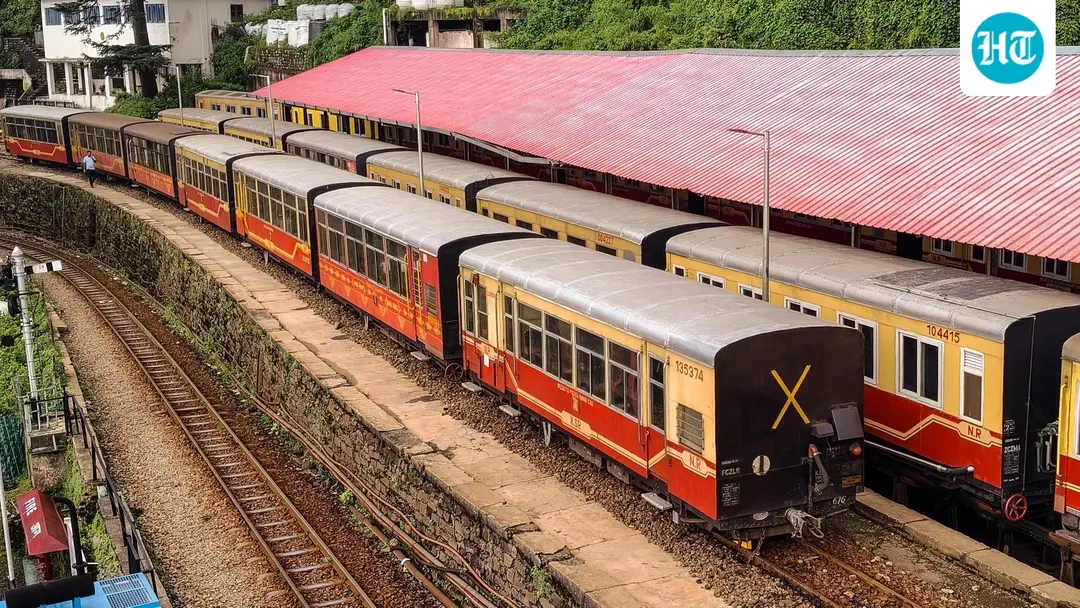
'Get on a train': Australian envoy on experiencing India
Australian High Commissioner to India Philip Green said rail travel is the best way to experience the country's diversity. He told ANI his prime minister advises, "if you want to know about India, get on a train." Green recalled travelling by train and bus from Kolkata to Jaisalmer about 40 years ago, holding many conversations, mostly about cricket. He called chai in earthen cups a profound experience, praised the modernised network and Vande Bharat trains, and said older trains still offer cultural immersion.
Source
Hindustan Times — India · read the original report ↗
Desk check · compared with the source
What the desk checked (4)
- Green quoted his prime minister: "if you want to know about India, get on a train." — Direct quote attributed to Green via ANI; PM unnamed in source.
- Green travelled by train and bus from Kolkata to Jaisalmer about 40 years ago. — Personal recollection attributed to Green; approximate time frame as given.
- Green recently travelled by train to Chandigarh and has ridden Vande Bharat. — Attributed to Green; no dates in source.
- The remarks underline India-Australia people-to-people ties. — Interpretation attributed to news agency ANI, not to Green.
Analysts’ view opinion
ఇది పైకి ఒక సాధారణ, హృద్యమైన ప్రయాణ కథనంలా కనిపించినా, దౌత్యపరంగా ఇది జాగ్రత్తగా ఎంచుకున్న సాఫ్ట్ పవర్ సందేశం. భారత్-ఆస్ట్రేలియా సంబంధాలలో ప్రజల-మధ్య అనుబంధాన్ని (people-to-people ties) ముందుకు తెచ్చే ఈ రకమైన వ్యాఖ్యలు, రాజకీయంగా ఎవరికీ నష్టం కలిగించని, కానీ రెండు ప్రభుత్వాలకూ లాభం చేకూర్చే తక్కువ ఖర్చు, ఎక్కువ ఫలితం ఇచ్చే దౌత్యం. వందే భారత్ను ప్రత్యేకంగా ప్రస్తావించడం భారత ప్రభుత్వ ఆధునికీకరణ కథనానికి బాహ్య ధ్రువీకరణగా ఉపయోగపడే అవకాశం ఉంది.
- రాయబారి తన దేశ ప్రధాని సలహాను ఉటంకించడం ద్వారా ఈ సందేశానికి వ్యక్తిగత అభిప్రాయం స్థాయిని దాటి అధికారిక టోన్ వచ్చింది.
- "రైల్వే నెట్వర్క్ ఆధునికీకరించబడింది", "వందే భారత్ నచ్చింది" అనే మాటలు అధికార పక్షానికి ప్రచార పరంగా ఉపయోగపడే అవకాశం ఉంది — విదేశీ దౌత్యవేత్త ప్రశంస అనేది స్వదేశీ వాదన కంటే బలంగా పనిచేస్తుంది.
- అదే సమయంలో పాత రైళ్లనూ ఆయన మెచ్చుకోవడం సమతుల్యతను చూపుతుంది; అందువల్ల దీన్ని ఏ ఒక్క పార్టీ పూర్తిగా తన ఖాతాలో వేసుకోవడం కష్టం.
- క్రికెట్, చాయ్, ఆతిథ్యం వంటి ప్రస్తావనలు రాజకీయ వివాదాలను తప్పించి, భాగస్వామ్యాన్ని సాంస్కృతిక పునాదిపై నిలబెట్టే సురక్షితమైన దౌత్య వ్యూహం.
- వ్యూహాత్మక, వాణిజ్య చర్చలు కఠినంగా ఉన్నప్పుడు కూడా ఇలాంటి సాంస్కృతిక సంభాషణ ద్వైపాక్షిక సంబంధాలకు సానుకూల వాతావరణాన్ని కాపాడటానికి తోడ్పడుతుంది.
What to watch — ఈ వ్యాఖ్యలను అధికార పక్ష నేతలు రైల్వే ఆధునికీకరణ ప్రచారంలో ఉపయోగిస్తారా, అందుకు ప్రతిపక్షాలు రైల్వే భద్రత లేదా ఛార్జీల ప్రశ్నలతో ఎదురు దాడి చేస్తాయా అనేది గమనించాల్సిన అంశం.
ఈ కథనం ఏ విధమైన విధాన నిర్ణయం, ఒప్పందం లేదా ప్రభుత్వ స్థాయి రాజకీయ చర్యను నిర్ధారించదు; రైల్వే వ్యవస్థ పనితీరుపై స్వతంత్ర మూల్యాంకనం కూడా ఇందులో లేదు.
Deep dive
Research brief · 8 facts · 3 dates · exam-readyThe brief
Context
Australian High Commissioner to India Philip Green, in remarks to news agency ANI, described rail travel as the best way to understand India's diversity, citing advice from Australia's Prime Minister that "if you want to know about India, get on a train." He recalled travelling by train and bus from Kolkata to Jaisalmer around 40 years ago, and a recent train journey to Chandigarh. His comments touch on India's vast rail network as a space of cultural immersion, and, as ANI noted, on the people-to-people dimension of India-Australia ties.
Key facts
- Australian High Commissioner to India Philip Green told ANI that rail travel is the ultimate way to experience India's diversity.
- Green quoted Australia's Prime Minister: "My prime minister says if you want to know about India, get on a train."
- About 40 years ago, as a younger man, Green travelled by train and bus from Kolkata to Jaisalmer.
- He said he had many conversations during those journeys, "mostly about cricket", and Indian families often offered him food.
- Green called chai served in small earthen cups "one of my profound experiences of India", including on his recent train from Chandigarh.
- He said the rail network has changed and modernised, and that he has travelled on the Vande Bharat: "I love that train."
- Green added that even old trains remain a way to experience India and get deep into its culture.
- ANI noted the remarks underline the strong people-to-people dimension of India-Australia ties.
Timeline
- About 40 years agoGreen, then younger, travelled by train and bus from Kolkata to Jaisalmer, meeting many people and discussing cricket.
- Recently ("the other day")Green travelled by train from Chandigarh and enjoyed chai in earthen cups on board.
- Not dated in the sourceGreen travelled on a Vande Bharat train and praised the modernised rail network.
Who has a stake
- Philip Green, Australian High Commissioner to India — Frames rail travel as a diplomatic and cultural bridge for understanding India.
- Prime Minister of Australia (unnamed in the source) — Quoted as advising that knowing India means getting on a train.
- Indian Railways — Its network, modernisation and Vande Bharat services receive international praise as a cultural experience.
- Foreign tourists and visitors to India — Rail journeys offered as an authentic, low-cost route to cultural immersion.
- India-Australia bilateral relationship — People-to-people links highlighted as a strand of ties, per ANI.
- Indian families and fellow passengers — Their hospitality — food, conversation, chai — forms the substance of the visitor experience described.
Why it matters
A foreign envoy publicly framing Indian Railways as the country's best cultural window links infrastructure to soft power and tourism promotion. It also spotlights people-to-people contact as a working strand of India-Australia relations, alongside formal diplomacy. The remarks come as India projects rail modernisation, including Vande Bharat services, as a marker of development.
UPSC angle
Prelims pointers
- Philip Green is Australia's High Commissioner to India (as stated in the source).
- Vande Bharat trains were cited by Green as evidence of India's modernised rail network.
- Green's early journey route: Kolkata to Jaisalmer, by train and bus, about 40 years ago.
- The remarks were made to news agency ANI, which linked them to India-Australia people-to-people ties.
- Green described chai in small earthen cups as one of his most profound experiences of India.
Mains framing
India's railways are simultaneously a mass transport utility, a development symbol and, as the Australian High Commissioner's remarks suggest, an instrument of soft power: platforms, coaches and shared chai create unmediated encounters between visitors and ordinary Indians that formal diplomacy cannot manufacture. Green's contrast between the modernised network he praises — including Vande Bharat services — and the older trains that he says still offer deeper cultural immersion points to a genuine tension in transport policy: speed, comfort and premiumisation on one side, and the slower, socially mixed journey that generates the very experience being celebrated on the other. The implication is that rail modernisation and cultural tourism need not be traded off if upgraded services retain accessibility, regional spread and connections to heritage circuits and smaller towns, while safety, punctuality and cleanliness improve across all classes. For bilateral relations, such statements matter because people-to-people contact — students, tourists, diaspora, and shared enthusiasms like cricket, which Green himself highlights — supplies durability to ties that otherwise rest on trade and strategic convergence. The way forward lies in treating rail experience as part of India's tourism and public-diplomacy offering, with better information, ticketing and last-mile links for foreign travellers, without diluting the network's core mandate of affordable mass mobility.
Key terms
- High Commissioner
- The title for an ambassador exchanged between Commonwealth countries; Philip Green holds this post for Australia in India.
- Vande Bharat
- India's modern semi-high-speed train service, cited by Green as proof the rail network has modernised.
- People-to-people ties
- Non-governmental contacts — travel, culture, sport, families — that ANI said the envoy's remarks underline in India-Australia relations.
- ANI
- Asian News International, the news agency to which Green gave the remarks reported in the story.
- Cultural immersion
- Direct, everyday exposure to a society's life; here, conversations, hospitality and chai on Indian trains.
Practice questions
- Discuss how public transport networks such as Indian Railways can function as instruments of soft power and cultural diplomacy.
- Rail modernisation and cultural tourism are often seen as competing goals. Examine this tension with reference to India's changing rail network.
- How important are people-to-people links, relative to trade and strategic cooperation, in sustaining India-Australia relations?
Grounded only in the source report — figures and dates are the source's, not inferred.