
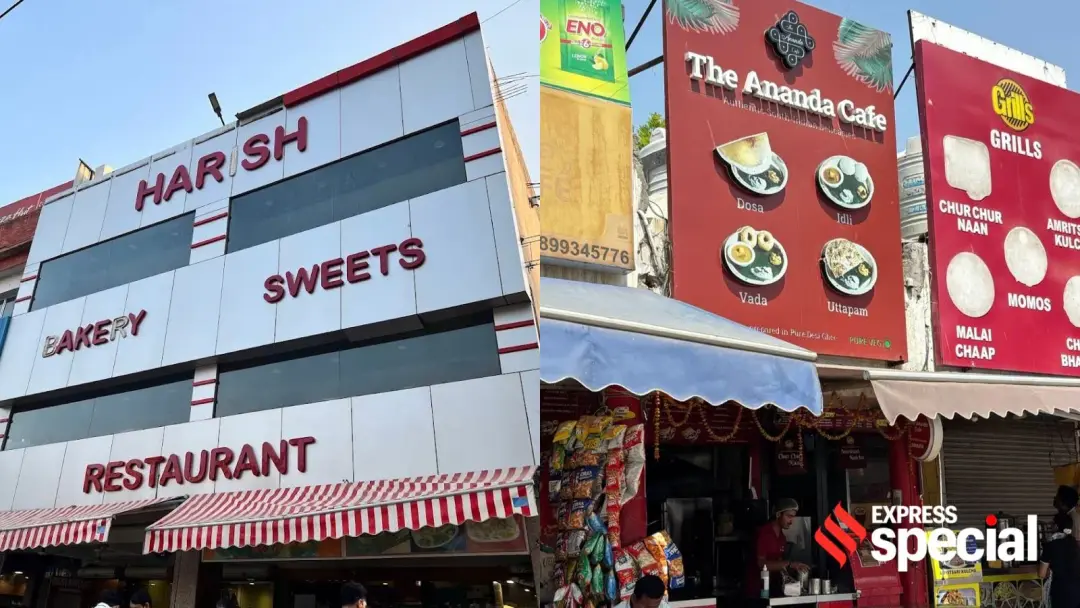
Zomato inspects Gurgaon restaurants after analogue paneer ban
Zomato has been conducting physical inspections at partner restaurants in Gurgaon for the past week after banning analogue dairy dishes from its platform, tightening vendor audits and supply-chain scrutiny. Under the zero-tolerance policy announced on August 31, dishes declared as containing dairy substitutes were delisted, with non-compliant outlets warned of complete delisting. The Haryana government has banned analogue paneer for a year. Traders said wholesale paneer rates have crossed Rs 330 per kg, with one outlet paying up to Rs 380.
Source
Indian Express — Cities · read the original report ↗
Desk check · compared with the source
What the desk checked (5)
- Zomato has been physically inspecting Gurgaon restaurants for a week after banning analogue dairy dishes. — Attributed to The Indian Express's own reporting and confirmed by named staff at Harish Bakery, Sector 56.
- Zomato announced a zero-tolerance policy on analogue dairy on August 31 and delisted declared items. — Attributed to Zomato's announcement; CEO Aditya Mangla quoted in a statement.
- The Haryana government has banned analogue paneer for one year. — Stated in source without naming a specific order or official; no direct attribution given.
- Wholesale paneer rates have risen to Rs 380/kg for one outlet and over Rs 330/kg per a Gurgaon vendor. — Figures appear in source, attributed to Vivek Thacker and an anonymous vendor respectively; not independently verified.
- A Noida-based dairy supplier shut his business after the regional ban due to customer suspicion. — Attributed to named supplier Harsh Gadariya; single-source account.
Analysts’ view opinion
ఇది ప్రధానంగా ఖర్చుల పునర్విభజన కథ. అనలాగ్ పనీర్ నిషేధం, జొమాటో జీరో-టాలరెన్స్ విధానం కలిసి చౌక ప్రత్యామ్నాయాల ద్వారా ధరలు తగ్గించి పోటీపడే మార్గాన్ని మూసేస్తున్నాయి — దీనితో నిబంధనలు పాటించే బ్రాండ్లకు "లెవెల్ ప్లేయింగ్ ఫీల్డ్" లభిస్తుంది, కానీ సహజ పనీర్ డిమాండ్ ఒక్కసారిగా పెరగడంతో హోల్సేల్ ధరలు (కథనం ప్రకారం కిలో రూ.330 దాటి, ఒక చోట రూ.380 వరకు) పైకి కదులుతున్నాయి. ఈ అదనపు ఖర్చు చివరికి మెనూ ధరల రూపంలో వినియోగదారుడికే బదిలీ అవుతుంది; నష్టపోతున్నది ప్యాకేజింగ్, ధ్రువీకరణ లేని చిన్న సరఫరాదారులు.
- ముడిసరుకు వ్యయం పెరుగుదల నిజం — వ్యాపారులే హోల్సేల్ రేట్లు రూ.330 దాటాయని, ఒక అవుట్లెట్ రూ.380 చెల్లిస్తోందని చెబుతున్నారు; ఇది తక్కువ మార్జిన్లో నడిచే పనీర్ ఆధారిత వంటకాలపై నేరుగా ఒత్తిడి పెడుతుంది.
- ధరల బదిలీ ఇప్పటికే మొదలైంది — ఒక యజమాని ముందే ధరలు పెంచామని, మరొకరు రూ.10-20 అదనంగా వసూలు చేస్తామని చెప్పడం, భారం వినియోగదారుడి వైపు జరుగుతున్నదని సూచిస్తుంది.
- లాభపడేవారు: ధ్రువీకృత, FSSAI-రిజిస్టర్డ్ సరఫరా గొలుసు ఉన్న సంఘటిత రెస్టారెంట్లు మరియు వ్యవస్థీకృత డెయిరీలు — ఇప్పుడు చౌక ప్రత్యామ్నాయాలతో అండర్కటింగ్ చేసే పోటీ తగ్గుతుంది.
- నష్టపోయేవారు: ప్యాకేజింగ్/లేబుల్ లేని చిన్న అసంఘటిత సరఫరాదారులు — ఒక నోయిడా వ్యాపారి సహజ పనీర్ అమ్ముతున్నా అనుమానం వల్ల అమ్మకాలు పడిపోయి దుకాణం మూసేశారని చెప్పడం, నియంత్రణ భయం మార్కెట్ను ఏకీకృతం చేసే (formalisation) ప్రభావాన్ని చూపుతుంది.
- అమలు వ్యయం ఇంకా అస్పష్టం — తనిఖీలు, వెండర్ ఆడిట్లు, ఇన్వాయిస్ ధ్రువీకరణ అన్నీ స్థానిక/రెస్టారెంట్ స్థాయిలోనే జరుగుతున్నాయని కథనం చెబుతోంది, అంటే కంప్లయన్స్ భారం ఎక్కువగా చిన్న అవుట్లెట్లపైనే పడుతుంది.
What to watch — రాబోయే వారాల్లో పనీర్ హోల్సేల్ ధరలు స్థిరపడతాయా లేక మెనూ ధరల పెంపు విస్తృతమవుతుందా, డీలిస్టింగ్ల సంఖ్య ఎంత ఉంటుందో, జొమాటో మార్పిడికి ఏదైనా గడువు లేదా సహాయం ప్రకటిస్తుందా — వీటిని గమనించాలి.
ఈ కథనం ఎంత మంది రెస్టారెంట్లు వాస్తవంగా డీలిస్ట్ అయ్యాయో, ధరల పెరుగుదలలో ఎంత భాగం ఈ నిషేధం వల్ల, ఎంత భాగం సాధారణ పాల వ్యయాల వల్ల అనేదాన్ని నిర్ధారించడం లేదు; జొమాటో అమలు విధానం, గడువుపై సమాధానం ఇవ్వలేదని కూడా స్పష్టంగా ఉంది.
Deep dive
Research brief · 8 facts · 4 dates · exam-readyThe brief
Context
Food aggregator Zomato announced a zero-tolerance policy on August 31 against the sale of "analogue" or non-dairy dishes on its platform, immediately delisting dishes that restaurant partners had declared as containing dairy substitutes. For the past week its representatives have been physically inspecting partner restaurants in Gurgaon to verify kitchens are not using synthetic substitutes, while also tightening vendor audits and supply-chain scrutiny. The drive follows the Haryana government's one-year ban on analogue paneer, and viral videos of people testing paneer for adulteration. Under food safety norms, paneer made by wholly or partly replacing milk fat or milk solids with vegetable oil, vegetable fat or other non-dairy components is classified as analogue or non-dairy paneer.
Key facts
- Zomato announced a zero-tolerance policy on the sale of analogue dairy items on August 31 and immediately delisted all dishes declared by restaurant partners as containing dairy substitutes.
- Non-compliant outlets have been warned by Zomato that they face complete delisting; kitchens must switch to natural dairy or remove analogue items from menus.
- The Haryana government has banned analogue paneer for one year.
- Physical inspections by Zomato representatives have been under way at Gurgaon partner restaurants for the past week, along with tighter vendor audits and supply-chain scrutiny.
- A Gurgaon-based vendor said wholesale rates of regular paneer have been raised to over Rs 330 per kg as input costs rose.
- Vivek Thacker, owner of the Civil Line Wala chole bhature outlet in Sector 15, said he pays up to Rs 380 per kg wholesale for fresh paneer.
- Under food safety norms, any product replacing milk fat or milk solids wholly or partly with vegetable oil, vegetable fat or other non-dairy components is classified as analogue paneer.
- Harsh Gadariya, a Noida-based dairy supplier to NCR clients, said he shut his business after the regional ban as customers grew suspicious of unpackaged paneer.
Timeline
- Last month (as stated in the source)Ban on analogue paneer across the region takes effect; Haryana bans analogue paneer for one year.
- August 31Zomato announces zero-tolerance policy on analogue dairy items and delists all dishes declared as containing dairy substitutes.
- Past week (before publication)Zomato representatives conduct physical inspections at partner restaurants across Gurgaon, including Harish Bakery in Sector 56.
- OngoingRestaurants tighten internal vendor checks; wholesale paneer prices rise past Rs 330/kg; some smaller suppliers shut shop.
Who has a stake
- Zomato / CEO Aditya Mangla — Platform trust and customer health; enforcing the zero-tolerance policy through inspections, vendor audits and threat of delisting.
- Partner restaurants in Gurgaon (Harish Bakery, Grills, Ananda Cafe, Khadak Singh Da Dhaba, Civil Line Wala) — Risk of delisting, higher paneer procurement costs, and the need to prove sourcing from certified dairies.
- Haryana government — Enforcement of its one-year ban on analogue paneer and food safety compliance in the state.
- FSSAI — Standards defining analogue paneer and registration of dairy vendors that restaurants cite as proof of compliance.
- Small dairy suppliers in Delhi-NCR — Loss of business and closures as buyers turn suspicious of unpackaged paneer; fear of legal action over allegations.
- Consumers — Assurance that dishes billed as dairy contain natural paneer, but exposure to higher menu prices.
Why it matters
Paneer is a staple protein in Indian restaurant menus, and substituting it with vegetable-fat analogues lets some outlets undercut competitors while consumers pay for dairy they do not get. Platform-level enforcement by an aggregator, backed by a state ban, shows how private compliance drives can reshape restaurant supply chains faster than routine regulation. But the crackdown also carries costs: wholesale paneer above Rs 330 per kg, higher menu prices, and small unbranded suppliers shutting down amid public suspicion.
UPSC angle
Prelims pointers
- Analogue paneer: product where milk fat or milk solids are wholly or partly replaced by vegetable oil, vegetable fat or other non-dairy components.
- Haryana has banned analogue paneer for one year.
- Zomato's zero-tolerance policy on analogue dairy items was announced on August 31; CEO is Aditya Mangla.
- FSSAI (Food Safety and Standards Authority of India) registration is cited by restaurants as proof of vendor compliance.
- Wholesale paneer rates in Gurgaon crossed Rs 330/kg, with one outlet paying up to Rs 380/kg.
Mains framing
The Gurgaon inspections illustrate how food-safety enforcement in India increasingly runs through private intermediaries. Triggered by viral testing videos, a state-level ban and a platform's zero-tolerance policy, restaurants are now revisiting vendor supply chains, verifying invoices and sourcing only from FSSAI-registered dairies. The underlying cause is a cost incentive: as one restaurateur put it, competitors were "undercutting us by using analogue paneer," so a ban restores a level playing field. Implications cut both ways. Consumers gain assurance about what they are billed for, but paneer procurement costs have risen sharply (over Rs 330/kg wholesale, up to Rs 380 in one case), feeding into menu prices; and small, unpackaged-supply dairy vendors are shutting down because buyer suspicion falls on all loose paneer, not only adulterated stock. Enforcement also remains decentralised, happening, in one operator's words, "at a local/restaurant level only than in a centralised way," and Zomato did not answer questions on how compliance would be verified or whether transition support and timelines exist. A durable way forward would combine clear labelling of analogue products where legally permitted, testable verification standards, support for small suppliers to move to certified packaged supply, and transparency from aggregators on audit methods, so that food safety is achieved without wiping out legitimate small vendors.
Key terms
- Analogue paneer
- Paneer-like product in which milk fat or milk solids are wholly or partly replaced by vegetable oil, vegetable fat or other non-dairy components.
- Zero-tolerance policy (Zomato)
- Zomato's August 31 rule delisting dishes declared as containing dairy substitutes, with complete delisting for non-compliant outlets.
- FSSAI
- Food Safety and Standards Authority of India; the regulator whose registration restaurants cite for their dairy vendors.
- Vendor audit / supply-chain scrutiny
- Checks on suppliers, invoices, packaging and ingredient declarations to confirm that only natural dairy is being sourced.
- Delisting
- Removal of a dish or an entire restaurant from the aggregator's platform for non-compliance with its policy.
Practice questions
- Private platforms are emerging as de facto food-safety enforcers in India. Discuss with reference to the aggregator-led crackdown on analogue dairy products.
- How do bans on adulterated or substitute food products affect small and informal suppliers? Suggest measures to ensure compliance without destroying their livelihoods.
- What is analogue paneer under food safety norms, and what regulatory and market factors explain its spread in the restaurant trade?
Grounded only in the source report — figures and dates are the source's, not inferred.