
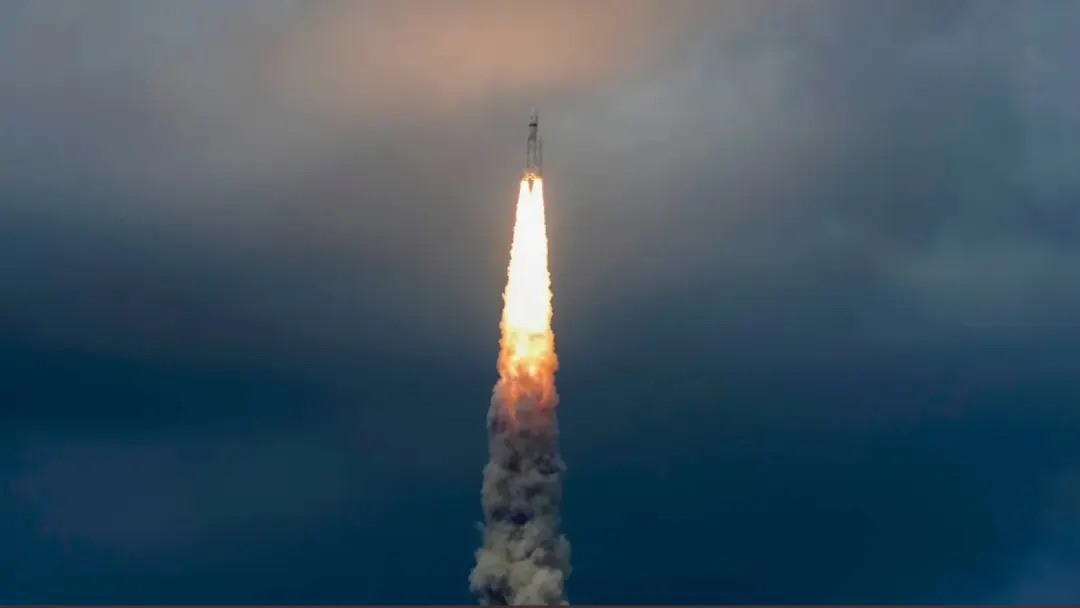
Chandrayaan-1 data helps identify possibly oldest lunar impact basin
Scientists at the Physical Research Laboratory (PRL), Ahmedabad, have identified the hidden Australe Basin in the moon's southeastern hemisphere using mineralogical data from Chandrayaan-1. The study, published in The Planetary Science Journal, says the basin could be older than the South Pole Aitken Basin, formed over 4 billion years ago. The mineralogy was mapped using NASA's Moon Mineralogy Mapper. Scientists believe the moon has about 300 impact basins, of which only 74 have been detected so far.
Source
Indian Express — India · read the original report ↗
Desk check · compared with the source
What the desk checked (5)
- PRL Ahmedabad researchers identified the Australe Basin, a hidden impact basin in the moon's southeastern hemisphere, using Chandrayaan-1 mineralogical data. — Attributed to a study published in The Planetary Science Journal; figures and details appear in source.
- The basin could be older than the South Pole Aitken Basin, formed over 4 billion years ago. — Stated in source as the opinion of PRL scientists, not a confirmed finding.
- About 300 impact basins are believed to exist on the moon, of which only 74 have been detected. — Figures appear in source, attributed generally to scientists without a named citation.
- Mineralogy was detected using NASA's Moon Mineralogy Mapper, operating between 405 and 3000 nanometres; Chandrayaan-1 carried 11 payloads, six from international agencies. — Specific figures appear in the source text; no independent verification possible.
- Australe Basin lies in a province with 248 small basalt ponds in a circular pattern, with low-calcium, high-magnesium basalts. — Attributed to lead author Neha Panwar and the study.
Analysts’ view opinion
ఇది కొత్త మిషన్ కథ కాదు — పాత డేటా నుంచి కొత్త విలువ తీసే కథ. 2008-09 నాటి చంద్రయాన్-1 (అందులోనూ నాసా మూన్ మినరాలజీ మ్యాపర్) సేకరించిన స్పెక్ట్రల్ సమాచారాన్ని పీఆర్ఎల్ శాస్త్రవేత్తలు ఇప్పుడు తిరిగి విశ్లేషించి, ఇమేజింగ్ పద్ధతులకు కనిపించని ఆస్ట్రేల్ బేసిన్ను గుర్తించారు. అంటే అంతరిక్ష పరిశోధనలో ఆధిక్యం ఇకపై కేవలం ఎక్కువ ప్రయోగాలు చేయడంలోనే కాదు, ఉన్న డేటాను దీర్ఘకాలం పాటు మళ్లీ మళ్లీ మెరుగైన విశ్లేషణ పద్ధతులతో తోడటంలోనూ ఉంటుంది.
- మార్ఫాలజీ, గ్రావిటీ సంకేతాలతో పాటు ఖనిజ సంకేతాలను కలిపి చూసే బహుళ-డేటా విధానం — దృశ్య చిత్రాలతో మాత్రమే దొరకని పురాతన, అరిగిపోయిన నిర్మాణాలను గుర్తించడానికి కీలకమవుతోంది.
- 300 బేసిన్లలో ఇప్పటివరకు 74 మాత్రమే గుర్తించారన్న అంచనా — ఇప్పటికే ఉన్న ఆర్కైవల్ డేటాలో ఎంత విశ్లేషించని అవకాశం మిగిలి ఉందో సూచిస్తోంది.
- కాల్షియం తక్కువ, మెగ్నీషియం ఎక్కువ ఉన్న ప్రత్యేక బసాల్ట్లు — భవిష్యత్ శాంపిల్ రిటర్న్ మిషన్లకు లక్ష్య ప్రాంతాల ఎంపికలో శాస్త్రీయ ప్రాధాన్యత మారే అవకాశం ఉంది.
- చంద్రయాన్-3 దిగిన శివశక్తి పాయింట్లోని మెగ్నీషియం ఆధారిత పదార్థంతో ముడిపెట్టే విశ్లేషణ — ల్యాండింగ్ సైట్ నమూనాలను విస్తృత భౌగోళిక సందర్భంలో అర్థం చేసుకోవడానికి ఒక చట్రం ఇస్తుంది.
- చంద్రయాన్-1లో 11 పేలోడ్లలో ఆరు విదేశీ సంస్థల నుంచి వచ్చినవి కావడం — ఉమ్మడి పేలోడ్ మిషన్లు దశాబ్దాల తరబడి శాస్త్రీయ ప్రతిఫలం ఇస్తాయనే వాదనకు బలం.
What to watch — నాసా ప్రతిపాదిత మూన్ బేస్, భారత్ చంద్రయాన్-4 శాంపిల్ రిటర్న్ మిషన్ల లక్ష్య ప్రాంతాల ఎంపికలో దక్షిణ ధ్రువ సమీప రెగోలిత్ గురించి ఈ రకమైన ఖనిజ మ్యాపింగ్ ఫలితాలు ఎంతవరకు ప్రభావం చూపుతాయో గమనించాలి.
ఆస్ట్రేల్ బేసిన్ సౌత్ పోల్ ఐట్కెన్ బేసిన్ కంటే పురాతనమైనదన్నది ఇంకా ఒక అంచనా మాత్రమే — దాని కచ్చితమైన వయస్సు, పరిమాణం, భవిష్యత్ మిషన్ ప్రణాళికల్లో దీనికి స్థానం ఉంటుందా అనే విషయాలను ఈ కథనం నిర్ధారించడం లేదు.
Deep dive
Research brief · 8 facts · 5 dates · exam-readyThe brief
Context
Impact basins are giant craters, often hundreds of kilometres wide, formed on the Moon by asteroid or meteorite strikes, and they often preserve traces of ancient volcanism. Scientists believe the Moon has about 300 such basins, but only 74 have been detected so far because older ones have eroded rims that defeat modern imaging. A team at the Physical Research Laboratory (PRL), Ahmedabad, has now confirmed a hidden basin — the Australe Basin — in the Moon's southeastern hemisphere using mineralogical data from India's Chandrayaan-1 mission, in a study published in The Planetary Science Journal. The basin may be older than the South Pole Aitken Basin, so far regarded as the Moon's largest and oldest known basin.
Key facts
- PRL, Ahmedabad scientists confirmed the hidden Australe Basin in the Moon's southeastern hemisphere; the study is published in The Planetary Science Journal.
- The Australe Basin could be older than the South Pole Aitken Basin, the largest and oldest known lunar basin, formed over 4 billion years ago.
- Scientists estimate about 300 impact basins exist on the Moon; only 74 have been detected so far.
- The basin's mineralogy was mapped using NASA's Moon Mineralogy Mapper, an imaging spectrometer operating between 405 and 3000 nanometres.
- Chandrayaan-1 carried 11 scientific payloads, six of them contributed by international agencies including NASA and the European Space Agency.
- Australe basalts are relatively lower in calcium and higher in magnesium, unlike most lunar basalts which are high in calcium, said lead author Neha Panwar.
- The Australe province has 248 small basalt ponds arranged in a circular pattern, unlike the smooth, vast hardened lava surfaces of known basins.
- The Chandrayaan-3 landing site, Shiv Shakti point, shows higher magnesium concentrations and lies about 350 km from material possibly sourced from the South Pole Aitken Basin.
Timeline
- Over 4 billion years agoSouth Pole Aitken Basin, the largest and oldest known lunar impact basin, was formed; the Australe Basin could be even older.
- Chandrayaan-1 missionIndia's lunar orbiter carried 11 payloads, including NASA's Moon Mineralogy Mapper, which gathered the mineralogical data later used in the study.
- Chandrayaan-3 missionLanding site named Shiv Shakti point found to have higher magnesium concentrations.
- Current study (date not stated in the source)PRL scientists publish confirmation of the Australe Basin in The Planetary Science Journal.
- Planned/futureNASA's proposed Moon Base mission and India's Chandrayaan-4 lunar sample return mission could use these mineralogical insights.
Who has a stake
- Physical Research Laboratory (PRL), Ahmedabad — Its team identified the Australe Basin, establishing Indian leadership in lunar geology analysis.
- Neha Panwar, planetary scientist and lead author — Reported the unique low-calcium, high-magnesium basalt mineralogy and framed its use for future landing missions.
- ISRO / Chandrayaan programme — Chandrayaan-1 data delivers new science a decade on; Chandrayaan-4 sample return can target such unique sites.
- NASA — Contributed the Moon Mineralogy Mapper to Chandrayaan-1 and plans a Moon Base mission that needs regional mineralogy.
- European Space Agency — Among international agencies that contributed six of Chandrayaan-1's 11 payloads.
- Future South Polar lunar missions — Need to understand how regolith near the South Pole evolved over billions of years, including material excavated by the Australe impact.
Why it matters
A basin possibly older than the South Pole Aitken Basin pushes back the record of the Moon's earliest violent history and adds to the small tally of 74 detected basins out of an estimated 300. Its unusual magnesium-rich, calcium-poor basalts and 248 circular basalt ponds mark it as a distinctive target for sample return. Because the region lies near the lunar South Pole, where India's Chandrayaan-4 and NASA's Moon Base ambitions are focused, the findings help interpret what future landers will actually pick up.
UPSC angle
Prelims pointers
- Australe Basin: hidden lunar impact basin in the southeastern hemisphere, confirmed using Chandrayaan-1 mineralogical data by PRL, Ahmedabad.
- South Pole Aitken Basin: largest and oldest known lunar impact basin, formed over 4 billion years ago.
- Moon Mineralogy Mapper (M3): NASA imaging spectrometer on Chandrayaan-1, operating in the 405–3000 nanometre range.
- Chandrayaan-1 carried 11 payloads, six from foreign agencies including NASA and ESA.
- Shiv Shakti point: Chandrayaan-3 landing site, found to have higher magnesium concentrations.
- Chandrayaan-4 is planned as a lunar sample return mission; key lunar minerals studied include pyroxenes, olivine and plagioclase.
Mains framing
The confirmation of the Australe Basin illustrates how legacy orbital datasets can yield first-order scientific discoveries long after a mission ends: Chandrayaan-1's Moon Mineralogy Mapper data, combined with morphology and gravity signatures, allowed PRL scientists to detect a basin whose rims had eroded beyond the reach of imaging techniques. The finding matters on three counts — chronology, since the basin may predate the South Pole Aitken Basin formed over 4 billion years ago; petrology, since its basalts are unusually low in calcium and high in magnesium and occur as 248 small ponds in a circular pattern rather than smooth lava plains; and mission planning, since material excavated by such an impact near the South Polar region may have been deposited across the poles, exactly where India's Chandrayaan-4 sample return and NASA's proposed Moon Base are headed. As the source notes, only 74 of an estimated 300 lunar basins are known, implying that systematic mineralogical mapping of eroded, "hidden" basins should be a research priority. The way forward lies in using such studies as a geological framework to interpret lander data — as with the magnesium-rich Shiv Shakti point about 350 km from possible South Pole Aitken source material — and in selecting unique mineralogical provinces as sample return targets.
Key terms
- Impact basin
- A large crater, often several hundred kilometres across with distinct outer rims, formed by asteroid or meteorite hits and often holding volcanic remnants.
- Moon Mineralogy Mapper (M3)
- NASA imaging spectrometer flown on Chandrayaan-1 to map lunar surface mineralogy, operating between 405 and 3000 nanometres.
- South Pole Aitken Basin
- The largest and oldest known lunar impact basin, formed over 4 billion years ago.
- Basalt ponds
- Small patches of solidified lava; the Australe province has 248 of them arranged in a circular pattern.
- Regolith
- The loose surface layer of lunar soil and debris whose evolution over billions of years matters for South Polar landing missions.
- Chandrayaan-4
- India's proposed lunar sample return mission, for which such mineralogical studies help identify targets.
Practice questions
- How do mineralogical datasets from orbiters like Chandrayaan-1 help detect impact basins that imaging techniques cannot resolve? Discuss with reference to the Australe Basin.
- Only 74 of an estimated 300 lunar impact basins have been detected. Examine the scientific and mission-planning significance of mapping the remaining basins for India's lunar programme.
- Evaluate how findings on magnesium-rich lunar lithologies near the South Polar region should inform target selection for sample return missions such as Chandrayaan-4.
Grounded only in the source report — figures and dates are the source's, not inferred.