
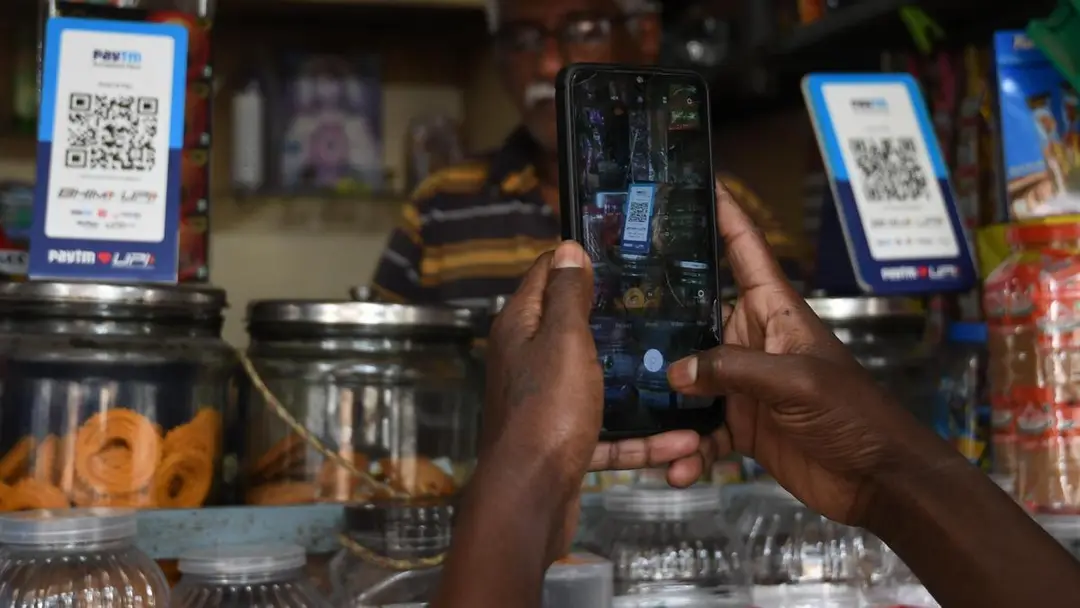
Govt bars bank charges on UPI, RuPay payments up to ₹2,000
India on Monday (September 14, 2026) notified changes in the Payment and Settlement Act, 2007, specifying that banks cannot impose charges on Unified Payments Interface (UPI) transactions of up to ₹2,000. A government gazette notification specified RuPay-powered debit cards and UPI transactions of up to ₹2,000 as electronic modes of payment. It said no bank or system provider shall impose any direct or indirect charge on a person making or receiving payments through these modes. The change altered an earlier provision barring fees on all UPI digital payments, paving the way for charges on larger transfers. A final decision on whether to introduce charges, and how they would be levied, has yet to be taken.
Source
The Hindu — Business · read the original report ↗
Desk check · compared with the source
What the desk checked (5)
- India notified changes to the Payment and Settlement Act, 2007 on Monday, September 14, 2026. — Attributed to a government gazette notification; date appears in the source.
- Banks cannot impose charges on UPI payments of up to ₹2,000. — Figure and prohibition appear in the source, citing the notification text.
- RuPay-powered debit cards and UPI transactions up to ₹2,000 are specified as electronic modes of payment. — Stated in the source as the content of the gazette notification.
- No bank or system provider shall impose any direct or indirect charge on payers or recipients using these modes. — Quoted paraphrase of the notification as reported in the source.
- The change replaces an earlier provision barring fees on all UPI payments, opening the way for charges on larger transfers, with no final decision taken. — Stated in the source without attribution to a named official.
Analysts’ view opinion
ఇది కేవలం సాంకేతిక నోటిఫికేషన్ కాదు — డిజిటల్ చెల్లింపుల ఖర్చును ఇప్పటివరకు ప్రభుత్వం, బ్యాంకులే భరిస్తున్న నమూనా నుంచి, పెద్ద లావాదేవీలు చేసేవారు కొంత భారం మోసే నమూనా వైపు తలుపు తెరిచే మార్పు. ₹2,000 లోపు లావాదేవీలకు ఛార్జీల నిషేధం కొనసాగడం వల్ల చిన్న వ్యాపారులు, రోజువారీ వినియోగదారులు — అంటే యూపీఐ వాల్యూమ్లో అత్యధిక భాగం — ఇప్పటికీ రక్షణలోనే ఉంటారు. కానీ పెద్ద మొత్తాల బదిలీలపై ఛార్జీలకు చట్టపరమైన అవకాశం ఏర్పడింది; ఆ నిర్ణయం ఇంకా జరగలేదని కథనమే స్పష్టం చేస్తోంది.
- యూపీఐ మౌలిక వ్యవస్థ నిర్వహణ ఖర్చు ఉచితం కాదు — ఇప్పటివరకు ఆ ఖర్చును బ్యాంకులు, చెల్లింపు సంస్థలు భరిస్తున్నాయి, కాబట్టి పెద్ద లావాదేవీలపై ఛార్జీల అవకాశం వారికి ఆదాయ ఉపశమనంగా చూడవచ్చు.
- లావాదేవీల సంఖ్యలో అత్యధిక భాగం చిన్న మొత్తాలవే కావడంతో, ₹2,000 పరిమితి వల్ల చిల్లర వ్యాపారం, వీధి వ్యాపారులు, రోజువారీ కొనుగోళ్లపై తక్షణ ధరల ప్రభావం పరిమితంగా ఉండే అవకాశం ఉంది.
- అయితే విలువ పరంగా చూస్తే పెద్ద బదిలీలే ఎక్కువ — వాటిపై ఛార్జీలు వస్తే మధ్యతరగతి కుటుంబాలు, ఎంఎస్ఎంఈలు, బీ2బీ చెల్లింపులపై లావాదేవీ వ్యయం పెరిగే ముప్పు ఉంది.
- ఛార్జీలు వినియోగదారుడిపైనా లేక వ్యాపారిపైనా పడతాయా అనేది కీలకం; వ్యాపారిపై పడితే అది చివరకు ధరల్లోకి బదిలీ అయ్యే అవకాశాన్ని కొట్టిపారేయలేం.
- ప్రవర్తనా ప్రమాదం ఒకటి ఉంది — ఛార్జీలు పెద్దవైతే కొందరు నగదు వైపు లేదా ఛార్జీలు తప్పించుకోడానికి లావాదేవీలను చిన్న ముక్కలుగా విభజించే వైపు మళ్లవచ్చు, అది డిజిటలైజేషన్ లక్ష్యానికి ఎదురుదెబ్బ.
What to watch — ఛార్జీలు విధించాలా, ఎంత, ఎవరిపై — ఈ తుది నిర్ణయం, అలాగే ప్రభుత్వం ఇప్పటివరకు ఇస్తున్న ప్రోత్సాహక/సబ్సిడీ మద్దతు కొనసాగుతుందా అనే స్పష్టతను గమనించాలి.
ఈ కథనం ఛార్జీలు ఖాయమని చెప్పలేదు — రేటు, పరిధి, ఎవరు భరిస్తారు, ఎప్పటి నుంచి అమలు అనే వివరాలేవీ ఇంకా నిర్ధారితం కాలేదు; కాబట్టి ఆర్థిక ప్రభావం పరిమాణాత్మకంగా అంచనా వేయడం ఇప్పుడు సాధ్యం కాదు.
Deep dive
Research brief · 8 facts · 4 dates · exam-readyThe brief
Context
India's Unified Payments Interface (UPI) has grown into the country's dominant retail digital payment channel, and until now the law barred banks and payment system providers from levying any charge on UPI-based digital payments. On September 14, 2026, the government notified changes to the Payment and Settlement Act, 2007, redefining the protected "electronic modes of payment" as RuPay-powered debit cards and UPI transactions of up to ₹2,000. By capping the zero-charge guarantee at ₹2,000, the notification narrows the earlier blanket protection and opens the door to charges on larger UPI transfers. The source states that a final decision on whether such charges will be introduced, and how, has not yet been taken.
Key facts
- India notified changes to the Payment and Settlement Act, 2007 on Monday, September 14, 2026.
- The notification specifies that banks cannot impose charges on UPI transactions of up to ₹2,000.
- A government gazette notification specified RuPay-powered debit cards and UPI transactions of up to ₹2,000 as electronic modes of payment.
- The notification says no bank or system provider shall impose any direct or indirect charge on a person making or receiving payments through these modes.
- The protection covers both the person making and the person receiving the payment.
- The change altered an earlier provision that prevented banks from charging fees on digital payments via UPI, paving the way for charges on larger transfers.
- A final decision on whether to introduce charges, and how they would be levied, has yet to be taken.
- The report was published on September 15, 2026 at 02:18 am IST.
Timeline
- 2007The Payment and Settlement Act is enacted, providing the legal framework later amended by this notification.
- Before September 14, 2026An existing provision prevented banks from charging fees on digital payments made via UPI.
- September 14, 2026 (Monday)Government notifies changes to the Payment and Settlement Act, 2007, restricting the no-charge rule to UPI transactions of up to ₹2,000 and RuPay-powered debit cards.
- As of publication (September 15, 2026)No final decision taken on whether charges will be introduced on larger transactions or how they would be levied.
Who has a stake
- Users making and receiving UPI payments — Protected from any direct or indirect charge on UPI transactions up to ₹2,000; larger transfers could attract charges in future.
- Banks — Barred from levying charges on the specified modes up to ₹2,000, but the amended provision opens the possibility of charges on larger transfers.
- System providers — Also barred from imposing any direct or indirect charge on payments through the specified electronic modes.
- Government of India — Issued the gazette notification amending the Payment and Settlement Act, 2007; still to decide on charges for larger transactions.
- RuPay debit card ecosystem — RuPay-powered debit cards are named as a protected electronic mode of payment under the notification.
Why it matters
UPI is India's most widely used digital payment route, and the legal bar on charges has been central to its mass adoption. By limiting the zero-charge guarantee to transactions of up to ₹2,000, the notification creates the legal space for charges on higher-value transfers, even though no such charge has been decided yet. For consumers and merchants, the threshold now defines where free digital payment ends in law.
UPSC angle
Prelims pointers
- Payment and Settlement Act, 2007 is the law amended by the September 14, 2026 gazette notification.
- The notification specifies RuPay-powered debit cards and UPI transactions up to ₹2,000 as 'electronic modes of payment'.
- No bank or system provider may impose any direct or indirect charge on payments through these specified modes.
- The bar on charges applies to both the payer and the payee.
- The earlier provision had barred fees on all UPI digital payments, without a value threshold.
- As on September 15, 2026, no final decision existed on charges for transactions above ₹2,000.
Mains framing
The September 14, 2026 gazette notification amending the Payment and Settlement Act, 2007 marks a shift from a blanket statutory bar on charges for UPI digital payments to a value-capped protection covering RuPay-powered debit cards and UPI transactions of up to ₹2,000. The stated legal effect is twofold: it firmly protects small-value payments, where the bulk of everyday retail and person-to-person transactions occur, while removing the statutory obstacle to charges on larger transfers. The underlying tension is between sustaining zero-cost digital payments that drove UPI's mass adoption and financial inclusion, and the costs borne by banks and system providers in running the infrastructure — a cost-recovery question the notification does not itself resolve, since the source records that no decision has been taken on whether charges will be introduced or how they would be levied. The way forward, on the evidence available, lies in the pending government decision: any charging framework would need to be transparent about who bears the cost (payer or payee, both of whom the notification currently protects up to ₹2,000), and calibrated so that the higher-value segment does not push users back towards cash or less traceable channels. Beyond the source text, no policy outcome can be assumed.
Key terms
- Unified Payments Interface (UPI)
- India's widely used digital payments interface; the notification bars charges on UPI transactions of up to ₹2,000.
- Payment and Settlement Act, 2007
- The statute governing payment systems in India, whose provisions were amended by the September 14, 2026 notification.
- RuPay-powered debit cards
- Card payment mode specified in the notification as an electronic mode of payment on which no charge may be imposed.
- Gazette notification
- Official government publication through which the change to the Payment and Settlement Act was formally notified.
- System provider
- Entity operating a payment system; like banks, it is barred from imposing direct or indirect charges on the specified modes.
- Direct or indirect charge
- Any fee levied openly or through other means on a person making or receiving payment; prohibited for the specified modes.
Practice questions
- Discuss the implications of capping the statutory bar on payment charges at ₹2,000 for UPI transactions, for users, banks and the digital payments ecosystem.
- The Payment and Settlement Act, 2007 amendment of September 2026 shifts from a blanket to a threshold-based no-charge rule. Examine the trade-off between zero-cost digital payments and cost recovery by payment infrastructure providers.
- What are 'electronic modes of payment' as specified in the September 14, 2026 gazette notification, and who is barred from levying charges on them?
Grounded only in the source report — figures and dates are the source's, not inferred.