
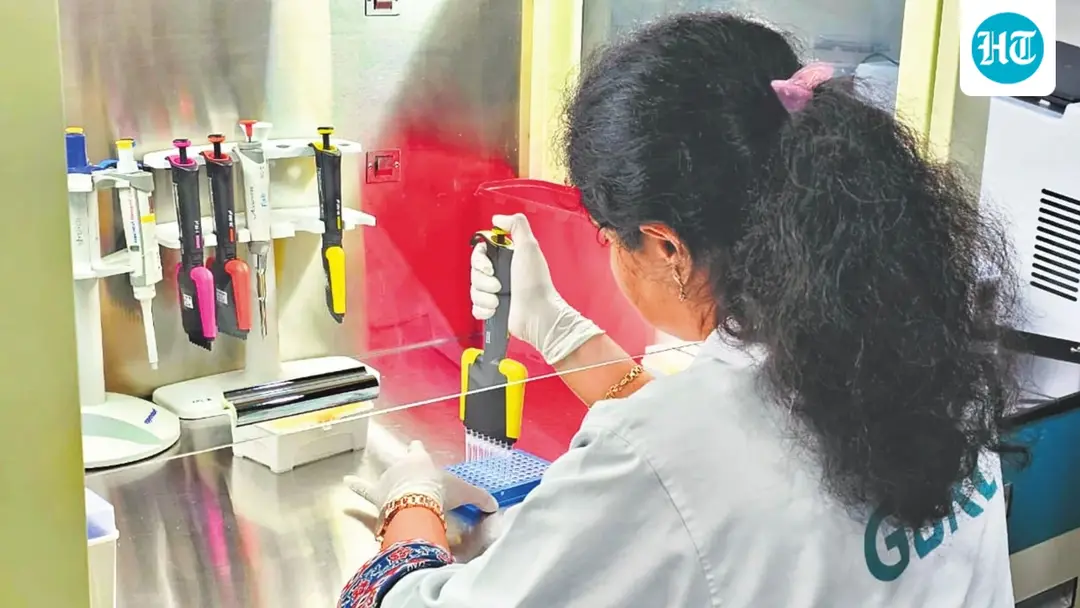
Gujarat starts athlete DNA collection under sports genomics programme
Gujarat has begun collecting DNA samples from athletes under a sports genomics programme aimed at improving performance and managing injuries. The first samples came from players affiliated with the Gujarat State Tennis Association, science and technology minister Arjun Modhwadia said. The programme has ₹26.05 crore for five years, targeting 2,000 samples this year and about 10,000 in total. A parallel tribal genome project has sequenced 100 whole genomes. Studies say genetic tests cannot reliably identify sporting talent.
Source
Hindustan Times — India · read the original report ↗
Desk check · compared with the source
What the desk checked (5)
- Gujarat's Sports Genomics Programme has been allocated ₹26.05 crore for five years, with 2,000 samples this year and about 10,000 over five years. — Figures appear in source, attributed to minister Arjun Modhwadia and officials; not independently verifiable.
- The tribal genome project, approved in 2025-26, aims to collect 4,158 samples across 17 districts; 919 collected and 100 fully sequenced so far. — Figures attributed to officials in the source; internally consistent.
- A 2023 review in the journal Genes identified 251 DNA markers linked to athlete status, of which only 128 were replicated in two or more studies. — Attributed to named authors and journal in the source.
- Gujarat won 13 medals at the 2025 Khelo India Youth Games against Haryana's 117 and Punjab's 47, and none of India's 39 medals at the 2026 Commonwealth Games in Glasgow. — Figures stated in source without specific attribution; editor may wish to verify records.
- SAI's Special Area Games scheme scouted Siddi youths from 1987-88 and was suspended in 1993, with the last Siddi athlete leaving the Gandhinagar centre in 2004. — Historical account in source, partly supported by named athletes and a quote from Raika Yunus.
Analysts’ view opinion
ఇది శాస్త్రీయ ఆధారం ఇంకా స్థిరపడని ఒక రంగంలో రాష్ట్ర ప్రభుత్వం ముందుగా అడుగు వేసిన విధాన ప్రయోగం. అయిదేళ్లకు ₹26.05 కోట్లు, 10,000 నమూనాల లక్ష్యం — 2030 అహ్మదాబాద్ కామన్వెల్త్ గేమ్స్ సన్నాహాల నేపథ్యంలో చూస్తే, ఇది క్రీడా అభివృద్ధి కంటే "గుర్తింపు-ఆధారిత" విధాన ప్రాధాన్యతలను ప్రతిబింబిస్తోంది. కథనంలోనే ఉదహరించిన 2015 బ్రిటిష్ జర్నల్ ఆఫ్ స్పోర్ట్స్ మెడిసిన్ ఏకాభిప్రాయ ప్రకటన, 2023 Genes సమీక్ష — జన్యు పరీక్షలతో ప్రతిభను గుర్తించడానికి ఆధారం లేదని స్పష్టం చేస్తున్నాయి; అంటే విధాన లక్ష్యం, శాస్త్రీయ సామర్థ్యం మధ్య అంతరం ఉంది. అధికారులు స్వయంగా "డీఎన్ఏతో పిల్లవాడిని భవిష్యత్ ఛాంపియన్గా ముద్రవేయడం లక్ష్యం కాదు" అని చెప్పడం ఆ ఒత్తిడిని గుర్తించడమే.
- పథకం ఎవరికి సేవ చేస్తుంది అనేది కీలక ప్రశ్న — రాష్ట్ర, జాతీయ ఛాంపియన్లకు ప్రాధాన్యం ఇవ్వడం అంటే ఇప్పటికే వ్యవస్థలో ఉన్నవారికే ప్రయోజనం, అట్టడుగు స్థాయి క్రీడా మౌలిక సదుపాయాల లోటును ఇది పూరించదు.
- 14 ఏళ్ల లోపు పిల్లల నమూనాలను చేర్చడం అత్యంత సున్నితమైన డిజైన్ అంశం — మైనర్ల సమ్మతి, డేటా భద్రత, ఫలితాలు ఎంపిక/తిరస్కరణకు వాడబడకుండా ఉండే రక్షణలు కథనంలో వివరించబడలేదు.
- 1987-88 సిద్ధి సముదాయ 'స్పెషల్ ఏరియా గేమ్స్' ప్రయోగం — వంశపారంపర్య ఊహలపై ఆధారపడి, 1993లో నిలిచిపోవడం — ఈ కార్యక్రమానికి స్పష్టమైన హెచ్చరిక; అప్పటి వైఫల్యం జన్యువుల లోపం కాదు, నిధులు-కోచింగ్-కొనసాగింపు లోపం.
- గుజరాత్ 2025 ఖేలో ఇండియా యూత్ గేమ్స్లో 13 పదకాలు, హరియానా 117 — ఈ అంతరం ప్రధానంగా శిక్షణ వ్యవస్థ, కోచింగ్ లోతుకు సంబంధించినది కాబట్టి జన్యు డేటాబేస్ దానికి ప్రత్యక్ష పరిష్కారం కాదు.
- సమాంతరంగా సాగే గిరిజన జీనోమ్ ప్రాజెక్టుకు పోషకాహార లోపం, రక్తహీనత వంటి స్పష్టమైన ప్రజారోగ్య ప్రయోజనం ఉంది — రెండు ప్రాజెక్టులను ఒకే గొడుగు కింద చూపడం, బలహీన ఆధారం ఉన్న క్రీడా భాగానికి కూడా విశ్వసనీయత ఇచ్చే ప్రమాదం ఉంది.
What to watch — నమూనా సేకరణ వ్యూహం, పాల్గొనే క్రీడలు ఇంకా ఖరారు అవుతున్నందున — మైనర్లకు సమ్మతి విధానం, డేటా వినియోగ/గోప్యతా నియమావళి, ఫలితాలు జట్టు ఎంపికకు వాడబోమన్న స్పష్టమైన హామీ ప్రకటించబడతాయా అన్నది గమనించాలి.
ఈ కథనం జన్యు డేటా ఎలా నిల్వ చేయబడుతుంది, ఎవరు యాక్సెస్ చేయగలరు, మైనర్ల సమ్మతి ఎలా పొందుతున్నారు, నైతిక సమీక్ష ఏ స్థాయిలో జరిగింది — ఈ అంశాలను స్థాపించడం లేదు; అలాగే కార్యక్రమం క్రీడా ఫలితాలను మెరుగుపరుస్తుందా అనేది ఇంకా నిరూపితం కాలేదు.
Deep dive
Research brief · 8 facts · 10 dates · exam-readyThe brief
Context
Gujarat's science and technology department has launched a Sports Genomics Programme (SGP) that collects DNA samples from athletes to study genetic markers linked to performance, recovery and injury risk. It runs alongside a Tribal Genome Project, both implemented by the Gujarat Biotechnology Research Centre (GBRC), and comes about four years before the 2030 Commonwealth Games in Ahmedabad. The move revives an older, disputed idea: in 1987-88 the Sports Authority of India scouted Siddi youth, believed to have an athletic edge due to African ancestry, under its Special Area Games scheme; that programme was suspended in 1993 and faded by 2004. Published research says elite performance cannot be reliably predicted by genetic testing alone.
Key facts
- The Sports Genomics Programme has been allocated Rs 26.05 crore for five years; 2,000 samples are to be collected this year and about 10,000 over five years across nearly two-dozen disciplines.
- First samples were taken from tennis players affiliated with the Gujarat State Tennis Association (GSTA); the next batch covers archery, fencing, judo and shooting athletes from the Vijayi Bharat Foundation.
- The programme will cover athletes below 14, aged 14 to under 18, and above 18, with state and national champions prioritised.
- GBRC will lead genomic work in coordination with the Sports Authority of Gujarat; data will feed the Gujarat Athlete Genome Database (GAGD).
- The Tribal Genome Project, approved in 2025-26, aims to collect 4,158 samples from tribal communities across 17 districts; 919 samples from eight districts collected, 384 cleared genotyping-based QC and 100 fully sequenced.
- A 2023 review in the journal Genes identified 251 DNA markers linked to athlete status, but only 128 showed the same association in at least two studies; authors said elite performance still cannot be predicted well using only genetic testing.
- A 2015 consensus statement in the British Journal of Sports Medicine found no evidence supporting genetic tests to identify sporting talent or prescribe individualised training.
- At the Khelo India Youth Games 2025 Gujarat won 13 medals against Haryana's 117 and Punjab's 47; at the 2026 Commonwealth Games in Glasgow Gujarat won none of India's 39 medals while Haryana athletes won 11, including seven of India's 13 golds.
Timeline
- 1984Performance of athletes of African origin at the Los Angeles Olympics influences Indian talent-scouting thinking.
- 1987-88Sports Authority of India begins scouting Siddi youth under the Special Area Games scheme, citing their African lineage.
- 1989-1992Siddi athletes from SAI Gandhinagar help Gujarat top national athletics meets; Raika Yunus wins 100m, 200m and 400m medals at the 1992 national games.
- 1993Siddi-focused programme suspended; Kamala Mingel Siddi wins 100m hurdles bronze at the South Asian Games in Dhaka.
- 2004Last Siddi athlete leaves the SAI Gandhinagar centre, ending the experiment.
- 2015British Journal of Sports Medicine consensus statement rejects genetic testing for talent identification.
- 2023Review in Genes reports 251 athlete-status DNA markers, only 128 replicated in two or more studies.
- 2025Khelo India Youth Games: Gujarat 13 medals, Haryana 117, Punjab 47.
- 2025-26Tribal Genome Project approved; 100 whole genomes sequenced so far.
- 2026Commonwealth Games in Glasgow: Gujarat wins none of India's 39 medals.
Who has a stake
- Gujarat science and technology department (minister Arjun Modhwadia) — Claims India's first state-led genomic initiatives in both tribal health and sports; owns the programme's credibility and funding.
- Gujarat Biotechnology Research Centre (GBRC), director Snehal Bagatharia — Implementing agency for both projects; must identify and validate genetic markers for performance and injury.
- Sports Authority of Gujarat — Coordinates sampling strategy and choice of participating sports; athlete development outcomes ahead of CWG 2030.
- Young athletes, including those below 14 and 14-18 — Their DNA and performance data are collected amid expert warnings against genetic talent identification in children.
- Gujarat's tribal communities across 17 districts — Reference genome database could target malnutrition, anaemia, low BMI and inherited disorders they disproportionately bear.
- Siddi community athletes (e.g., Raika Yunus, Kamala Mingel Siddi) — Past subjects of ancestry-based scouting; their experience of uneven funding and dropout is the cautionary precedent.
Why it matters
A state government is now building population-scale genomic databases for both sport and tribal health, raising questions of consent, data governance and the ethics of profiling minors on scientifically contested grounds. The programme's own scientists concede genomics cannot replace coaching, training and nutrition, while the Siddi experiment shows how ancestry-based talent hunts collapse without sustained support. How Gujarat handles this will shape how genomic data is used in Indian public health and sport before the 2030 Commonwealth Games.
UPSC angle
Prelims pointers
- Gujarat's Sports Genomics Programme: Rs 26.05 crore over five years, ~10,000 samples, 2,000 in the first year; implemented by GBRC with the Sports Authority of Gujarat.
- Gujarat Athlete Genome Database (GAGD) will combine genomic, physiological and performance data.
- Tribal Genome Project approved in 2025-26: target 4,158 samples across 17 districts; 100 whole genomes sequenced, said to be India's first government-led such effort.
- SAI's Special Area Games scheme scouted Siddi youth from 1987-88; suspended in 1993.
- Kamala Mingel Siddi won 100m hurdles bronze at the 1993 South Asian Games in Dhaka.
- Commonwealth Games 2030 will be held in Ahmedabad; the 2026 edition was in Glasgow.
Mains framing
Gujarat's Sports Genomics Programme illustrates the tension between a state's ambition to close a competitive gap in sport and the limits of current science. The trigger is measurable: Gujarat won 13 medals at the 2025 Khelo India Youth Games against Haryana's 117, and none of India's 39 medals at the 2026 Commonwealth Games, with Ahmedabad hosting the 2030 Games. Yet the evidence base is thin: of 251 DNA markers linked to athlete status in a 2023 Genes review, only 128 were replicated in two or more studies, and a 2015 British Journal of Sports Medicine consensus statement found no support for genetic tests in talent identification or individualised training. Including children below 14 sharpens ethical concerns around consent, labelling and data protection, while the Siddi precedent under SAI's Special Area Games scheme shows how ancestry-based selection failed less for genetic reasons than for uneven coaching, funding and social dislocation. A credible way forward would treat genomics as one research input, not a screening tool: strict informed consent and data governance, transparent validation of markers, no exclusion of athletes on genetic grounds, and simultaneous investment in coaching, nutrition, infrastructure and grassroots depth. The parallel Tribal Genome Project offers a clearer public-health rationale, given the documented burden of malnutrition, anaemia, low BMI and inherited disorders in tribal populations between 2019 and 2021.
Key terms
- Sports genomics
- Emerging field studying links between genetic variation and traits like muscle composition, endurance, metabolism, exercise response, recovery and injury susceptibility.
- GBRC
- Gujarat Biotechnology Research Centre, under the state science and technology department, implementing both the sports and tribal genome projects.
- Gujarat Athlete Genome Database (GAGD)
- Proposed database merging athletes' genomic, physiological and performance data to inform training, nutrition and recovery.
- Tribal Genome Project
- Gujarat project creating a reference genome database for tribal populations; 4,158 samples targeted across 17 districts, 100 genomes sequenced.
- Special Area Games scheme
- Sports Authority of India programme under which Siddi youth were scouted from 1987-88 for their presumed ancestral athletic advantage.
- Siddi community
- Community in India tracing its lineage to Africa, targeted by SAI's 1987-88 talent hunt that was suspended in 1993.
Practice questions
- Critically examine the scientific and ethical validity of using genomic testing for sporting talent identification, with reference to Gujarat's Sports Genomics Programme.
- 'Population-specific genomic research can strengthen public health delivery.' Discuss with reference to Gujarat's Tribal Genome Project and the health burden of tribal communities.
- What lessons does the Sports Authority of India's Siddi talent-hunt experiment (1987-2004) hold for contemporary state-led athlete development programmes?
Grounded only in the source report — figures and dates are the source's, not inferred.