
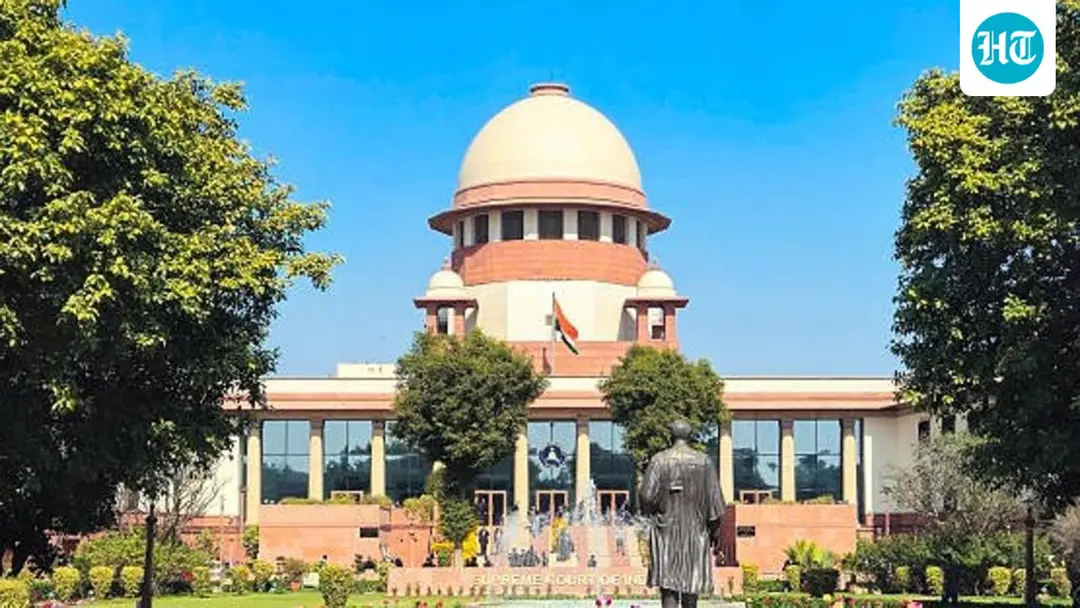
Supreme Court to provide Hindi summaries of key judgments
The Supreme Court on Monday, on Hindi Diwas, announced a Hindi public information service offering simple Hindi summaries of selected important judgments and orders, along with daily 15-30 minute audio and video bulletins explaining key rulings. Each summary will carry a link to the official judgment or order. A press statement said the service would launch shortly after arrangements are in place. The court said it would also benefit persons with disabilities and would be extended in phases to other Indian languages.
Source
Hindustan Times — India · read the original report ↗
Desk check · compared with the source
What the desk checked (5)
- The Supreme Court announced a Hindi public information service on Monday, on Hindi Diwas. — Attributed to the Supreme Court's announcement/press statement in the source.
- Daily audio and video bulletins of 15-30 minutes will explain key rulings. — Duration figure appears in the source; attributed to the court's announcement.
- Each Hindi summary will carry a link to the official judgment or order. — Stated in the press statement cited by the source.
- The service will start in Hindi and be extended in phases to other Indian languages. — Attributed to the court; no timeline given in the source.
- The initiative will also benefit persons with disabilities. — Claim made by the Supreme Court as reported; not independently detailed.
Analysts’ view opinion
సుప్రీంకోర్టు తీసుకున్న ఈ నిర్ణయం ప్రాథమికంగా న్యాయ సమాచార లభ్యతకు సంబంధించినదే అయినా, హిందీ దివస్ సందర్భంగా, హిందీతోనే మొదలుపెట్టడం వల్ల దీనికి రాజకీయ కోణం అంటుకోవడం సహజం. కేంద్రంలో అధికార పక్షం చిరకాలంగా ప్రాంతీయ భాషల్లో పాలన, న్యాయ వ్యవహారాలను ప్రోత్సహిస్తోంది; ఆ కథనంలోకి ఈ ప్రకటన సులభంగా ఇమిడిపోతుంది. అదే సమయంలో, హిందీ ఆధిపత్యంపై సున్నితంగా స్పందించే దక్షిణాది, తూర్పు రాష్ట్రాల పార్టీలు "మొదట హిందీ, తర్వాత మిగతా భాషలు" అనే వరుసక్రమాన్నే ప్రశ్నించే అవకాశం ఉంది.
- కోర్టు ప్రకటనలో దశలవారీగా ఇతర భారతీయ భాషలకు విస్తరిస్తామని స్పష్టంగా ఉంది — ఇది భాషా రాజకీయ విమర్శను ముందుగానే తగ్గించే జాగ్రత్తగా చూడవచ్చు.
- సాధారణ పౌరులు, కక్షిదారులు, దివ్యాంగులకు తీర్పులు అర్థమయ్యేలా చేయడం అనే లక్ష్యం రాజకీయంగా వ్యతిరేకించడం కష్టమైన అంశం; అందుకే ప్రత్యక్ష రాజకీయ ఘర్షణ కంటే వరుసక్రమంపైనే చర్చ కేంద్రీకృతమయ్యే అవకాశం ఉంది.
- తమిళనాడు, కేరళ, పశ్చిమ బెంగాల్ వంటి రాష్ట్రాల ప్రాంతీయ పార్టీలకు భాషా అస్తిత్వం ఎప్పటికీ బలమైన సమీకరణ అంశం — తమ భాషలకు ఎప్పుడు వస్తుందని అడగడం వాటికి తక్కువ ఖర్చుతో కూడిన రాజకీయ అవకాశం.
- న్యాయవ్యవస్థ పారదర్శకత, ప్రజలకు చేరువ కావడం అనే విస్తృత ఎజెండాలో భాగంగా చూస్తే, ఇది కోర్టు తన సంస్థాగత విశ్వసనీయతను పెంచుకునే ప్రయత్నంగానూ కనిపిస్తుంది.
- ఇది కోర్టు పరిపాలనా నిర్ణయం మాత్రమే; ప్రభుత్వ ప్రమేయం లేదా ఆమోదం గురించి కథనంలో ఏమీ లేదు — కాబట్టి దీన్ని ఏ పార్టీ విధానంతోనూ నేరుగా ముడిపెట్టడం సరికాదు.
What to watch — తెలుగు, తమిళం, బెంగాలీ వంటి భాషలకు ఎప్పుడు, ఎలా విస్తరిస్తారనే స్పష్టమైన కాలపరిమితి వెలువడుతుందా — దానిపైనే రాజకీయ స్పందనల తీవ్రత ఆధారపడి ఉంటుంది.
ఏ రాజకీయ పక్షమూ ఇంకా ఈ ప్రకటనపై స్పందించినట్టు కథనంలో లేదు; సేవ ప్రారంభ తేదీ, ఇతర భాషలకు విస్తరణ కాలపరిమితి కూడా నిర్ధారితం కాలేదు.
Deep dive
Research brief · 8 facts · 3 dates · exam-readyThe brief
Context
The Supreme Court of India delivers judgments in English, and its rulings often run into lengthy, technical documents that ordinary litigants find hard to read. On Hindi Diwas, the court announced a Hindi public information service that will publish simple Hindi summaries of selected important judgments and orders, backed by daily audio and video bulletins explaining key rulings. Each summary will link to the official judgment or order so users can consult the original document. The service starts in Hindi and is to be extended in phases to other Indian languages.
Key facts
- The Supreme Court announced the Hindi public information service on Monday, on Hindi Diwas.
- The service will offer simple Hindi summaries of selected important judgments and orders.
- Daily audio and video bulletins of 15-30 minutes will explain key rulings.
- Each Hindi summary will carry a link to the corresponding official judgment or order.
- A press statement said the service will be launched shortly after necessary arrangements are put in place.
- The court said the initiative would also benefit persons with disabilities.
- The service will initially be in Hindi and be extended in phases to other Indian languages.
- Bulletins will cover important rulings, their impact and the course of action that may follow from them.
Timeline
- Monday (Hindi Diwas)Supreme Court announces the Hindi public information service through a press statement.
- Shortly after arrangements are in placeHindi summaries and daily audio-video bulletins to be launched.
- In later phases (date not stated in the source)Service to be extended to other Indian languages.
Who has a stake
- Supreme Court of India — Institutional credibility and its stated objective of making access to justice and judicial information more accessible.
- Ordinary citizens and litigants — Ability to understand important rulings and their implications without reading lengthy legal documents.
- Persons with disabilities — Audio and video bulletins offer an accessible format for understanding judgments.
- Speakers of non-English and non-Hindi Indian languages — Await the phased extension of the service to their languages.
Why it matters
Supreme Court judgments shape rights and everyday entitlements, but their length and language keep them out of reach for most citizens. By issuing plain-Hindi summaries with links to the original orders, plus daily audio-video bulletins, the court is treating comprehension of judgments as part of access to justice rather than a specialist privilege. The promised phased expansion to other Indian languages would decide whether the benefit stays regional or becomes national.
UPSC angle
Prelims pointers
- Hindi public information service of the Supreme Court announced on Hindi Diwas (Monday).
- Service includes simple Hindi summaries of selected important judgments and orders.
- Daily audio and video bulletins to run 15-30 minutes explaining key rulings.
- Every summary will link to the official judgment or order text.
- Service to begin in Hindi, with phased extension to other Indian languages.
- Court stated the initiative would also benefit persons with disabilities.
Mains framing
Access to justice depends not only on the ability to reach a court but also on the ability to understand what it has decided; Supreme Court judgments, written in English and often lengthy and technical, are effectively inaccessible to most litigants. The Hindi public information service responds to this comprehension gap by combining plain-language summaries of selected important judgments and orders with daily 15-30 minute audio and video bulletins that explain the ruling, its impact and the possible course of action, while retaining a link to the authoritative original text so that the summary does not displace the judgment itself. Framing audio-visual formats as a benefit for persons with disabilities links the initiative to accessibility obligations, and the court explicitly ties recognition of Indian languages to judicial public information. The implications turn on execution: which judgments are selected, how faithfully complex reasoning is compressed, and how quickly the promised phased extension to other Indian languages materialises, since a Hindi-only service could privilege one linguistic region. The way forward, as stated by the court, lies in completing the necessary arrangements for launch and progressively covering other Indian languages so that concise information reaches citizens across linguistic regions in languages familiar to them.
Key terms
- Hindi Diwas
- The day on which the Supreme Court announced the initiative; further details not stated in the source.
- Hindi public information service
- Supreme Court facility providing simple Hindi summaries of selected important judgments and orders plus daily bulletins.
- Audio and video bulletins
- Daily 15-30 minute explanations of key rulings, their impact and the likely course of action following them.
- Access to justice
- The broader objective the court cited: making judicial decisions and information usable by ordinary citizens and litigants.
Practice questions
- Does simplifying judgments into regional-language summaries advance access to justice, or risk diluting legal reasoning? Discuss with reference to the Supreme Court's Hindi public information service.
- Examine how language barriers limit citizens' engagement with the judicial process in India, and evaluate the measures announced by the Supreme Court to address them.
- 'Access to justice includes the right to understand what the court has decided.' Comment in the light of the Supreme Court's phased plan to extend judgment summaries to other Indian languages.
Grounded only in the source report — figures and dates are the source's, not inferred.