
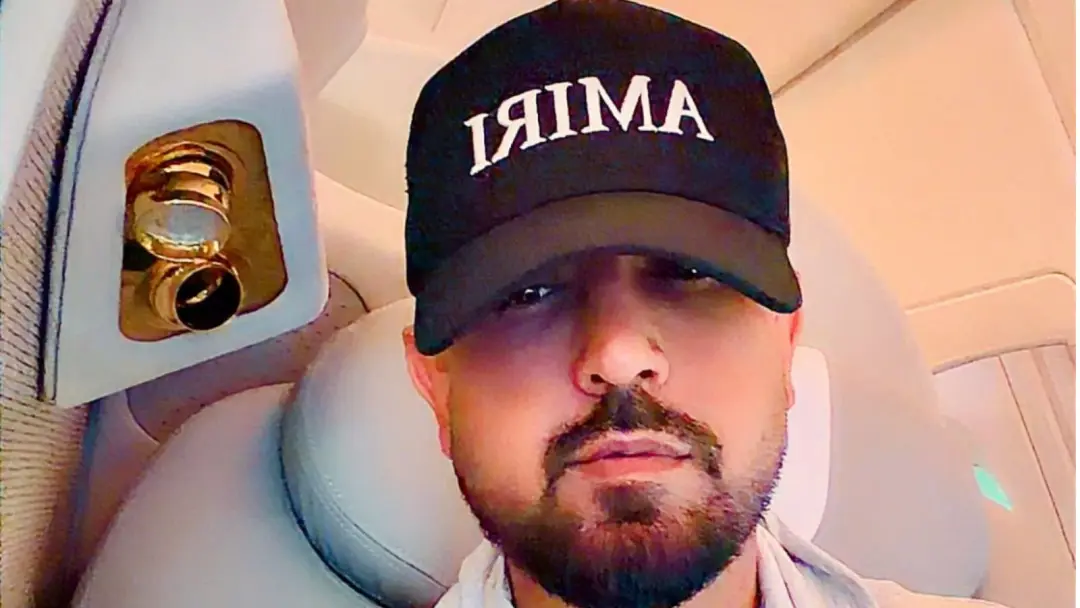
Gippy Grewal alleges Air Canada downgrade; airline apologises
Punjabi actor-singer Gippy Grewal alleged on Thursday that Air Canada downgraded him from business to economy on flight AC1504 from Toronto to Newark. In an X post he said he was given no explanation or apology and was told he could be taken off the plane when he persisted. His friend, actor Binu Dhillon, said the airline cited a last-minute aircraft change that cut business seats from 12 to eight. Air Canada apologised for the inconvenience.
Source
Indian Express — Cities · read the original report ↗
Desk check · some claims need care
What the desk checked (5)
- Air Canada downgraded Gippy Grewal from business to economy on flight AC1504 from Toronto to Newark — Alleged by Grewal in his own X post quoted in the source; not confirmed by the airline.
- Grewal was told he could be taken off the plane when he sought an explanation — Grewal's own claim in the quoted X post; no independent corroboration in source.
- The aircraft was changed at the last minute and business class seats were cut from 12 to eight, converting four seats to economy — Second-hand claim attributed to actor Binu Dhillon relaying a phone conversation with Grewal; not confirmed by Air Canada.
- Air Canada publicly apologised and asked for booking reference via DM — Quoted directly from the airline's official reply to Grewal's post.
- Dhillon says Air India offered him a 35 per cent refund after a similar July incident on a Vancouver flight — Attributed to Dhillon; figure appears in source, no airline confirmation.
Analysts’ view opinion
This is not just a seating row — it is a case study in how star power accelerates customer service. A large share of Gippy Grewal's film and music audience sits in the Canadian and American diaspora, so when an artist of that profile complains publicly about an airline, the post travels far further than an ordinary passenger's grievance. Air Canada's quick apology and request for a DM is standard reputation management, but there is still no public explanation of what actually happened on board.
- With the North American diaspora a core market for Punjabi cinema and music, how artists are treated on those routes is a commercially sensitive issue for the industry.
- The airline responding within hours of an actor's X post shows the priority brands give to celebrity complaints over routine ones.
- Grewal's framing is not that he wanted an upgrade but that he wanted the service he paid for plus an explanation — a position audiences find easy to sympathise with.
- Last-minute aircraft swaps and reduced business-class cabins are not unusual in aviation; the real dispute here is about how the downgrade was handled and communicated.
- Binu Dhillon citing his own similar experience widens this from a single incident into a broader conversation about premium-service promises.
What to watch — Watch whether Air Canada, after reviewing the booking, offers a refund or compensation and gives a clear account of why the downgrade occurred.
What crew members actually said, and whether Grewal was really warned he could be taken off the flight, rests on the actor's own allegations and his friend's account; the airline has not given its version and the story carries no independent verification.
Deep dive
Research brief · 8 facts · 4 dates · exam-readyThe brief
Context
Punjabi actor-singer-director Gippy Grewal publicly alleged on X that Air Canada moved him from a business-class seat he had paid for to economy on flight AC1504 from Toronto to Newark, and that staff offered no explanation or apology. His friend, actor-comedian-producer Binu Dhillon, said the airline attributed the change to a last-minute aircraft swap that cut business-class seats from 12 to eight. Air Canada replied publicly to Grewal's post apologising for the inconvenience and asking for his booking reference by direct message. The episode is part of a wider pattern of celebrities using social media to flag involuntary downgrades and service failures by airlines.
Key facts
- Gippy Grewal alleged on Thursday that Air Canada downgraded him from business class to economy on flight AC1504, Toronto to Newark.
- In his X post Grewal said the response was essentially "it happened, we can't do anything. You can take the flight or leave it", with "not even a simple apology".
- Grewal said that when he kept asking why, he was told he could be taken off the plane.
- Binu Dhillon said the airline cited a last-minute aircraft change that reduced business-class seats from 12 to eight, converting four seats to economy.
- Dhillon said Grewal held a business-class boarding pass but ultimately flew economy, seated between two other passengers.
- Air Canada replied to the X post: "We are sorry to hear this and we apologize for any inconvenience caused", asking for a DM with booking reference and full name.
- Grewal was travelling to meet his elder son who studies in the US; he flew India-Dubai-Toronto on Emirates, with the Toronto-Newark leg on Air Canada.
- Dhillon said he faced non-functioning business-class seats on an Air India flight to Vancouver in July this year and was later offered a 35 per cent refund.
Timeline
- July (this year, per source)Binu Dhillon says his booked business-class seats on an Air India flight to Vancouver were not functioning, forcing him into economy; airline later offered a 35 per cent refund.
- Thursday (post dated September 16, 2026)Gippy Grewal alleges on X that Air Canada downgraded him from business to economy on flight AC1504 from Toronto to Newark.
- After the postAir Canada replies publicly apologising for the inconvenience and asks Grewal to send his booking reference and full name via DM.
- SubsequentlyDhillon speaks to The Indian Express, relaying Grewal's account of the aircraft change and the seat reduction from 12 to eight.
Who has a stake
- Gippy Grewal — Paid for a business-class seat, held a business-class boarding pass, but travelled in economy; sought an explanation and an apology.
- Air Canada — Faces public criticism over an alleged involuntary downgrade and staff conduct; has apologised and offered to examine the booking.
- Binu Dhillon — Grewal's friend who relayed the airline's explanation to The Indian Express and reported a similar experience on an Air India flight.
- Air India — Named by Dhillon over non-functioning business-class seats on a Vancouver flight in July; said to have offered a 35 per cent refund.
- Air passengers generally — Exposure to involuntary downgrades and denial of paid-for service classes when aircraft are swapped at short notice.
Why it matters
Involuntary downgrades after last-minute aircraft changes strike at the core of the contract between airline and passenger: a paid-for class of service was not delivered, and by Grewal's account no explanation, apology or remedy was offered at the airport. That celebrity complaints on social media draw an immediate public apology, while ordinary travellers rarely get one, underlines how uneven redress can be in practice.
UPSC angle
Prelims pointers
- Air Canada flight AC1504 operates Toronto to Newark; Grewal's downgrade complaint related to this flight.
- Reason cited for the downgrade: last-minute aircraft change reducing business-class seats from 12 to eight.
- Air Canada's public response was an apology plus a request for booking reference and full name via direct message.
- Grewal's routing: India to Dubai to Toronto on Emirates; Toronto to Newark on Air Canada.
- Binu Dhillon said Air India offered him a 35 per cent refund after a July complaint about non-working business-class seats on a Vancouver flight.
- Grewal's X post is dated September 16, 2026.
Mains framing
The episode illustrates how aircraft substitution - a routine operational decision - can translate into an involuntary downgrade that denies a passenger the class of service purchased, and how the quality of ground handling then determines whether a service failure becomes a reputational crisis. According to the source, the immediate causes were a last-minute aircraft change that cut business-class seats from 12 to eight and the conversion of four seats to economy, combined with staff who, in Grewal's account, offered a take-it-or-leave-it choice, no apology, and a warning that he could be removed from the plane. The implications are twofold: for airlines, unmanaged downgrades erode trust and invite viral criticism, as Air Canada's public apology and Dhillon's parallel Air India account show; for passengers, the remedy remains reactive and discretionary, visible in the 35 per cent refund Dhillon says he received only after going live on social media. A way forward suggested by the facts themselves is clear, proactive communication at the gate, an explanation and apology as standard practice, and automatic, transparent compensation for the fare difference when a paid class is not delivered - rather than redress that depends on a passenger's public profile. The source does not state any regulatory action or policy change in this case.
Key terms
- Involuntary downgrade
- When an airline seats a passenger in a lower class than the one purchased, without the passenger's choice - here business to economy.
- Aircraft change (equipment swap)
- Substituting a different plane on a scheduled flight, which can alter the seat map and reduce premium seats, as cited for AC1504.
- Flight AC1504
- The Air Canada Toronto-Newark service on which Grewal says he was moved from business to economy.
- Boarding pass
- Document confirming the passenger's seat and class; Grewal reportedly held a business-class boarding pass yet flew economy.
- Air Canada
- Canadian airline that publicly apologised on X for the inconvenience and sought Grewal's booking details for review.
Practice questions
- Involuntary downgrades after last-minute aircraft changes raise questions of consumer contract and remedy. Discuss with reference to the Gippy Grewal-Air Canada episode.
- "Social media has become the fastest grievance-redressal channel in aviation, but it privileges the visible passenger." Critically examine.
- What obligations should an airline owe a passenger when the class of service paid for cannot be provided? Suggest measures for transparent redress.
Grounded only in the source report — figures and dates are the source's, not inferred.